مع استمرار تطور تقنيات الطائرات المسيرة، يزداد الطلب في القطاع على مواد خفيفة الوزن وعالية القوة ومستقرة للغاية. فمنذ الطائرات المسيرة الاستهلاكية المستخدمة في التصوير الجوي وحتى الطائرات المسيرة الصناعية المُستخدمة في عمليات الفحص والمسح والرش الزراعي لمكافحة الآفات والطائرات المتخصصة، أصبحت المواد المركبة من ألياف الكربون مادةً أساسيةً في تصميم هياكل الطائرات المسيرة.
مع ذلك، يعتقد كثير من الناس أن «استخدام ألياف الكربون في الطائرات المسيرة يعني أن هيكل الطائرة بأكمله مصنوع من ورقة واحدة من ألياف الكربون»، لكن هذا ليس صحيحًا فعليًّا.
وبالاعتماد على الوظائف التي تؤديها أجزاء الطائرة المسيرة المختلفة، يختار المهندسون أنواعًا مختلفة من ألياف الكربون المنتجات —مثل أجزاء ألياف الكربون المصنَّعة باستخدام ماكينات التحكم العددي بالحاسوب (CNC)، والمواد الأولية لألياف الكربون الأحادية الاتجاه، وأقمشة ألياف الكربون المحبوكة، وأوراق ألياف الكربون— لتحقيق أفضل توازن ممكن بين القوة والوزن والمظهر الجمالي وسهولة التشغيل الآلي.
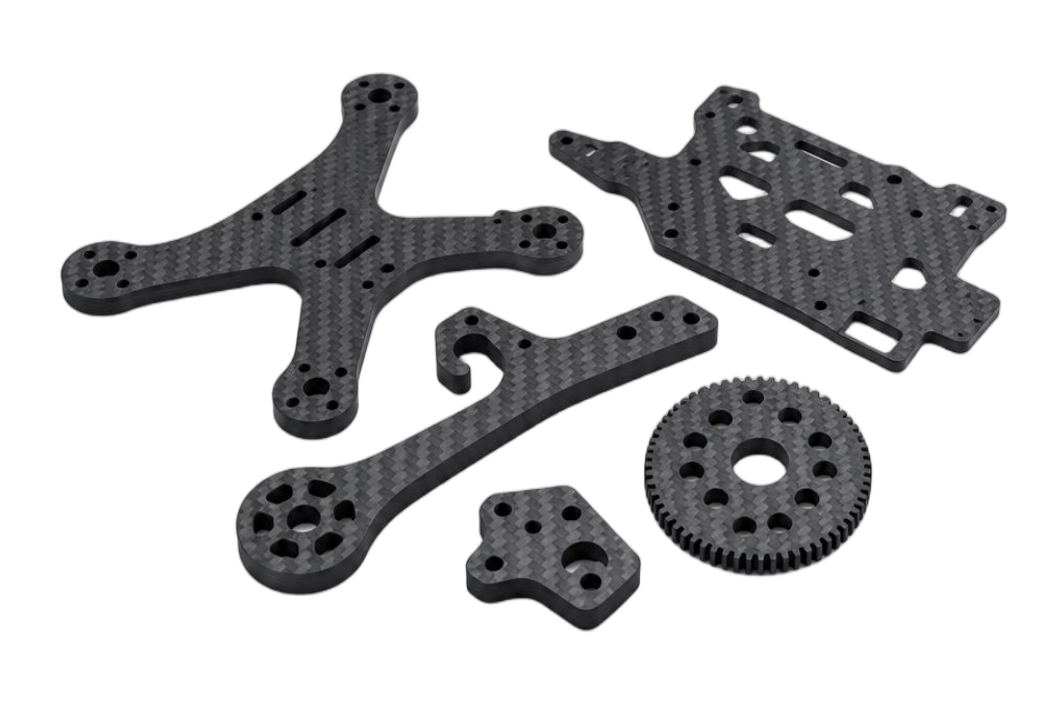
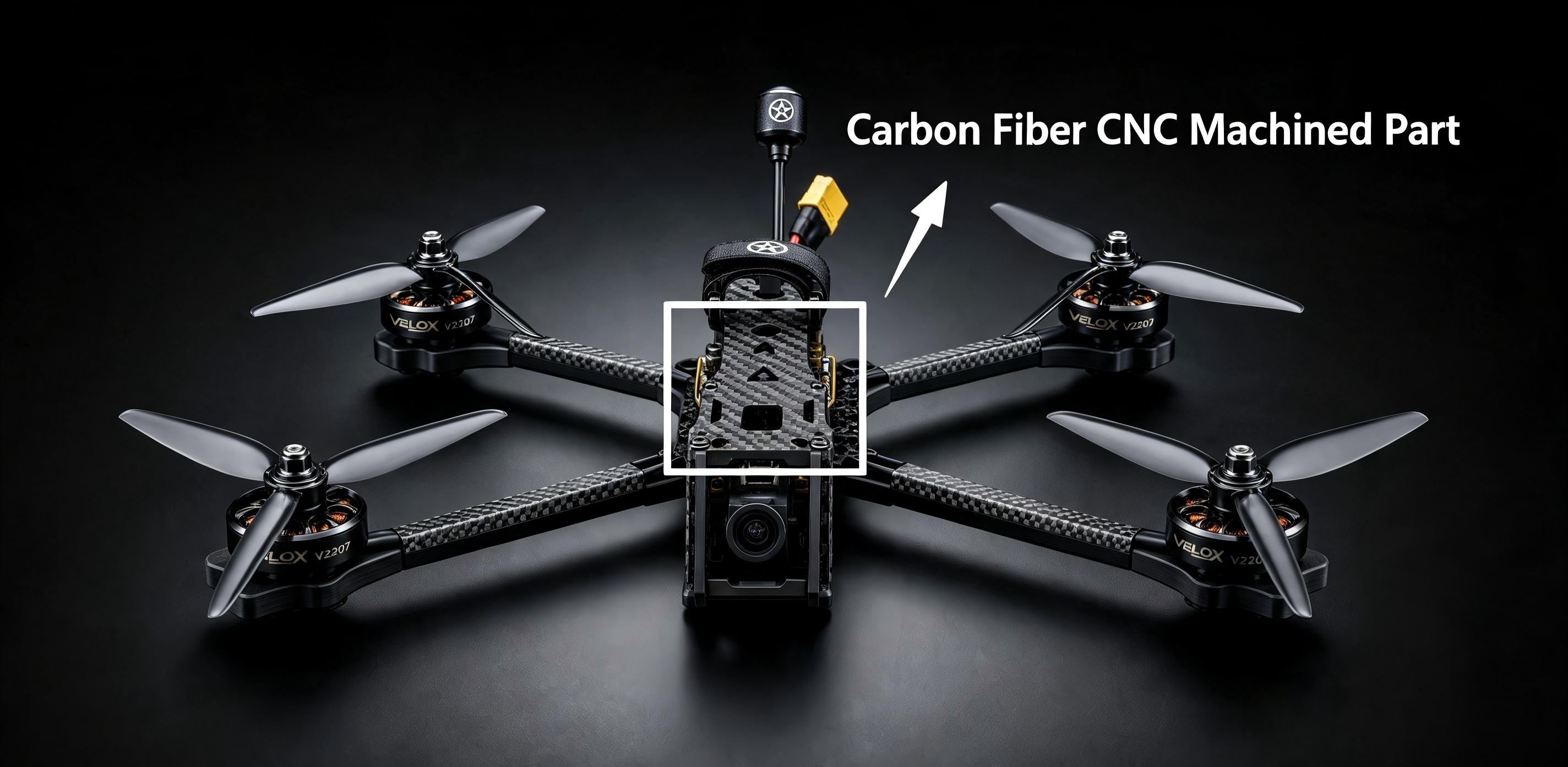
هيكل الطائرة المسيرة: مكونات مصنوعة من ألياف الكربون باستخدام ماكينات التحكم العددي بالحاسوب (CNC) لتوفير دعم هيكلي دقيق
ويُعَدُّ هيكل الطائرة المسيرة البنية التحتية الحاملة للحمولة الأساسية للطائرة بأكملها، ويجب أن تستوعب وحدة التحكم في الطيران، والبطارية، ومنصة التثبيت الدوارة (gimbal)، ومعدات الكاميرا، ونظام الدفع.
لذلك، يجب أن تفي هيكل الهيكل الجوي بالمتطلبات التالية: صلابة عالية لمنع اهتزازات الطيران من التأثير على استقرار المعدات؛ ودقة أبعاد عالية لضمان تركيب جميع المكونات بدقة؛ وبنية خفيفة الوزن لزيادة مدة الطيران.
وفي هذا الصدد، تقدم أجزاء ألياف الكربون المشغَّلة باستخدام آلات التحكم العددي الحاسوبي (CNC) مزايا كبيرة. وباستخدام تقنية التشغيل الدقيق باستخدام آلات التحكم العددي الحاسوبي، يمكن معالجة صفائح ألياف الكربون إلى مكونات هيكلية معقدة، مثل:
✅الإطار الرئيسي
✅دعامات المحرك
✅مصاعد الكاميرا
✅الموصلات
✅هياكل التموضع الدقيقة
وبالمقارنة مع الأجزاء التقليدية المصنوعة من سبائك الألومنيوم، فإن مكونات ألياف الكربون المشغَّلة باستخدام آلات التحكم العددي الحاسوبي ليست أخف وزنًا فحسب، بل توفر أيضًا مقاومة أفضل للتآكل الناتج عن الإجهاد المتكرر وقدرة أعلى على امتصاص الاهتزازات، ما يجعلها مثالية للبيئات التشغيلية عالية التكرار التي تعمل فيها الطائرات المُسيَّرة.
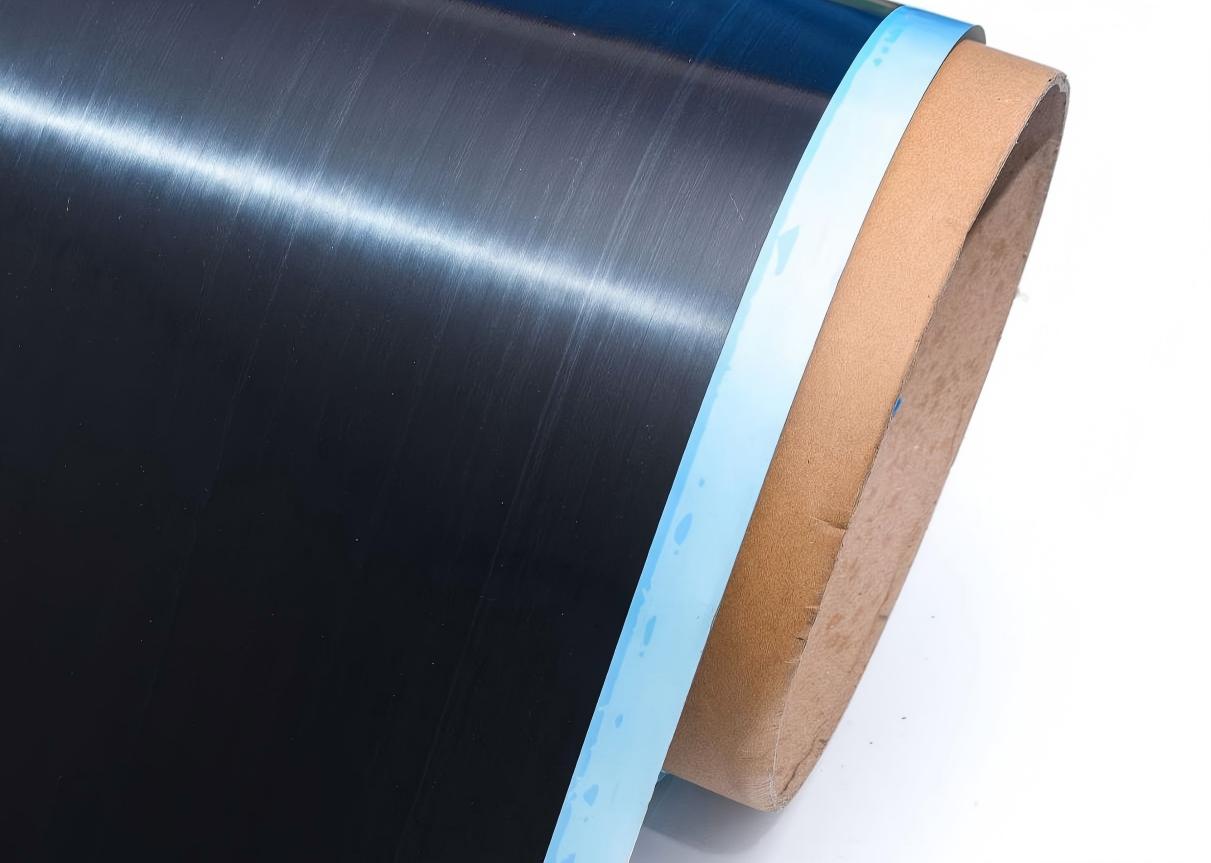
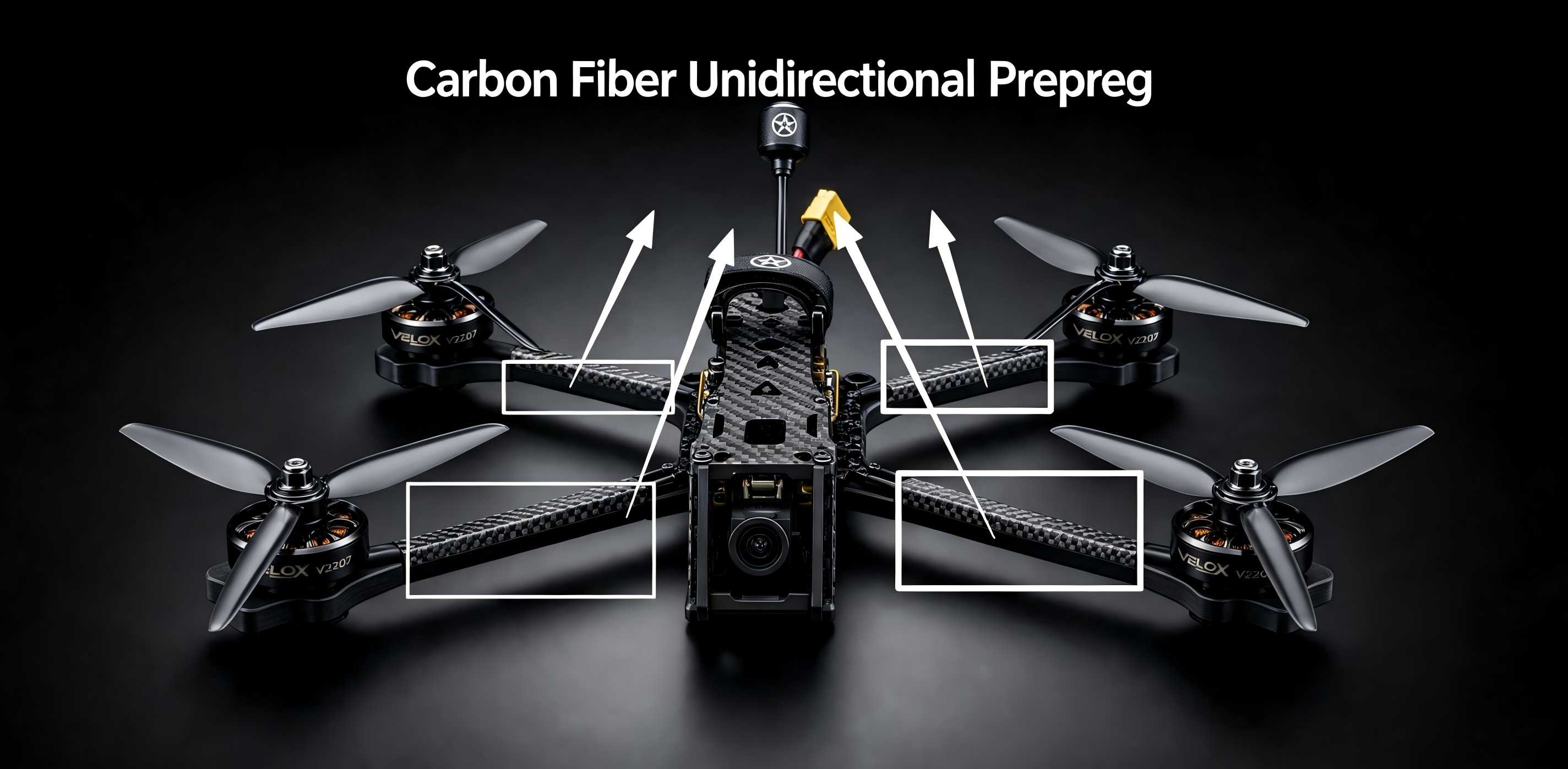
داخل ذراع الطائرة المُسيَّرة: تُوفِّر مادة ألياف الكربون أحادية الاتجاه المُشبَّعة مسبقًا القوة الأساسية
أذرع الطائرات المُسيرة هي مكوّن هيكلي حاسم يربط المحركات بهيكل الطائرة، ويجب أن تتحمّل: الاهتزازات الناتجة عن دوران المحركات بسرعات عالية، والأحمال الشدّية والانحنائية أثناء الطيران، وقوى التصادم أثناء الإقلاع والهبوط.
وبالتالي، فإن الجزء الداخلي من الأذرع يحتاج عادةً إلى مواد تعزيز موجَّهة أكثر في اتجاهات محددة. المواد المُحضَّرة أحادية الاتجاه ألياف الكربون مسبقة التشريب (UD Prepreg) هي الخيار الأمثل.
وبسبب انتظام خيوط ألياف الكربون بشكل كبير، فإن المواد المُحضَّرة أحادية الاتجاه توفر مقاومة شدٍّ وصلابةً فائقة في اتجاهات معيَّنة.
وعند استخدامها داخل الأذرع، يمكنها أن:
✅ تعزّز مقاومة الأذرع للانحناء
✅ تقلّل من وزن الهيكل
✅ تحسّن استقرار الطيران
✅ تمدّد عمر الخدمة
وخاصةً في مجالات الطائرات المُسيرة ذات المدى الطويل والطائرات المُسيرة القادرة على حمل أحمال ثقيلة، يمكن للمواد المُحضَّرة أحادية الاتجاه أن تساعد الهياكل على تحقيق أداء أعلى.
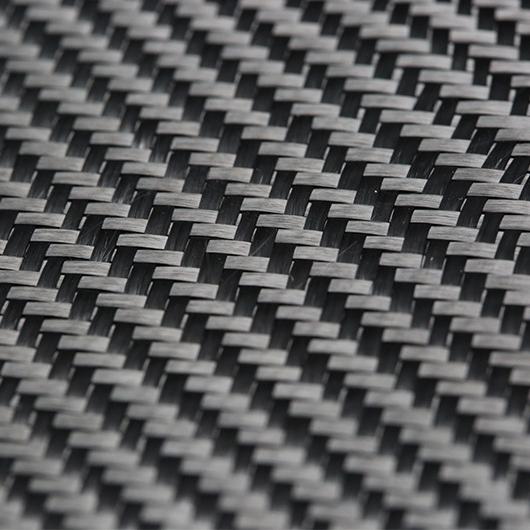
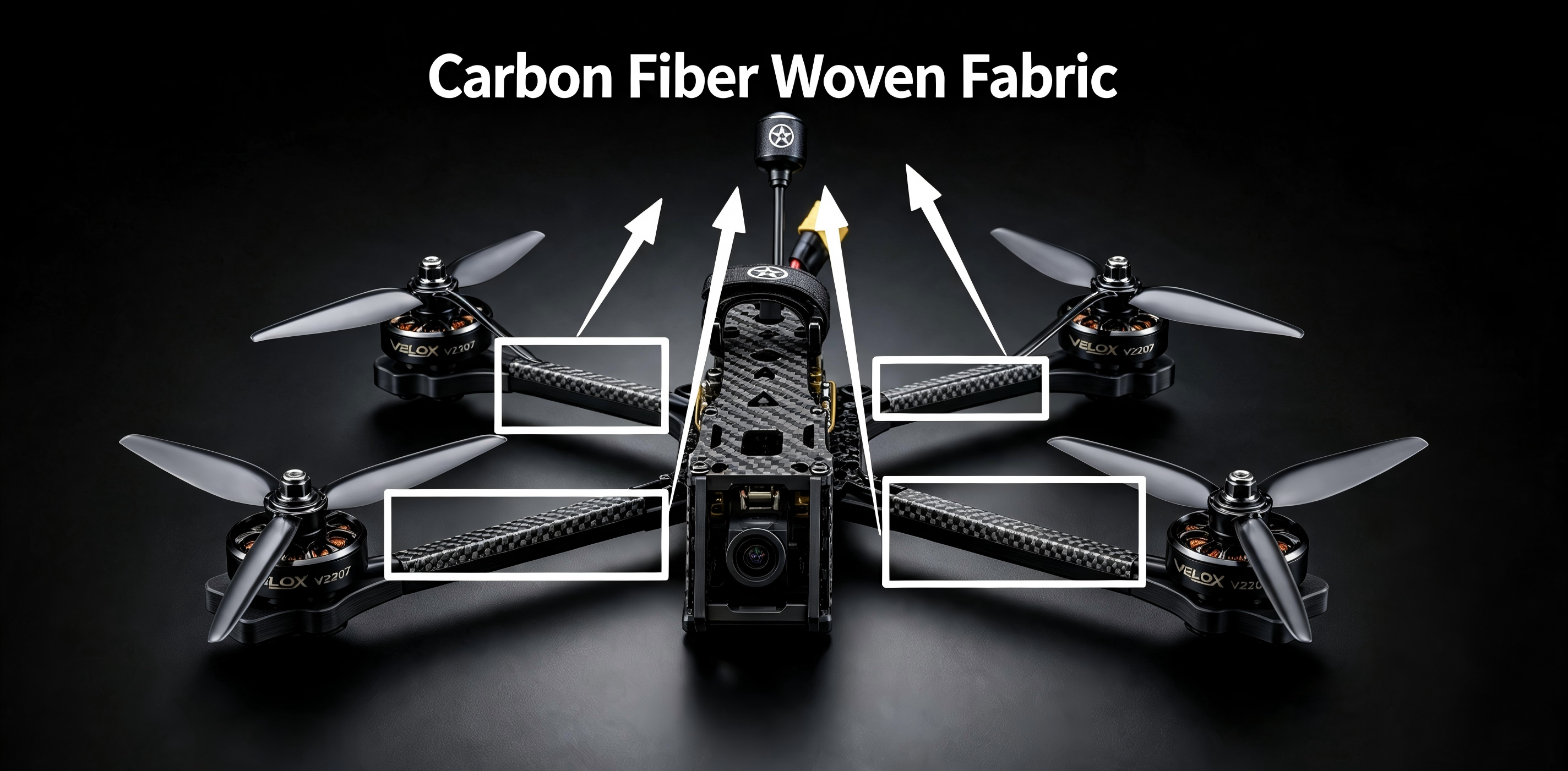
السطح الخارجي لأذرع الطائرة المسيرة: نسيج من ألياف الكربون المنسوجة يجمع بين القوة والجماليات
وبجانب الهيكل الداخلي الحامل للأحمال، يجب أن تفي الأجزاء الخارجية للطائرة المسيرة أيضًا بمتطلبات معينة: مثل ملمس السطح ومقاومته للاهتراء والتصميم الجمالي ومستوى معين من القوة البنائية.
ولذلك، تُستخدم عادةً المواد التالية على السطوح الخارجية للأذرع:
ويتميَّز نسيج ألياف الكربون المنسوجة بملمسٍ متجانس وجذّاب، ويتمتّع بمرونة ممتازة تسمح له بالتكيف مع الأسطح المنحنية المعقدة.
وتشمل التطبيقات الشائعة ما يلي:
✅ طبقة تغليف هيكل الطائرة المسيرة
✅ الطبقة الخارجية للأذرع
✅ طبقة هيكلية واقية
✅ طبقة تقوية زخرفية
إن النسيج الكلاسيكي لألياف الكربون لا يعزِّز المظهر التقني المتقدم للطائرة المسيرة فحسب، بل يحسّن أيضًا متانة سطحها.
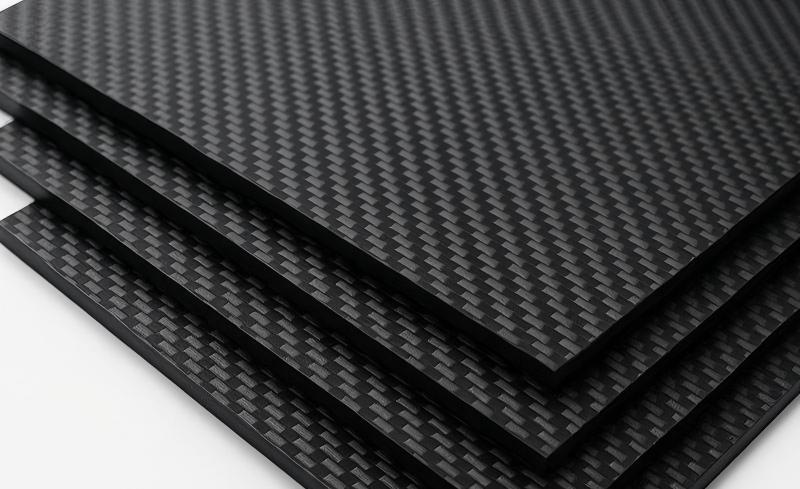
الألواح الجانبية لهيكل الطائرة المسيرة: ألواح ألياف الكربون تُنشئ تركيبًا خفيف الوزن
تنطبق المتطلبات التالية على ألواح الجوانب الخاصة بالطائرة من دون طيار، والألواح الواقية، وأغطية الإطار:
✅ الحفاظ على الاستواء
✅ امتلاك درجة معينة من الصلابة
✅ سهولة التركيب والتشغيـل الآلي
توفر ألواح الألياف الكربونية:
(١) قوة عالية ووزن منخفض
وبالنسبة لمتطلبات القوة نفسها، فإن وزن ألواح الألياف الكربونية أقل بكثير من وزن المواد المعدنية، ما يساعد في تقليل الوزن الكلي للطائرة من دون طيار وتمديد مدة طيرانها.
(٢) استقرار أبعادي ممتاز
وتتميّز الألياف الكربونية بمعامل تمدّد حراري منخفض، ما يمكنها من الحفاظ على استقرار أبعادي جيّد حتى في البيئات التي تتغير فيها درجات الحرارة.
(٣) قابلية جيدة للتشغيل الآلي
يمكن معالجة الألواح لاحقًا عبر التشغيل الآلي باستخدام آلات التحكم العددي (CNC)، والثقب، والقطع، ومعالجة السطح لتلبية متطلبات التصميم الهيكلي لمختلف الطائرات المُسيرة.
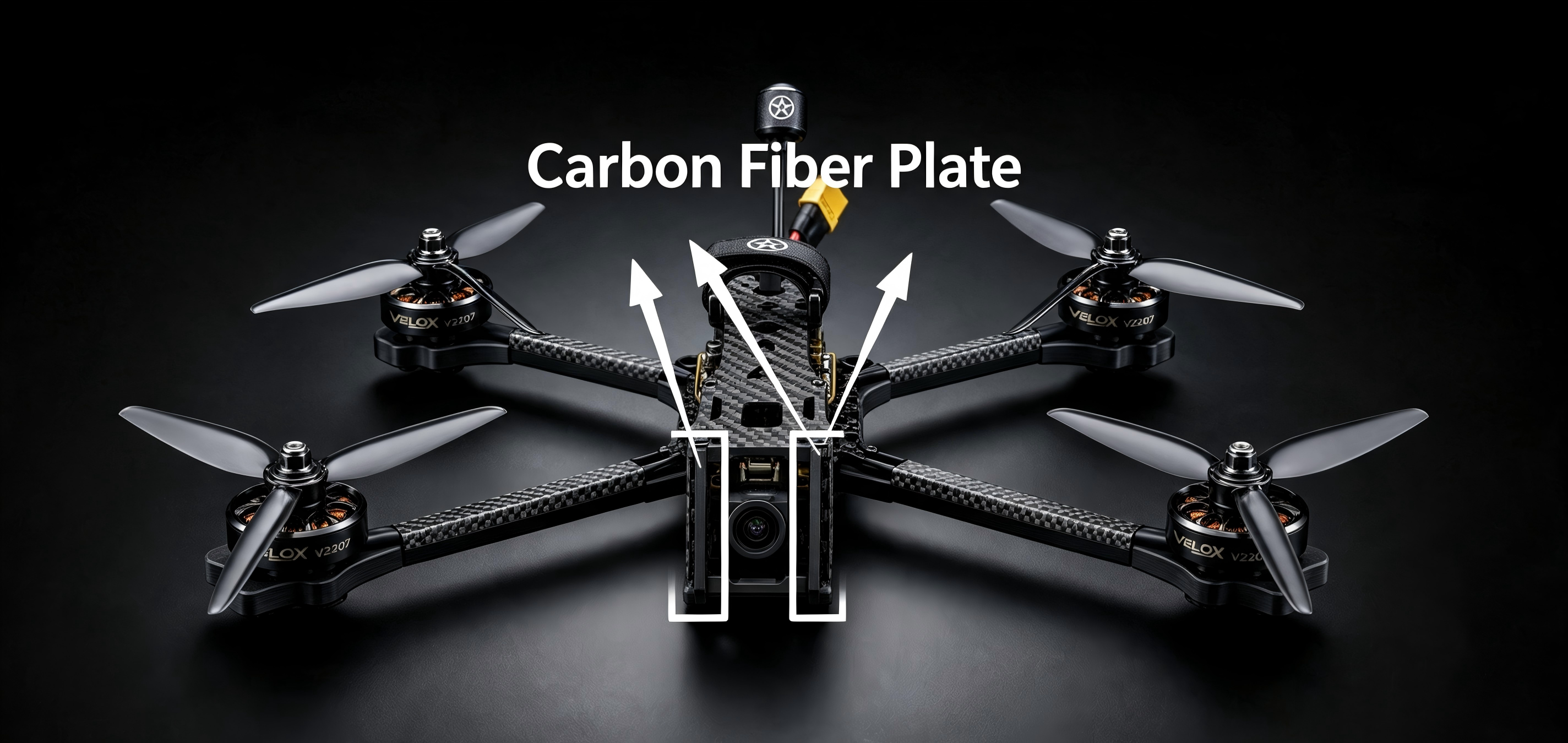
المواد المركبة من ألياف الكربون تفتح آفاقًا جديدة للطائرات المُسيرة.
إن تطوير الطائرات المُسيرة يفرض في الأساس طلباتٍ متزايدة باستمرار على أداء المواد.
من: نسيج ألياف الكربون المحبوك → مادة أولية أحادية الاتجاه (Prepreg) → ألواح ألياف كربون → أجزاء دقيقة مشغولة باستخدام آلات التحكم العددي (CNC).
من خلال الجمع المناسب لأنواع مختلفة من منتجات ألياف الكربون ، يمكن للطائرات المُسيرة تحقيق ما يلي:
✔ وزن أخف
✔ وقت طيران أطول
✔ مقاومة أعلى
✔ طيران أكثر استقرارًا
✔ تصميم هيكلي مثالي
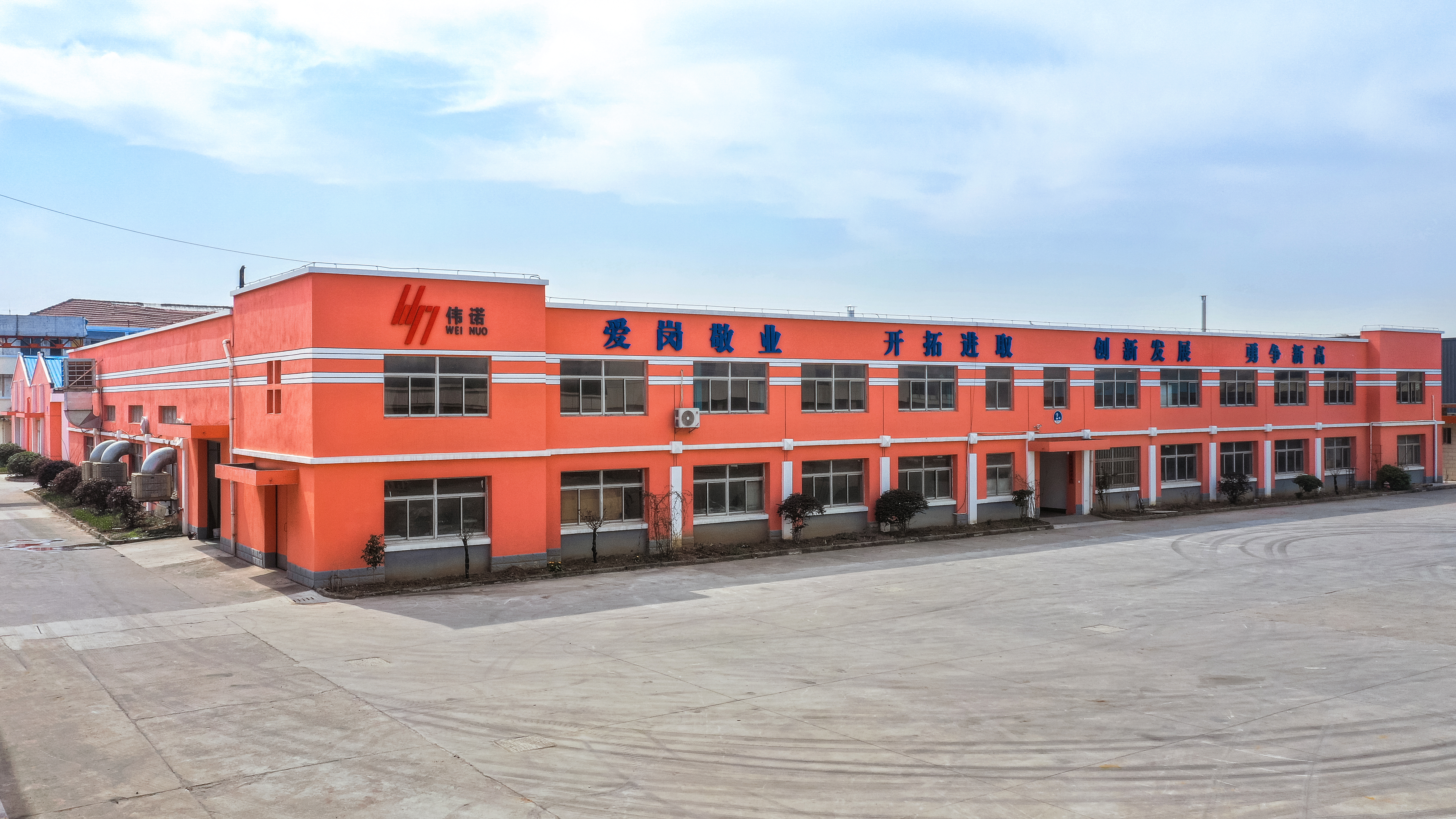
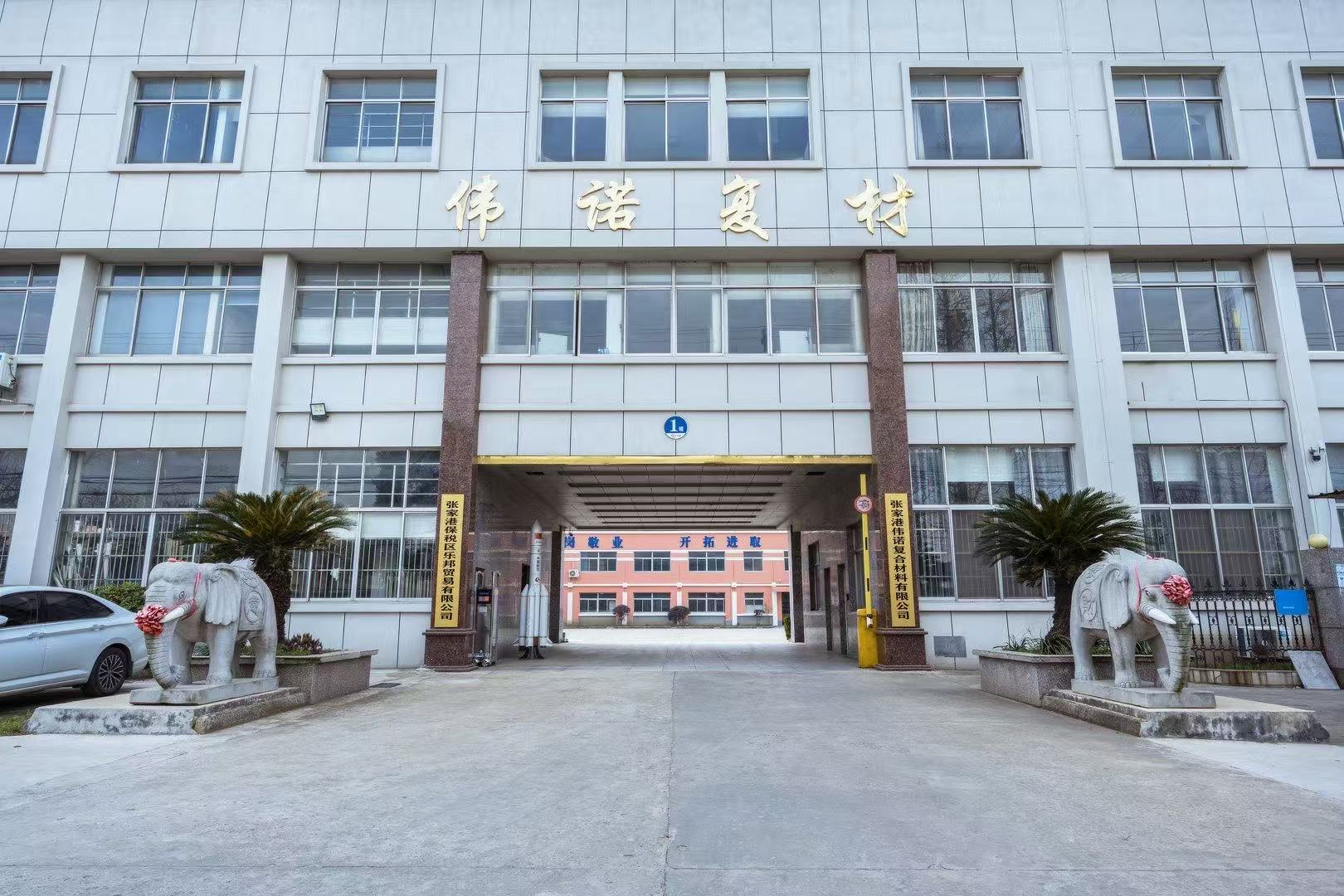
تتخصص شركة وينوو للمركبات في البحث والتطوير وإنتاج منتجات ألياف الكربون، وتقدّم حلولاً شاملة تشمل أقمشة ألياف الكربون المنسوجة، والأقمشة الأحادية الاتجاه، والمواد المُحضَّرة مسبقاً (Prepregs)، وألواح ألياف الكربون، والمواد متعددة المحاور، وأجزاء ألياف الكربون المشغَّلة باستخدام ماكينات التحكم العددي بالحاسوب (CNC). ونوفّر دعماً عالي الأداء للمواد المركبة في قطاعات مثل الطائرات المسيَّرة، والفضاء الجوي، والصناعات البحرية، ومعدات الرياضة. ونضمن أن كل غرام من الوزن يُحقِّق تحسُّناً في الأداء.
حقوق النشر © 2026 شركة تشانغجياجانغ وينوو للمواد المركبة المحدودة. جميع الحقوق محفوظة
 EN
EN