Carbon fibre, a material once confined to the elite realms of aerospace, has now quietly permeated every facet of our lives. From bicycles to automobiles, from wind turbine blades to sports equipment, carbon fibre has earned the moniker "black gold" through its exceptional strength and lightweight properties.
But where will carbon fibre journey in the coming decade? Will it be supplanted by more advanced materials? Will higher-grade variants emerge? Could its price become as accessible as steel? Let us explore the future trajectory of carbon fibre together.
Will carbon fibre be replaced in the future?
A: Not in the short term, but competing materials are emerging.
Carbon fibre's core advantage lies in its unrivalled specific strength (strength-to-weight ratio) and specific modulus (stiffness-to-weight ratio). For the foreseeable future, particularly in aerospace, high-end sports equipment and high-performance automotive sectors, carbon fibre will remain dominant.
However, several materials are challenging carbon fibre in specific domains:
Graphene-reinforced composites: Graphene composites have demonstrated potential to surpass carbon fibre in laboratory settings, though mass production and cost remain significant barriers.
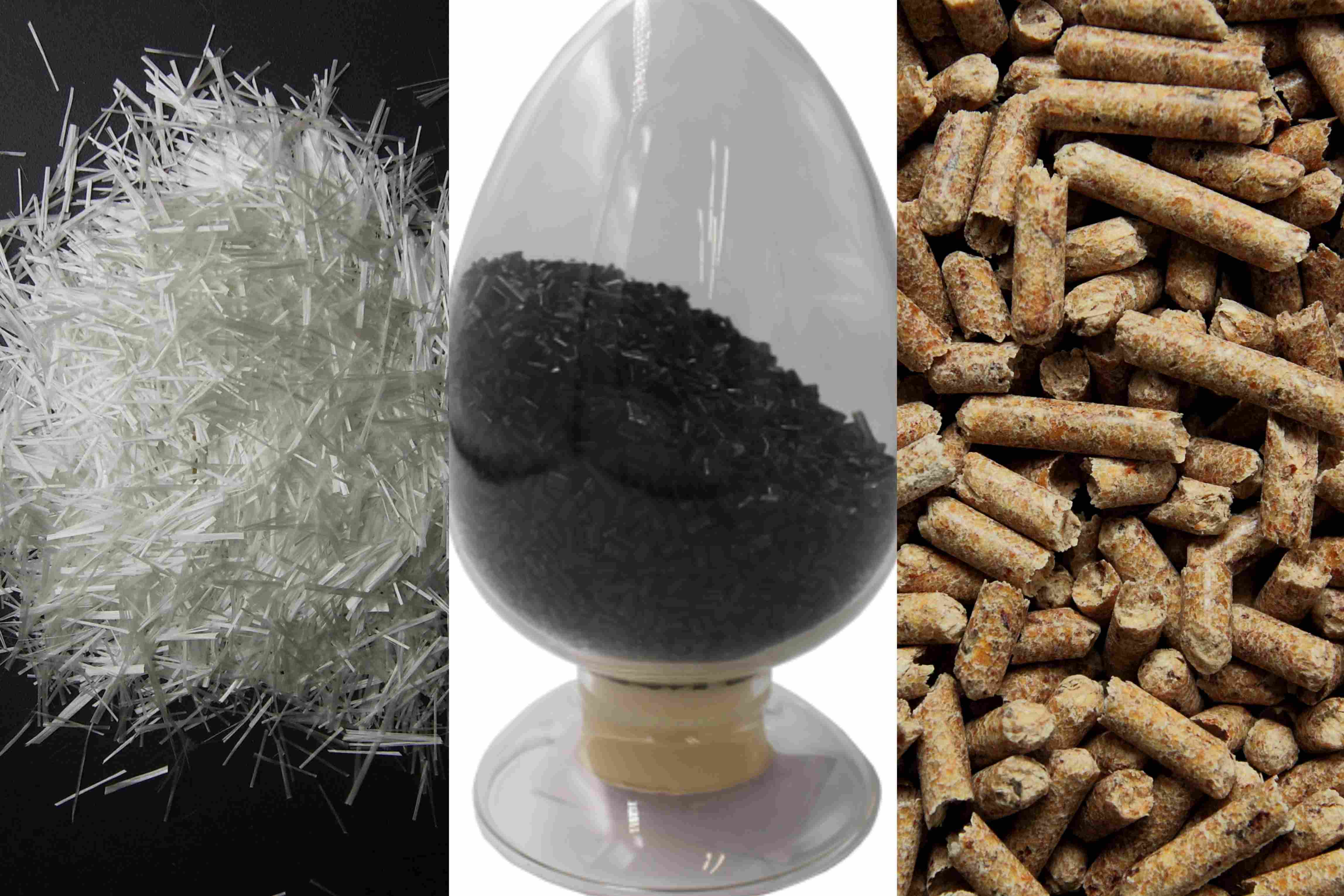
High-performance glass fibres: New generations of glass fibres approach entry-level carbon fibre in certain properties while being substantially cheaper, eroding carbon fibre's lower-end market share.
Bio-based composites: As sustainability gains global consensus, composites derived from plant fibres are seeing increased adoption in certain non-structural applications.
Carbon fibre remains irreplaceable in high-end applications, but will face increasingly fierce competition in the mid-to-low-end market.
Is there a higher grade of carbon fibre?
A: Limited breakthroughs have been achieved, but physical limits remain.
The grade of carbon fibre is primarily determined by its tensile modulus (stiffness). The highest grade currently available, M65J carbon fibre, has reached a tensile modulus of 640 GPa, approaching the theoretical limit of 1000 GPa.
Future development of carbon fibre will focus on the following areas:
Performance optimisation: Through nanotechnology (e.g., carbon nanotube doping) and novel precursors (e.g., shifting from pitch to more promising polymers), carbon fibre properties still hold 10-20% improvement potential.
Multifunctional integration: Future carbon fibres will transcend structural applications, potentially incorporating intelligent features such as conductivity, thermal conductivity, and self-healing capabilities.
Sustainable carbon fibres: Fibres manufactured from bio-based precursors (such as lignin) are under development. Whilst exhibiting slightly reduced performance, they offer significantly diminished carbon footprints.
Notably: As performance approaches theoretical limits, the research and development costs for higher-grade carbon fibres will increase exponentially, potentially constraining their commercial application.
Could carbon fibre become dirt cheap?
A: Partially, but high-end products will remain expensive.
Carbon fibre pricing is influenced by multiple factors and may diverge over the next decade:
Price reduction drivers:
(1) Scaled-up production: Global production capacity is projected to increase from 200,000 tonnes in 2023 to over 400,000 tonnes by 2030.
(2) Declining precursor costs: Acrylonitrile (carbon fibre's primary raw material) prices are anticipated to decrease with advancements in chemical engineering techniques.
(3) Manufacturing process innovation: Rapid oxidation-carbonisation techniques and microwave-assisted processes will reduce energy consumption and costs.
(4)Mature recycling technologies: Large-scale recycling will diminish reliance on virgin fibres.
Price barriers:
(1) Energy-intensive production: Carbon fibre manufacturing consumes substantial energy, with fluctuations in energy prices directly impacting costs.
(2) Technical barriers for high-end products: Production technology for aerospace-grade carbon fibre remains concentrated within a limited number of enterprises.
(3) Performance versus cost balance: Enhanced performance frequently entails increased costs.
Price Forecast:
(1) General-purpose carbon fibre (T300 grade): Prices may decline from the current US$15–20 per kilogram to US$10–12 per kilogram.
(2) Industrial-grade carbon fibre: Will compete with aluminium and steel in mid-to-low-end applications.
(3)Aerospace-grade carbon fibre: Will remain high-priced, projected to exceed US$100 per kilogram.
Three Major Trends for the Future
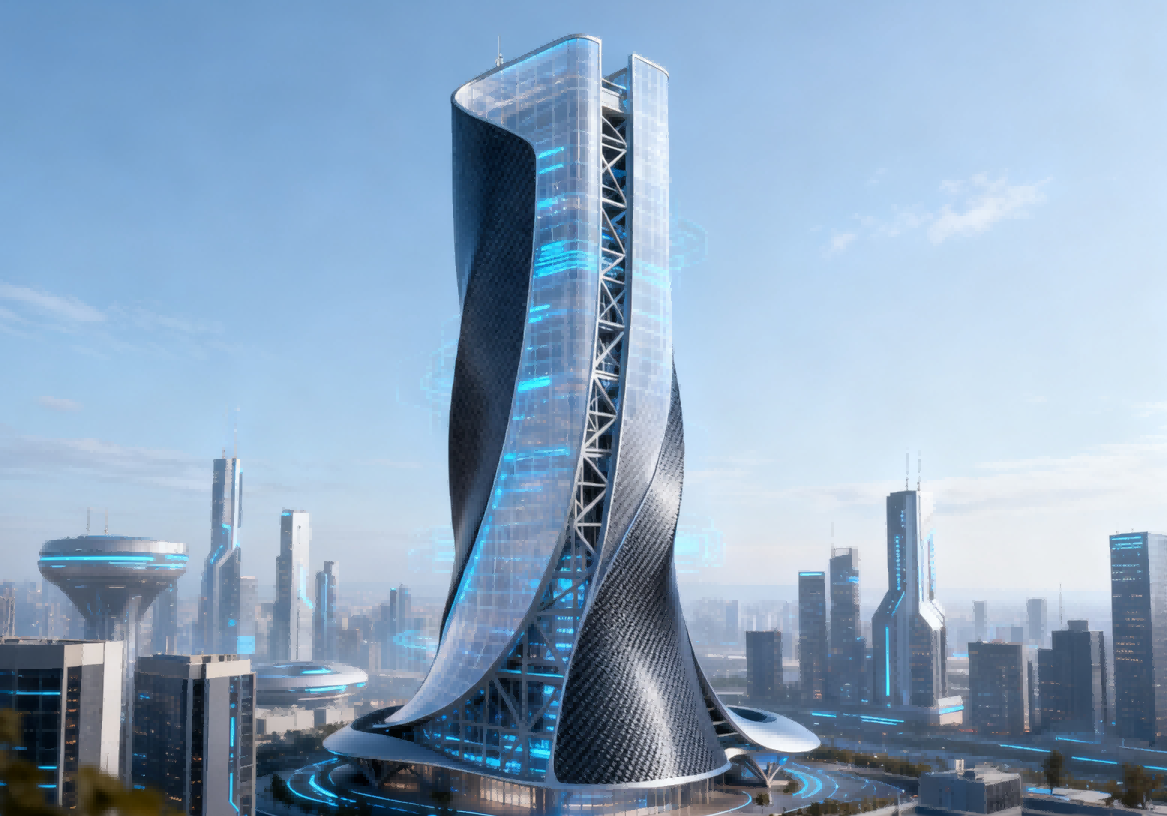
I. Polarisation of Application Scenarios: High-end sectors (aerospace, supercars) pursue ultimate performance regardless of cost; consumer markets (automobiles, sports equipment) prioritise cost-effectiveness, driving large-scale production.
III. Regional Capacity Restructuring: China's rapid expansion of carbon fibre production capacity will shift from import dependency towards self-sufficiency and global competitiveness, potentially triggering adjustments to the worldwide carbon fibre pricing structure.
The future of carbon fibre will neither be entirely supplanted nor become universally commoditised. Instead, it will follow a divergent trajectory: premium segments will become more refined, entry-level offerings more affordable, while the mid-tier faces the most significant transformation.
Just as steel did not vanish with the advent of aluminium, carbon fibre will carve out its own irreplaceable niche within the materials landscape, continually evolving to meet new challenges and demands.
Driven by both sustainability imperatives and high-performance requirements, carbon fibre's next decade is destined to be a journey of evolution marked by exquisite equilibrium.
Copyright © 2026 Zhangjiagang Weinuo Composites Co., Ltd. All rights reserved
 EN
EN