Check the weight: It’s not that heavier is better—it’s about choosing the right size.
The weight per square meter of carbon fiber fabric typically refers to the mass of carbon fiber per unit area, measured in g/m².
Common weights for carbon fiber fabric include 100 g/m², 160 g/m², 200 g/m², 240 g/m², 300 g/m², and 400 g/m², among others.
The main differences between carbon fiber fabrics of varying weights lie in the amount of fiber used per unit area, as well as the resulting differences in thickness, number of plies, and material design.
Different weights are suitable for different product requirements:
(1) 100–160 g/m²: The fabric is relatively light and thin, making it suitable for products with high weight-reduction requirements, as well as some intricate structural designs.
(2) 200–240 g/m²: These are relatively common specifications, frequently used in sports equipment, drone components, and general composite products.
(3) 300–400 g/m²: With a higher fiber content per unit area, these are suitable for products with specific requirements for thickness, layup efficiency, and structural design.
It is important to note that basis weight does not directly equate to strength.
For example, even for carbon fiber fabrics with the same basis weight of 200 g/m², the final performance is also influenced by factors such as carbon fiber grade, fabric weave, layup orientation, resin system, and molding process.
Purchasing Recommendations: Do not rely solely on basis weight; instead, make a comprehensive selection based on product dimensions, structural design, target thickness, and actual load conditions.
By Grade: What's the Difference Between T300, T700, and T800?
In addition to weight per unit length, the performance grade of carbon fiber roving is another important parameter to consider when making a purchase.
Common carbon fiber grades available on the market include T300, T700, T800, and others. These represent different product series and performance levels.
Generally speaking, as the grade and product series vary, carbon fiber will exhibit different characteristics in terms of tensile strength, modulus, and other properties.
Characteristics of Common Carbon Fiber Grades:
T300: Mature, General-Purpose Type
T300 is a widely used carbon fiber grade with a mature material system and good overall performance.
It is suitable for general industrial products, sports equipment, automotive parts, and conventional composite structural components.
T700: High-Strength Type
Compared to the standard T300 series, the T700 series offers higher tensile strength and is suitable for products with stricter requirements for structural strength and weight reduction.
It is commonly used in high-performance sports equipment, drone structural components, and certain automotive composite parts.
T800: High-Performance Type
The T800 belongs to the high-strength carbon fiber series and is typically used in composite products with more demanding material performance requirements.
It is valuable for applications in aerospace, high-end sports equipment, and high-performance structural components.
It should be noted that specific product parameters may vary among different manufacturers. Material performance cannot be determined solely by the model number; attention should also be paid to the corresponding tensile strength, tensile modulus, elongation, and test reports.
Purchasing Recommendations: If the product is primarily intended for conventional industrial applications, consider the well-established T300 series; if higher strength and weight reduction are required, further evaluate high-performance materials such as T700 and T800.
A higher grade is not necessarily better; the key lies in the actual performance requirements of the product and whether the material cost is reasonable.
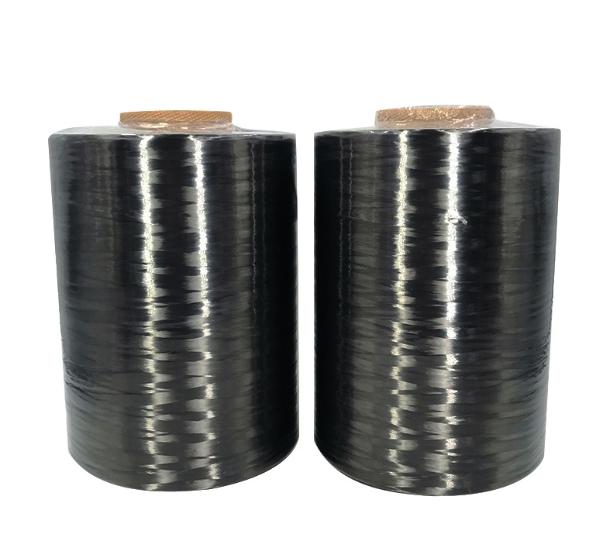
Looking at Weave Types: What's the Difference Between Plain Weave and Twill Weave?
In addition to differences in material grade and weight per square meter, the weave structure of carbon fiber fabric is also a key factor affecting the product’s appearance and processing performance.
Common weave patterns include plain weave and twill weave.
Plain Weave
Plain weave is the most basic and common weaving method, in which the warp and weft threads interlace in an “over-under” pattern.
Characteristics:
(1) Stable structure, resistant to deformation
(2) Smooth fabric surface
(3) Numerous yarn intersection points
Applications:
General industrial products, flat panels, and composite materials requiring fabric stability.
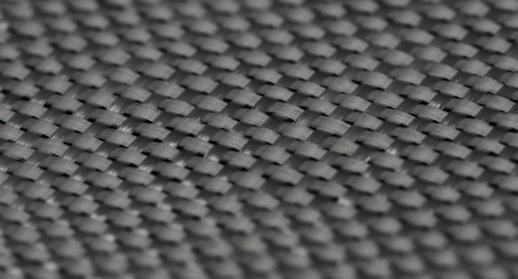
Twill Weave
Twill weave creates a continuous diagonal pattern by altering the interlacing pattern of the warp and weft threads; the most common appearance is a 2×2 twill.
Features:
(1) The surface exhibits a distinct diagonal pattern
(2) It conforms relatively easily to molds with a certain degree of curvature
(3) The appearance has a strong sense of visual depth
Applications:
Automotive exterior components, sports equipment, drone housings, and carbon fiber products with specific aesthetic requirements.
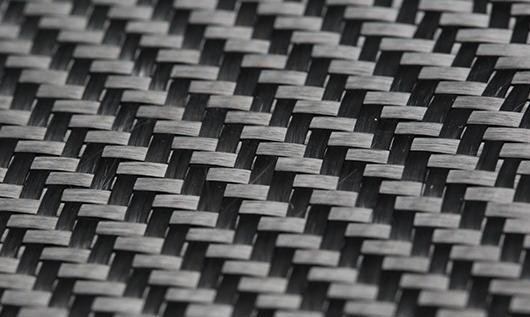
Unidirectional
Unlike plain weave and twill weave, unidirectional fabric features fibers arranged parallel to a single direction, with virtually no interlacing of warp and weft threads, thereby maximizing the fibers’ performance in the primary load-bearing direction.
Features:
Fibers are aligned in a single direction, with a clearly defined direction of force application
High unidirectional tensile strength and stiffness
The layup direction can be flexibly adjusted based on the product’s load requirements
Suitable for use in combination with fiber materials oriented in other directions
Applications:
Wind turbine blades, drone structural components, automotive structural components, sports equipment, and composite products requiring directional reinforcement.
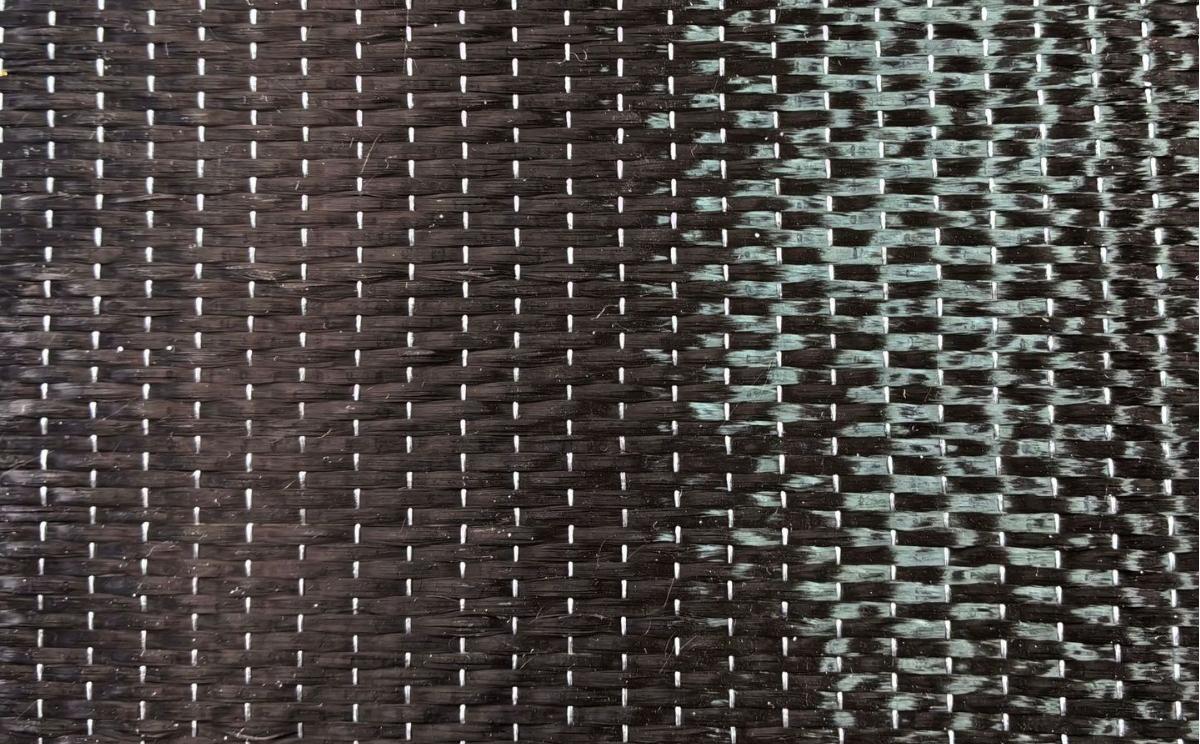
What other details should you pay attention to when selecting carbon fiber fabric?
What other details should you pay attention to when selecting carbon fiber fabric? In addition to the three core parameters mentioned above, there are several factors that are easily overlooked during the actual purchasing process.
1. Fiber Specifications
Common carbon fiber specifications include 1K, 3K, 6K, 12K, etc., where “K” represents the number of carbon fiber filaments per bundle (in thousands).
Different specifications affect the fabric’s texture, appearance, yarn bundle width, and weave design.
2. Fabric Width
Selecting an appropriate fabric width based on product dimensions and production processes can reduce cutting waste and improve material utilization.
3. Fabric Surface Quality
When purchasing, pay attention to whether the fabric surface is smooth and check for obvious broken threads, skipped threads, pilling, stains, and other cosmetic defects.
4. Material Batches and Quality Consistency
For customers engaged in long-term production, consistency across material batches is equally important. Stable weight per square meter, width, and fabric structure help ensure the quality of subsequent production.
Choosing the right materials is key to unlocking the true value of carbon fiber.
Choosing carbon fiber fabric is never simply a matter of comparing grammage, grade, or price.
To select the truly appropriate material, a comprehensive assessment must be made that takes into account the product’s actual operating environment, structural design, performance requirements, and manufacturing process.
As a manufacturer of carbon fiber composite materials, Zhangjiagang Weinuo Composite Materials Co., Ltd. consistently offers a wide range of carbon fiber fabrics and composite products, including plain weave, twill, satin, unidirectional, and multi-axial fabrics.
From material specifications to fabric structures, we can provide tailored product selections and customization solutions based on our customers’ specific needs.
If you are looking for the right carbon fiber fabric, please let us know your product application, required basis weight, fiber grade, and weave type.
Choose the right material to ensure every carbon fiber delivers its full potential!

Copyright © 2026 Zhangjiagang Weinuo Composites Co., Ltd. All rights reserved
 EN