
 EN
EN

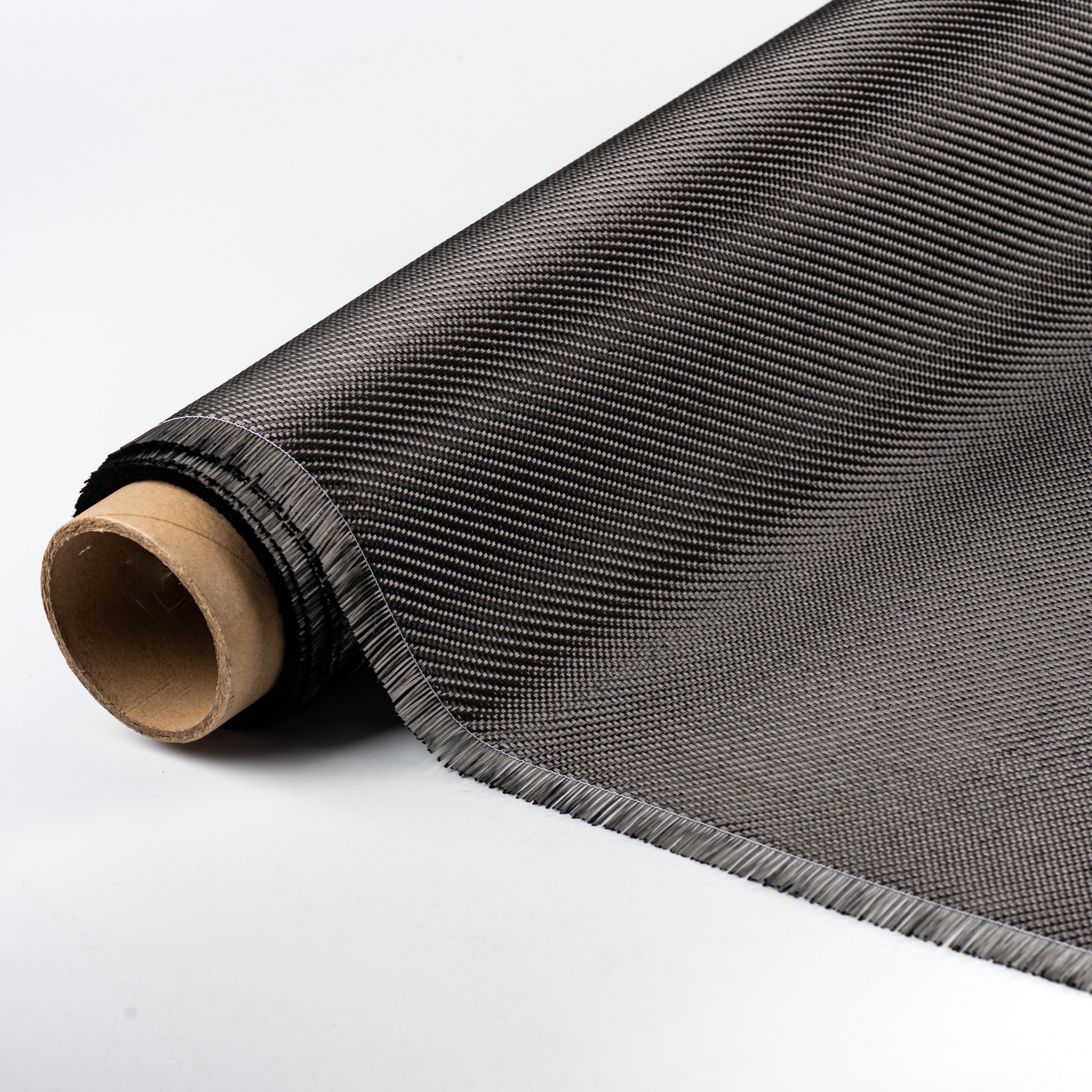
The evolution of composite materials has revolutionized manufacturing across aerospace, automotive, marine, and renewable energy sectors. Among the most significant advances in this field are multiaxial fabrics, which represent a sophisticated approach to reinforcement design that addresses the complex demands of modern engineering applications. These innovative textile structures combine fibers oriented in multiple directions within a single fabric layer, offering engineers unprecedented control over directional strength properties while maintaining manufacturing efficiency. Understanding how to effectively design with multiaxial fabrics requires careful consideration of the intricate relationships between structural performance, weight optimization, and production feasibility.
Understanding Multiaxial Fabric Architecture
Fiber Orientation Principles
The fundamental advantage of multiaxial fabrics lies in their ability to position reinforcing fibers precisely where structural loads will be applied. Unlike traditional woven fabrics that limit fiber orientations to 0° and 90°, multiaxial fabrics can incorporate fiber bundles at any angle, typically including ±45° orientations alongside the primary 0° and 90° directions. This multi-directional approach enables designers to create composite structures that efficiently resist complex loading conditions including tension, compression, shear, and torsional forces. The strategic placement of fibers in multiple orientations within a single fabric layer significantly reduces the number of plies required to achieve desired mechanical properties.
Manufacturing processes for multiaxial fabrics utilize advanced stitching or bonding techniques to hold the various fiber orientations in their predetermined positions during handling and resin infusion. The stitching yarns, typically polyester or other compatible materials, create minimal crimping in the structural fibers, preserving their load-carrying capacity. This construction method allows for rapid layup processes while maintaining precise control over fiber volume fractions and orientations. The resulting fabric architecture provides designers with a powerful tool for optimizing structural performance while simplifying manufacturing procedures.
Layer Configuration Strategies
Effective utilization of multiaxial fabrics requires careful consideration of layer stacking sequences and thickness distributions. Designers must analyze the specific loading conditions their components will experience and configure the fabric layers accordingly. For applications requiring high in-plane shear resistance, incorporating ±45° fiber orientations becomes critical. Components subjected to primary bending loads benefit from concentrating 0° fibers in the outer layers where bending stresses are highest. The ability to combine multiple fiber orientations in single fabric layers dramatically reduces the total number of plies needed compared to unidirectional tape layups.
The thickness and weight of individual multiaxial fabric layers can be customized based on specific design requirements. Heavy fabrics with high fiber areal weights are suitable for thick-section components where rapid buildup is desired, while lighter fabrics provide better conformability around complex geometries. Understanding the relationship between fabric weight, fiber orientation distribution, and final laminate properties enables designers to optimize their material selection for each specific application. This flexibility in layer configuration represents one of the primary advantages of multiaxial fabrics over traditional reinforcement formats.
Strength Optimization Through Design
Load Path Analysis and Fiber Placement
Optimizing strength in multiaxial fabric composites begins with comprehensive load path analysis to understand how forces flow through the component structure. This analysis reveals the primary, secondary, and tertiary load directions that must be reinforced through strategic fiber placement. Advanced finite element modeling tools help designers visualize stress distributions and identify critical areas where specific fiber orientations will provide maximum benefit. The goal is to align the highest concentration of fibers with the principal stress directions while ensuring adequate reinforcement in secondary directions to prevent unexpected failure modes.
The directional nature of multiaxial fabrics allows designers to create highly efficient structures where material is placed only where needed for structural performance. This targeted approach contrasts with quasi-isotropic layups that distribute reinforcement equally in all directions regardless of actual loading requirements. By concentrating fibers in critical load paths, components achieve superior strength-to-weight ratios compared to conventional fabric alternatives. The key lies in accurately predicting load distributions and translating this information into optimal fiber orientation schemes within the multiaxial fabric structure.
Failure Mode Prevention
Preventing catastrophic failures requires understanding the various failure modes that can occur in multiaxial fabric composites and designing appropriate countermeasures. Fiber-dominated failures typically occur when loads exceed the capacity of fibers aligned with the loading direction, while matrix-dominated failures involve shear, compression, or transverse loading of the resin system. Delamination between fabric layers represents another critical failure mode that must be addressed through proper interface design and processing parameters. Each of these failure mechanisms requires specific design considerations when working with multiaxial fabrics.
The multi-directional reinforcement provided by multiaxial fabrics inherently improves damage tolerance compared to unidirectional composites. When cracks initiate in one fiber direction, the perpendicular and angular fibers help arrest crack propagation and redistribute loads to undamaged regions. This damage tolerance characteristic makes multiaxial fabric composites particularly valuable in safety-critical applications where sudden failures must be avoided. Designers can further enhance damage tolerance by incorporating toughening agents in the resin matrix and optimizing the fabric architecture to promote favorable failure progression modes.
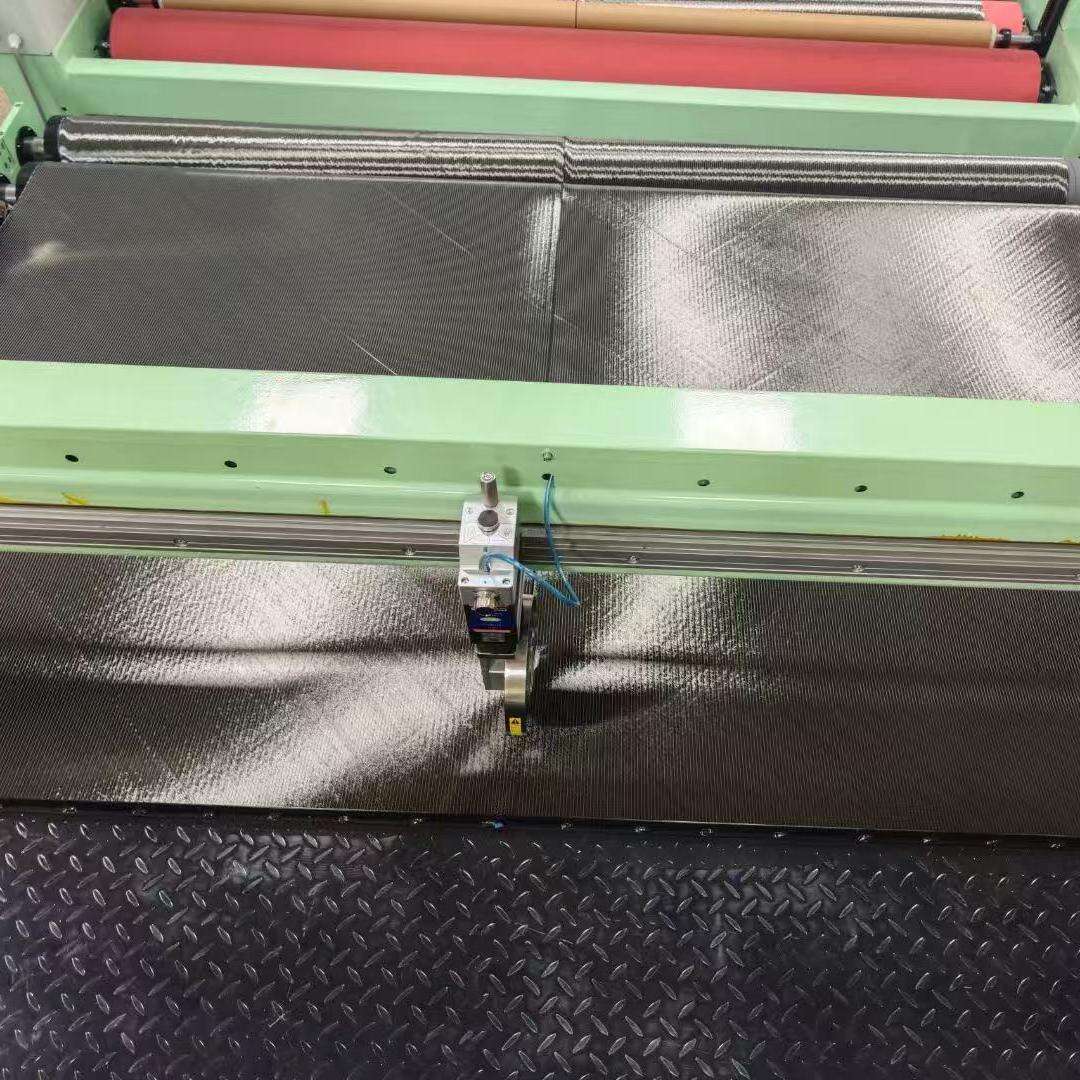
Weight Reduction Strategies
Material Efficiency Principles
Achieving optimal weight reduction with multiaxial fabrics requires a systematic approach to material efficiency that considers both structural requirements and manufacturing constraints. The primary advantage of these fabrics lies in their ability to eliminate excess material by placing reinforcement only where structural loads demand it. Traditional design approaches often rely on standard ply schedules that include unnecessary material to ensure adequate strength in all potential loading directions. Multiaxial fabrics enable more precise material placement, allowing designers to remove excess weight while maintaining or improving structural performance.
Weight optimization begins with accurate characterization of the loading environment and identification of critical stress concentrations. Advanced analysis techniques such as topology optimization can guide the selection of fiber orientations and local areal weights within multiaxial fabric structures. The goal is to achieve the minimum weight configuration that satisfies all strength, stiffness, and durability requirements. This approach often results in variable-thickness designs where material density varies across the component surface in response to local loading intensity.
Hybrid Reinforcement Concepts
Further weight reduction can be achieved by combining multiaxial fabrics with other reinforcement types in hybrid configurations. Carbon fiber provides exceptional strength and stiffness per unit weight but comes at higher cost, while glass fiber offers good performance at lower expense. Strategic placement of carbon fiber multiaxial fabrics in highly loaded regions, combined with glass fiber reinforcement in less critical areas, can optimize the overall cost-weight-performance balance. This hybrid approach allows designers to specify premium materials only where they provide maximum benefit.
Core materials such as foams, honeycombs, or balsa wood can be integrated with multiaxial fabric face sheets to create sandwich structures with exceptional stiffness-to-weight ratios. The multiaxial fabric skins carry in-plane loads and provide impact resistance, while the lightweight core material increases bending stiffness by separating the load-bearing skins. This sandwich construction approach represents one of the most effective methods for achieving ultra-lightweight structures when bending loads dominate the design requirements.
Manufacturing Considerations and Process Optimization
Resin Transfer and Infusion Techniques
The manufacturing success of multiaxial fabric composites depends heavily on selecting appropriate resin transfer processes that accommodate the unique characteristics of these reinforcement systems. The multiple fiber orientations and stitching patterns in multiaxial fabrics create complex flow paths that must be carefully managed during resin infusion. Vacuum-assisted resin transfer molding and resin film infusion techniques are commonly employed to ensure complete wet-out while minimizing void content. The permeability characteristics of multiaxial fabrics differ significantly from woven or unidirectional materials, requiring process parameter adjustments to achieve optimal results.
Flow modeling software helps predict resin flow patterns and identify potential dry spots or race-tracking issues before production begins. The stitching yarns in multiaxial fabrics can create preferential flow channels that may cause uneven resin distribution if not properly managed. Strategic placement of resin inlet and outlet ports, combined with appropriate flow media selection, ensures uniform resin saturation throughout the fabric structure. Temperature and pressure profiles must be optimized for each specific multiaxial fabric construction to achieve complete consolidation without fiber displacement or resin starvation.
Quality Control and Process Monitoring
Implementing effective quality control measures is essential when manufacturing with multiaxial fabrics due to their complex internal architecture. Visual inspection techniques can detect surface defects and obvious fiber misalignments, but advanced non-destructive testing methods are required to evaluate internal quality. Ultrasonic testing, computed tomography, and thermographic inspection provide insights into void content, delamination, and fiber orientation accuracy within the cured laminate. These quality assessment techniques help validate that the intended design properties have been achieved in the final component.
Process monitoring during manufacturing enables real-time adjustments to maintain consistent quality across production runs. Sensors for temperature, pressure, resin flow rate, and vacuum levels provide continuous feedback on process conditions. Statistical process control methods help identify trends that could lead to quality deviations before defective parts are produced. Documentation of process parameters and quality measurements creates a database that supports continuous improvement efforts and provides traceability for critical applications.
Design Integration and Application Examples
Aerospace Applications
The aerospace industry has been among the most aggressive adopters of multiaxial fabric technology due to its stringent requirements for weight reduction and structural performance. Commercial aircraft components such as wing panels, fuselage frames, and control surfaces benefit significantly from the tailored reinforcement capabilities of multiaxial fabrics. These applications typically involve complex loading conditions with multiple force directions that align well with the multi-directional reinforcement characteristics of these advanced textile structures. The ability to reduce part count through integrated design approaches further enhances the value proposition in aerospace applications.
Helicopter rotor blades represent another demanding application where multiaxial fabrics have proven their effectiveness. These components experience complex combinations of bending, torsion, and centrifugal loading that require carefully optimized fiber orientations throughout their structure. The damage tolerance characteristics of multiaxial fabrics provide essential safety margins in these critical flight components. Manufacturing efficiency gains from reduced layup complexity help offset the premium cost of advanced materials in these high-performance applications.
Automotive and Industrial Applications
The automotive industry utilizes multiaxial fabrics in applications ranging from structural body panels to performance components in racing vehicles. Hood panels, trunk lids, and door structures benefit from the weight reduction and design flexibility offered by these advanced reinforcement systems. The ability to mold complex geometries while maintaining precise fiber orientations enables automotive designers to create components that would be difficult or impossible to manufacture using traditional reinforcement methods. Cost considerations become more critical in automotive applications, driving the need for optimized material usage and efficient manufacturing processes.
Wind energy represents a rapidly growing market for multiaxial fabric applications, particularly in turbine blade manufacturing. The large size and complex loading conditions of wind turbine blades align well with the capabilities of multiaxial fabrics to provide tailored reinforcement. Blade designs typically require high axial stiffness combined with adequate resistance to fatigue loading from wind-induced vibrations. The manufacturing efficiency advantages of multiaxial fabrics become particularly important in these large-scale production applications where labor costs represent a significant portion of total manufacturing expenses.
Future Developments and Technology Trends
Advanced Fiber Integration
Emerging developments in multiaxial fabric technology focus on incorporating advanced fiber types and hybrid constructions that further expand design possibilities. Ultra-high-modulus carbon fibers, basalt fibers, and bio-based reinforcement materials are being integrated into multiaxial fabric structures to address specific performance requirements and sustainability goals. These advanced fiber systems require modifications to existing manufacturing processes and may necessitate new approaches to quality control and performance verification. The integration of sensors and smart materials into multiaxial fabric structures represents another frontier that could enable real-time health monitoring of composite components.
Three-dimensional weaving and braiding technologies are being adapted to create multiaxial fabric structures with through-thickness reinforcement, addressing one of the traditional limitations of laminated composite construction. These 3D multiaxial fabrics offer improved delamination resistance and impact tolerance while maintaining the in-plane design flexibility that makes multiaxial fabrics attractive. The increased complexity of these structures requires sophisticated modeling tools and manufacturing processes, but the potential performance benefits justify the additional development investment for demanding applications.
Digital Manufacturing Integration
The future of multiaxial fabric utilization increasingly involves integration with digital manufacturing technologies that enable mass customization and automated production. Automated tape laying and fiber placement systems are being adapted to handle multiaxial fabrics, potentially reducing labor costs while improving consistency. Digital twin concepts allow virtual optimization of both component design and manufacturing processes before physical production begins. Machine learning algorithms are being developed to optimize fiber orientations and process parameters based on historical performance data and real-time manufacturing feedback.
Additive manufacturing techniques are being explored for creating custom multiaxial fabric preforms that precisely match component geometries and loading requirements. These approaches could eliminate the material waste associated with cutting standard fabric formats to fit complex shapes. The combination of generative design algorithms with multiaxial fabric capabilities promises to unlock new levels of structural efficiency that would be impossible to achieve through traditional design methods. The integration of these advanced technologies will likely accelerate the adoption of multiaxial fabrics across a broader range of industrial applications.
FAQ
What are the primary advantages of multiaxial fabrics over traditional woven reinforcements
Multiaxial fabrics offer several key advantages including the ability to orient fibers in optimal directions for specific loading conditions, reduced crimp compared to woven fabrics which preserves fiber strength, faster layup processes due to multiple orientations in single layers, and improved design flexibility for complex geometries. These benefits typically result in stronger, lighter components with reduced manufacturing time compared to traditional woven fabric approaches.
How do I determine the optimal fiber orientations for my specific application
Optimal fiber orientations should be determined through comprehensive load analysis using finite element modeling to identify principal stress directions in your component. Start by understanding the primary loading conditions, then align the highest concentration of fibers with major load paths while ensuring adequate reinforcement in secondary directions. Consider factors such as manufacturing constraints, material availability, and cost when making final orientation decisions.
What manufacturing processes work best with multiaxial fabrics
Vacuum-assisted resin transfer molding, resin film infusion, and prepreg compression molding are commonly used with multiaxial fabrics. The choice depends on part size, production volume, and quality requirements. These processes must account for the unique flow characteristics created by multiple fiber orientations and stitching patterns. Proper tooling design and process parameter optimization are critical for achieving consistent results with multiaxial fabric reinforcements.
How do multiaxial fabrics compare in cost to other reinforcement options
While multiaxial fabrics typically cost more per pound than basic woven fabrics, they often provide better overall value through reduced material usage, faster manufacturing, and improved performance. The ability to eliminate excess plies and reduce layup time frequently offsets the higher material cost. For high-performance applications, the weight savings and improved properties justify the premium cost compared to conventional reinforcement systems.
Table of Contents
- Understanding Multiaxial Fabric Architecture
- Strength Optimization Through Design
- Weight Reduction Strategies
- Manufacturing Considerations and Process Optimization
- Design Integration and Application Examples
- Future Developments and Technology Trends
-
FAQ
- What are the primary advantages of multiaxial fabrics over traditional woven reinforcements
- How do I determine the optimal fiber orientations for my specific application
- What manufacturing processes work best with multiaxial fabrics
- How do multiaxial fabrics compare in cost to other reinforcement options