
 EN
EN

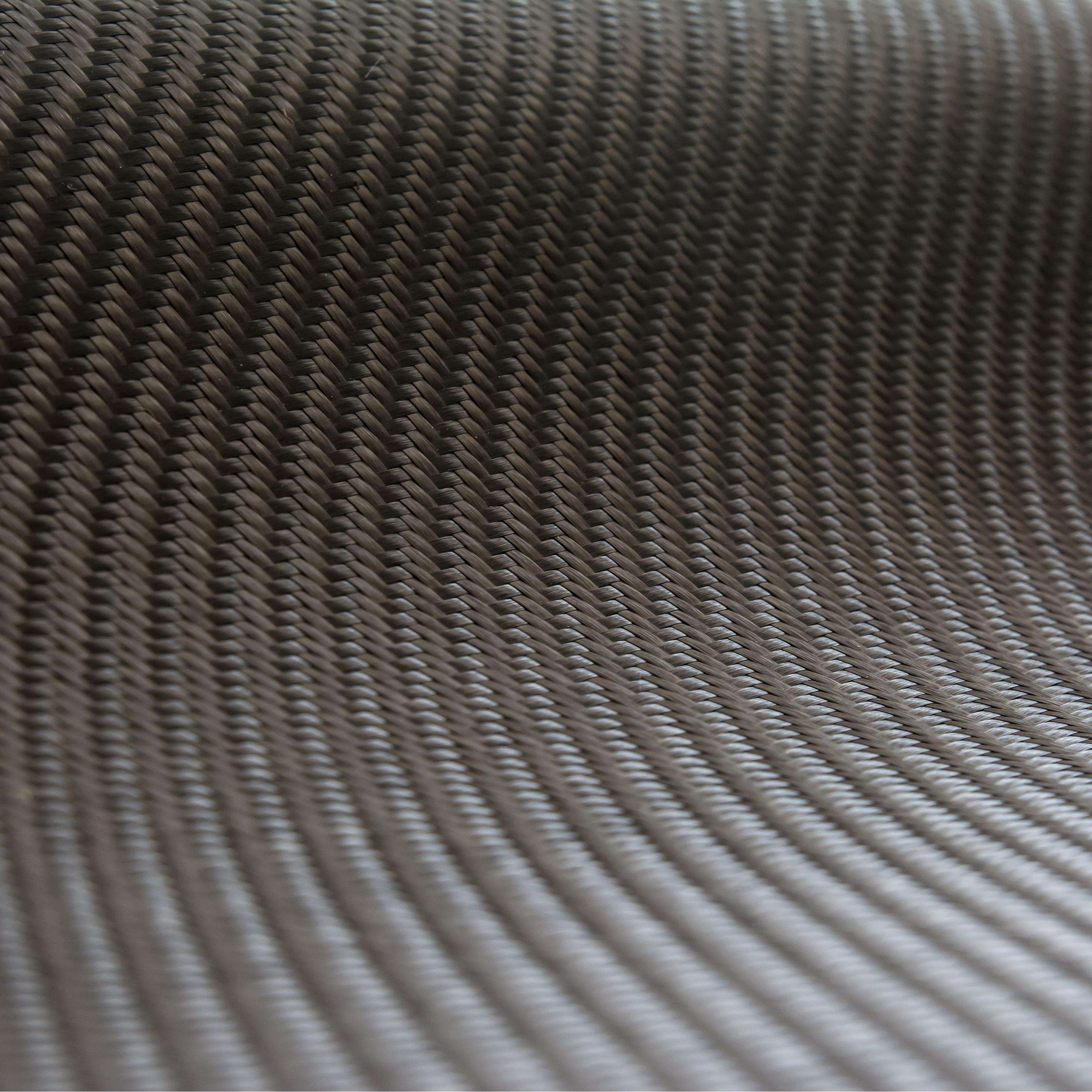
Manufacturing industries worldwide are increasingly turning to advanced composite materials to meet growing demands for stronger, lighter, and more durable products. Among these innovations, multiaxial fabrics have emerged as a game-changing solution for large-scale production operations. These specialized textile reinforcements offer unique structural properties that traditional woven fabrics cannot match, making them particularly attractive for industries ranging from aerospace to renewable energy. Understanding the cost-effectiveness of multiaxial fabrics in high-volume manufacturing requires examining both their immediate production benefits and long-term operational advantages.
Understanding Multiaxial Fabric Technology
Structural Composition and Design Principles
Multiaxial fabrics represent a sophisticated approach to textile engineering where fibers are oriented in multiple directions within a single fabric layer. Unlike traditional woven materials that follow a simple over-under pattern, multiaxial fabrics incorporate fibers running at various angles, typically including 0°, 45°, -45°, and 90° orientations. This multi-directional fiber arrangement creates exceptional mechanical properties that are particularly valuable in composite manufacturing applications. The precise control over fiber orientation allows engineers to optimize material performance for specific load paths and stress distributions.
The manufacturing process of multiaxial fabrics involves advanced stitching techniques that bind different fiber layers together without crimping or weaving them. This stitching process maintains the straight fiber paths, which is crucial for maximizing the strength-to-weight ratio of the final composite product. Modern multiaxial fabrics can incorporate various fiber types including carbon, glass, aramid, and natural fibers, allowing manufacturers to tailor the fabric properties to specific application requirements. The ability to combine different fiber types within a single fabric structure provides unprecedented design flexibility.
Performance Advantages in Composite Applications
The unique structure of multiaxial fabrics delivers significant performance benefits compared to traditional reinforcement materials. The straight fiber paths in multiaxial fabrics result in higher mechanical properties, as the fibers can carry loads more efficiently without the strength reduction associated with crimp in woven fabrics. This improved load transfer capability translates directly into lighter, stronger composite structures, which is particularly important in weight-sensitive applications such as automotive and aerospace manufacturing.
Additionally, multiaxial fabrics offer superior drapability and conformability to complex geometries, reducing the need for complex cutting patterns and minimizing material waste during layup operations. The stitching system holds the fiber layers in place during handling and processing, improving manufacturing efficiency and reducing the likelihood of fiber displacement or wrinkles in the final component. These handling characteristics become increasingly important in large-scale production environments where consistency and efficiency are paramount.
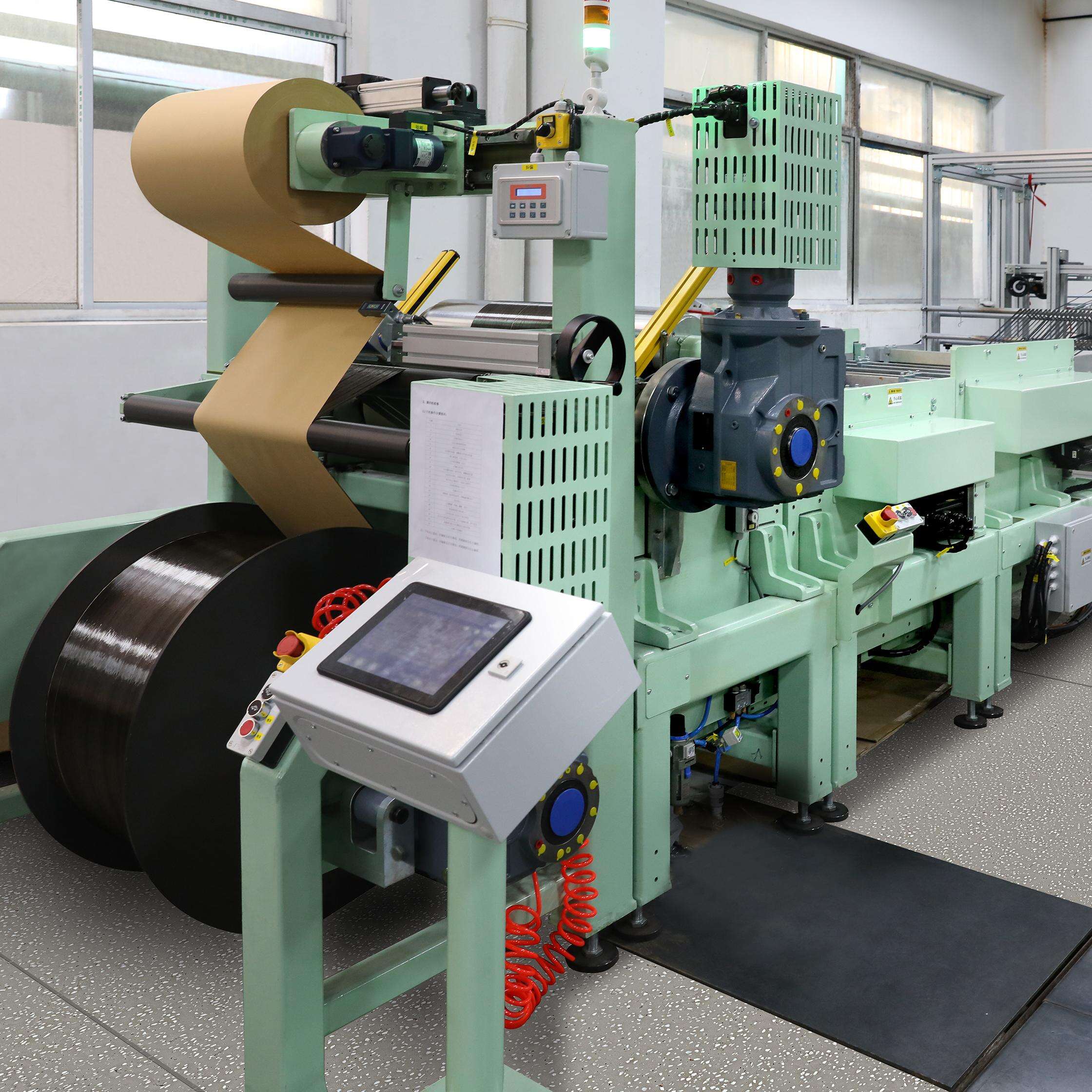
Production Economics and Cost Analysis
Initial Investment Considerations
When evaluating the cost-effectiveness of multiaxial fabrics for large-scale production, manufacturers must consider both the higher initial material costs and the potential savings in processing and finished product performance. While multiaxial fabrics typically command a premium price compared to standard woven materials, this cost differential must be weighed against the overall production economics. The advanced manufacturing processes required to produce multiaxial fabrics involve sophisticated equipment and precise quality control measures, contributing to their higher unit cost.
However, the superior handling characteristics and processing efficiency of multiaxial fabrics can offset much of this initial cost premium in high-volume applications. The reduced labor time required for cutting, laying up, and positioning multiaxial fabrics translates into significant cost savings in manufacturing operations. Furthermore, the improved consistency and repeatability achieved with multiaxial fabrics reduces scrap rates and quality control issues, contributing to overall production cost reduction.
Manufacturing Efficiency Gains
Large-scale production operations benefit significantly from the manufacturing efficiency improvements that multiaxial fabrics provide. The ability to achieve desired fiber orientations in a single fabric layer reduces the number of plies required in a laminate stack, simplifying the layup process and reducing cycle times. This streamlined manufacturing approach is particularly valuable in automated production systems where consistency and speed are critical factors. The reduced handling time per component directly translates into higher throughput and lower labor costs per unit.
The dimensional stability of multiaxial fabrics during processing also contributes to manufacturing efficiency by reducing the need for repositioning and adjustment during layup operations. This stability is achieved through the stitching system that maintains fiber alignment and prevents layer separation, even when handling large fabric pieces. In automated manufacturing systems, this consistency enables more reliable robotic handling and placement operations, further improving production efficiency and reducing the risk of defects.
Industry-Specific Applications and Benefits
Automotive Manufacturing Advantages
The automotive industry has embraced multiaxial fabrics as a key enabler for lightweight vehicle design and improved fuel efficiency. In large-scale automotive production, multiaxial fabrics offer particular advantages in manufacturing complex structural components such as body panels, chassis reinforcements, and crash energy management structures. The ability to tailor fiber orientations to match the specific load paths in automotive applications results in optimized weight-to-performance ratios that are difficult to achieve with traditional reinforcement materials.
The fast cure cycles required in automotive manufacturing also favor multiaxial fabrics due to their excellent resin flow characteristics and reduced thickness compared to multiple layers of woven fabric. This improved processing behavior enables shorter cycle times and higher production throughput, critical factors in meeting the volume demands of automotive production. The consistent quality and performance of parts manufactured with multiaxial fabrics also reduces warranty costs and improves overall vehicle reliability.
Renewable Energy Sector Applications
Wind energy applications represent one of the largest growth markets for multiaxial fabrics, particularly in the manufacturing of wind turbine blades. The large size and complex geometry of modern wind turbine blades make them ideal candidates for multiaxial fabric reinforcement, where the ability to conform to complex curves while maintaining optimal fiber orientations is crucial. The superior fatigue resistance of multiaxial fabrics is particularly important in wind energy applications, where components must withstand millions of load cycles over their operational lifetime.
In large-scale wind blade manufacturing, multiaxial fabrics enable the production of longer, more efficient blades while maintaining structural integrity and reducing weight. The improved manufacturing efficiency achieved with multiaxial fabrics is particularly valuable in wind energy applications, where the large size of components makes handling and processing time significant cost factors. The ability to reduce the number of fabric layers while maintaining structural performance directly translates into reduced material costs and faster production cycles.
Long-Term Economic Benefits
Lifecycle Cost Considerations
The true cost-effectiveness of multiaxial fabrics in large-scale production becomes most apparent when considering the entire product lifecycle. The superior mechanical properties and durability of components manufactured with multiaxial fabrics often result in longer service life and reduced maintenance requirements. This improved durability translates into significant cost savings for end users and can justify higher initial material costs through reduced total cost of ownership.
In applications where weight reduction is critical, such as aerospace or transportation, the fuel savings achieved through lighter components can provide substantial economic benefits over the product lifetime. The ability of multiaxial fabrics to deliver these weight reductions while maintaining or improving structural performance makes them particularly attractive for large-scale production in weight-sensitive applications. These lifecycle benefits often outweigh the initial cost premium, making multiaxial fabrics the more economical choice in the long term.
Market Competitiveness and Innovation
Companies that adopt multiaxial fabrics in their large-scale production operations often gain significant competitive advantages in their respective markets. The superior performance characteristics enabled by multiaxial fabrics allow manufacturers to offer products with enhanced capabilities, potentially commanding premium prices in the marketplace. This market differentiation can more than offset the higher material costs associated with multiaxial fabrics, creating a positive return on investment.
The innovation potential unlocked by multiaxial fabrics also provides long-term economic benefits by enabling the development of next-generation products that would not be feasible with traditional materials. As industries continue to push the boundaries of performance and efficiency, the advanced capabilities of multiaxial fabrics position manufacturers to meet future market demands while maintaining cost competitiveness in large-scale production scenarios.
FAQ
What factors determine the cost-effectiveness of multiaxial fabrics in large-scale production
The cost-effectiveness of multiaxial fabrics in large-scale production depends on several key factors including production volume, part complexity, performance requirements, and manufacturing process efficiency. Higher production volumes generally favor multiaxial fabrics due to economies of scale in material procurement and the amortization of any process optimization investments. Part complexity also plays a crucial role, as multiaxial fabrics provide greater benefits in complex geometries where traditional materials would require multiple layers or complex cutting patterns. Performance requirements such as weight targets, strength specifications, and durability expectations must be balanced against material costs to determine overall value proposition.
How do multiaxial fabrics compare to traditional woven materials in terms of processing efficiency
Multiaxial fabrics typically offer superior processing efficiency compared to traditional woven materials in large-scale production environments. The ability to achieve multiple fiber orientations in a single layer reduces layup time and complexity, while the stitching system maintains fiber alignment and prevents layer separation during handling. This results in faster cycle times, reduced labor requirements, and improved consistency in manufacturing operations. The superior drapability of multiaxial fabrics also reduces the need for complex cutting patterns and minimizes material waste, further improving overall processing efficiency.
What industries benefit most from using multiaxial fabrics in large-scale production
Industries that benefit most from multiaxial fabrics in large-scale production include automotive, aerospace, renewable energy, marine, and construction. The automotive industry leverages multiaxial fabrics for lightweighting initiatives and improved crash performance, while aerospace applications focus on weight reduction and structural efficiency. The renewable energy sector, particularly wind energy, utilizes multiaxial fabrics for large turbine blades that require superior fatigue resistance and manufacturing efficiency. Marine and construction industries benefit from the durability and corrosion resistance properties that multiaxial fabrics can provide in harsh environmental conditions.
How do quality and consistency factors impact the economics of multiaxial fabrics
Quality and consistency are critical economic factors when using multiaxial fabrics in large-scale production. The superior dimensional stability and handling characteristics of multiaxial fabrics typically result in lower scrap rates and reduced quality control issues compared to traditional materials. This improved consistency translates directly into cost savings through reduced waste, fewer rejected parts, and lower quality control expenses. The predictable performance characteristics of multiaxial fabrics also enable tighter manufacturing tolerances and more reliable production processes, further contributing to overall economic benefits in high-volume applications.
Table of Contents
- Understanding Multiaxial Fabric Technology
- Production Economics and Cost Analysis
- Industry-Specific Applications and Benefits
- Long-Term Economic Benefits
-
FAQ
- What factors determine the cost-effectiveness of multiaxial fabrics in large-scale production
- How do multiaxial fabrics compare to traditional woven materials in terms of processing efficiency
- What industries benefit most from using multiaxial fabrics in large-scale production
- How do quality and consistency factors impact the economics of multiaxial fabrics