
 EN
EN

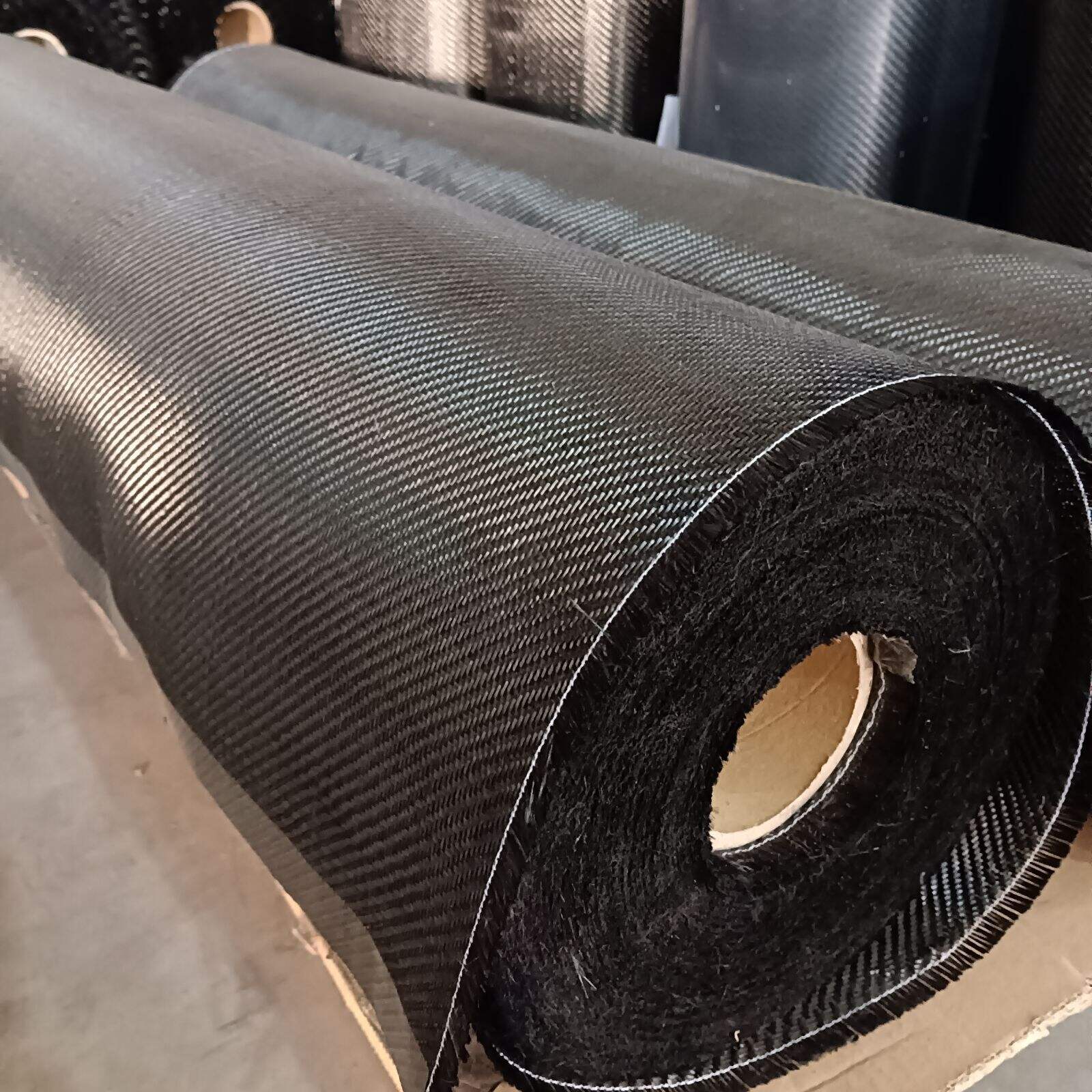
Modern composite manufacturing faces increasing pressure to deliver high-performance parts faster and more efficiently than ever before. Traditional layup processes often require multiple fabric layers oriented in different directions, creating time-intensive procedures that can introduce variability and potential defects. Multiaxial fabrics represent a revolutionary approach to composite construction, combining multiple fiber orientations into a single textile structure that dramatically simplifies the manufacturing process while maintaining superior mechanical properties.
The aerospace, automotive, marine, and renewable energy industries increasingly rely on composite materials to achieve weight reduction goals without compromising structural integrity. However, conventional fabric layup techniques present significant challenges in terms of production speed, labor costs, and quality consistency. Multiaxial fabrics address these concerns by integrating multiple fiber directions within a single reinforcement layer, enabling manufacturers to achieve complex fiber architectures with fewer manufacturing steps and reduced potential for human error.
Understanding Multiaxial Fabric Architecture
Structural Design Principles
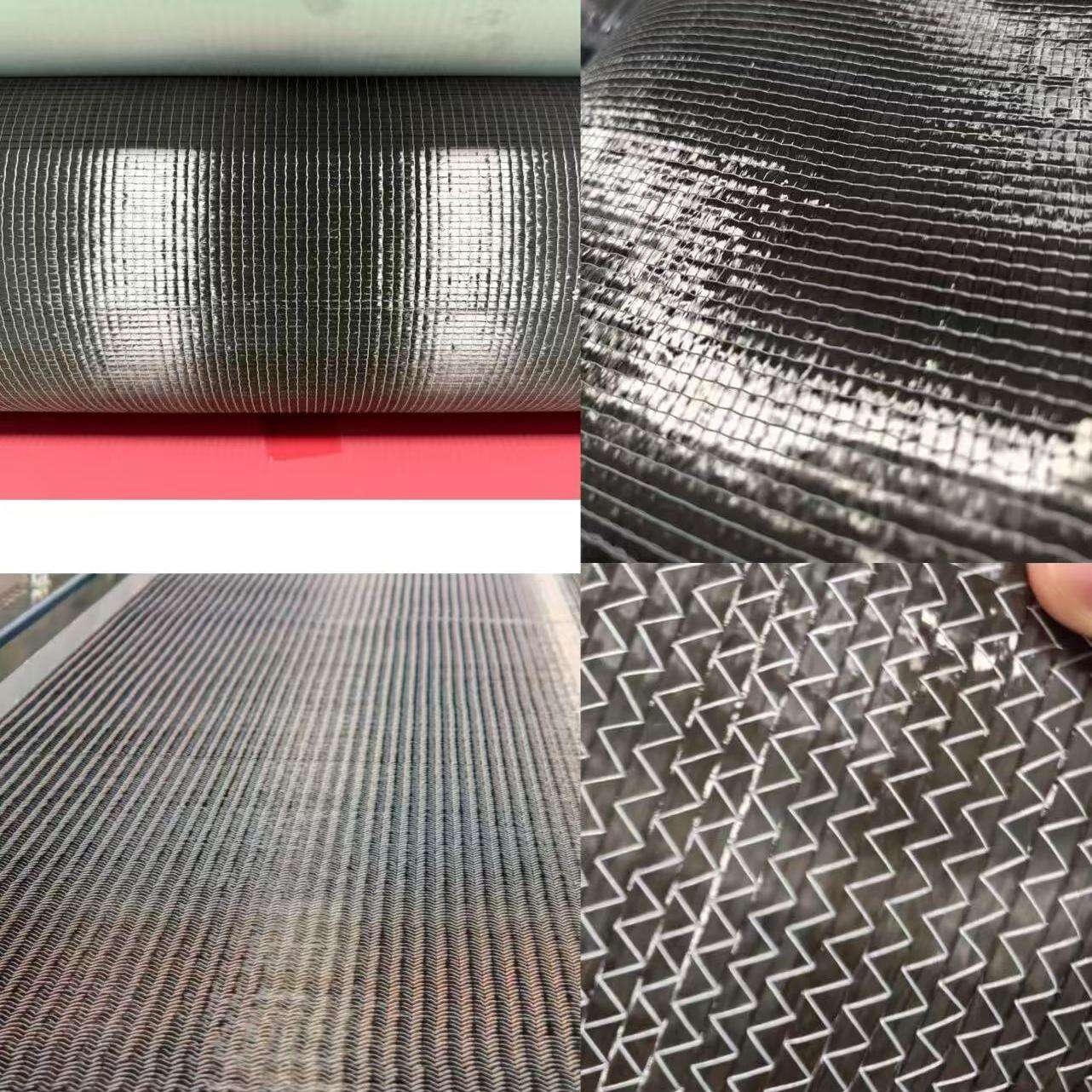
Multiaxial fabrics feature multiple layers of continuous fibers oriented at predetermined angles, typically including 0°, +45°, -45°, and 90° orientations within a single consolidated structure. Unlike traditional woven fabrics where fibers follow an over-under pattern that can create crimp and reduce mechanical properties, multiaxial fabrics maintain straight fiber paths for optimal load transfer. The fiber layers are held together by lightweight stitching threads or adhesive binders that minimally impact the overall composite performance.
This architectural approach allows engineers to precisely control fiber orientations and volume fractions in each direction, optimizing the fabric construction for specific loading conditions. The result is a tailored reinforcement that delivers exactly the mechanical properties required for each application while eliminating the guesswork associated with manual fiber placement. Advanced multiaxial fabrics can incorporate up to eight different fiber orientations within a single textile structure, providing unprecedented design flexibility.
Material Integration Options
Contemporary multiaxial fabrics accommodate various fiber types including carbon, glass, aramid, and natural fibers depending on performance requirements and cost considerations. Hybrid constructions combining different fiber types within the same fabric structure enable designers to optimize properties such as stiffness, impact resistance, and thermal expansion characteristics. Some multiaxial fabrics integrate core materials like foam or honeycomb directly into the textile structure, creating sandwich constructions that maximize bending stiffness while minimizing weight.
The stitching systems used to consolidate multiaxial fabrics range from simple tricot knitting to complex multibar constructions that can accommodate varying fabric thicknesses and fiber types. Modern stitching technologies ensure minimal fiber distortion while providing sufficient through-thickness reinforcement to prevent delamination during handling and processing. These binding systems can be engineered to dissolve or soften during resin infusion, further reducing their impact on final composite properties.
Manufacturing Process Advantages
Layup Time Reduction
Traditional composite layup processes require careful placement and orientation of individual fabric plies, with each layer adding complexity and potential for misalignment errors. Multiaxial fabrics consolidate multiple fiber orientations into single plies, reducing layup time by up to 60% compared to conventional methods. This time savings translates directly into reduced labor costs and increased production throughput, making composite manufacturing more economically competitive with traditional materials.
The reduction in handling steps also minimizes contamination risks and fiber damage that can occur during repeated material manipulation. Each multiaxial fabric ply replaces what would traditionally require three to five separate fabric layers, dramatically simplifying inventory management and reducing the potential for orientation errors. Automated layup equipment can process multiaxial fabrics more efficiently due to their consolidated structure and reduced number of individual plies required for each laminate.
Quality Consistency Improvements
Multiaxial fabrics provide superior dimensional stability compared to traditional fabric systems, reducing the likelihood of wrinkles, bridging, and fiber misalignment that can compromise composite performance. The integrated structure prevents individual fiber layers from shifting during handling and processing, ensuring consistent fiber volume fractions and orientations throughout the finished part. This stability is particularly beneficial for complex geometries where traditional fabrics might experience excessive draping distortion.
Quality control becomes more straightforward with multiaxial fabrics since technicians need to verify the placement and orientation of fewer individual plies. The reduced number of interfaces between fabric layers also minimizes the potential for interlaminar defects such as dry spots or resin-rich areas that can significantly impact mechanical properties. Statistical process control data consistently shows reduced variability in mechanical properties when multiaxial fabrics replace traditional layup sequences.
Performance Characteristics and Benefits
Mechanical Property Optimization
The straight fiber architecture inherent in multiaxial fabrics delivers superior mechanical properties compared to woven fabrics of equivalent weight. Tensile and compressive strengths can be 15-25% higher due to the elimination of fiber crimp that weakens traditional woven structures. This performance advantage allows designers to reduce material thickness while maintaining required strength levels, contributing to overall weight savings in the finished component.
Fatigue performance often shows marked improvement with multiaxial fabrics due to reduced stress concentrations at fiber crossover points. The controlled fiber architecture also enables more predictable failure modes, improving the reliability of structural analysis and design calculations. Impact resistance can be enhanced through strategic placement of off-axis fibers that distribute impact energy more effectively than traditional cross-ply laminates.
Processing Compatibility
Multiaxial fabrics demonstrate excellent compatibility with various composite manufacturing processes including resin transfer molding (RTM), vacuum assisted resin transfer molding (VARTM), and prepreg autoclave processing. The open structure typically provides good resin flow characteristics while maintaining dimensional stability during infusion processes. Specialized multiaxial fabrics designed for liquid composite molding processes feature optimized stitching patterns that create preferential flow channels for more efficient resin distribution.
The consolidated structure of multiaxial fabrics reduces the tendency for individual plies to float or separate during resin infusion, a common problem with traditional fabric stacks. This stability ensures consistent fiber-to-resin ratios throughout the part and reduces the likelihood of dry spots or void formation. Processing temperatures and cure cycles typically require no modification when converting from traditional fabrics to multiaxial alternatives.
Industry Applications and Case Studies
Aerospace Manufacturing
Commercial aircraft manufacturers have embraced multiaxial fabrics for both primary and secondary structural components where weight savings and manufacturing efficiency are critical. Wing skins, fuselage panels, and control surfaces commonly utilize multiaxial fabrics to achieve the complex fiber orientations required for optimal load paths while reducing production time and costs. The consistent quality and reduced variability associated with multiaxial fabrics also support the stringent certification requirements typical of aerospace applications.
Space applications benefit from the dimensional stability and reduced outgassing characteristics of modern multiaxial fabrics. Satellite structures and launch vehicle components utilize these materials to achieve high specific strength while maintaining precise dimensional tolerances throughout their operational life. The ability to tailor fiber orientations precisely enables spacecraft designers to optimize structures for the unique loading conditions encountered during launch and orbital operations.
Automotive Industry Integration
High-performance automotive applications increasingly specify multiaxial fabrics for body panels, chassis components, and drivetrain parts where both weight reduction and manufacturing efficiency are essential. The rapid processing capabilities enabled by multiaxial fabrics align well with automotive production volumes and cycle time requirements. Carbon fiber multiaxial fabrics find particular application in motorsports where the combination of performance and manufacturing speed provides competitive advantages.
Electric vehicle manufacturers appreciate the design flexibility offered by multiaxial fabrics for battery enclosures and structural battery packs where specific fiber orientations optimize both mechanical performance and thermal management. The ability to integrate different fiber types within a single fabric structure enables engineers to balance electrical, thermal, and mechanical requirements simultaneously. Mass production techniques for automotive composites increasingly rely on multiaxial fabrics to achieve the cost and cycle time targets necessary for commercial viability.
Cost-Benefit Analysis
Direct Manufacturing Savings
While multiaxial fabrics typically carry a premium of 20-40% over equivalent weights of traditional woven fabrics, the total manufacturing cost equation often favors multiaxial solutions due to significant labor savings and reduced processing time. The consolidation of multiple plies into single layers reduces cutting, handling, and placement labor by substantial margins. Material waste decreases due to improved nesting efficiency and reduced trimming requirements associated with simplified layup schedules.
Tooling costs may also decrease since multiaxial fabrics often conform better to complex geometries without requiring additional forming aids or complex layup fixtures. The reduced number of individual plies simplifies quality control procedures and reduces inspection time, contributing to overall cost reductions. Inventory management becomes more straightforward with fewer individual materials to track and store, reducing overhead costs and simplifying supply chain logistics.
Long-term Economic Benefits
The improved mechanical properties achievable with multiaxial fabrics often enable part consolidation opportunities where multiple components can be combined into single integrated structures. This consolidation reduces assembly costs, eliminates fasteners, and improves overall system reliability. The enhanced fatigue performance of multiaxial fabric composites can extend service life and reduce maintenance requirements, providing long-term operational savings.
Quality improvements associated with multiaxial fabrics typically result in reduced scrap rates and rework costs, contributing to improved manufacturing yields. The predictable nature of multiaxial fabric processing also reduces process development time for new applications, accelerating time-to-market for new products. These factors combine to create compelling economic arguments for multiaxial fabric adoption across various industries.
Design Considerations and Optimization
Fiber Architecture Selection
Selecting appropriate multiaxial fabric architectures requires careful consideration of the intended loading conditions and manufacturing constraints. Standard configurations like 0°/+45°/-45°/90° provide balanced properties suitable for general applications, while specialized constructions can be tailored for specific load cases such as torsion-dominated or bending-critical components. The relative proportion of fibers in each direction can be adjusted to optimize performance for particular applications.
Advanced finite element analysis tools increasingly incorporate multiaxial fabric properties directly, enabling designers to optimize fabric selection during the conceptual design phase. Progressive failure analysis capabilities help identify optimal fiber orientations for damage tolerance and fail-safe design requirements. The ability to specify exact fiber orientations and proportions within multiaxial fabrics provides designers with unprecedented control over composite laminate properties.
Processing Parameter Optimization
Successful implementation of multiaxial fabrics requires optimization of processing parameters including resin flow rates, consolidation pressures, and cure profiles. The higher fiber volume fractions achievable with multiaxial fabrics may require adjustment of resin formulations to ensure complete wet-out while maintaining processability. Flow modeling software can predict resin distribution patterns and optimize gate locations for complex parts manufactured with multiaxial fabrics.
Temperature control becomes particularly important when processing thick multiaxial fabric laminates where exothermic cure reactions can create thermal gradients that induce residual stresses. Staged cure profiles and controlled heating rates help minimize these effects while ensuring complete cure throughout the laminate thickness. Process monitoring systems can track cure progression and identify potential issues before they result in part defects.
Future Developments and Innovations
Advanced Material Integration
Emerging multiaxial fabric technologies integrate functional fibers such as conductive carbon nanotubes, shape memory alloys, and optical fibers directly into the textile structure. These smart multiaxial fabrics enable composite parts with integrated sensing, actuation, or electrical functionality without requiring secondary assembly operations. Structural health monitoring capabilities can be embedded during the fabric manufacturing process, creating composites with built-in diagnostic capabilities.
Bio-based and recycled fiber options continue expanding within multiaxial fabric offerings as sustainability concerns drive material selection decisions. Natural fiber multiaxial fabrics utilizing flax, hemp, or basalt fibers provide environmentally friendly alternatives for applications where ultimate performance is less critical than environmental impact. Hybrid constructions combining natural and synthetic fibers optimize both performance and sustainability characteristics.
Manufacturing Technology Evolution
Automated placement systems specifically designed for multiaxial fabrics continue advancing to handle larger, more complex fabric architectures with improved precision and speed. Vision systems and feedback control enable real-time correction of placement errors and optimize fabric conformance to complex tool surfaces. Integration with digital manufacturing systems provides complete traceability and quality documentation throughout the production process.
Three-dimensional multiaxial fabrics represent the next evolution in textile reinforcement technology, providing through-thickness reinforcement that significantly improves interlaminar strength and damage tolerance. These 3D structures eliminate the need for separate core materials in sandwich constructions while providing superior impact resistance and compression-after-impact performance. Near-net-shape 3D multiaxial preforms can be woven directly into final part geometries, virtually eliminating cutting waste and reducing manufacturing steps.
FAQ
What are the main differences between multiaxial fabrics and traditional woven fabrics
Multiaxial fabrics feature straight, uncrimped fibers arranged in multiple predetermined directions and held together by lightweight stitching, while woven fabrics use an interlaced over-under pattern that creates fiber crimp. This fundamental difference means multiaxial fabrics deliver 15-25% higher mechanical properties due to optimized fiber architecture. Multiaxial fabrics also consolidate multiple fiber orientations into single plies, reducing layup time and complexity compared to building equivalent laminates with traditional woven materials.
How do multiaxial fabrics impact manufacturing cycle times
Multiaxial fabrics typically reduce composite layup time by 40-60% compared to traditional methods because single multiaxial plies replace multiple individual fabric layers. This consolidation decreases handling steps, reduces orientation errors, and simplifies quality control procedures. The improved dimensional stability of multiaxial fabrics also reduces processing issues like wrinkles and bridging that can cause production delays, while their compatibility with automated placement systems further accelerates manufacturing cycles.
Can existing composite manufacturing equipment process multiaxial fabrics
Most existing composite manufacturing equipment can process multiaxial fabrics with minimal or no modification since these materials are compatible with standard processes like RTM, VARTM, autoclave, and compression molding. The main considerations involve adjusting resin flow rates and consolidation pressures to accommodate the potentially higher fiber volume fractions achievable with multiaxial fabrics. Some facilities may benefit from updated cutting equipment designed to handle the thicker, more consolidated structure of multiaxial materials, but this is not always necessary.
What cost factors should be considered when evaluating multiaxial fabrics
While multiaxial fabrics cost 20-40% more per pound than equivalent traditional fabrics, the total manufacturing cost equation often favors multiaxial solutions due to significant labor savings, reduced processing time, and improved yields. Key cost benefits include reduced layup labor, simplified inventory management, lower scrap rates, and decreased tooling complexity. The superior mechanical properties of multiaxial fabrics may also enable material optimization that reduces total material usage, while improved quality consistency reduces rework and warranty costs over the product lifecycle.