
 EN
EN

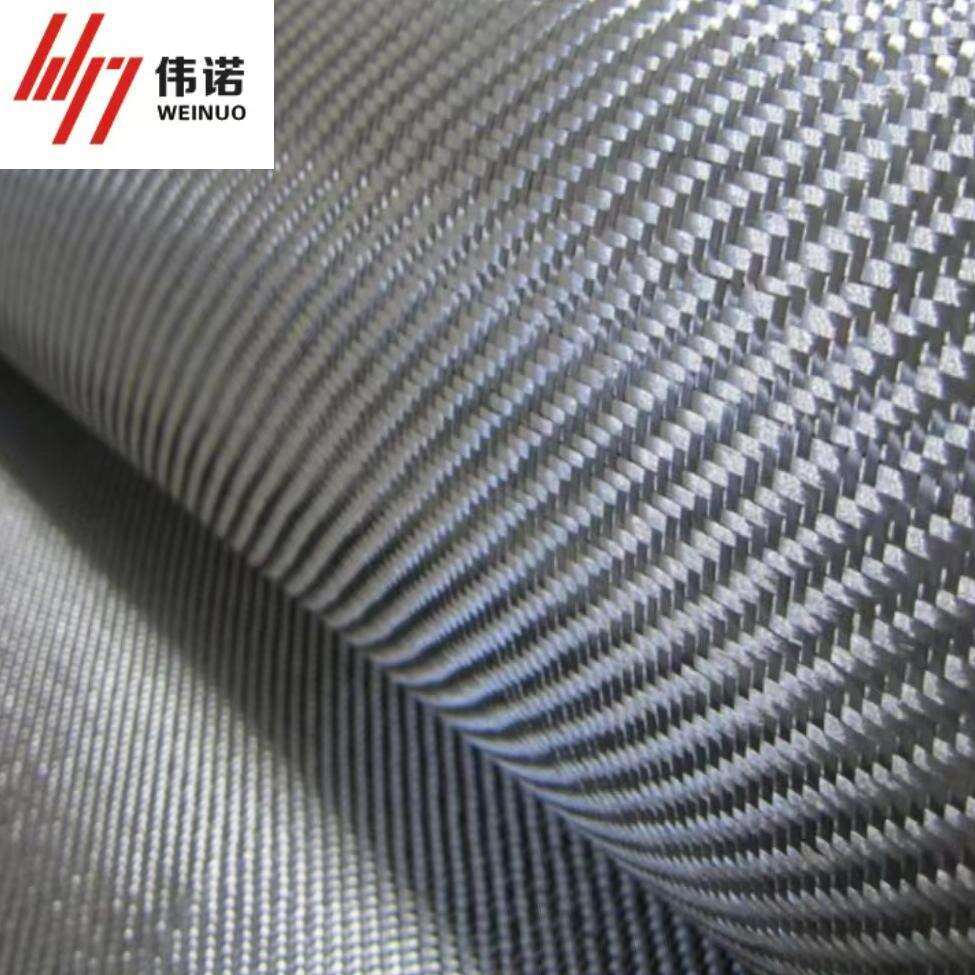
The textile industry has witnessed remarkable advancements in fabric engineering, particularly in the development of specialized materials for high-performance applications. Among these innovations, multiaxial fabrics have emerged as a superior alternative to traditional unidirectional materials in numerous industrial sectors. These advanced textile structures offer enhanced mechanical properties, improved design flexibility, and greater efficiency in manufacturing processes, making them increasingly valuable for applications ranging from aerospace components to automotive reinforcements.
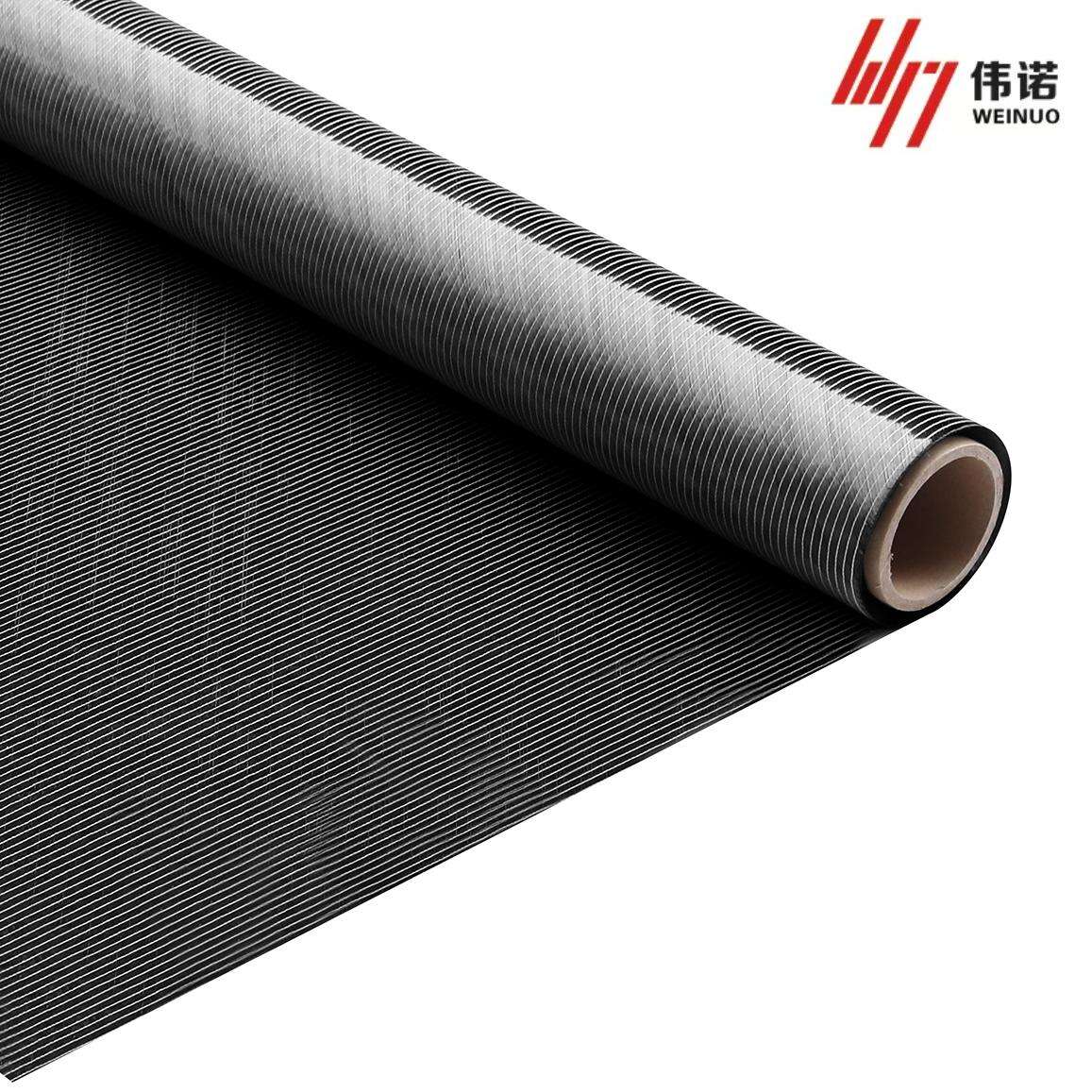
Understanding the fundamental differences between multiaxial fabrics and unidirectional materials requires examining their structural composition and fiber orientation patterns. While unidirectional fabrics feature fibers aligned in a single direction, multiaxial fabrics incorporate multiple fiber orientations within a single layer, creating complex geometric arrangements that optimize load distribution. This structural sophistication enables multiaxial fabrics to deliver superior performance characteristics across various mechanical stress scenarios.
Structural Advantages and Design Flexibility
Enhanced Load Distribution Capabilities
The primary advantage of multiaxial fabrics lies in their exceptional load distribution capabilities compared to unidirectional alternatives. These advanced materials feature fiber orientations that can be precisely engineered to match specific stress patterns, ensuring optimal performance under complex loading conditions. The strategic placement of fibers at various angles allows multiaxial fabrics to effectively transfer loads across multiple directions simultaneously, reducing stress concentrations that commonly occur in unidirectional materials.
Manufacturing engineers increasingly recognize that multiaxial fabrics provide superior resistance to delamination and interlaminar shear forces. This enhanced resistance stems from the interlocking fiber architecture that creates mechanical bonds between different layers, significantly improving the overall structural integrity of composite components. The result is a material system that exhibits greater durability and reliability under dynamic loading conditions.
Tailored Fiber Orientations for Specific Applications
The design flexibility offered by multiaxial fabrics represents a significant advancement over conventional unidirectional materials. Engineers can specify precise fiber angles and distributions to match anticipated stress patterns in specific applications, creating truly optimized material solutions. This customization capability extends to varying fiber types, weights, and orientations within a single fabric structure, enabling unprecedented design optimization.
Advanced multiaxial fabrics can incorporate different fiber materials within the same structure, such as combining carbon fibers for stiffness with glass fibers for impact resistance. This hybrid approach allows designers to achieve specific performance targets while maintaining cost-effectiveness, something that would require multiple layers of unidirectional materials to accomplish.
Manufacturing and Processing Benefits
Simplified Layup Procedures
Manufacturing processes benefit significantly from the use of multiaxial fabrics due to their ability to replace multiple layers of unidirectional materials with a single fabric layer. This consolidation reduces layup time, minimizes the potential for manufacturing defects, and simplifies quality control procedures. Production facilities report substantial improvements in manufacturing efficiency when transitioning from unidirectional to multiaxial fabrics for complex component geometries.
The reduced number of individual layers required in multiaxial fabric constructions also minimizes the risk of air entrapment and resin-rich areas that commonly occur when stacking multiple unidirectional plies. This improvement in manufacturing consistency leads to more predictable mechanical properties and reduced variability in final product performance.
Cost-Effective Production Solutions
Economic considerations favor multiaxial fabrics in many applications due to reduced labor costs and simplified inventory management. The ability to achieve complex fiber orientations with fewer fabric layers translates directly to reduced handling time and lower probability of manufacturing errors. These efficiency gains become particularly significant in high-volume production environments where labor costs represent a substantial portion of total manufacturing expenses.
Additionally, multiaxial fabrics often demonstrate superior resin utilization efficiency compared to unidirectional alternatives. The interconnected fiber architecture promotes better resin flow and distribution, reducing the likelihood of dry spots or resin starvation that can compromise mechanical properties. This improved resin efficiency contributes to both cost savings and enhanced product quality.
Performance Characteristics and Mechanical Properties
Superior Impact Resistance and Damage Tolerance
Impact resistance represents one of the most significant performance advantages of multiaxial fabrics over unidirectional materials. The multidirectional fiber architecture creates multiple load paths that effectively distribute impact energy across the entire fabric structure, preventing localized failure modes that commonly occur in unidirectional laminates. This enhanced damage tolerance makes multiaxial fabrics particularly valuable in applications where impact resistance is critical.
Research studies consistently demonstrate that multiaxial fabrics exhibit superior post-impact mechanical properties compared to equivalent unidirectional constructions. The interconnected fiber network helps contain damage propagation, maintaining structural integrity even after impact events that would cause significant degradation in unidirectional laminates.
Improved Fatigue Performance and Durability
Fatigue performance represents another area where multiaxial fabrics demonstrate clear superiority over unidirectional alternatives. The distributed fiber architecture reduces stress concentrations that initiate fatigue cracks, while the multiple load paths provide redundancy that maintains structural capacity even as individual fibers fail. This improved fatigue resistance translates to longer service life and reduced maintenance requirements in dynamic loading applications.
The enhanced durability of multiaxial fabrics becomes particularly evident in cyclic loading scenarios common in aerospace and automotive applications. The ability to maintain mechanical properties under repeated loading cycles makes these materials ideal for components subjected to operational stresses over extended service periods.
Application-Specific Advantages
Aerospace and Aviation Applications
Aerospace applications benefit tremendously from the unique properties of multiaxial fabrics, particularly in components requiring complex load paths and weight optimization. Aircraft structures experience multidirectional loading patterns that align perfectly with the capabilities of multiaxial fabric constructions. The ability to tailor fiber orientations to match specific load cases enables designers to achieve optimal strength-to-weight ratios while maintaining structural reliability.
Critical aircraft components such as wing skins, fuselage panels, and control surfaces increasingly utilize multiaxial fabrics to achieve performance targets that would be difficult or impossible with unidirectional materials alone. The improved damage tolerance and fatigue resistance of multiaxial fabrics contribute directly to aircraft safety and operational reliability.
Automotive and Transportation Industries
Automotive manufacturers increasingly specify multiaxial fabrics for structural components requiring enhanced crash performance and weight reduction. The superior impact resistance of these materials makes them ideal for safety-critical applications such as door frames, roof structures, and floor pans. The ability to optimize fiber orientations for specific crash scenarios enables engineers to design components that meet stringent safety requirements while minimizing weight penalties.
Transportation applications also benefit from the manufacturing efficiency advantages of multiaxial fabrics, particularly in high-volume production environments where cost control is essential. The simplified layup procedures and reduced part complexity contribute to lower manufacturing costs while maintaining or improving performance characteristics.
Technical Considerations and Design Guidelines
Fiber Architecture Optimization
Successful implementation of multiaxial fabrics requires careful consideration of fiber architecture parameters including angle distributions, areal weights, and stitching patterns. Design engineers must balance competing requirements such as stiffness, strength, and formability to achieve optimal performance for specific applications. Advanced modeling techniques enable designers to predict the behavior of complex multiaxial fabric constructions before committing to expensive prototype development.
The selection of appropriate stitching yarns and patterns significantly influences the mechanical properties of multiaxial fabrics. While stitching provides structural integrity during handling and processing, it can also create resin-rich regions that affect final laminate properties. Careful optimization of stitching parameters ensures that the benefits of multiaxial construction are fully realized without introducing performance limitations.
Manufacturing Process Optimization
Processing multiaxial fabrics requires specific considerations regarding resin systems, cure cycles, and tooling requirements. The complex fiber architecture may influence resin flow patterns and cure behavior, necessitating adjustments to established processing parameters. However, these modifications typically result in improved processing consistency and reduced cycle times compared to equivalent unidirectional constructions.
Quality control procedures for multiaxial fabrics must account for the unique characteristics of these materials, including fiber orientation verification and stitching integrity assessment. Advanced inspection techniques such as ultrasonic testing and thermography provide effective means for evaluating multiaxial fabric quality throughout the manufacturing process.
Future Developments and Emerging Trends
Advanced Material Integration
Emerging developments in multiaxial fabric technology focus on integrating advanced materials such as nanofibers, conductive elements, and smart materials within traditional fiber architectures. These hybrid constructions promise to deliver enhanced functionality beyond mechanical performance, including electrical conductivity, thermal management, and structural health monitoring capabilities. Such innovations position multiaxial fabrics at the forefront of next-generation composite material development.
Research initiatives continue to explore novel fiber combinations and architectures that maximize the inherent advantages of multiaxial constructions. The integration of recycled fibers and bio-based materials within multiaxial fabric structures addresses sustainability concerns while maintaining performance requirements, representing an important trend in responsible material development.
Manufacturing Technology Advancements
Automated manufacturing technologies increasingly support the production of complex multiaxial fabric constructions with enhanced precision and repeatability. Advanced weaving and knitting equipment enables the creation of fabric architectures that were previously impractical or economically unfeasible. These technological advances expand the design space for multiaxial fabrics while reducing manufacturing costs.
Digital manufacturing technologies such as automated fiber placement and additive manufacturing techniques offer new possibilities for creating site-specific multiaxial fabric reinforcements. These approaches enable the precise placement of reinforcement exactly where needed, optimizing material utilization and performance while minimizing waste.
FAQ
What makes multiaxial fabrics more versatile than unidirectional materials
Multiaxial fabrics offer superior versatility through their ability to incorporate multiple fiber orientations within a single layer, enabling designers to optimize load paths for complex stress patterns. This multidirectional architecture provides enhanced mechanical properties and design flexibility that unidirectional materials cannot achieve with equivalent efficiency.
How do multiaxial fabrics improve manufacturing efficiency
Manufacturing efficiency improves significantly with multiaxial fabrics because they can replace multiple layers of unidirectional materials with a single fabric layer. This consolidation reduces layup time, minimizes handling requirements, and decreases the potential for manufacturing defects while improving process consistency.
What performance advantages do multiaxial fabrics offer in dynamic applications
In dynamic applications, multiaxial fabrics demonstrate superior impact resistance, enhanced fatigue performance, and improved damage tolerance compared to unidirectional alternatives. The interconnected fiber architecture distributes loads across multiple paths, preventing localized failures and maintaining structural integrity under challenging operating conditions.
Are multiaxial fabrics cost-effective compared to traditional materials
While multiaxial fabrics may have higher initial material costs, they often prove more cost-effective overall due to reduced manufacturing complexity, lower labor requirements, and improved performance characteristics. The ability to achieve complex fiber orientations with fewer layers translates to significant savings in production time and quality control efforts.