
 EN
EN

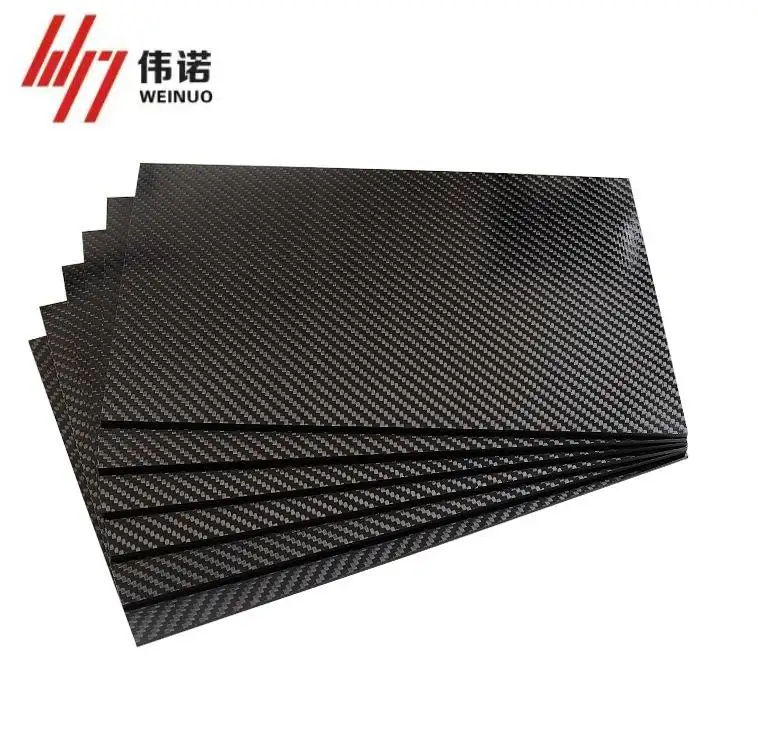
Structural reinforcement has evolved dramatically over the past few decades, driven by the demand for stronger, lighter, and more durable construction solutions. Among the innovative materials transforming this field, carbon fiber sheets have emerged as a game-changing technology that addresses the limitations of traditional reinforcement methods. These advanced composite materials offer exceptional strength-to-weight ratios, corrosion resistance, and versatility that make them indispensable in modern civil engineering, industrial retrofitting, and infrastructure rehabilitation projects. Understanding how carbon fiber sheets enhance structural reinforcement requires examining their unique material properties, application mechanisms, and the specific advantages they deliver across diverse engineering challenges.
The mechanism by which carbon fiber sheets strengthen existing structures operates through a principle called external bonding reinforcement. When properly adhered to concrete, steel, or masonry surfaces, these sheets effectively become an integral part of the structural system, distributing loads more efficiently and preventing failure modes such as cracking, spalling, and deformation. Unlike conventional steel plate bonding or concrete jacketing methods that add substantial weight and require extensive installation procedures, carbon fiber sheets provide high-performance reinforcement with minimal thickness and disruption. This capability has made them the preferred solution for strengthening aging infrastructure, upgrading buildings to meet modern seismic codes, and extending the service life of critical structures without compromising their original architectural character or imposing additional dead loads on existing foundations.
Material Properties That Enable Superior Reinforcement Performance
Exceptional Tensile Strength and Stiffness Characteristics
The reinforcement capabilities of carbon fiber sheets stem fundamentally from their extraordinary tensile strength, which can exceed 3500 MPa in high-performance grades—approximately ten times stronger than conventional structural steel. This remarkable strength originates from the alignment of carbon atoms in crystalline structures along the fiber axis, creating covalent bonds that resist deformation under tension. When engineers apply carbon fiber sheets to structural elements experiencing tensile stresses, such as the bottom face of beams or the tension zones of slabs, these sheets effectively carry significant portions of the applied load, reducing stress concentrations in the underlying material and preventing crack propagation.
The elastic modulus of carbon fiber sheets typically ranges from 230 to 640 GPa depending on the fiber type, providing stiffness that ensures minimal deformation under service loads. This stiffness-to-weight ratio proves critical in reinforcement applications where limiting deflections is as important as increasing load capacity. Unlike ductile materials that undergo significant plastic deformation before failure, carbon fiber sheets maintain linear elastic behavior until ultimate failure, allowing for predictable structural performance and reliable analytical modeling. Design engineers can therefore calculate reinforcement requirements with confidence, knowing that the material will perform consistently within its elastic range throughout the structure's service life.
Lightweight Composition Eliminating Additional Dead Load
One of the most significant advantages of using carbon fiber sheets for structural reinforcement is their exceptionally low density, approximately 1.6 g/cm³ compared to steel's 7.85 g/cm³. This dramatic weight difference means that carbon fiber sheets add virtually no additional dead load to the structure being strengthened, a critical consideration when reinforcing foundations, suspended slabs, or structures with limited load-bearing capacity. Traditional steel plate bonding methods can introduce substantial additional weight that may actually reduce the net improvement in load capacity, particularly in seismically active regions where increased mass translates to higher inertial forces during earthquake events.
The minimal weight addition becomes especially valuable in retrofit projects where maintaining the structure's original weight distribution is essential for stability and foundation integrity. When strengthening historic buildings, bridges, or multi-story structures, the negligible weight of carbon fiber sheets allows engineers to achieve significant strength improvements without triggering the need for costly foundation upgrades or modifications to adjacent structural elements. This characteristic also simplifies transportation, handling, and installation logistics, as workers can manually position even large carbon fiber sheets without heavy lifting equipment, reducing project timelines and labor costs while improving worksite safety.
Complete Immunity to Corrosion and Environmental Degradation
Unlike metallic reinforcement materials that deteriorate through oxidation and galvanic corrosion processes, carbon fiber sheets exhibit complete resistance to chemical attack, moisture penetration, and electrochemical degradation. This corrosion immunity proves particularly valuable when reinforcing structures in aggressive environments such as marine facilities, wastewater treatment plants, chemical processing facilities, and infrastructure exposed to deicing salts. Steel reinforcement systems require protective coatings, cathodic protection, or encapsulation strategies that add complexity and ongoing maintenance requirements, whereas carbon fiber sheets maintain their full structural properties indefinitely when protected from ultraviolet radiation and mechanical damage.
The absence of corrosion concerns eliminates one of the primary failure mechanisms that compromise conventional reinforcement over time. In concrete structures, corroding steel reinforcement expands, generating internal stresses that crack and spall the surrounding concrete, ultimately leading to structural deterioration and costly repairs. Carbon fiber sheets eliminate this degradation pathway entirely, ensuring that the reinforcement system maintains its design capacity throughout the structure's intended service life without requiring periodic inspection, maintenance, or replacement. This durability advantage translates to significantly lower life-cycle costs and reduced long-term maintenance burdens, making carbon fiber sheets an economically attractive solution despite their higher initial material costs compared to traditional alternatives.
Load Transfer Mechanisms and Structural Integration
Adhesive Bonding and Composite Action Principles
The effectiveness of carbon fiber sheets in enhancing structural reinforcement depends critically on achieving complete composite action between the sheets and the substrate material. This integration occurs through high-strength epoxy adhesive systems that create molecular-level bonds with both the carbon fiber surface and the prepared substrate. When properly applied, these adhesive layers transfer stresses from the substrate into the carbon fiber sheets through shear mechanisms, allowing the reinforcement to carry tensile loads that would otherwise cause cracking or failure in the underlying material. The bond strength typically exceeds the tensile strength of the concrete substrate, ensuring that failure occurs within the concrete matrix rather than at the interface, which validates the full composite action assumption used in structural design calculations.
Achieving optimal composite action requires meticulous surface preparation, including removal of contamination, laitance, and weak surface layers that could compromise bond integrity. Engineers specify concrete surface profiling through grinding, sandblasting, or shot blasting to create the roughened texture necessary for mechanical interlocking with the adhesive. The adhesive system itself must possess appropriate viscosity for proper wetting and penetration, sufficient open time for application in field conditions, and mechanical properties compatible with both the carbon fiber sheets and substrate material across anticipated temperature ranges. When these conditions are met, the reinforced element behaves as a unified structural system where loads are efficiently distributed across all components, maximizing the strength contribution of the carbon fiber sheets while minimizing stress concentrations.
Strain Compatibility and Deformation Control
The mechanism by which carbon fiber sheets control structural deformation operates through the principle of strain compatibility, where the bonded reinforcement experiences the same elongation or compression as the underlying substrate at the bonded interface. When tensile stresses develop in a reinforced concrete beam, for example, both the concrete and the externally bonded carbon fiber sheets elongate together, with the sheets carrying a proportion of the total tensile force based on their relative stiffness and cross-sectional area. This shared load-bearing reduces the strain in the concrete and existing internal steel reinforcement, limiting crack widths and preventing the brittle failure modes that can occur when concrete reaches its ultimate tensile strain capacity.
The high modulus of elasticity characteristic of carbon fiber sheets means that even small cross-sectional areas can provide significant stiffness contributions that substantially reduce deflections under service loads. This stiffness-driven deformation control proves particularly valuable in strengthening applications where maintaining serviceability and limiting vibrations are primary objectives, such as in floors supporting sensitive equipment or pedestrian bridges where excessive movement causes discomfort. By restricting strain development in critical tension zones, carbon fiber sheets also help maintain the integrity of protective concrete cover over internal steel reinforcement, indirectly extending the structure's corrosion resistance and overall durability even as they provide direct strength enhancement.
Failure Mode Modification and Ductility Considerations
When carbon fiber sheets are applied to structural elements, they fundamentally alter the failure modes and load-deformation behavior of the reinforced system. In flexural strengthening applications, the addition of external carbon fiber sheets increases the tensile force capacity of the cross-section, which shifts the neutral axis depth and changes the relative strain distribution across the section height. If not properly designed, this modification can lead to compression failure of the concrete or debonding of the carbon fiber sheets before the full tensile capacity is utilized. Engineers must carefully calculate reinforcement quantities to ensure balanced failure modes that provide adequate warning before collapse through visible cracking or significant deflection, rather than sudden brittle failures that offer no opportunity for evacuation or corrective action.
Design codes and standards for carbon fiber sheets reinforcement therefore incorporate strain limits and reduction factors that ensure ductile behavior and prevent premature failure modes. These provisions typically limit the strain in carbon fiber sheets to values well below their ultimate capacity, ensuring that concrete crushing or controlled steel yielding occurs first, providing the plastic hinge formation necessary for ductile structural response. In seismic retrofitting applications, this ductility consideration becomes paramount, as structures must dissipate energy through controlled inelastic deformation rather than brittle failure. By combining carbon fiber sheets with proper detailing strategies such as confinement wrapping at potential plastic hinge locations, engineers can achieve both strength enhancement and improved deformation capacity, creating reinforcement solutions that address multiple performance objectives simultaneously.
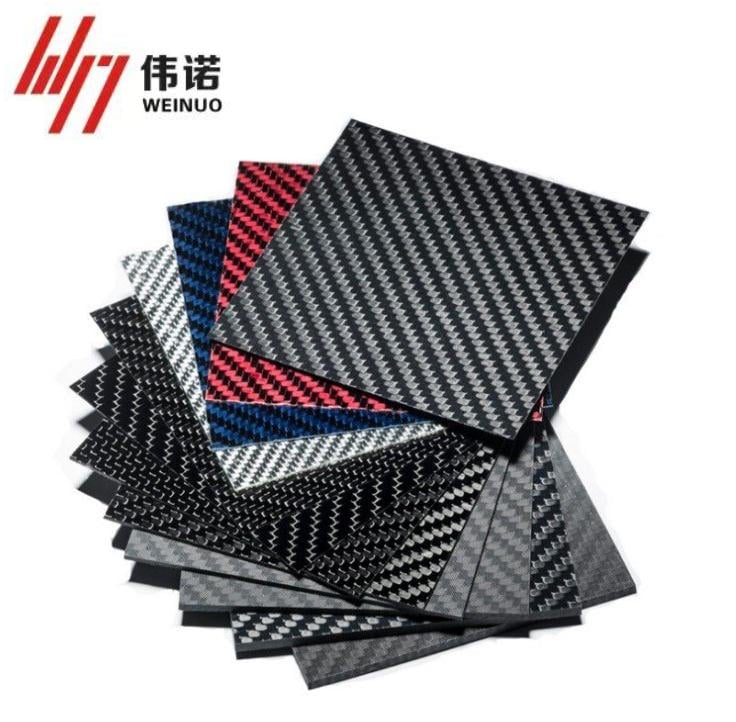
Application Methods and Installation Advantages
Wet Layup Installation Process and Field Adaptability
The most common application method for carbon fiber sheets involves the wet layup process, where dry carbon fiber fabric is saturated with epoxy resin directly on the prepared structural surface. This technique offers exceptional versatility, allowing field crews to conform carbon fiber sheets to complex geometries, wrap around columns and irregular shapes, and apply reinforcement in confined spaces where prefabricated systems cannot be installed. The process begins with thorough surface preparation to achieve a sound, clean substrate with appropriate profile roughness, followed by application of a primer coat that penetrates the concrete surface and provides an optimal bonding surface for subsequent epoxy layers.
Once the primer reaches the appropriate tack condition, workers apply a layer of structural epoxy adhesive and then carefully position the dry carbon fiber sheets, using special rollers to saturate the fabric thoroughly with resin while eliminating air voids and ensuring complete fiber wetout. Additional resin is applied over the fabric surface, and multiple layers can be built up in sequence when higher reinforcement quantities are required, with each layer bonded to the previous one before the epoxy fully cures. This hand layup approach requires skilled labor and appropriate environmental conditions—typically temperatures above 50°F and relative humidity below 80%—but provides unmatched flexibility for addressing diverse reinforcement needs and accommodating field conditions that would challenge prefabricated systems.
Minimal Installation Disruption and Rapid Project Execution
Structural reinforcement using carbon fiber sheets offers dramatic advantages in installation speed and operational disruption compared to traditional methods. Unlike concrete jacketing that requires formwork, casting, curing time, and subsequent finishing, or steel plate bonding that involves heavy lifting equipment, welding, and extensive surface preparation, carbon fiber sheets can be applied quickly with minimal equipment and without generating significant noise, vibration, or debris. This efficiency proves invaluable when strengthening structures that must remain in service during construction, such as operating industrial facilities, occupied commercial buildings, or transportation infrastructure with limited closure windows.
A typical column wrapping or beam strengthening project using carbon fiber sheets can often be completed in hours rather than days, with the reinforcement achieving substantial strength within 24 to 48 hours as the epoxy system cures to full capacity. This rapid installation timeline reduces labor costs, minimizes traffic disruptions when working on bridges or roadways, and shortens the duration of temporary shoring or load restrictions needed during construction. The lightweight nature of materials also means that small crews can transport and handle all necessary components without cranes or heavy machinery, further simplifying logistics and reducing overall project costs while achieving reinforcement performance that meets or exceeds conventional methods.
Precision Application and Quality Control Protocols
Successful implementation of carbon fiber sheets reinforcement requires rigorous quality control throughout the installation process to ensure that the as-built system achieves design assumptions regarding bond strength, composite action, and load transfer capacity. Quality assurance protocols typically include documentation of environmental conditions during application, verification of proper mixing ratios for multi-component adhesive systems, confirmation of adequate surface preparation through pull-off adhesion testing, and inspection of the completed installation for voids, wrinkles, or dry spots that could compromise performance. These verification procedures ensure that the substantial material strength of carbon fiber sheets translates into effective structural enhancement rather than being undermined by installation deficiencies.
Advanced contractors often employ real-time monitoring techniques during installation, using infrared thermography to detect delaminations or improper curing, and conducting systematic tap testing to identify unbonded areas that require remediation before final acceptance. The cured reinforcement system can be further validated through non-destructive testing methods including ultrasonic inspection and additional pull-off tests at prescribed locations. This emphasis on quality control reflects the reality that carbon fiber sheets reinforcement performance depends not only on material properties but equally on installation craftsmanship, making contractor selection and oversight critical components of successful projects. When properly executed, these quality protocols ensure that structures receive the full intended benefit of carbon fiber sheets technology, with reinforcement systems that perform reliably throughout their design service life.
Engineering Applications and Performance Benefits
Flexural Strengthening of Beams and Slabs
The most prevalent application of carbon fiber sheets in structural reinforcement involves increasing the flexural capacity of beams, girders, and slab systems that have become inadequate due to increased loading, deterioration of existing reinforcement, or original design deficiencies. By bonding carbon fiber sheets to the tension face of these elements, engineers effectively increase the tensile reinforcement ratio, allowing the member to resist higher bending moments without exceeding allowable stress levels or serviceability limits. This technique has proven particularly effective in building retrofits where floor load capacity must be increased to accommodate new equipment or changed occupancy requirements, and in bridge strengthening projects where traffic loads have increased beyond original design assumptions.
Design calculations for flexural strengthening with carbon fiber sheets follow established principles of reinforced concrete theory, modified to account for the linear elastic behavior of carbon fiber materials and potential failure modes including concrete crushing, carbon fiber rupture, and debonding at high-moment regions or at flexural cutoff points. Engineers must carefully analyze strain compatibility across the section depth, determine appropriate carbon fiber sheet quantities to achieve target capacity increases while maintaining ductile behavior, and design adequate anchorage lengths to prevent premature debonding. The resulting strengthened members typically exhibit reduced deflections under service loads, improved crack control, and substantially increased ultimate capacity, often achieving 30% to 100% increases in moment resistance depending on existing conditions and the extent of carbon fiber sheets application.
Shear Capacity Enhancement and Crack Mitigation
Beyond flexural strengthening, carbon fiber sheets provide highly effective solutions for increasing shear capacity in beams, bridge girders, and other elements where diagonal tension stresses exceed the capacity provided by existing stirrups or where shear reinforcement has deteriorated through corrosion. Shear strengthening typically involves wrapping carbon fiber sheets around the member's perimeter in configurations that intersect potential diagonal crack planes, with the sheets oriented perpendicular to the expected crack direction to maximize their effectiveness in resisting shear forces. This external shear reinforcement intercepts diagonal tension forces that would otherwise propagate cracks through the concrete, transferring these forces across the crack plane and maintaining the element's shear integrity.
The design of shear reinforcement using carbon fiber sheets requires careful consideration of wrapping configuration, with options including complete wrapping for maximum effectiveness, U-wraps for elements with inaccessible top surfaces such as bridge girders, or side-bonding when only vertical faces are accessible. The effectiveness of each configuration varies based on the degree of confinement and anchorage achieved, with complete wraps providing the highest shear contribution and side-bonded applications requiring supplemental anchorage systems to prevent premature debonding. When properly designed, carbon fiber sheets shear reinforcement can increase capacity by 50% or more, eliminate concerns about ongoing corrosion degradation of internal stirrups, and provide visible reinforcement that can be inspected throughout the structure's service life, facilitating condition assessment and maintenance planning.
Confinement and Ductility Enhancement for Columns
Column strengthening represents another critical application where carbon fiber sheets deliver exceptional performance advantages, particularly for seismic retrofitting of structures with inadequate transverse reinforcement or insufficient confinement for ductile response. By wrapping carbon fiber sheets around columns in the hoop direction, engineers create external confinement pressure that enhances the compressive strength of the concrete core, increases deformation capacity, and prevents buckling of longitudinal reinforcement during seismic loading cycles. This confinement effect operates through the same principles as internal spiral reinforcement, with the carbon fiber sheets providing lateral restraint that maintains the integrity of the concrete core even as it experiences large compressive strains during extreme loading events.
The ductility enhancement achieved through carbon fiber sheets confinement proves especially valuable in older concrete structures designed before modern seismic codes established strict requirements for transverse reinforcement spacing and detailing in potential plastic hinge zones. Research and field applications have demonstrated that properly designed carbon fiber sheets wrapping can increase axial load capacity by 30% to 50%, enhance displacement ductility by factors of two to four, and transform brittle columns into ductile elements capable of surviving design-level earthquake motions without collapse. The external reinforcement approach also offers the advantage of leaving column dimensions unchanged, preserving architectural appearance and avoiding the space limitations that would result from concrete jacketing methods, making carbon fiber sheets wrapping the preferred solution for column upgrading in occupied buildings and historic structures.
Economic and Sustainability Considerations
Life-Cycle Cost Analysis and Long-Term Value
While carbon fiber sheets typically involve higher initial material costs compared to conventional steel reinforcement systems, comprehensive life-cycle cost analysis often reveals significant economic advantages when considering installation efficiency, maintenance requirements, and service life extension. The rapid installation possible with carbon fiber sheets translates to reduced labor costs, shorter construction schedules, and minimal disruption to building operations or traffic flow, factors that can represent substantial indirect cost savings particularly in retrofit projects where time-related costs dominate project economics. The lightweight nature of carbon fiber sheets also eliminates crane rental and heavy lifting expenses, further reducing overall project costs despite premium material pricing.
The corrosion immunity and durability characteristics of carbon fiber sheets deliver long-term economic benefits through elimination of maintenance and replacement cycles that burden conventional reinforcement systems. Steel plate bonding requires periodic inspection, protective coating renewal, and eventual replacement when corrosion compromise structural integrity, generating recurring costs that accumulate over the structure's service life. Carbon fiber sheets, protected only by a simple ultraviolet-resistant coating, maintain their full capacity indefinitely without inspection or maintenance, providing permanent reinforcement solutions that extend structure service life by decades. When engineering firms conduct present-value analysis incorporating these life-cycle factors, carbon fiber sheets frequently emerge as the most economical reinforcement alternative, particularly for critical structures where long-term reliability justifies premium initial investment.
Environmental Benefits and Sustainable Construction Practice
The use of carbon fiber sheets for structural reinforcement aligns with sustainable construction principles by enabling rehabilitation and adaptive reuse of existing structures rather than demolition and replacement. Extending the service life of buildings and infrastructure through strengthening reduces the enormous environmental impact associated with demolition waste, production of new materials, and construction of replacement structures. The carbon footprint of manufacturing carbon fiber sheets, while significant, proves substantially lower than the embodied energy in complete structure replacement, making reinforcement the environmentally preferred alternative when existing structures can be upgraded to meet current performance standards.
The minimal material quantities required for effective reinforcement with carbon fiber sheets—typically measured in millimeters of thickness compared to centimeters or meters for traditional methods—further enhance sustainability credentials by reducing raw material consumption and transportation energy. A single truck can transport enough carbon fiber sheets to strengthen multiple large structural elements, whereas equivalent steel reinforcement or concrete materials would require numerous heavy vehicle trips, generating substantially higher transportation emissions. The installation process itself produces minimal waste, with excess materials often reusable on subsequent projects, and generates no noise pollution, airborne dust, or water runoff that impact surrounding environments. These environmental advantages position carbon fiber sheets as a key enabling technology for sustainable infrastructure management strategies focused on preservation and optimization of existing building stock.
Return on Investment in Building Asset Management
From a facility management and asset optimization perspective, carbon fiber sheets reinforcement provides building owners with an economically attractive alternative to costly replacement or decommissioning when structures approach the end of their original design life or require upgrades to accommodate changed use conditions. The ability to strengthen floors for increased equipment loads, upgrade seismic resistance to current code standards, or repair deteriorated elements preserves the substantial capital investment represented by existing facilities while avoiding the business disruption and revenue loss associated with prolonged construction projects. This value preservation becomes particularly significant for specialized facilities such as manufacturing plants with installed production equipment, data centers with mission-critical operations, or historic buildings where architectural character provides intrinsic value that would be lost through demolition.
The documented performance and proven durability of carbon fiber sheets reinforcement systems provide building owners with confidence that strengthening investments will deliver reliable long-term value without requiring follow-up interventions or premature replacement. This reliability facilitates planning and budgeting for facility improvements, as owners can schedule reinforcement projects during planned maintenance windows with assurance that the work will be completed quickly and the reinforcement will perform as designed throughout the building's remaining service life. The growing body of case study data demonstrating successful long-term performance further reduces perceived risk associated with carbon fiber sheets technology, making it an accepted standard approach rather than an experimental technique, which facilitates approval of strengthening projects and justification of capital expenditures to stakeholders and financial decision-makers.
FAQ
What is the typical cost difference between carbon fiber sheets and traditional steel plate reinforcement?
Carbon fiber sheets typically cost two to four times more than steel plates on a per-pound material basis, but total project costs often prove comparable or lower due to dramatically reduced installation labor, elimination of heavy equipment requirements, and faster project completion that minimizes indirect costs associated with traffic disruption or building closures. Life-cycle cost analysis including maintenance and durability factors generally favors carbon fiber sheets for most applications, particularly in corrosive environments where steel systems require ongoing protective measures.
Can carbon fiber sheets be applied to structures with existing cracks or deterioration?
Carbon fiber sheets can successfully reinforce structures with existing damage, but proper repair procedures must be completed before reinforcement application. Active cracks require injection with epoxy or polyurethane resins to restore load transfer across the crack plane, and deteriorated concrete must be removed and replaced with repair mortars to provide sound substrate for bonding. Once these preparatory repairs restore substrate integrity, carbon fiber sheets can be applied to prevent crack propagation and strengthen the repaired element, often resulting in performance superior to the original undamaged condition.
How long does it take for carbon fiber sheets reinforcement to reach full strength?
The strength development timeline for carbon fiber sheets reinforcement depends primarily on the epoxy adhesive system cure characteristics and ambient temperature conditions. Most structural epoxies achieve sufficient strength for light loading within 24 hours and reach full design strength within 7 days at normal temperatures around 70°F. Cold weather slows curing significantly, potentially requiring supplemental heating or extended cure times, while elevated temperatures accelerate the process, with some fast-cure systems reaching full strength in as little as 3 to 6 hours when application occurs in warm conditions.
What are the temperature limitations for carbon fiber sheets structural applications?
Carbon fiber sheets themselves maintain structural properties across extreme temperature ranges from cryogenic conditions to several hundred degrees, but the epoxy adhesive systems used for bonding typically limit service temperature to approximately 150°F to 180°F for standard formulations. Specialized high-temperature epoxies can extend this range to 250°F or higher for applications near heat sources or in industrial environments. During installation, ambient temperatures must typically remain above 50°F unless special cold-weather adhesive formulations and heating equipment are employed, and excessively hot conditions above 95°F may require ice-bathing of resins to extend working time and prevent premature curing during application.
Table of Contents
- Material Properties That Enable Superior Reinforcement Performance
- Load Transfer Mechanisms and Structural Integration
- Application Methods and Installation Advantages
- Engineering Applications and Performance Benefits
- Economic and Sustainability Considerations
-
FAQ
- What is the typical cost difference between carbon fiber sheets and traditional steel plate reinforcement?
- Can carbon fiber sheets be applied to structures with existing cracks or deterioration?
- How long does it take for carbon fiber sheets reinforcement to reach full strength?
- What are the temperature limitations for carbon fiber sheets structural applications?