
 EN
EN

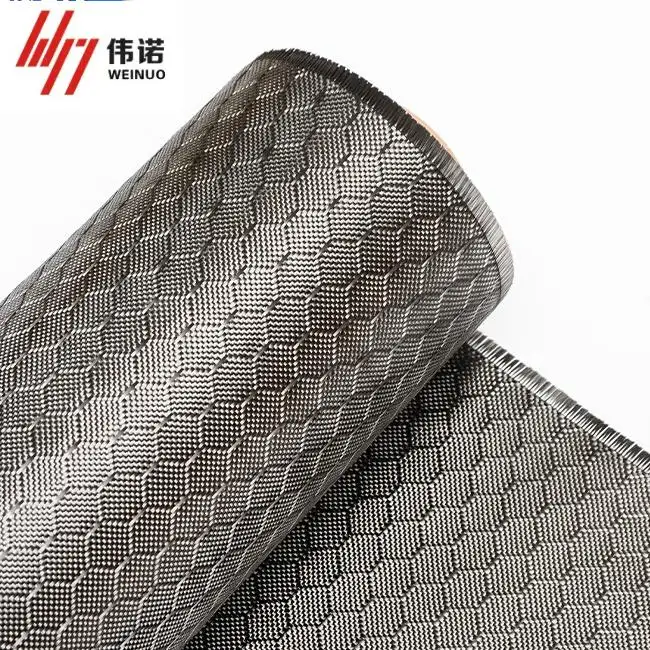
Marine construction demands materials that can withstand some of the harshest environmental conditions on the planet, from relentless saltwater exposure to extreme mechanical stress and constant thermal cycling. Among advanced composite materials, multiaxial carbon fiber fabric has emerged as a transformative solution that addresses the unique structural challenges inherent in boat building, yacht construction, and maritime infrastructure projects. Unlike traditional woven fabrics or unidirectional reinforcements, multiaxial carbon fiber fabric delivers optimized fiber orientation across multiple axes within a single fabric layer, enabling engineers to achieve superior load distribution, enhanced torsional rigidity, and dramatic weight reduction without compromising structural integrity. This engineering advantage translates directly into improved vessel performance, extended service life, and reduced operational costs throughout the marine lifecycle.
The critical importance of multiaxial carbon fiber fabric in marine applications stems from its ability to match fiber architecture directly to the complex stress patterns experienced by marine structures during operation. Marine vessels encounter multidirectional loads from wave impact, hull flexing, rigging tension, and propulsion forces that cannot be adequately addressed by fabrics with fibers oriented in only one or two directions. By strategically positioning carbon fibers at zero, plus forty-five, minus forty-five, and ninety-degree angles within a single fabric structure, multiaxial carbon fiber fabric creates a reinforcement system that responds efficiently to real-world loading conditions. This architectural sophistication is why leading shipyards, racing yacht builders, and naval architects increasingly specify multiaxial carbon fiber fabric for hull construction, deck structures, bulkheads, and high-performance marine components where structural efficiency is paramount.
Structural Advantages That Define Marine Performance
Multidirectional Load Distribution and Stress Management
The fundamental reason multiaxial carbon fiber fabric proves crucial in marine builds lies in its exceptional ability to distribute structural loads across multiple fiber orientations simultaneously. When a marine vessel encounters wave impact or operational stresses, forces travel through the hull structure in complex three-dimensional patterns rather than along simple linear paths. Traditional woven carbon fiber fabrics, while providing basic reinforcement, suffer from fiber crimp at crossover points that reduces mechanical efficiency and creates potential failure initiation sites. In contrast, multiaxial carbon fiber fabric eliminates fiber crimp by stitching or bonding parallel fiber bundles together, allowing each fiber orientation to carry loads at maximum efficiency without structural compromise from weaving patterns.
This architectural efficiency becomes particularly critical in primary structural applications such as hull bottoms, side panels, and deck structures where impact resistance and flexural strength determine vessel survivability. Marine engineers designing high-performance sailing yachts routinely specify multiaxial carbon fiber fabric in biaxial and triaxial configurations to create hull laminates that resist both longitudinal bending loads and transverse shear forces encountered during aggressive sailing maneuvers. The ability to position fiber bundles at precise angles relative to anticipated load paths enables designers to achieve target mechanical properties with minimal material usage, directly reducing structural weight while maintaining or exceeding required safety factors throughout the operational envelope.
Weight Reduction and Performance Enhancement
Weight represents the single most consequential design parameter in marine construction, affecting everything from fuel efficiency and speed potential to stability characteristics and payload capacity. Multiaxial carbon fiber fabric delivers weight savings of thirty to fifty percent compared to equivalent glass fiber laminates while providing superior stiffness and strength characteristics essential for high-performance marine applications. This weight advantage translates into tangible operational benefits including reduced displacement, improved power-to-weight ratios, enhanced maneuverability, and decreased fuel consumption throughout the vessel's operational life. For racing sailboats where every kilogram affects competitive performance, multiaxial carbon fiber fabric enables construction of ultra-lightweight hull structures that meet class regulations while maximizing speed potential through optimal weight distribution.
Beyond competitive racing applications, commercial marine operators increasingly recognize that weight reduction achieved through multiaxial carbon fiber fabric specification directly impacts operational economics through reduced fuel costs and increased payload capacity. Fast ferry operators, patrol vessels, and commercial fishing boats all benefit from lighter composite structures that enable higher transit speeds or greater cargo capacity without requiring larger propulsion systems. The high specific stiffness of multiaxial carbon fiber fabric also reduces hull flexing and structural damping, contributing to improved seakeeping characteristics and reduced structural fatigue accumulation over millions of loading cycles encountered during typical marine service life. These combined performance advantages explain why multiaxial carbon fiber fabric has become the material of choice for demanding marine applications where weight efficiency directly determines operational success.
Corrosion Resistance and Durability in Marine Environments
The marine environment presents uniquely aggressive conditions that rapidly degrade metallic structures through electrochemical corrosion, galvanic attack, and saltwater-induced deterioration. Multiaxial carbon fiber fabric offers inherent corrosion immunity that eliminates the maintenance burden, structural degradation, and catastrophic failure risks associated with traditional marine construction materials. Unlike aluminum or steel hulls that require continuous maintenance, protective coatings, and sacrificial anodes to manage corrosion damage, composite structures built with multiaxial carbon fiber fabric maintain structural integrity throughout decades of saltwater immersion without chemical deterioration or material property degradation. This durability advantage reduces lifecycle costs substantially while ensuring predictable structural performance throughout the vessel's operational life.
The dimensional stability of multiaxial carbon fiber fabric in marine environments provides additional operational advantages by minimizing structural warping, osmotic blistering, and moisture-related degradation that plague other composite reinforcement systems. When properly infused with appropriate marine-grade resin systems, multiaxial carbon fiber fabric creates laminates with extremely low moisture absorption rates that maintain mechanical properties and dimensional accuracy despite continuous exposure to saltwater, humidity variations, and thermal cycling. This stability proves particularly valuable in precision marine applications such as mast construction, hydrofoil structures, and rudder assemblies where dimensional accuracy and consistent mechanical response directly affect performance and safety. The combination of corrosion immunity, moisture resistance, and structural stability makes multiaxial carbon fiber fabric essential for marine components that must deliver reliable performance in the harshest operating conditions imaginable.
Manufacturing Efficiency and Construction Advantages
Simplified Laminate Design and Layup Processes
Marine composite fabrication requires balancing structural performance requirements against practical manufacturing constraints including labor costs, production time, and quality consistency. Multiaxial carbon fiber fabric dramatically simplifies laminate construction by combining multiple fiber orientations within single fabric layers, reducing the total number of plies required to achieve target mechanical properties. Where traditional unidirectional tape layup might require eight to twelve separate layers to create an equivalent multidirectional laminate, multiaxial carbon fiber fabric can achieve the same fiber architecture in three to four layers, substantially reducing labor hours and potential for layup errors. This construction efficiency proves particularly valuable in large marine structures where manual layup remains the dominant fabrication method despite advances in automated processing technology.
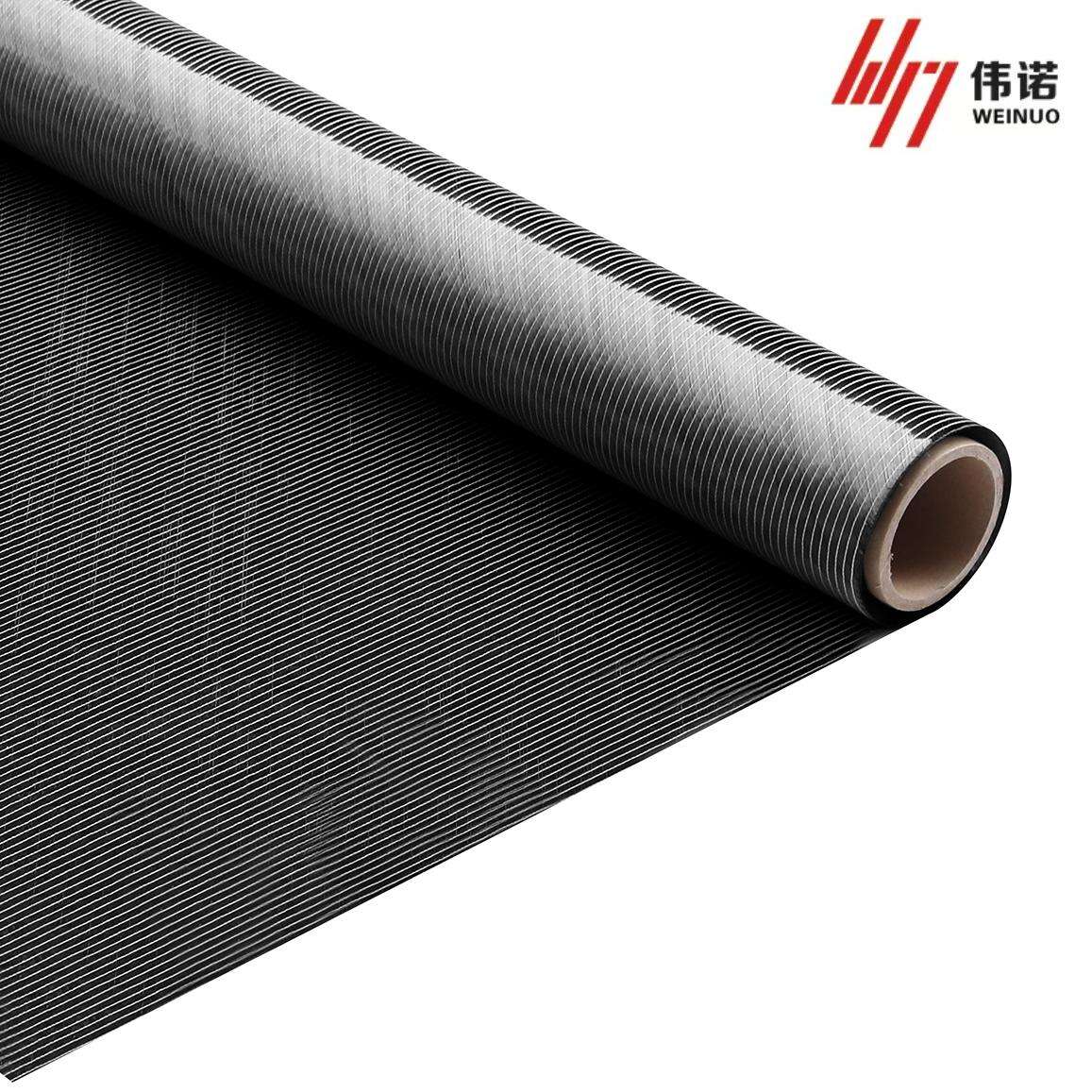
The structural stability of multiaxial carbon fiber fabric during handling and draping also contributes to manufacturing quality by maintaining fiber orientation accuracy and preventing distortion during complex layup operations. Marine hull construction frequently involves compound curvature surfaces, tight radius sections, and complex geometric transitions that challenge fabric conformability and dimensional control. Multiaxial carbon fiber fabric formulations designed specifically for marine applications incorporate stitching patterns and binder systems that balance drapability against dimensional stability, enabling fabricators to achieve consistent fiber orientation on complex tooling surfaces without fiber bridging, wrinkling, or excessive resin-rich zones that compromise mechanical properties. This processing reliability translates directly into higher first-pass quality rates, reduced material waste, and more predictable structural performance in finished marine structures.
Compatibility with Advanced Manufacturing Processes
Modern marine composite manufacturing increasingly employs vacuum infusion, resin transfer molding, and prepreg autoclave processes to achieve superior fiber-to-resin ratios, void reduction, and mechanical property consistency compared to traditional hand layup methods. Multiaxial carbon fiber fabric demonstrates excellent compatibility with all major marine composite processing methods, providing designers with manufacturing flexibility to select optimal production techniques based on part geometry, production volume, and performance requirements. In vacuum infusion applications, the controlled permeability of multiaxial carbon fiber fabric enables predictable resin flow patterns and complete fiber wet-out without excessive resin consumption, yielding laminates with fiber volume fractions approaching sixty percent for maximum mechanical efficiency.
For high-performance racing yacht construction and military marine applications where absolute property maximization justifies premium processing costs, multiaxial carbon fiber fabric is also available in prepreg formats that combine precise fiber placement with controlled resin content and specialized toughening systems. Prepreg multiaxial carbon fiber fabric enables autoclave processing that delivers the highest achievable mechanical properties, lowest void contents, and most consistent quality for critical structural components including hull primary structures, rigging attachment points, and keel fins where structural failure could result in catastrophic consequences. The manufacturing versatility of multiaxial carbon fiber fabric allows marine builders to optimize production methods for each specific application, balancing performance requirements against budget constraints and production capabilities throughout diverse marine construction projects.
Quality Control and Performance Predictability
Structural reliability in marine applications depends on achieving consistent material properties and predictable mechanical behavior throughout the vessel structure. Multiaxial carbon fiber fabric manufactured to aerospace or marine certification standards provides documented material properties, controlled fiber orientation tolerances, and batch-to-batch consistency that enables accurate structural analysis and confident design optimization. Leading manufacturers of multiaxial carbon fiber fabric maintain rigorous quality systems that control fiber type specifications, areal weight tolerances, stitching integrity, and dimensional accuracy to ensure that physical material properties match published design data used in engineering calculations. This material consistency allows naval architects to employ finite element analysis and other computational design tools with confidence that manufactured structures will deliver predicted performance.
The traceability and documentation available with certified multiaxial carbon fiber fabric also supports classification society approval processes and regulatory compliance requirements governing commercial marine construction. Lloyd's Register, American Bureau of Shipping, and other marine classification societies require extensive material testing, process validation, and quality documentation to approve composite materials for primary structural applications in classed vessels. Multiaxial carbon fiber fabric from established suppliers includes the technical data packages, test reports, and manufacturing certifications necessary to support classification approval processes, reducing approval timelines and regulatory risk for commercial marine projects. This combination of performance predictability and regulatory compatibility makes multiaxial carbon fiber fabric the preferred reinforcement choice for professional marine construction where structural certification and insurance underwriting depend on documented material pedigree.
Application-Specific Performance Characteristics
High-Performance Sailing Yacht Construction
Racing sailboat construction represents the most demanding application environment for multiaxial carbon fiber fabric, where structural weight, stiffness, and impact resistance determine competitive success. Modern racing yacht designs employ sophisticated structural optimization that places multiaxial carbon fiber fabric in carefully calculated orientations throughout hull, deck, and rigging structures to maximize stiffness-to-weight ratios while meeting class rule restrictions and safety requirements. America's Cup campaigns, offshore racing programs, and grand prix sailing yachts routinely specify custom multiaxial carbon fiber fabric configurations with fiber orientations, areal weights, and fabric architectures tailored to specific load paths and structural requirements identified through computational analysis and empirical testing programs.
The torsional rigidity provided by properly oriented multiaxial carbon fiber fabric proves particularly crucial in sailing yacht hull structures where minimizing hull twist under asymmetric sail loading directly improves pointing ability and upwind performance. By strategically positioning plus-and-minus forty-five degree fiber orientations in hull side panels and bottom structures, yacht designers create torsion boxes that resist twisting loads while maintaining the longitudinal bending stiffness necessary to prevent hull sagging between bow and stern attachment points. This structural sophistication would be impossible to achieve efficiently using traditional woven fabrics or unidirectional reinforcements, explaining why virtually all competitive sailing programs above thirty feet now specify multiaxial carbon fiber fabric as the primary structural reinforcement throughout hull and deck laminates.
Power Vessel and Performance Boat Applications
High-speed powerboats encounter severe impact loads from wave slamming that subject hull bottoms to localized pressures exceeding several tons per square foot during offshore operation. Multiaxial carbon fiber fabric provides the combination of flexural stiffness, impact energy absorption, and damage tolerance required to survive these extreme loading conditions while maintaining structural integrity throughout thousands of impact cycles. Performance boat builders employ biaxial and triaxial multiaxial carbon fiber fabric in hull bottom laminates, often combining multiple fabric weights and orientations to create graduated laminate schedules that balance weight minimization against impact resistance requirements in different hull zones.
The superior stiffness-to-weight ratio of multiaxial carbon fiber fabric also enables powerboat designers to reduce hull deflection and structural damping, contributing to improved ride quality, reduced crew fatigue, and higher sustainable cruising speeds in challenging sea conditions. Offshore racing programs and military patrol craft specification increasingly mandate multiaxial carbon fiber fabric in primary hull structures specifically to achieve the structural performance necessary for sustained high-speed operation in rough water. The ability of multiaxial carbon fiber fabric to maintain mechanical properties under cyclic loading prevents the cumulative fatigue damage that eventually degrades traditional fiberglass composite structures, extending effective service life and reducing maintenance requirements throughout the vessel's operational envelope.
Marine Infrastructure and Commercial Applications
Beyond recreational and military vessels, multiaxial carbon fiber fabric finds increasing application in marine infrastructure including floating docks, seawater intake structures, offshore platform components, and marine renewable energy systems where corrosion resistance and structural durability justify premium material costs. Tidal energy turbine blades manufactured with multiaxial carbon fiber fabric deliver the aerodynamic precision, structural stiffness, and fatigue resistance necessary for continuous operation in harsh marine environments while maintaining dimensional stability throughout millions of loading cycles. Similarly, wave energy conversion devices employ multiaxial carbon fiber fabric in primary structural components to achieve the strength-to-weight ratios and corrosion immunity essential for economically viable power generation in offshore deployments.
Commercial aquaculture operations increasingly specify multiaxial carbon fiber fabric for offshore fish pen structures, feed barge construction, and support vessel components where the combination of corrosion resistance, structural efficiency, and reduced maintenance requirements delivers compelling lifecycle cost advantages compared to traditional metallic construction. The dimensional stability and UV resistance of properly protected multiaxial carbon fiber fabric laminates ensures consistent structural performance throughout decades of continuous saltwater immersion without the replacement cycles and maintenance interventions required by fiberglass or metal alternatives. As marine industries continue recognizing the total cost of ownership benefits associated with advanced composite materials, specification of multiaxial carbon fiber fabric in commercial marine applications continues expanding beyond traditional performance-oriented markets into mainstream commercial construction.
Material Selection and Engineering Considerations
Fiber Orientation Configuration Options
Effective use of multiaxial carbon fiber fabric requires understanding how different fiber orientation configurations affect mechanical properties and structural behavior under marine loading conditions. Biaxial multiaxial carbon fiber fabric, typically combining zero-degree and ninety-degree fiber orientations or plus-and-minus forty-five degree configurations, provides excellent in-plane stiffness and is widely used in hull side panels, deck structures, and other applications where primary loads act within the fabric plane. Triaxial multiaxial carbon fiber fabric adds a third fiber orientation to biaxial configurations, commonly incorporating zero, plus-forty-five, and minus-forty-five degree layers to create more isotropic in-plane properties with enhanced shear resistance ideal for complex loading environments.
Quadriaxial multiaxial carbon fiber fabric includes all four primary fiber orientations within a single fabric structure, providing nearly isotropic in-plane mechanical properties at the cost of increased fabric thickness and weight. While quadriaxial configurations offer maximum design flexibility, marine structural engineers typically achieve better weight efficiency by combining thinner biaxial or triaxial multiaxial carbon fiber fabric layers in optimized stacking sequences that place specific fiber orientations at optimal through-thickness positions relative to neutral axis locations and maximum stress planes. This laminate engineering approach allows precise tailoring of structural response while minimizing total laminate weight, explaining why custom layup schedules using multiple multiaxial carbon fiber fabric types generally outperform single-fabric solutions in weight-critical marine applications.
Resin System Compatibility and Environmental Durability
The long-term durability and environmental resistance of marine structures built with multiaxial carbon fiber fabric depends critically on selecting appropriate resin matrix systems that provide moisture resistance, thermal stability, and mechanical toughness suitable for marine service conditions. Epoxy resin systems dominate marine composite construction due to their excellent adhesion to carbon fibers, low shrinkage during cure, superior mechanical properties, and good moisture resistance compared to polyester or vinylester alternatives. Marine-grade epoxy formulations incorporate hydrophobic modifiers and toughening agents that minimize water absorption while maintaining impact resistance and damage tolerance essential for marine structural applications.
When processing multiaxial carbon fiber fabric using vacuum infusion or resin transfer molding techniques, resin viscosity, gel time, and cure characteristics must be carefully matched to fabric permeability and part geometry to ensure complete fiber wet-out and void-free laminates. Low-viscosity marine infusion resins formulated specifically for use with multiaxial carbon fiber fabric provide extended working times that enable complete infiltration of thick laminates or large structural components while maintaining sufficient reactivity to achieve full cure without requiring elevated temperature post-cure cycles. The chemical compatibility between multiaxial carbon fiber fabric sizing treatments and specific resin chemistries also affects interfacial adhesion and resulting mechanical properties, making it essential to verify that fabric and resin selections come from compatible material systems validated for marine applications through appropriate testing protocols.
Design Integration and Structural Optimization
Maximizing the structural benefits of multiaxial carbon fiber fabric requires integrating material selection with comprehensive structural analysis that accounts for actual marine loading conditions, safety factors, and failure mode considerations. Finite element modeling enables engineers to predict stress distributions, identify critical load paths, and optimize fiber orientations throughout complex marine structures before committing to physical construction. Modern marine design software packages include material libraries with mechanical property data for common multiaxial carbon fiber fabric configurations, allowing designers to rapidly evaluate different layup schedules and identify optimal solutions that balance structural performance against weight and cost constraints.
Effective structural optimization also requires understanding how multiaxial carbon fiber fabric laminates behave under off-axis loading, impact conditions, and fatigue cycling that may not be fully captured in simplified linear analysis. Marine structures must accommodate manufacturing tolerances, service damage accumulation, and occasional overload events without catastrophic failure, necessitating design approaches that incorporate appropriate safety margins and damage tolerance considerations. Progressive failure analysis techniques that model sequential ply failure and load redistribution provide valuable insights into ultimate strength behavior and failure progression in multiaxial carbon fiber fabric laminates, enabling engineers to design marine structures that exhibit graceful degradation characteristics rather than sudden catastrophic failures when loaded beyond design limits.
Economic Justification and Lifecycle Value
Initial Cost Versus Total Ownership Economics
While multiaxial carbon fiber fabric commands premium pricing compared to traditional fiberglass reinforcements, comprehensive lifecycle cost analysis consistently demonstrates favorable total ownership economics driven by reduced fuel consumption, minimal maintenance requirements, and extended service life. For commercial marine operators, the fuel savings achieved through weight reduction can recover the incremental material cost premium within the first few years of operation, particularly in high-utilization applications such as passenger ferries, crew transfer vessels, and patrol boats where operational expenses dominate total cost of ownership. Naval architects working with commercial clients increasingly employ lifecycle cost modeling that quantifies the financial benefits of multiaxial carbon fiber fabric specification across twenty to thirty-year service lives, demonstrating compelling return on investment despite higher initial construction costs.
The maintenance cost avoidance associated with multiaxial carbon fiber fabric construction provides additional economic value through elimination of painting cycles, corrosion repairs, and structural reinforcement work required to maintain aging metal or fiberglass vessels. Commercial operators report maintenance cost reductions of forty to sixty percent for vessels constructed with multiaxial carbon fiber fabric compared to equivalent traditional construction, reflecting the inherent durability and corrosion immunity of properly designed composite structures. Insurance underwriters also recognize the reduced risk profile of advanced composite vessels, often providing favorable premium rates that further improve the financial case for multiaxial carbon fiber fabric specification in commercial marine applications where insurance costs represent significant operational expenses.
Performance Value and Competitive Advantage
In performance-oriented marine markets including racing sailboats, high-speed patrol craft, and luxury yachts, the superior performance characteristics enabled by multiaxial carbon fiber fabric create competitive advantages that transcend simple cost-benefit calculations. Racing programs invest in multiaxial carbon fiber fabric construction because the resulting weight savings and structural efficiency directly determine competitive success, with winning margins often measured in seconds over multi-hour races where every kilogram of structural weight affects boat speed. Similarly, luxury yacht buyers increasingly demand carbon composite construction as a premium feature that signals technical sophistication and performance orientation, making multiaxial carbon fiber fabric specification a market differentiator that supports premium pricing and enhances brand positioning.
Military and law enforcement agencies specify multiaxial carbon fiber fabric in patrol vessels and special operations craft specifically to achieve performance capabilities including higher transit speeds, extended range, reduced acoustic signatures, and improved seakeeping that directly enhance mission effectiveness. The tactical advantages provided by lighter, faster, more maneuverable vessels built with multiaxial carbon fiber fabric justify premium acquisition costs when evaluated against operational capability improvements and force multiplication effects. As military procurement organizations increasingly adopt total lifecycle cost analysis methodologies that account for operational benefits beyond simple acquisition price, specification of multiaxial carbon fiber fabric in naval and coast guard vessels continues expanding driven by demonstrated performance advantages in actual operational environments.
Sustainability and Environmental Considerations
Environmental consciousness increasingly influences marine construction material selection, with multiaxial carbon fiber fabric offering sustainability advantages through reduced operational fuel consumption, extended service life, and potential for end-of-life recyclability. The weight reduction achieved through multiaxial carbon fiber fabric specification directly reduces fuel consumption and associated carbon emissions throughout vessel operational life, with lifecycle carbon footprint analyses demonstrating that embodied energy in material production is typically recovered within two to five years of operation through fuel savings alone. This environmental benefit aligns with increasingly stringent emissions regulations affecting commercial marine operations and supports corporate sustainability initiatives adopted by major shipping companies and ferry operators.
Emerging recycling technologies for carbon fiber composites also address traditional end-of-life disposal concerns, with pyrolysis and solvolysis processes now capable of recovering usable carbon fibers from retired marine structures built with multiaxial carbon fiber fabric. While recycled carbon fiber currently commands lower mechanical properties and market values compared to virgin material, continued technology development and growing recycling infrastructure promise to close the loop on composite material lifecycles, further improving the environmental profile of multiaxial carbon fiber fabric in marine applications. As marine industries face increasing regulatory pressure to reduce environmental impacts and demonstrate sustainable practices, the operational efficiency and durability advantages of multiaxial carbon fiber fabric position it as an environmentally responsible choice that balances performance requirements with ecological stewardship.
FAQ
What makes multiaxial carbon fiber fabric better than woven carbon fabric for boats?
Multiaxial carbon fiber fabric eliminates the fiber crimp inherent in woven fabrics where fiber bundles cross over and under each other, allowing fibers to carry loads at full efficiency without structural compromise. This crimp elimination translates into superior mechanical properties, with multiaxial configurations typically delivering fifteen to twenty percent higher strength and stiffness compared to equivalent weight woven fabrics. Additionally, multiaxial carbon fiber fabric enables precise control of fiber orientation angles to match actual loading conditions in marine structures, whereas woven fabrics restrict designers to perpendicular fiber arrangements that may not align optimally with complex stress patterns encountered during vessel operation.
Can multiaxial carbon fiber fabric be used in amateur boat building projects?
Yes, multiaxial carbon fiber fabric is increasingly accessible to amateur builders through marine composite suppliers, though successful application requires understanding proper handling techniques, appropriate resin system selection, and correct laminate design principles. Many recreational boat builders successfully employ multiaxial carbon fiber fabric using vacuum bagging or vacuum infusion processes that produce high-quality laminates without requiring expensive tooling or specialized equipment. However, the premium cost of multiaxial carbon fiber fabric means amateur builders should invest time in proper education and small-scale testing before committing to full-scale construction projects, ensuring they can achieve the quality and performance benefits that justify the material investment.
How does multiaxial carbon fiber fabric perform in impact situations like groundings?
Multiaxial carbon fiber fabric laminates exhibit excellent energy absorption during impact events when designed with appropriate fabric configurations and toughened resin systems, though impact behavior differs from traditional materials like aluminum or fiberglass. Carbon fiber composites absorb impact energy through controlled fiber breakage and delamination rather than plastic deformation, meaning damage may not be immediately visible on surface inspection despite significant internal structural compromise. Marine structures built with multiaxial carbon fiber fabric should incorporate impact-resistant outer layers, adequate laminate thickness in vulnerable areas, and regular inspection protocols using tap testing or ultrasonic methods to detect subsurface damage from grounding incidents or collision events before such damage propagates into structural failure.
What is the typical lifespan of marine structures built with multiaxial carbon fiber fabric?
Properly designed and constructed marine structures using multiaxial carbon fiber fabric with appropriate resin systems and UV-protective coatings routinely achieve service lives exceeding thirty to forty years with minimal maintenance, substantially outlasting traditional fiberglass composite or aluminum construction. The inherent corrosion immunity of carbon fiber eliminates the structural degradation mechanisms that limit metal vessel lifespan, while the dimensional stability and low moisture absorption of quality carbon laminates prevent the osmotic blistering and mechanical property degradation that eventually compromise fiberglass structures. Some racing yacht components built with multiaxial carbon fiber fabric in the 1990s remain in active service today despite extreme loading histories, demonstrating the exceptional durability of properly engineered carbon composite marine structures when protected from UV exposure and mechanical abuse through appropriate operational practices.
Table of Contents
- Structural Advantages That Define Marine Performance
- Manufacturing Efficiency and Construction Advantages
- Application-Specific Performance Characteristics
- Material Selection and Engineering Considerations
- Economic Justification and Lifecycle Value
-
FAQ
- What makes multiaxial carbon fiber fabric better than woven carbon fabric for boats?
- Can multiaxial carbon fiber fabric be used in amateur boat building projects?
- How does multiaxial carbon fiber fabric perform in impact situations like groundings?
- What is the typical lifespan of marine structures built with multiaxial carbon fiber fabric?