
 EN
EN

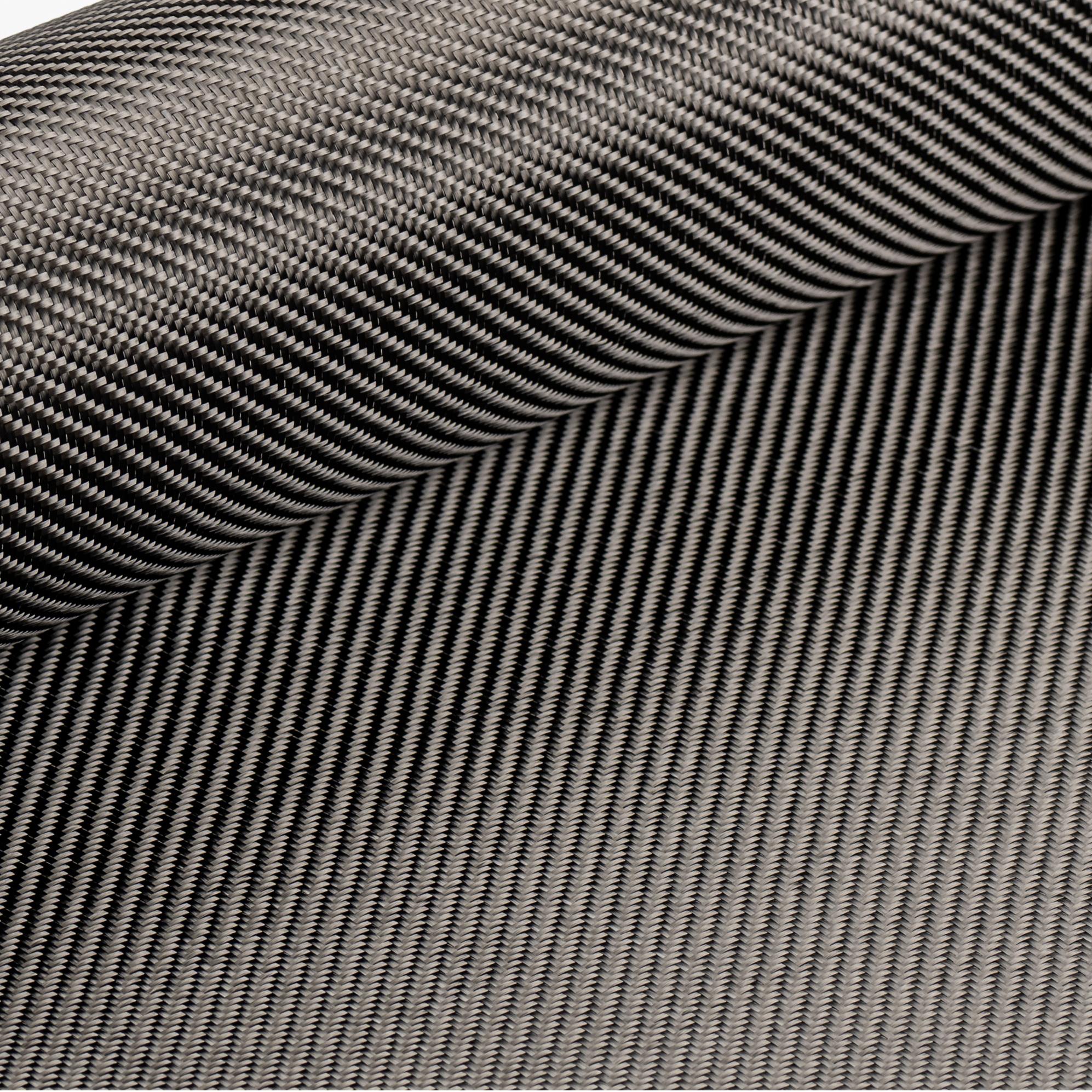
Carbon fiber fabric represents one of the most significant material innovations in modern engineering and manufacturing. Understanding how carbon fiber fabric improves strength and durability is essential for industries ranging from aerospace to automotive, sports equipment to construction. The unique properties of carbon fiber fabric make it an ideal choice for applications requiring exceptional performance characteristics. When manufacturers integrate carbon fiber fabric into their products, they achieve weight reduction without sacrificing structural integrity, a combination that traditional materials simply cannot deliver.
The transformation that carbon fiber fabric brings to product engineering stems from its molecular structure and the advanced manufacturing processes used to create it. Carbon fiber fabric consists of thin strands of carbon material woven into a textile form, which can then be combined with resin systems to create composite structures. This combination of carbon fiber fabric with resin creates materials that are stronger than steel yet lighter than aluminum. Products manufactured using carbon fiber fabric experience dramatic improvements in load-bearing capacity, fatigue resistance, and overall longevity in demanding environments.
Enhanced Strength Properties Through Molecular Structure
How Carbon Fiber Fabric Achieves Superior Tensile Strength
The exceptional strength of carbon fiber fabric originates from the atomic bonding within individual carbon fibers. Each fiber contains carbon atoms arranged in a crystalline structure that creates tremendous tensile strength parallel to the fiber direction. When manufacturers weave carbon fiber fabric into multiple orientations, they create multi-directional reinforcement that distributes loads efficiently across the material. This directional strength characteristic means that carbon fiber fabric can be engineered to provide maximum strength precisely where products need it most, whether in tension, compression, or torsional applications.
The strength-to-weight ratio of carbon fiber fabric is fundamentally superior to conventional materials used in manufacturing. Steel, while strong, adds significant weight that increases transportation costs and reduces overall system efficiency. Aluminum offers better weight characteristics but sacrifices strength. Carbon fiber fabric delivers an optimal balance, providing the strength of steel at approximately one-quarter the weight. This advantage proves critical in aerospace applications, where every kilogram of weight reduction directly translates to fuel savings and increased payload capacity.
Resistance to Environmental Stress and Fatigue
Carbon fiber fabric demonstrates remarkable resistance to material fatigue, which occurs when products undergo repeated stress cycles over extended periods. Unlike metals that gradually weaken with each stress cycle, carbon fiber fabric maintains its structural integrity through millions of repetitions. This fatigue resistance means products constructed from carbon fiber fabric maintain consistent performance characteristics throughout their operational life. Industrial equipment, automotive components, and sports equipment all benefit from this fundamental property that extends product lifespan significantly.
Environmental factors that degrade conventional materials have minimal impact on carbon fiber fabric. Moisture absorption, thermal expansion, and chemical exposure create serious durability problems for metal and fiberglass components. Carbon fiber fabric exhibits excellent resistance to moisture ingress, preventing the internal corrosion and delamination problems that plague traditional composites. This environmental resilience allows carbon fiber fabric products to maintain performance consistency across diverse climates and operating conditions.
Durability Advantages in Real-World Applications
Extended Service Life and Reduced Maintenance
Products manufactured from carbon fiber fabric typically demonstrate service life extensions of 50 to 100 percent compared to conventional material alternatives. This extended operational lifespan directly reduces lifecycle costs, as manufacturers need fewer replacement components over the product's lifetime. Carbon fiber fabric products require minimal maintenance because the material resists corrosion, doesn't delaminate under normal operating conditions, and maintains dimensional stability across temperature fluctuations. Industrial applications particularly benefit from these durability characteristics, as reduced maintenance downtime translates directly to increased productivity.
The cost-benefit analysis increasingly favors carbon fiber fabric even in price-sensitive markets, because the total cost of ownership favors the extended lifespan and reduced maintenance requirements. While initial material costs for carbon fiber fabric exceed conventional alternatives, the reduced replacement frequency and minimal maintenance needs create economic advantages over medium and long-term timeframes. Manufacturers in industries requiring high reliability, such as oil and gas, marine, and aerospace sectors, recognize that investing in carbon fiber fabric reduces operational disruptions and unexpected failures.
Impact Resistance and Structural Integrity
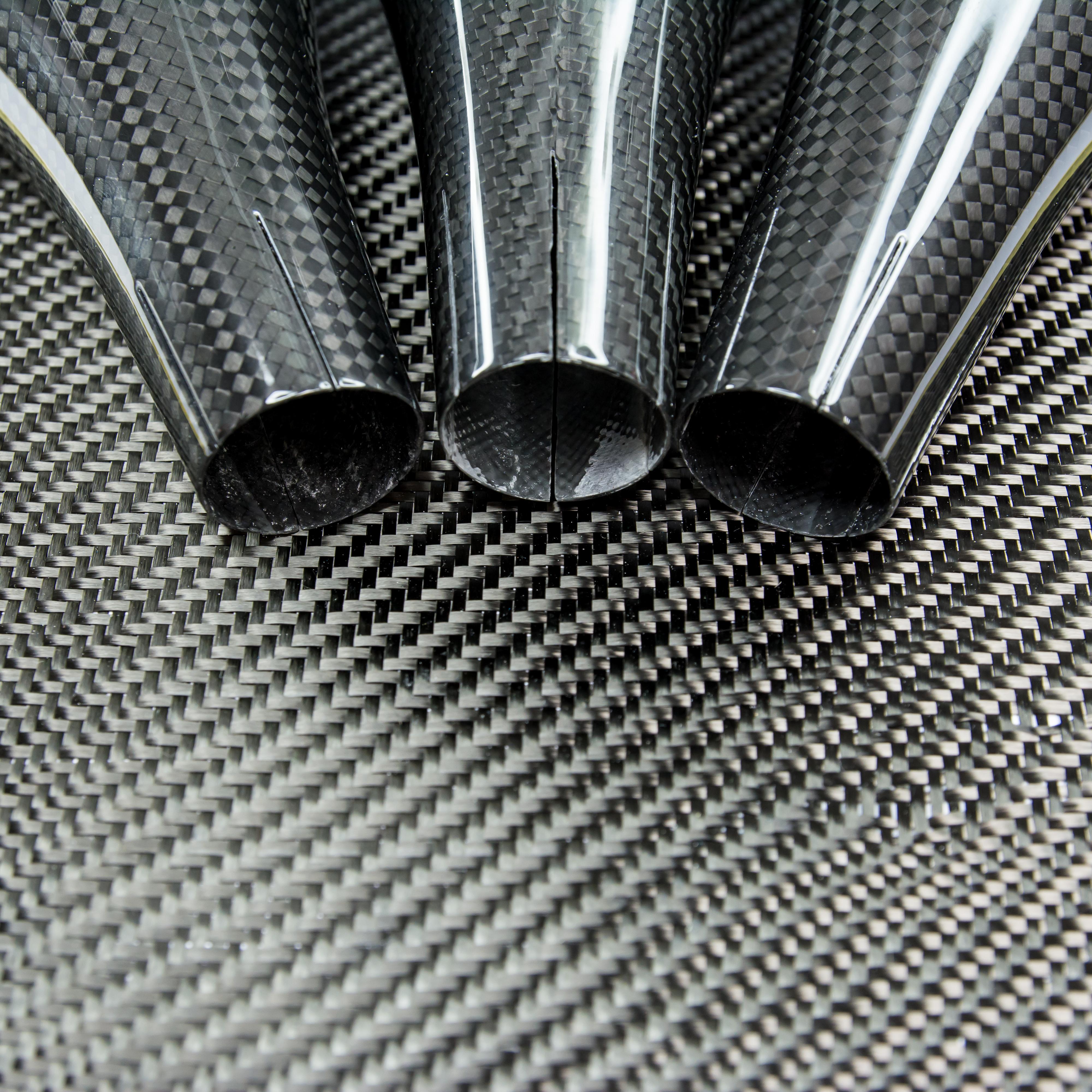
Carbon fiber fabric offers exceptional impact resistance that protects products during handling, transportation, and operational incidents. The weave structure of carbon fiber fabric distributes impact energy across multiple fibers, preventing catastrophic failure from localized impacts. This damage-tolerance characteristic means that carbon fiber fabric products can survive incidents that would destroy components made from brittle materials. Sports equipment, protective gear, and automotive components particularly benefit from this impact-resistant property that enhances both performance and safety.
Structural integrity in carbon fiber fabric remains consistent even after impact events, as the material experiences localized damage rather than catastrophic failure. This graceful degradation ensures that damaged carbon fiber fabric components remain functional and provide warning signs before complete failure occurs. Engineers and maintenance personnel can identify damaged carbon fiber fabric components before they compromise product performance, preventing unexpected service interruptions.
Integration Strategies for Optimal Performance
Engineering Design Principles for Carbon Fiber Fabric Applications
Maximizing the benefits of carbon fiber fabric requires thoughtful engineering design that considers fiber orientation, ply configuration, and resin selection. Engineers analyze specific loading conditions and design carbon fiber fabric layup sequences that align fibers with primary stress directions. This strategic approach ensures that carbon fiber fabric delivers maximum strength improvements in critical applications. Aerospace engineers, automotive designers, and sports equipment manufacturers all employ these principles to achieve superior performance characteristics.
Carbon fiber fabric integration also requires attention to manufacturing processes that ensure proper fiber-resin bonding and eliminate defects that compromise durability. Vacuum bagging, autoclave processing, and resin infusion techniques each offer different advantages for achieving consistent carbon fiber fabric quality. Manufacturers selecting appropriate processing methods ensure that the full potential of carbon fiber fabric translates into finished products with reliable performance characteristics.
Sustainability and Long-Term Value Creation
The extended service life of carbon fiber fabric products creates environmental benefits beyond the material itself, as reduced replacement frequency decreases overall manufacturing waste. Products designed with carbon fiber fabric generate fewer manufacturing cycles per unit of service delivered, reducing cumulative environmental impact. Additionally, the lightweight characteristics of carbon fiber fabric products decrease fuel consumption throughout transportation and operational phases, contributing to reduced emissions and improved sustainability metrics.
Industries increasingly recognize that carbon fiber fabric investments align with both economic and environmental objectives. The combination of extended durability, reduced maintenance requirements, and lightweight efficiency creates compelling value propositions that justify material cost premiums. Forward-thinking manufacturers incorporate carbon fiber fabric into product strategies recognizing that superior performance characteristics deliver competitive advantages in demanding markets.
FAQ
What specific strength improvements does carbon fiber fabric provide compared to traditional materials?
Carbon fiber fabric typically provides tensile strength values two to three times greater than aluminum while weighing approximately one-quarter as much. The specific strength improvement depends on fiber orientation, resin selection, and application requirements, but most industrial applications experience at least 50 percent strength improvements when transitioning from conventional materials to carbon fiber fabric composites. The superior strength-to-weight ratio makes carbon fiber fabric particularly valuable in weight-sensitive applications.
How does moisture exposure affect the durability of carbon fiber fabric products?
Carbon fiber fabric itself exhibits excellent moisture resistance, though the resin matrix can absorb limited quantities of moisture under extreme conditions. Quality carbon fiber fabric products manufactured with appropriate resin systems maintain structural integrity even in high-humidity environments. Proper manufacturing techniques, protective surface coatings, and resin selection ensure that carbon fiber fabric products resist moisture-related degradation that commonly affects traditional composite materials.
Can carbon fiber fabric products be repaired if they sustain damage?
Carbon fiber fabric products can often be repaired through localized patching, resin infusion, or replacement of damaged plies, depending on damage severity and application criticality. Minor damage to carbon fiber fabric typically requires surface repair involving resin application and sanding, while moderate damage may require more extensive patching. Severely damaged carbon fiber fabric components may require replacement, though the extended service life of carbon fiber fabric means repairs occur infrequently compared to conventional materials.