
 EN
EN

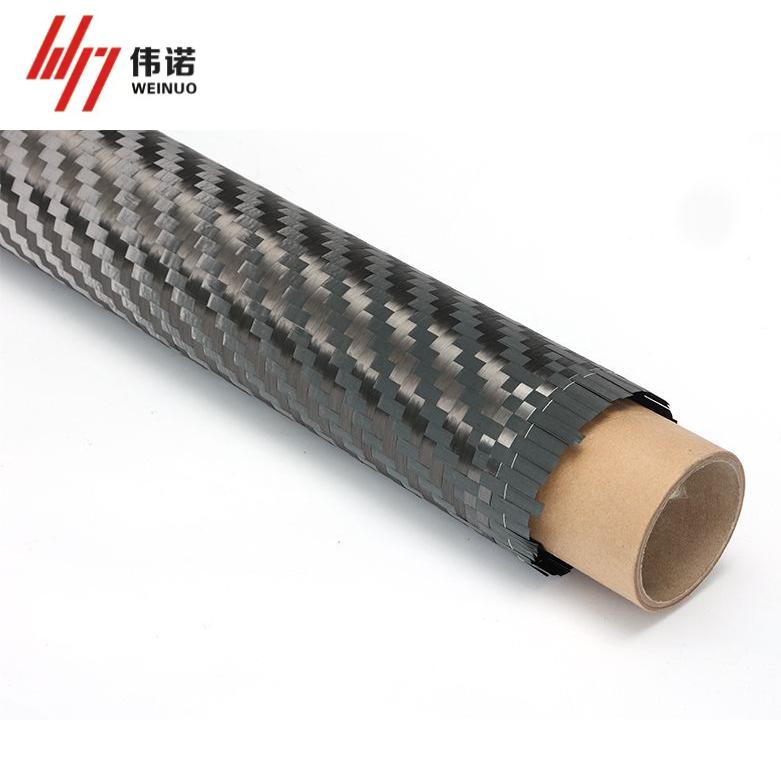
Carbon fiber fabric weave types represent one of the most critical design decisions in composite manufacturing and engineering applications. The specific weave pattern you select directly influences mechanical properties, handling characteristics, cost efficiency, and final product performance. Understanding the distinctions between carbon fiber fabric weave types enables manufacturers, engineers, and procurement teams to match materials precisely with application requirements rather than making generic assumptions that lead to performance gaps or unnecessary expense.
Each carbon fiber fabric weave type offers distinct advantages and trade-offs that must be evaluated within the context of your specific application. Whether you are producing aerospace components, automotive parts, sporting equipment, or industrial structures, the choice of carbon fiber fabric weave types significantly affects how the material behaves under stress, how easily it can be processed, and ultimately whether the finished product meets performance specifications and cost targets.
Plain Weave Carbon Fiber Fabric
Characteristics and Structure
Plain weave represents the simplest and most symmetrical pattern among carbon fiber fabric weave types. In plain weave carbon fiber, each fiber bundle passes over and under alternating bundles in both the warp and weft directions, creating a checkerboard appearance. This straightforward interlocking pattern produces a balanced fabric with equal properties in both the warp and weft directions. Plain weave carbon fiber fabric weave types offer excellent stability and dimensional consistency because the regular over-under pattern distributes stress evenly across the entire fabric surface.
Performance and Applications
Plain weave carbon fiber fabric weave types deliver superior in-plane shear resistance and excellent damage tolerance compared to more directional patterns. The symmetrical structure makes plain weave ideal for applications requiring multidirectional strength and balanced mechanical properties. Plain weave is commonly selected for aerospace components, pressure vessels, and structural applications where load distribution is unpredictable or multidirectional. The carbon fiber fabric weave types in the plain category also tend to be more cost-effective because the simple interlocking requires less specialized processing and lower manufacturing complexity.
One notable advantage of plain weave carbon fiber fabric weave types is their superior impact resistance. The frequent fiber interlocking absorbs and dissipates impact energy more effectively than weaves with longer fiber runs. However, this benefit comes with a trade-off: plain weave carbon fiber fabric weave types typically exhibit slightly lower fiber volume fractions because the undulation required for the weave pattern creates less efficient packing than parallel fiber arrangements.
Twill Weave Carbon Fiber Fabric
Pattern and Mechanical Behavior
Twill weave carbon fiber fabric weave types follow a 2/2 or similar pattern where fiber bundles pass over two bundles and under two bundles in a diagonal progression across the fabric surface. This distinctive diagonal line pattern is immediately recognizable when examining twill weave carbon fiber. The carbon fiber fabric weave types in the twill category produce a fabric that is slightly more pliable and drapes more smoothly than plain weave, making it easier to conform to complex mold geometries during lay-up operations. The reduced number of fiber intersections compared to plain weave allows longer continuous fiber runs, which enhances directional strength along the bias.
Suitability and Market Adoption
Twill weave carbon fiber fabric weave types have become industry standard for many high-performance applications because they offer an optimal balance between strength, flexibility, and processability. The diagonal structure in twill weave carbon fiber fabric weave types provides better torsional rigidity than plain weave while maintaining good impact resistance. Automotive manufacturers frequently select twill weave carbon fiber for body panels and structural components because the improved drapability reduces manufacturing time and defects. The carbon fiber fabric weave types represented by twill also offer superior aesthetic appeal, which explains their popularity in visible components where surface finish quality matters commercially.
Manufacturing teams prefer twill weave carbon fiber fabric weave types because they typically achieve higher fiber content than plain weave while maintaining reasonable handling characteristics. Twill patterns can be woven in various ratios, such as 2/2, 3/3, or 2/1, allowing engineers to fine-tune the fabric properties according to specific application demands. The carbon fiber fabric weave types in the twill category generally offer better formability, which is essential in stamping operations and rapid manufacturing processes used in high-volume production environments.
Specialty Weave Patterns and Selection Strategy
Satin and Hybrid Weave Carbon Fiber
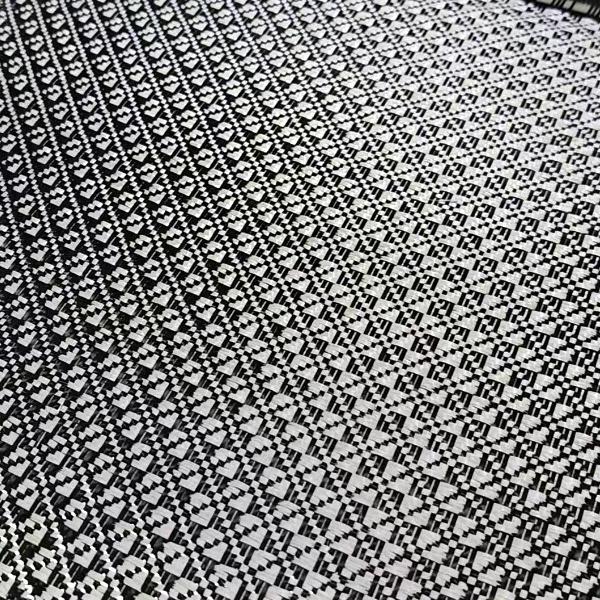
Beyond plain and twill, carbon fiber fabric weave types include satin weaves and various hybrid patterns designed for specialized applications. Satin weave carbon fiber fabric weave types minimize the number of fiber intersections by having bundles pass over and under longer sequences, creating exceptional fiber straightness within each bundle. The carbon fiber fabric weave types featuring satin construction deliver maximum tensile strength and excellent longitudinal stiffness but sacrifice some impact resistance and shear strength compared to plain or twill patterns. Satin weave carbon fiber fabric weave types are typically reserved for high-load applications where unidirectional or near-unidirectional reinforcement provides clear performance advantages.
Decision Framework for Weave Selection
Selecting among available carbon fiber fabric weave types requires systematic evaluation of application demands, manufacturing constraints, and cost parameters. The carbon fiber fabric weave types decision should begin with load analysis: determine whether loads are primarily unidirectional, multidirectional, or complex with torsional and shear components. Impact resistance requirements heavily influence the choice between carbon fiber fabric weave types, with plain weave generally providing superior performance in this category. Processing considerations matter significantly as well; carbon fiber fabric weave types vary in drapability, handleability, and their compatibility with specific manufacturing methods like hand lay-up, vacuum bagging, or automated fiber placement.
Cost analysis remains critical when comparing carbon fiber fabric weave types. Plain weave typically costs less but may require thicker layups to achieve target properties. Twill weave costs more per unit but often delivers superior properties with thinner construction, potentially offsetting the material cost premium. The ultimate selection of carbon fiber fabric weave types should balance mechanical requirements, manufacturing feasibility, aesthetic considerations, and total lifecycle cost rather than focusing narrowly on any single factor. carbon fiber fabric weave types available in the market span a wide range of specifications, allowing precise matching with application requirements.
FAQ
What is the difference between plain weave and twill weave carbon fiber fabric?
Plain weave features a symmetrical over-under pattern creating a checkerboard appearance with excellent multidirectional properties and impact resistance, while twill weave uses a diagonal pattern with longer fiber runs that provides better drapability and slightly higher directional strength. Plain weave carbon fiber fabric weave types are more rigid and offer more balanced strength distribution, whereas twill weave carbon fiber fabric weave types excel in complex geometries and torsional applications. The choice between these two represents the most common decision when selecting carbon fiber fabric weave types for industrial applications.
How do carbon fiber fabric weave types affect manufacturing time and cost?
Different carbon fiber fabric weave types directly impact labor hours and material efficiency during manufacturing. Twill weave carbon fiber fabric weave types typically reduce hand-lay-up time by 15-25% compared to plain weave due to improved drapability and reduced wrinkling. Conversely, plain weave carbon fiber fabric weave types may require fewer layers to achieve equivalent strength in multidirectional loading scenarios, reducing total material consumption. The cost trade-off between carbon fiber fabric weave types depends on your specific production volume, labor rates, and whether the application emphasizes material efficiency or manufacturing speed.
Which carbon fiber fabric weave types offer the best impact resistance?
Plain weave carbon fiber fabric weave types consistently demonstrate superior impact resistance and energy absorption compared to other weave patterns because the frequent fiber interlocking distributes impact forces across a larger area. Twill weave carbon fiber fabric weave types provide acceptable impact performance while offering better directional strength, making them suitable for most commercial applications. For applications requiring exceptional impact tolerance, such as aerospace or automotive crash-critical components, plain weave carbon fiber fabric weave types remain the preferred choice despite their slightly lower stiffness compared to satin or specialized hybrid weave patterns.