
 EN
EN

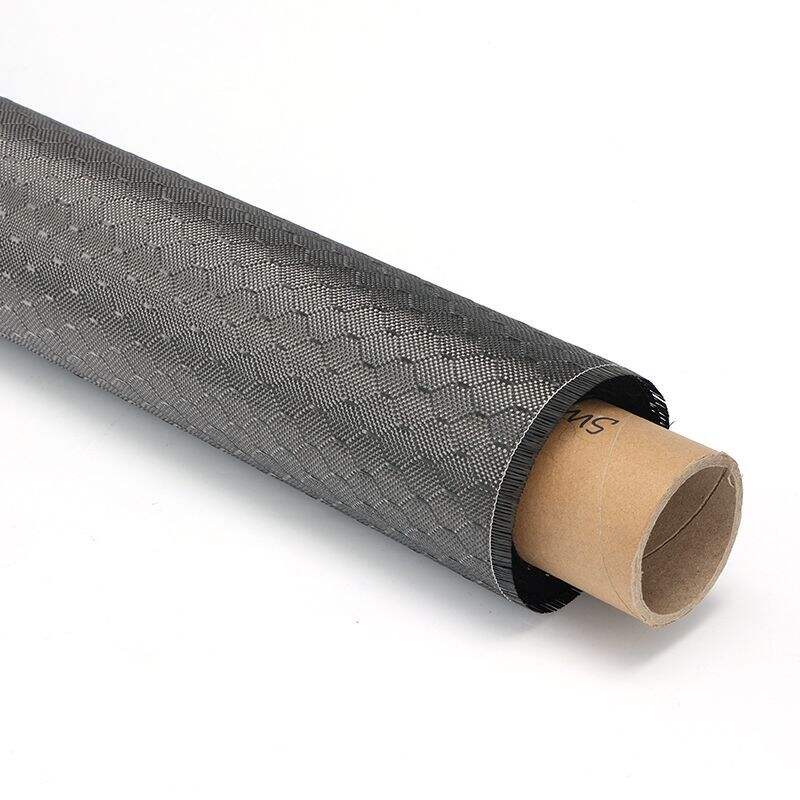
Selecting the right carbon kevlar fabric for composite manufacturing requires careful consideration of multiple technical factors that directly impact the performance, durability, and cost-effectiveness of your final product. Modern composite manufacturing relies heavily on advanced materials that combine the exceptional strength-to-weight ratio of carbon fiber with the impact resistance and toughness of kevlar fibers. Understanding the properties and applications of carbon kevlar fabric enables engineers and manufacturers to make informed decisions that optimize both manufacturing processes and end-product performance. This comprehensive guide explores the critical aspects of carbon kevlar fabric selection, providing practical insights for achieving superior composite results.

Understanding Carbon Kevlar Fabric Properties
Material Composition and Structure
Carbon kevlar fabric represents a hybrid composite material that strategically combines carbon fiber and kevlar aramid fibers in various weave patterns and ratios. The carbon fibers provide exceptional tensile strength, stiffness, and lightweight characteristics, while kevlar fibers contribute superior impact resistance, vibration damping, and fatigue properties. This combination creates a material that addresses the limitations of individual fiber types, resulting in composites with balanced mechanical properties. The typical fiber ratio in carbon kevlar fabric ranges from 50/50 to 70/30 carbon to kevlar, though custom ratios can be manufactured to meet specific application requirements.
The weave architecture significantly influences the mechanical properties and handling characteristics of carbon kevlar fabric. Common weave patterns include plain weave, twill weave, and satin weave, each offering distinct advantages for different manufacturing scenarios. Plain weave provides excellent stability and uniform properties in both warp and fill directions, making it ideal for applications requiring consistent performance across the fabric surface. Twill weave offers improved drapability and reduced crimp, which enhances the fabric's ability to conform to complex geometries while maintaining fiber orientation. Understanding these structural characteristics helps manufacturers select the most appropriate carbon kevlar fabric for their specific composite requirements.
Mechanical Performance Characteristics
The mechanical properties of carbon kevlar fabric vary significantly based on fiber ratio, weave pattern, and manufacturing quality. Tensile strength typically ranges from 2000 to 4000 MPa, depending on the carbon fiber content and orientation. The modulus of elasticity can vary from 120 to 240 GPa, with higher carbon content fabrics exhibiting greater stiffness. Impact resistance, measured through various test methods, demonstrates the superior energy absorption capabilities of hybrid carbon kevlar fabric compared to pure carbon fiber materials. These properties make carbon kevlar fabric particularly suitable for applications requiring both structural integrity and damage tolerance.
Fatigue resistance represents another critical performance characteristic that distinguishes carbon kevlar fabric from conventional composite materials. The inclusion of kevlar fibers significantly improves the material's ability to withstand cyclic loading without failure, making it ideal for dynamic applications such as aerospace components, sporting goods, and automotive parts. Compression strength, while typically lower than pure carbon fiber composites, remains adequate for most structural applications while providing enhanced post-impact performance. The unique combination of properties in carbon kevlar fabric enables designers to create lighter, more durable structures that maintain performance under challenging operating conditions.
Application-Specific Selection Criteria
Aerospace and Defense Applications
Aerospace applications demand carbon kevlar fabric with specific properties that address the unique challenges of flight environments. High-performance aircraft structures require materials that can withstand extreme temperature variations, intense vibrations, and potential impact damage from debris or bird strikes. The selection criteria for aerospace carbon kevlar fabric typically emphasize high modulus carbon fibers combined with ballistic-grade kevlar to achieve optimal strength-to-weight ratios while maintaining impact resistance. Fire retardancy requirements often necessitate specialized resin systems and fabric treatments that comply with aviation safety standards such as FAR 25.853 and similar regulations.
Defense applications present additional challenges that influence carbon kevlar fabric selection, including ballistic protection requirements and electromagnetic interference considerations. Military vehicles and personal protection equipment benefit from carbon kevlar fabric formulations that maximize energy absorption while minimizing weight penalties. The fabric architecture must accommodate multi-hit ballistic performance while maintaining structural integrity under various environmental conditions. Additionally, stealth applications may require specific carbon fiber treatments or coating systems that minimize radar cross-section while preserving the mechanical advantages of the hybrid material.
Automotive and Motorsport Requirements
The automotive industry increasingly relies on carbon kevlar fabric for high-performance applications ranging from body panels to safety structures. Motorsport applications demand materials that can survive high-energy impacts while maintaining driver protection standards. The selection process must consider crash energy absorption, fire resistance, and repairability under race conditions. Carbon kevlar fabric used in automotive applications typically features intermediate modulus carbon fibers paired with para-aramid kevlar to balance stiffness requirements with impact tolerance. The weave pattern selection often favors twill or satin constructions that provide excellent conformability for complex automotive geometries.
Production automotive applications require carbon kevlar fabric specifications that support high-volume manufacturing processes while meeting cost targets and performance requirements. The material must demonstrate consistent quality, predictable processing characteristics, and compatibility with automotive resin systems. Surface finish requirements for visible parts may influence fabric selection toward finer weave patterns or specialized surface treatments. Additionally, recycling considerations are becoming increasingly important, driving the development of carbon kevlar fabric formulations that support end-of-life material recovery and reuse.
Manufacturing Process Considerations
Prepreg vs Dry Fabric Processing
The choice between prepreg and dry carbon kevlar fabric significantly impacts manufacturing processes, quality control, and final part properties. Prepreg materials offer superior consistency, reduced void content, and simplified processing parameters, making them ideal for high-performance applications where quality is paramount. The pre-impregnated resin system ensures optimal fiber-to-resin ratios and eliminates many variables associated with wet layup processes. However, prepreg carbon kevlar fabric requires cold storage, has limited shelf life, and typically commands higher material costs compared to dry fabric alternatives.
Dry fabric processing using resin transfer molding, vacuum-assisted resin transfer molding, or hand layup techniques provides greater flexibility in resin selection and processing parameters. This approach enables manufacturers to optimize resin systems for specific performance requirements or cost targets while maintaining the structural advantages of carbon kevlar fabric. Dry fabric processing requires more sophisticated process control to ensure consistent resin distribution and minimize void content. The selection between prepreg and dry fabric often depends on production volume, part complexity, performance requirements, and available manufacturing equipment.
Curing and Processing Parameters
Processing parameters for carbon kevlar fabric must account for the different thermal properties of carbon and kevlar fibers to achieve optimal cure cycles and part quality. Kevlar fibers exhibit lower thermal conductivity compared to carbon fibers, which can create temperature gradients during processing that affect cure kinetics and residual stress development. Recommended cure temperatures typically range from 120°C to 180°C, depending on the resin system and part thickness. Pressure application during cure helps consolidate the laminate and reduce void content, with typical pressures ranging from 0.1 to 0.7 MPa depending on the manufacturing process.
The thermal expansion mismatch between carbon and kevlar fibers requires careful consideration of cure cycle design to minimize internal stresses that could lead to delamination or matrix cracking. Multi-stage cure cycles often provide better results than single-step processes, allowing for gradual stress relief and improved fiber-matrix adhesion. Post-cure treatments may be necessary for high-performance applications to achieve maximum glass transition temperatures and optimize long-term thermal stability. Understanding these processing requirements helps manufacturers select carbon kevlar fabric specifications that are compatible with their existing equipment and process capabilities.
Quality Assessment and Testing Methods
Physical Property Evaluation
Comprehensive quality assessment of carbon kevlar fabric requires evaluation of both individual fiber properties and fabric-level characteristics that influence composite performance. Fiber content analysis using burn-off or chemical dissolution methods verifies the actual carbon-to-kevlar ratio against specifications. Fabric weight measurement, typically expressed in grams per square meter, provides baseline data for calculating fiber volume fractions in the final composite. Thread count determination in both warp and fill directions ensures consistency with design requirements and helps predict mechanical property uniformity.
Fabric thickness measurement using appropriate instruments accounts for the compressibility characteristics of carbon kevlar fabric under various pressures. This data is essential for predicting final part thickness and calculating accurate fiber volume fractions. Surface quality assessment includes evaluation of fiber alignment, weave consistency, and presence of defects such as broken filaments, contamination, or sizing irregularities. These physical property evaluations establish the foundation for predicting composite performance and ensuring manufacturing consistency across production batches.
Mechanical Testing Protocols
Mechanical testing of carbon kevlar fabric composites requires specialized test methods that account for the hybrid nature of the material and its unique failure mechanisms. Standard tensile testing following ASTM D3039 or similar protocols provides baseline strength and modulus data, but interpretation must consider the different failure modes of carbon and kevlar fibers. Compression testing presents particular challenges due to the tendency of kevlar fibers to buckle under compressive loads, requiring careful specimen preparation and appropriate test fixtures to obtain meaningful results.
Impact testing represents a critical evaluation method for carbon kevlar fabric composites, given that impact resistance is often a primary reason for selecting hybrid materials. Low-velocity impact testing using drop weight methods provides data on energy absorption, damage threshold, and post-impact compression strength. High-velocity impact testing may be required for ballistic applications, using gas guns or fragment simulators to evaluate penetration resistance and backface deformation. Fatigue testing under various stress ratios and frequencies helps establish design allowables for dynamic applications and validates the enhanced fatigue resistance provided by kevlar fiber inclusion.
Cost Optimization Strategies
Material Selection Economics
Cost optimization for carbon kevlar fabric selection requires balancing material costs against performance requirements and manufacturing efficiency. Premium carbon kevlar fabric with high-modulus fibers and aerospace-grade specifications commands significantly higher prices than standard industrial grades, but may be essential for demanding applications. The carbon-to-kevlar ratio directly impacts material cost, with higher carbon content fabrics typically costing more due to the relative expense of carbon fibers compared to kevlar. Manufacturers must evaluate whether the additional performance benefits justify the increased material investment for their specific application requirements.
Volume purchasing agreements and long-term supplier relationships can significantly reduce carbon kevlar fabric costs while ensuring supply chain stability. Many suppliers offer technical support and custom fabric development services that add value beyond the basic material cost. Alternative fiber grades, such as intermediate modulus carbon fibers instead of high-modulus variants, may provide acceptable performance at reduced costs for many applications. The total cost of ownership analysis should include processing efficiency, yield rates, and downstream manufacturing costs that may be influenced by fabric selection decisions.
Process Efficiency Considerations
Manufacturing process efficiency significantly impacts the total cost of carbon kevlar fabric composites and should influence material selection decisions. Fabrics with better drapability and handling characteristics can reduce layup time and minimize material waste, particularly for complex geometries or high-mix production environments. The compatibility of carbon kevlar fabric with automated manufacturing processes such as automated fiber placement or automated tape laying can dramatically reduce labor costs and improve consistency for high-volume applications.
Curing efficiency considerations include the compatibility of carbon kevlar fabric with fast-cure resin systems that can reduce cycle times and increase equipment utilization. Some carbon kevlar fabric constructions process more efficiently than others, requiring lower cure temperatures or shorter cycle times that translate directly to reduced manufacturing costs. Scrap reduction strategies include selecting fabric widths that optimize material utilization for specific part geometries and choosing constructions that minimize edge waste during cutting operations. These process-focused cost optimization approaches often provide greater savings than material cost reduction strategies alone.
Quality Control and Inspection
Incoming Material Inspection
Comprehensive incoming inspection protocols for carbon kevlar fabric ensure consistent quality and prevent costly manufacturing problems downstream. Visual inspection procedures should identify fabric defects such as broken filaments, weave irregularities, contamination, or damage that occurred during shipping and handling. Dimensional verification includes measurement of fabric width, length, and thickness to ensure compliance with purchase specifications. Roll quality assessment evaluates winding tension, edge quality, and presence of wrinkles or folds that could affect subsequent processing operations.
Documentation review forms a critical component of incoming inspection, verifying that material certifications, test reports, and traceability documentation meet quality system requirements. Batch identification systems ensure that carbon kevlar fabric lots can be tracked through manufacturing processes and linked to final part serial numbers for quality assurance purposes. Storage condition verification ensures that materials have been maintained within specified temperature and humidity ranges throughout the supply chain. These incoming inspection procedures establish confidence in material quality before committing resources to manufacturing operations.
In-Process Monitoring Techniques
In-process monitoring of carbon kevlar fabric during composite manufacturing requires specialized techniques that account for the hybrid nature of the material and its processing characteristics. Resin flow monitoring during liquid molding processes helps ensure complete fabric wet-out and identifies potential dry spots or race-tracking issues that could compromise part quality. Temperature monitoring throughout the cure cycle verifies that thermal profiles meet specifications and identifies process variations that could affect material properties.
Pressure monitoring during cure cycles ensures adequate consolidation pressure is maintained across the part surface, particularly important for carbon kevlar fabric composites that may exhibit different compaction characteristics compared to single-fiber-type materials. Ultrasonic inspection techniques can detect delaminations, voids, or other internal defects in carbon kevlar fabric composites during manufacturing. These in-process monitoring techniques enable early detection of quality issues and provide feedback for process optimization, ultimately reducing scrap rates and improving manufacturing efficiency.
Environmental and Sustainability Factors
Lifecycle Assessment Considerations
Environmental impact assessment of carbon kevlar fabric selection requires comprehensive lifecycle analysis that considers raw material production, manufacturing energy consumption, product use phase, and end-of-life disposal options. Carbon fiber production is energy-intensive, contributing significant CO2 emissions compared to kevlar production, which influences the environmental profile of hybrid fabrics with different carbon-to-kevlar ratios. Transportation impacts from global supply chains add to the overall environmental footprint and may favor local or regional suppliers when environmental objectives are prioritized.
The use phase environmental benefits of carbon kevlar fabric composites include weight reduction in transportation applications, which can provide significant fuel savings and emission reductions over product lifecycles. Durability improvements from kevlar inclusion may extend product service life, reducing replacement frequency and associated environmental impacts. However, the enhanced durability that makes carbon kevlar fabric desirable for performance applications can complicate end-of-life disposal and recycling efforts, requiring consideration of environmental trade-offs in material selection decisions.
Recycling and Circular Economy
Recycling options for carbon kevlar fabric composites remain limited compared to traditional materials, but emerging technologies offer promising pathways for material recovery and reuse. Mechanical recycling through shredding and reprocessing can recover short fibers suitable for non-structural applications, though property degradation limits the value of recovered materials. Chemical recycling methods using pyrolysis or solvolysis can potentially separate carbon and kevlar fibers for individual recovery, but process economics and fiber quality retention remain challenging for commercial implementation.
Design for recyclability principles can influence carbon kevlar fabric selection toward configurations that support future material recovery efforts. Thermoplastic matrix systems offer better recycling potential compared to thermoset resins, though they may require different fabric treatments or sizing systems. Industry initiatives focused on composite recycling infrastructure development may influence long-term material selection strategies as environmental regulations and customer requirements evolve toward circular economy principles.
FAQ
What is the typical carbon-to-kevlar ratio in hybrid fabrics
Most commercial carbon kevlar fabric features ratios ranging from 50/50 to 70/30 carbon to kevlar by weight, with 60/40 being a popular balanced option. The optimal ratio depends on specific application requirements, with higher carbon content providing increased stiffness and strength, while higher kevlar content enhances impact resistance and toughness. Custom ratios can be manufactured to meet specialized performance requirements, though standard ratios offer the best cost-effectiveness and availability.
How does weave pattern affect carbon kevlar fabric performance
Weave pattern significantly influences both mechanical properties and manufacturing characteristics of carbon kevlar fabric. Plain weave provides maximum stability and balanced properties but may be more difficult to drape over complex surfaces. Twill weave offers improved conformability and reduced crimp, making it easier to handle during layup while maintaining good mechanical properties. Satin weave provides the best surface finish and drapability but may have slightly reduced stability compared to plain weave constructions.
What processing temperatures are recommended for carbon kevlar fabric
Processing temperatures for carbon kevlar fabric typically range from 120°C to 180°C depending on the resin system and application requirements. Lower temperatures around 120-140°C work well for epoxy systems and minimize thermal stress between carbon and kevlar fibers. Higher temperatures up to 180°C may be used for high-performance applications requiring maximum properties, though careful attention to cure cycle design is necessary to prevent thermal degradation of kevlar fibers or excessive internal stress development.
Can carbon kevlar fabric be repaired if damaged during manufacturing
Minor damage to carbon kevlar fabric during handling can often be repaired using appropriate techniques, though the repair method depends on the extent and type of damage. Small cuts or broken filaments may be addressed with patch repairs using compatible fabric and resin systems. However, extensive damage typically requires replacement of the affected fabric section to maintain structural integrity. Prevention through proper handling procedures and storage practices represents the most effective approach to maintaining carbon kevlar fabric quality throughout manufacturing processes.