
 EN
EN

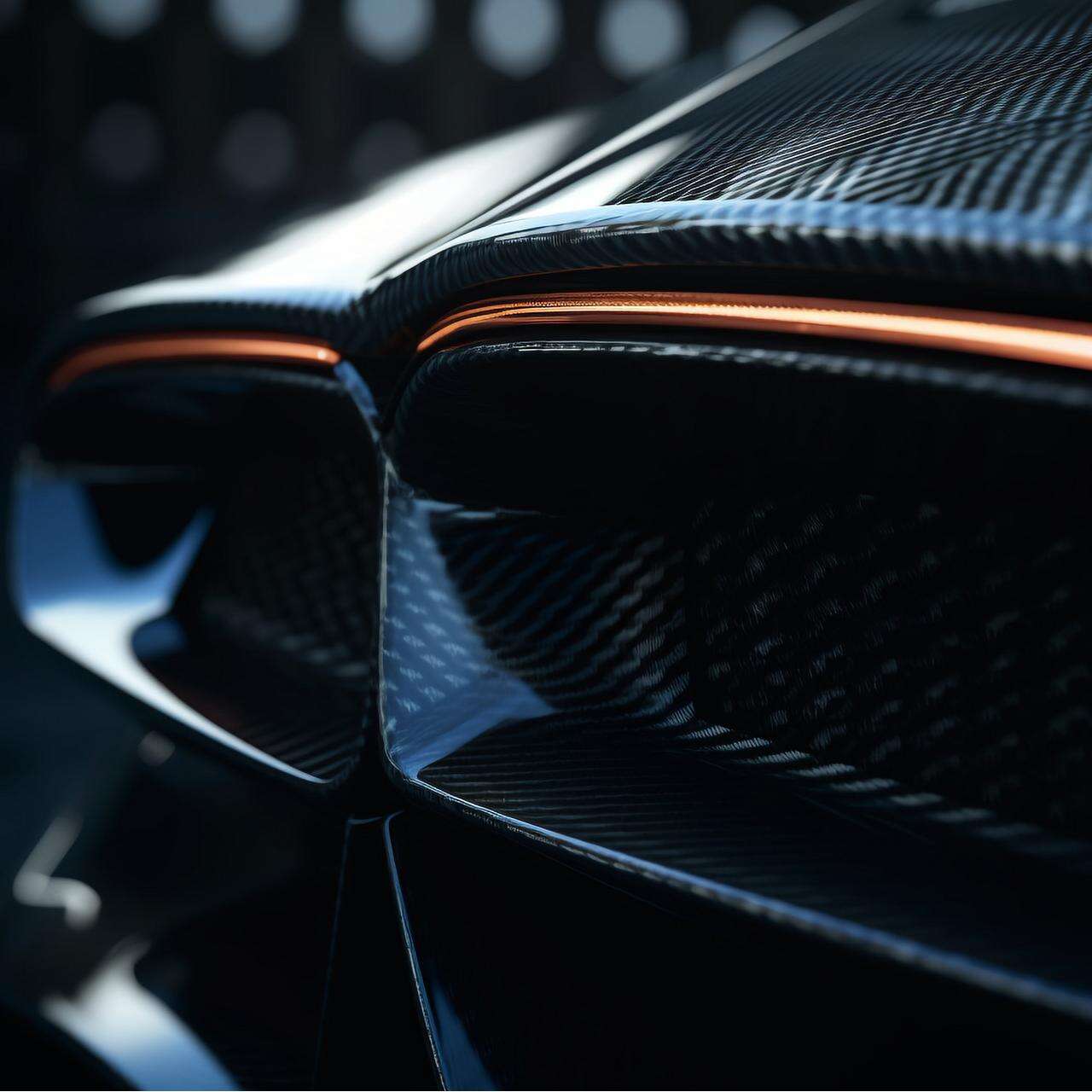
The engineering world continuously seeks materials that deliver exceptional performance while maintaining versatility across demanding applications. Carbon kevlar fabric represents a revolutionary advancement in composite material technology, combining the extraordinary tensile strength of carbon fibers with the remarkable impact resistance of Kevlar aramid fibers. This hybrid construction creates a material that addresses the limitations of single-fiber composites, offering engineers and manufacturers a solution that excels in both strength-to-weight ratio and energy absorption capabilities.
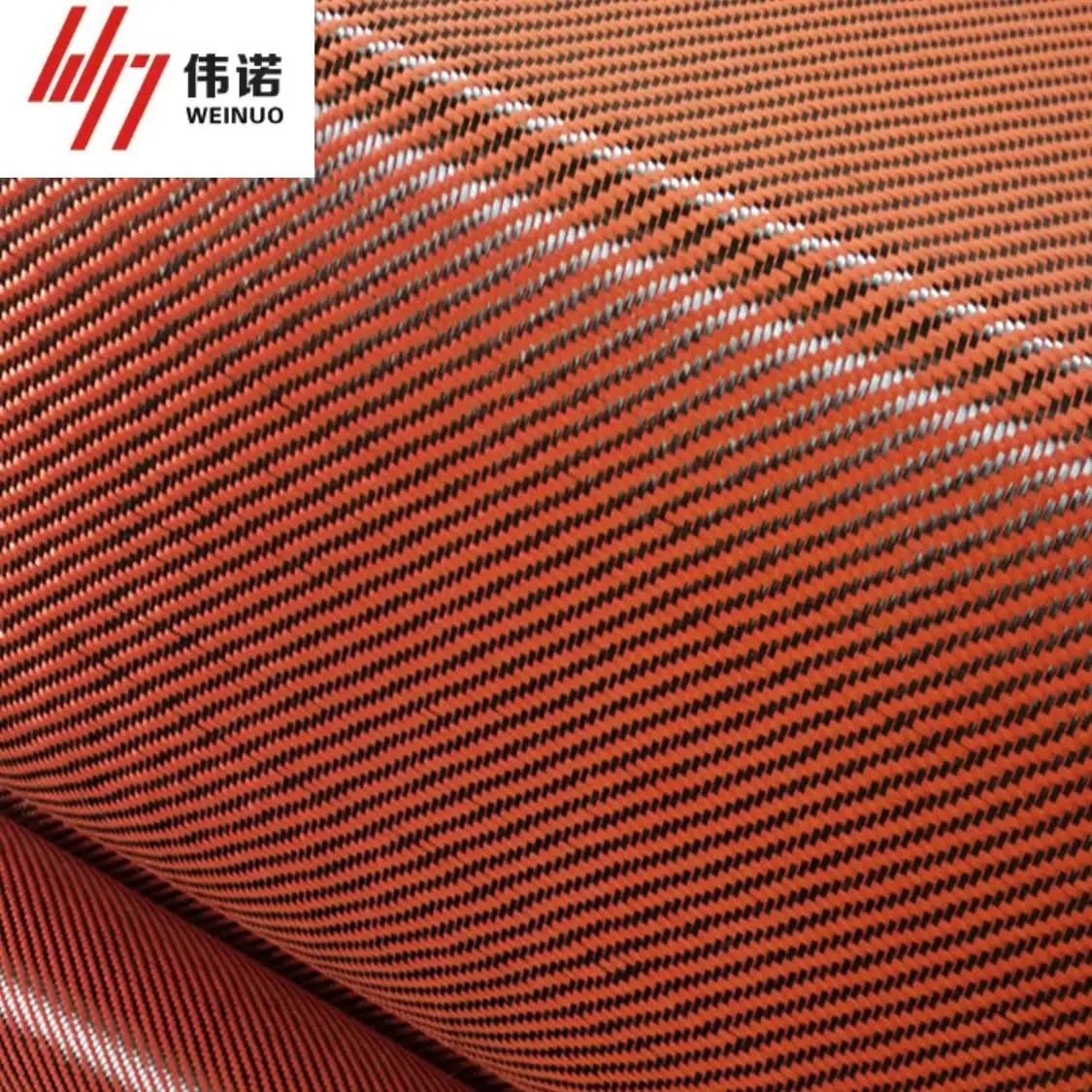
The unique properties of carbon kevlar fabric emerge from the synergistic relationship between its constituent fibers, where each component contributes specific mechanical advantages to create a composite material superior to traditional single-fiber alternatives. Modern manufacturing processes have refined the integration of these materials, resulting in fabrics that maintain consistent performance across temperature variations and environmental conditions. Industries ranging from aerospace to automotive rely on this advanced material to meet increasingly stringent performance requirements while reducing overall component weight.
Material Composition and Fiber Integration
Carbon Fiber Characteristics in Hybrid Construction
Carbon fibers within carbon kevlar fabric provide the primary structural backbone, delivering exceptional tensile strength and stiffness properties that form the foundation of the material's performance profile. These fibers, typically derived from polyacrylonitrile precursors, undergo high-temperature treatment processes that create crystalline carbon structures with extraordinary strength-to-weight ratios. The alignment and distribution of carbon fibers throughout the hybrid weave directly influence the directional properties of the finished fabric, enabling engineers to optimize load-bearing characteristics for specific applications.
The integration process ensures that carbon fibers maintain their inherent properties while participating in the overall fabric structure. Advanced weaving techniques position carbon strands strategically throughout the material matrix, creating load paths that efficiently distribute mechanical stresses across the fabric surface. This careful positioning prevents stress concentration points that could compromise the material's integrity under dynamic loading conditions, ensuring consistent performance throughout the service life of components manufactured from carbon kevlar fabric.
Aramid Fiber Integration and Impact Mitigation
Kevlar aramid fibers contribute critical impact resistance and energy absorption capabilities to carbon kevlar fabric, addressing one of the primary limitations of pure carbon fiber composites. These para-aramid fibers possess unique molecular structures that allow them to stretch and deform under impact loads, dissipating energy that would otherwise cause catastrophic failure in brittle carbon fiber systems. The inherent toughness of aramid fibers provides a safety margin that prevents crack propagation and maintains structural integrity even after significant impact events.
The weaving pattern of aramid fibers within the hybrid construction creates a three-dimensional network that intercepts and redirects stress waves generated by impact loads. This network effect multiplies the energy absorption capacity beyond what individual fibers could achieve, creating a material that exhibits both high strength and exceptional damage tolerance. The result is a carbon kevlar fabric that maintains performance characteristics even when subjected to repeated loading cycles or unexpected impact conditions that would compromise conventional composite materials.
Mechanical Performance Characteristics
Strength Properties and Load Distribution
The strength characteristics of carbon kevlar fabric represent a carefully balanced combination of tensile, compressive, and shear properties that enable superior performance across multiple loading conditions. Carbon fibers provide exceptional tensile strength in the primary load-bearing directions, while aramid fibers contribute to overall toughness and prevent catastrophic failure modes. This combination creates a material with predictable failure characteristics that allow engineers to design components with appropriate safety margins for critical applications.
Load distribution mechanisms within carbon kevlar fabric operate through multiple pathways, ensuring that stress concentrations are minimized and structural loads are efficiently transferred throughout the material matrix. The hybrid nature of the fabric creates redundant load paths that maintain structural integrity even if individual fiber systems experience localized damage or degradation. This redundancy is particularly valuable in applications where component failure could have serious consequences, providing an additional level of safety through material design rather than relying solely on component geometry or safety factors.
Impact Resistance and Energy Absorption
Impact resistance represents one of the most significant advantages of carbon kevlar fabric compared to traditional carbon fiber composites, with the aramid component providing exceptional energy absorption capabilities that prevent brittle failure modes. The material's ability to absorb and dissipate impact energy occurs through controlled deformation of the aramid fibers, which stretch and realign to accommodate sudden load applications without compromising the overall structural integrity of the component. This energy absorption mechanism operates across a wide range of impact velocities and load magnitudes.
The synergistic effect of combining carbon and aramid fibers creates impact resistance properties that exceed the sum of individual fiber contributions. Carbon fibers maintain structural stiffness and prevent excessive deformation, while aramid fibers provide the flexibility and toughness necessary to absorb impact energy without fracturing. This combination enables carbon kevlar fabric to withstand both low-velocity impacts that might cause delamination in pure carbon composites and high-velocity impacts that could shatter conventional materials, making it ideal for protective applications and structural components exposed to dynamic loading conditions.
Manufacturing Processes and Quality Control
Weaving Techniques and Pattern Optimization
Advanced weaving techniques for carbon kevlar fabric require precise control over fiber tension, positioning, and integration to achieve optimal mechanical properties and consistent quality across production runs. Modern manufacturing facilities employ computer-controlled looms that maintain exact fiber positioning throughout the weaving process, ensuring that carbon and aramid fibers are distributed according to engineered specifications. The weave pattern significantly influences the final properties of the fabric, with different configurations optimized for specific performance requirements such as maximum strength, impact resistance, or balanced properties.
Pattern optimization involves careful consideration of fiber orientation, density, and integration methods to create carbon kevlar fabric that meets specific application requirements. Engineers analyze the intended use conditions and loading patterns to determine the most effective weave configuration, balancing factors such as directional strength, formability, and manufacturing efficiency. Quality control systems monitor critical parameters throughout the weaving process, including fiber tension, positioning accuracy, and integration quality to ensure that finished fabrics meet stringent performance specifications.
Quality Assurance and Testing Protocols
Comprehensive testing protocols for carbon kevlar fabric encompass mechanical, thermal, and environmental performance characteristics to verify that materials meet application-specific requirements. Standard testing procedures include tensile strength evaluation, impact resistance measurement, fatigue performance assessment, and environmental durability testing under various conditions. These protocols ensure that each production batch maintains consistent properties and meets the performance standards required for critical applications in aerospace, automotive, and industrial markets.
Advanced quality assurance systems employ non-destructive testing methods to evaluate fabric integrity without compromising material properties, including ultrasonic inspection, X-ray analysis, and optical examination techniques. Statistical process control methods track key performance indicators throughout production, identifying trends or variations that could affect final product quality. This comprehensive approach to quality management ensures that carbon kevlar fabric consistently delivers the performance characteristics that engineers rely on for demanding applications.
Industrial Applications and Performance Benefits
Aerospace and Defense Applications
The aerospace industry extensively utilizes carbon kevlar fabric for components requiring exceptional strength-to-weight ratios combined with impact resistance, including aircraft structural elements, protective panels, and specialized equipment housings. The material's ability to maintain performance under extreme temperature variations and environmental conditions makes it particularly valuable for aerospace applications where component failure could have catastrophic consequences. Advanced aircraft designs increasingly incorporate hybrid fabrics to reduce overall weight while maintaining or improving safety margins compared to traditional materials.
Defense applications leverage the unique properties of carbon kevlar fabric for ballistic protection, vehicle armor, and equipment housings that must withstand both structural loads and impact threats. The energy absorption capabilities of the aramid component combined with the structural strength of carbon fibers create protective systems that are significantly lighter than traditional armor materials while providing superior protection levels. This weight reduction enables improved mobility and fuel efficiency in military vehicles and personal protection equipment without compromising safety performance.
Automotive and Industrial Manufacturing
Automotive manufacturers increasingly specify carbon kevlar fabric for high-performance components where weight reduction and impact resistance are critical design requirements, including body panels, chassis reinforcement, and safety structures. The material's ability to absorb crash energy while maintaining structural integrity supports improved vehicle safety ratings and fuel efficiency targets. Racing applications particularly benefit from the damage tolerance characteristics that allow components to maintain functionality even after impact damage that would compromise pure carbon fiber parts.
Industrial manufacturing applications utilize carbon kevlar fabric for equipment housings, protective barriers, and structural components in environments where both mechanical performance and impact resistance are essential. The material's consistency across temperature ranges and resistance to environmental degradation make it suitable for long-term industrial applications where maintenance intervals must be minimized. Manufacturing equipment and robotics increasingly incorporate hybrid fabrics to achieve improved performance while reducing component weight and enhancing operator safety.
Environmental Performance and Durability
Temperature Resistance and Thermal Stability
Carbon kevlar fabric demonstrates exceptional thermal stability across a wide temperature range, maintaining mechanical properties under conditions that would degrade conventional materials. The carbon fiber component provides thermal conductivity and high-temperature strength retention, while aramid fibers contribute thermal insulation properties and maintain flexibility at low temperatures. This combination creates a material that performs consistently across the full operational temperature range required for aerospace, automotive, and industrial applications without significant property degradation.
Thermal cycling resistance represents a critical performance characteristic for applications where components experience repeated temperature variations during service. The hybrid construction of carbon kevlar fabric prevents thermal stress concentration by accommodating differential expansion between fiber types through the flexible aramid network. This accommodation prevents micro-cracking and delamination that could occur in pure carbon fiber composites, extending component service life and maintaining performance reliability under challenging thermal conditions.
Chemical Resistance and Environmental Durability
The chemical resistance properties of carbon kevlar fabric enable reliable performance in corrosive environments where traditional materials would experience degradation over time. Both carbon and aramid fibers exhibit excellent resistance to most industrial chemicals, solvents, and environmental contaminants, making the hybrid fabric suitable for applications in chemical processing, marine environments, and industrial facilities. This chemical inertness prevents performance degradation and maintains structural integrity throughout extended service periods.
Environmental durability testing demonstrates that carbon kevlar fabric maintains its mechanical properties under prolonged exposure to ultraviolet radiation, moisture, and atmospheric contaminants that affect many composite materials. The inherent stability of both fiber types contributes to long-term performance reliability, reducing maintenance requirements and extending component service life. This durability makes the material particularly valuable for outdoor applications and industrial environments where environmental exposure is unavoidable.
Design Considerations and Engineering Applications
Structural Design Optimization
Engineering design with carbon kevlar fabric requires careful consideration of the material's anisotropic properties and the directional nature of fiber reinforcement to optimize component performance. Design engineers must account for the different mechanical properties in various directions and plan fiber orientations to align with primary load paths. The hybrid nature of the fabric provides designers with greater flexibility compared to pure carbon fiber composites, as the aramid component provides improved damage tolerance and reduces sensitivity to minor design imperfections or manufacturing variations.
Optimization strategies for carbon kevlar fabric components focus on maximizing the benefits of both fiber types while minimizing potential limitations. Design methodologies incorporate failure analysis techniques that account for the progressive failure characteristics of hybrid composites, enabling more accurate predictions of component behavior under various loading conditions. This understanding allows engineers to develop components with improved safety margins and more predictable performance characteristics compared to traditional single-fiber composites.
Manufacturing Integration and Processing Considerations
Integration of carbon kevlar fabric into manufacturing processes requires specialized techniques and equipment to handle the unique properties of hybrid materials. Processing parameters must be optimized for both fiber types, considering factors such as resin compatibility, cure cycles, and consolidation pressure requirements. The manufacturing approach must accommodate the different thermal expansion coefficients and processing temperatures optimal for carbon and aramid fibers to achieve maximum performance in finished components.
Advanced manufacturing techniques such as resin transfer molding, compression molding, and automated fiber placement have been adapted specifically for carbon kevlar fabric processing. These methods ensure proper fiber wet-out, minimize void content, and maintain fiber alignment throughout the manufacturing process. Quality control during manufacturing focuses on achieving consistent fiber distribution, preventing delamination, and ensuring proper resin cure to maximize the performance benefits of the hybrid construction.
FAQ
What makes carbon kevlar fabric superior to pure carbon fiber composites?
Carbon kevlar fabric combines the exceptional strength and stiffness of carbon fibers with the impact resistance and energy absorption capabilities of aramid fibers, creating a material that addresses the brittleness limitations of pure carbon composites. The hybrid construction provides improved damage tolerance, better resistance to crack propagation, and enhanced performance under dynamic loading conditions while maintaining excellent strength-to-weight ratios. This combination makes the material more versatile and reliable for applications where both structural performance and impact resistance are critical requirements.
How does the weave pattern affect the performance of carbon kevlar fabric?
The weave pattern significantly influences the mechanical properties and performance characteristics of carbon kevlar fabric by determining how loads are distributed between fiber types and across different directions. Different weave configurations can optimize the fabric for specific applications, such as maximizing tensile strength in primary load directions or enhancing multidirectional properties for complex loading conditions. The integration pattern of carbon and aramid fibers within the weave also affects impact resistance, with certain configurations providing superior energy absorption and damage tolerance characteristics.
What temperature range can carbon kevlar fabric withstand during operation?
Carbon kevlar fabric typically maintains its mechanical properties across a temperature range from approximately -40°C to 200°C (-40°F to 392°F) under continuous operation, with short-term exposure capability to higher temperatures depending on the specific resin system used. The carbon fiber component provides excellent high-temperature strength retention, while aramid fibers contribute stability at low temperatures and prevent thermal stress concentration. This broad operational temperature range makes the material suitable for aerospace, automotive, and industrial applications where temperature variations are significant.
How does carbon kevlar fabric compare in cost to other high-performance composite materials?
While carbon kevlar fabric typically represents a higher initial material cost compared to single-fiber composites, the enhanced performance characteristics and improved damage tolerance often provide better long-term value through reduced maintenance requirements and extended component service life. The hybrid construction eliminates the need for additional protective measures or reinforcement that might be required with pure carbon fiber composites, potentially reducing overall system costs. The cost-benefit analysis varies by application, but many industries find that the improved reliability and performance justify the premium material cost for critical applications.
Table of Contents
- Material Composition and Fiber Integration
- Mechanical Performance Characteristics
- Manufacturing Processes and Quality Control
- Industrial Applications and Performance Benefits
- Environmental Performance and Durability
- Design Considerations and Engineering Applications
-
FAQ
- What makes carbon kevlar fabric superior to pure carbon fiber composites?
- How does the weave pattern affect the performance of carbon kevlar fabric?
- What temperature range can carbon kevlar fabric withstand during operation?
- How does carbon kevlar fabric compare in cost to other high-performance composite materials?