
 EN
EN

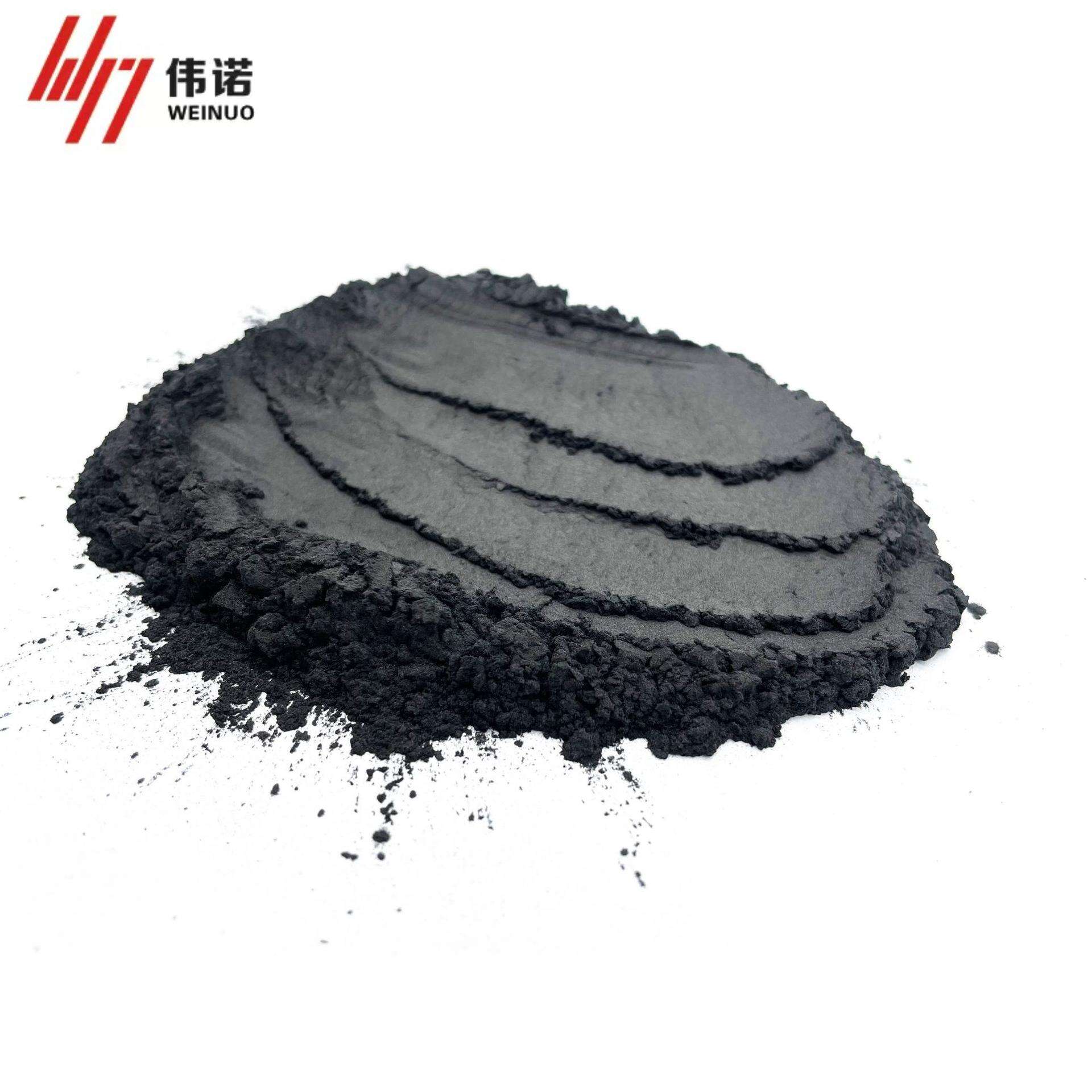
Manufacturing with chopped carbon fiber has become increasingly crucial for industries seeking lightweight yet durable composite materials. This versatile reinforcement material offers exceptional strength-to-weight ratios while maintaining cost-effective production processes. Understanding proper processing techniques ensures optimal performance and consistent quality in your final products. Modern manufacturing facilities are adopting advanced methods to maximize the potential of chopped carbon fiber applications across automotive, aerospace, and industrial sectors.
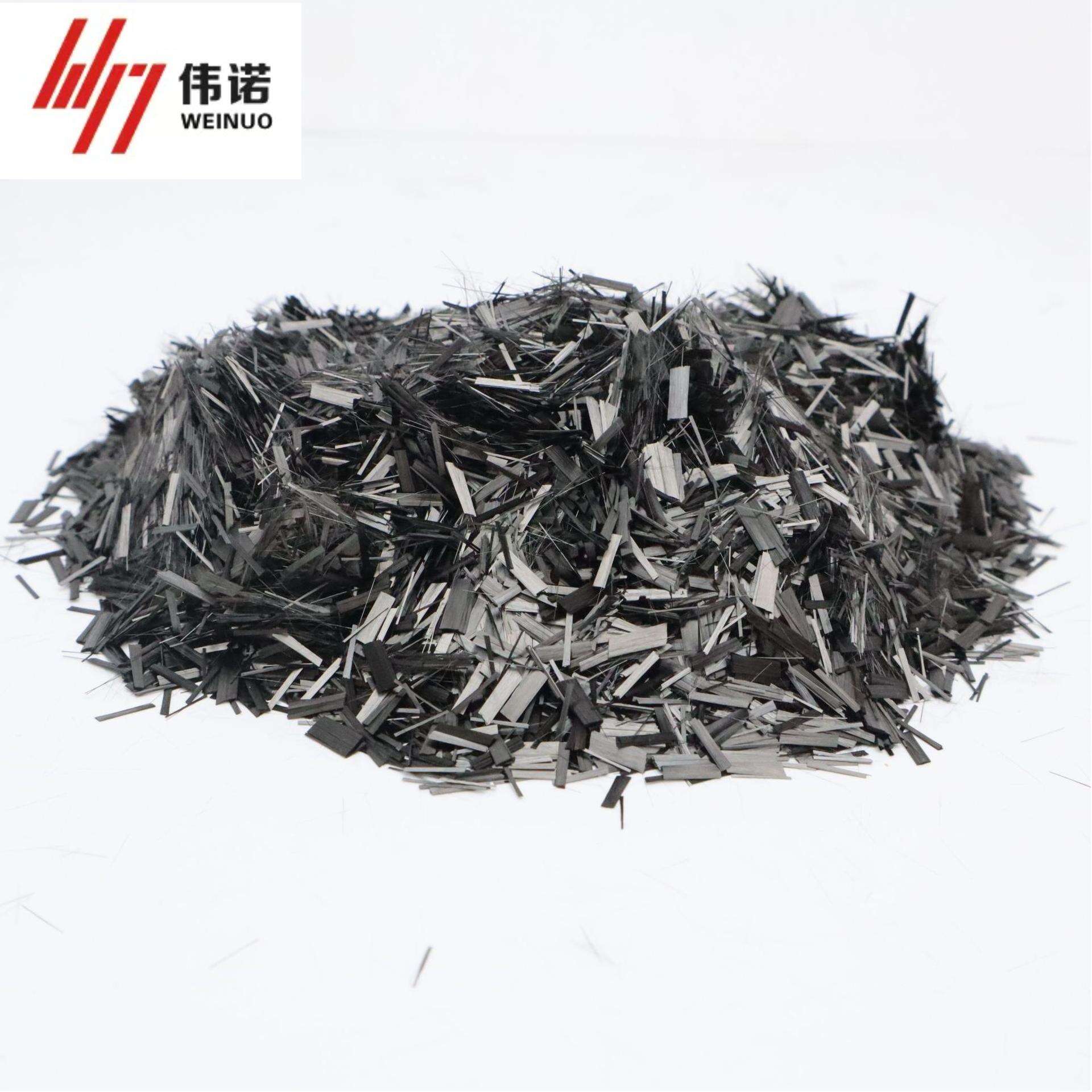
Material Preparation and Handling Excellence
Storage and Environmental Controls
Proper storage of chopped carbon fiber requires controlled environmental conditions to prevent moisture absorption and fiber degradation. Temperature fluctuations can affect fiber integrity, making climate-controlled storage facilities essential for maintaining material quality. Humidity levels should remain below 50% to prevent resin compatibility issues during processing. Container selection plays a vital role in preserving chopped carbon fiber properties throughout extended storage periods.
Manufacturers must implement first-in-first-out inventory rotation systems to ensure optimal material freshness. Static electricity control measures become critical when handling dry chopped carbon fiber materials. Proper grounding systems and anti-static equipment minimize fiber clumping and ensure uniform distribution during processing operations.
Quality Assessment Procedures
Regular quality assessments of incoming chopped carbon fiber shipments prevent downstream processing issues and ensure consistent product performance. Visual inspection protocols should identify fiber length variations, contamination, and potential damage from transportation or storage. Moisture content testing using appropriate analytical equipment helps determine material readiness for processing applications.
Batch documentation systems track chopped carbon fiber lot numbers and processing parameters for traceability purposes. Sample testing procedures verify fiber strength characteristics and compatibility with specific resin systems. These quality control measures establish baseline performance metrics for manufacturing consistency.
Processing Equipment Optimization
Mixing and Blending Systems
Efficient mixing equipment ensures uniform distribution of chopped carbon fiber throughout composite matrices without damaging individual fiber strands. Low-shear mixing systems preserve fiber length while achieving thorough dispersion in resin systems. Variable speed controls allow operators to adjust mixing intensity based on specific chopped carbon fiber grades and resin viscosities.
Specialized paddle designs minimize fiber breakage during blending operations while maintaining consistent mixing patterns. Temperature monitoring systems prevent resin curing during extended mixing cycles. Equipment cleaning protocols between batches prevent cross-contamination and ensure product quality consistency.
Molding and Forming Technologies
Advanced molding techniques maximize chopped carbon fiber orientation and packing efficiency within composite structures. Compression molding systems provide controlled pressure application to eliminate voids and ensure proper fiber-to-resin ratios. Transfer molding processes enable complex geometries while maintaining uniform chopped carbon fiber distribution throughout molded components.
Injection molding parameters require careful adjustment to prevent fiber damage during high-pressure processing cycles. Mold design considerations include gate placement and flow patterns that promote optimal fiber alignment. Temperature control systems maintain consistent processing conditions throughout production runs.
Process Parameter Control
Temperature Management Strategies
Precise temperature control throughout chopped carbon fiber processing operations directly impacts final product quality and performance characteristics. Processing temperatures must balance resin flow properties with fiber integrity preservation. Thermal profiling systems monitor temperature distribution across processing equipment to identify potential hot spots or cold zones.
Cure cycle optimization ensures complete resin cross-linking without thermal degradation of chopped carbon fiber components. Gradual temperature ramping prevents thermal shock and associated fiber-matrix interface failures. Post-cure cooling protocols minimize residual stresses that could compromise component durability.
Pressure and Flow Dynamics
Optimal pressure application during chopped carbon fiber processing eliminates air entrapment while maintaining fiber orientation control. Flow rate adjustments prevent excessive shear forces that could break individual fiber strands. Pressure monitoring systems provide real-time feedback for process optimization and quality control.
Vacuum-assisted processing techniques remove entrapped air and volatile compounds from chopped carbon fiber composites. Pressure cycling methods can improve fiber wetting and reduce void content in finished components. These controlled environments enhance mechanical properties and surface finish quality.
Quality Control and Testing
In-Process Monitoring
Continuous monitoring systems track critical parameters during chopped carbon fiber processing to ensure consistent product quality. Real-time viscosity measurements help operators adjust processing conditions as resin properties change during cure cycles. Fiber content analysis verifies proper loading levels throughout production batches.
Statistical process control methods identify trends and variations in chopped carbon fiber processing parameters before they affect final product quality. Automated data collection systems maintain comprehensive processing records for quality assurance and troubleshooting purposes. Alert systems notify operators of parameter deviations requiring immediate attention.
Final Product Validation
Comprehensive testing protocols validate mechanical properties and performance characteristics of finished chopped carbon fiber components. Tensile strength testing verifies fiber-matrix bonding effectiveness and overall composite integrity. Impact resistance evaluations assess energy absorption capabilities under dynamic loading conditions.
Non-destructive testing methods identify internal defects without compromising finished components for quality assessment purposes. Surface finish inspections ensure aesthetic requirements are met while maintaining structural integrity. Documentation systems track test results and correlate performance data with specific processing parameters.
Troubleshooting Common Issues
Fiber Distribution Problems
Uneven chopped carbon fiber distribution often results from inadequate mixing procedures or equipment limitations that require systematic troubleshooting approaches. Fiber clumping issues can stem from static electricity buildup or improper storage conditions affecting material flow characteristics. Processing parameter adjustments may be necessary to achieve uniform fiber dispersion throughout composite matrices.
Contamination sources must be identified and eliminated to prevent fiber distribution irregularities during processing operations. Equipment maintenance schedules ensure mixing systems operate at peak efficiency for consistent chopped carbon fiber handling. Operator training programs emphasize proper handling techniques that minimize distribution problems.
Surface Quality Concerns
Surface defects in chopped carbon fiber components often indicate processing parameter imbalances requiring systematic investigation and correction. Fiber show-through problems may result from insufficient resin coverage or improper molding pressures during forming operations. Temperature variations can create surface irregularities that affect both appearance and performance characteristics.
Mold release agent selection and application methods significantly impact surface quality outcomes in chopped carbon fiber processing. Proper mold preparation procedures prevent sticking while ensuring smooth surface finishes. Post-processing techniques can address minor surface imperfections without compromising structural integrity.
FAQ
What fiber length is optimal for chopped carbon fiber applications
Optimal chopped carbon fiber length typically ranges from 3mm to 25mm depending on the specific application requirements and processing method. Shorter fibers provide better flow characteristics in injection molding while longer fibers offer enhanced mechanical properties in compression molding applications. The choice depends on balancing processability with desired performance characteristics.
How does moisture content affect chopped carbon fiber processing
Moisture content significantly impacts chopped carbon fiber processing by affecting resin cure kinetics and creating potential void formation during processing. Elevated moisture levels can cause steam formation during high-temperature processing, leading to surface defects and reduced mechanical properties. Pre-drying protocols typically maintain moisture content below 0.1% for optimal processing results.
What are the key differences between various resin systems for chopped carbon fiber
Different resin systems offer varying compatibility with chopped carbon fiber in terms of processing temperature, cure time, and mechanical property development. Epoxy resins provide excellent fiber wetting and high-performance characteristics but require elevated processing temperatures. Polyester and vinyl ester systems offer faster processing cycles with good mechanical properties at lower costs.
How can manufacturers optimize fiber loading percentages
Optimizing chopped carbon fiber loading percentages requires balancing mechanical property enhancement with processing feasibility and cost considerations. Higher fiber loadings increase strength and stiffness but may reduce impact resistance and complicate processing operations. Typical loading ranges from 20% to 60% by weight depending on application requirements and processing method capabilities.