
 EN
EN

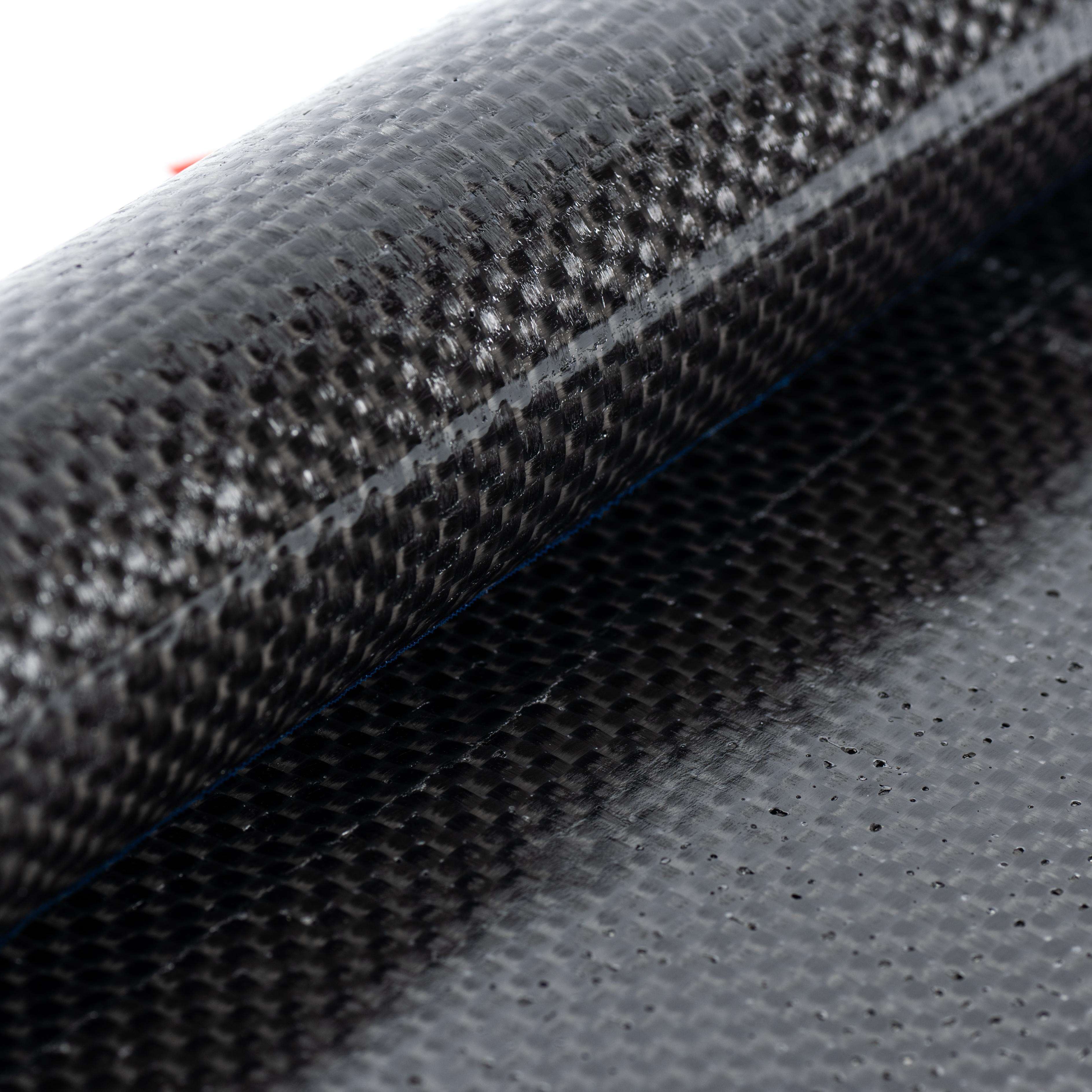
Original Equipment Manufacturers (OEMs) across aerospace, automotive, and advanced manufacturing industries have increasingly turned to prepreg carbon fiber as their material of choice for precision builds. This advanced composite material represents a significant leap forward in manufacturing technology, offering unparalleled control over fiber orientation, resin content, and final product quality. The adoption of prepreg carbon fiber by leading OEMs reflects the material's ability to deliver consistent, high-performance results while streamlining production processes and reducing manufacturing variability.
The precision manufacturing landscape demands materials that can meet increasingly stringent tolerances and performance specifications. Prepreg carbon fiber emerges as the optimal solution for OEMs seeking to balance mechanical properties, weight reduction, and manufacturing efficiency. Unlike traditional wet layup processes, prepreg carbon fiber provides manufacturers with pre-controlled resin systems that eliminate guesswork and ensure repeatable results across production runs.
Understanding Prepreg Carbon Fiber Technology
Composition and Manufacturing Process
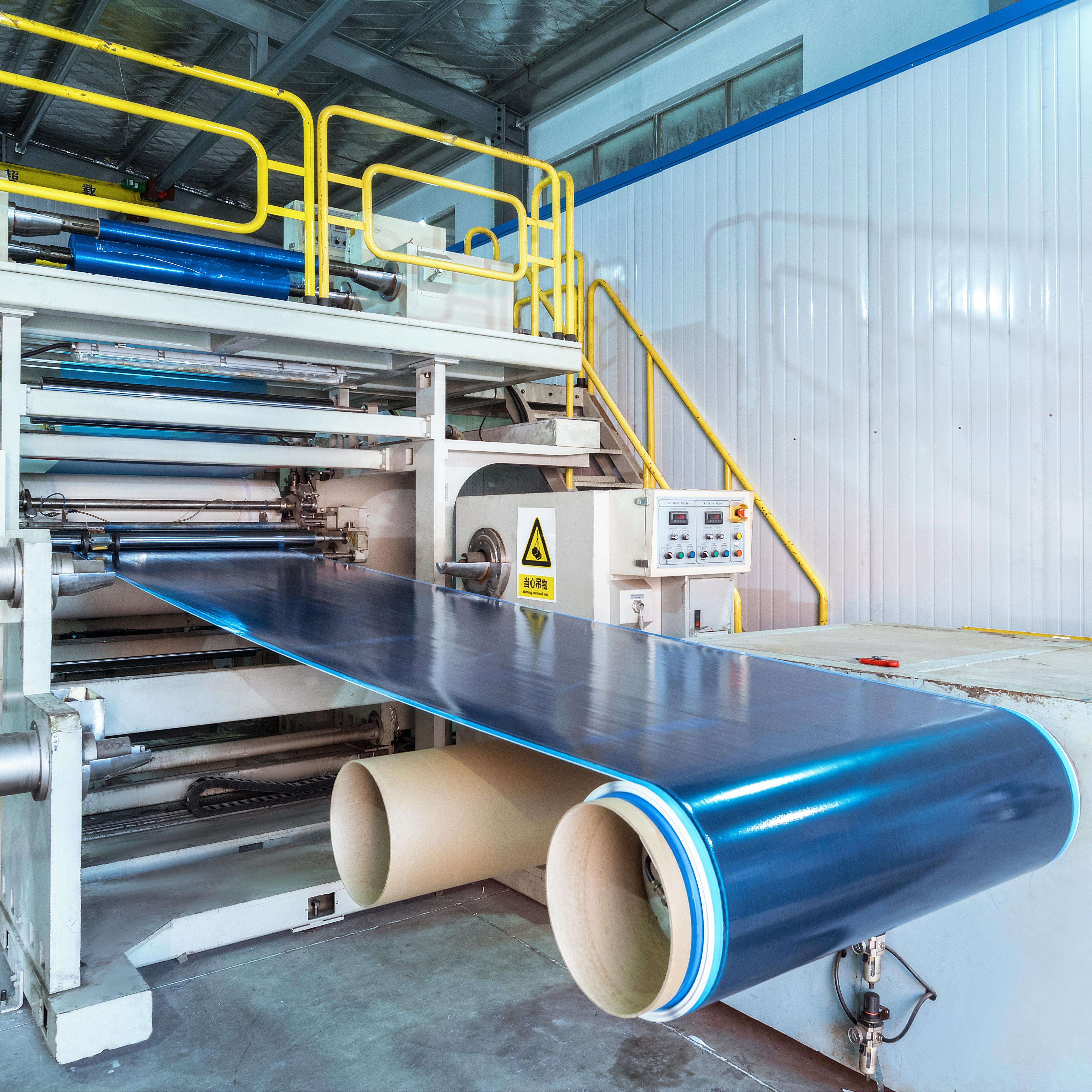
Prepreg carbon fiber consists of carbon fiber reinforcement pre-impregnated with a partially cured resin system. This sophisticated material undergoes a controlled manufacturing process where continuous carbon fibers are saturated with thermosetting resins under precise temperature and pressure conditions. The resin system is advanced to a B-stage cure state, creating a tacky, handleable material that maintains its properties during storage and handling. This controlled pre-impregnation process ensures optimal fiber-to-resin ratios, typically ranging from 60% to 70% fiber volume fraction, which directly impacts the final composite's mechanical properties.
The manufacturing process for prepreg carbon fiber involves multiple quality control checkpoints that guarantee consistency across every batch. Temperature monitoring, resin viscosity testing, and fiber tension control systems work in unison to produce materials that meet exacting specifications. Advanced prepreg carbon fiber systems incorporate specialized additives and coupling agents that enhance interfacial bonding between fibers and matrix, resulting in superior mechanical properties and environmental resistance.
Material Properties and Characteristics
The unique properties of prepreg carbon fiber stem from its controlled manufacturing environment and optimized fiber architecture. These materials exhibit exceptional strength-to-weight ratios, often exceeding 2000 MPa tensile strength while maintaining densities below 1.6 g/cm³. The pre-impregnated nature of prepreg carbon fiber ensures uniform resin distribution throughout the fiber matrix, eliminating dry spots and resin-rich areas that can compromise structural integrity. This uniformity translates directly into predictable mechanical properties and enhanced fatigue resistance.
Thermal stability represents another critical advantage of prepreg carbon fiber systems. The carefully formulated resin matrices can withstand operating temperatures ranging from -55°C to 180°C, with specialized high-temperature variants extending this range to 300°C or higher. This thermal stability, combined with low thermal expansion coefficients, makes prepreg carbon fiber ideal for applications requiring dimensional stability across wide temperature ranges. Additionally, the material's inherent chemical resistance and UV stability ensure long-term performance in demanding environments.
Precision Manufacturing Advantages
Dimensional Accuracy and Control
OEMs prioritize prepreg carbon fiber for precision builds due to its exceptional dimensional stability and predictable behavior during processing. The pre-controlled resin content eliminates variables that typically affect final part dimensions in traditional composite manufacturing methods. When processed under autoclave or heated press conditions, prepreg carbon fiber exhibits minimal shrinkage and distortion, enabling manufacturers to achieve tolerances within ±0.1mm on complex geometries. This level of precision is particularly crucial in aerospace applications where component fit-up and interface compatibility are non-negotiable requirements.
The fiber orientation control achievable with prepreg carbon fiber enables engineers to optimize load paths and structural efficiency. Multi-directional layups using prepreg carbon fiber can be precisely controlled to match stress distributions, maximizing performance while minimizing weight. This capability allows OEMs to design components with tailored mechanical properties, placing reinforcement exactly where needed without excess material. The result is optimized structures that deliver superior performance with minimal weight penalty, a critical factor in industries where every gram matters.
Quality Consistency and Repeatability
Manufacturing consistency represents a cornerstone advantage of prepreg carbon fiber systems. Unlike wet layup processes where resin mixing, application technique, and environmental conditions can introduce variations, prepreg materials arrive at the manufacturing facility in a ready-to-use state. This eliminates human error factors and ensures that every component manufactured using the same prepreg carbon fiber lot will exhibit identical properties. The controlled storage conditions and shelf life management systems further enhance consistency by maintaining material properties throughout the supply chain.
Statistical process control becomes significantly more effective when using prepreg carbon fiber due to reduced process variables. OEMs can establish narrow control limits and achieve Six Sigma quality levels more readily than with traditional composite manufacturing methods. The material's consistent tack levels and drapability ensure uniform layup quality, while the controlled resin content prevents issues like resin starvation or excess bleeding. This repeatability translates into reduced scrap rates, improved production efficiency, and enhanced customer confidence in the final product.
Industry Applications and Performance Benefits
Aerospace and Defense Applications
The aerospace industry represents the largest consumer of prepreg carbon fiber, with applications ranging from primary structural components to interior panels. Commercial aircraft manufacturers rely on prepreg carbon fiber for wing skins, fuselage sections, and control surfaces where weight reduction directly impacts fuel efficiency and operational costs. The material's excellent fatigue resistance and damage tolerance make it ideal for components subjected to cyclic loading throughout their service life. Military applications leverage prepreg carbon fiber's stealth characteristics and electromagnetic properties for advanced defense systems.
Critical aerospace components manufactured with prepreg carbon fiber undergo rigorous qualification processes that validate long-term performance under extreme conditions. The material's resistance to environmental factors like moisture absorption, thermal cycling, and chemical exposure ensures reliable operation throughout extended service intervals. Advanced prepreg carbon fiber systems incorporate flame retardant additives and smoke suppression technologies to meet stringent aviation safety standards while maintaining superior mechanical properties.
Automotive and Transportation Excellence
Automotive OEMs increasingly integrate prepreg carbon fiber into high-performance vehicles and electric vehicle platforms where weight reduction directly impacts performance and efficiency. Structural components like chassis elements, suspension components, and body panels benefit from the material's exceptional stiffness-to-weight ratio and energy absorption characteristics. The automotive industry's transition toward electric vehicles has amplified demand for prepreg carbon fiber as manufacturers seek to offset battery weight while maximizing range and performance.
The racing industry serves as a proving ground for advanced prepreg carbon fiber technologies, with Formula 1 and endurance racing applications pushing material performance to extreme limits. Crash structures manufactured from prepreg carbon fiber demonstrate superior energy absorption while maintaining structural integrity, protecting occupants during high-speed impacts. These demanding applications drive continuous innovation in prepreg carbon fiber formulations, resulting in materials with enhanced toughness and damage tolerance that benefit broader automotive applications.
Manufacturing Process Optimization
Autoclave and Out-of-Autoclave Processing
Traditional autoclave processing remains the gold standard for high-performance prepreg carbon fiber components, providing precise temperature and pressure control throughout the cure cycle. Autoclave processing enables manufacturers to achieve optimal consolidation and void content below 1%, ensuring maximum mechanical properties and structural integrity. The controlled environment eliminates atmospheric moisture and enables processing of complex geometries with consistent quality. Modern autoclaves incorporate advanced process monitoring and control systems that track temperature, pressure, and vacuum levels throughout the cure cycle, ensuring repeatable results.
Out-of-autoclave prepreg carbon fiber systems have emerged as cost-effective alternatives for applications where autoclave processing constraints limit production scalability. These advanced resin systems cure under atmospheric pressure using heated tooling or oven processing, eliminating the need for expensive autoclave equipment. Out-of-autoclave prepreg carbon fiber maintains mechanical properties within 95% of autoclave-processed materials while offering significant cost savings and production flexibility. This technology enables OEMs to manufacture larger components and increase production throughput without compromising quality standards.
Tooling and Manufacturing Considerations
Successful implementation of prepreg carbon fiber requires specialized tooling materials and designs that accommodate the material's processing requirements. Invar steel, carbon fiber, and ceramic tooling materials provide the dimensional stability and thermal compatibility necessary for precision manufacturing. Tool surface preparation and release agent selection significantly impact surface quality and dimensional accuracy of finished components. Advanced tooling incorporates heating elements, vacuum lines, and thermocouples positioned to ensure uniform temperature distribution during processing.
Manufacturing efficiency improvements achieved through prepreg carbon fiber implementation include reduced labor requirements, shortened cycle times, and improved material utilization. The ready-to-use nature of prepreg carbon fiber eliminates mixing operations and reduces handling time compared to wet layup processes. Automated layup systems and robotic placement technologies further enhance efficiency while maintaining consistent quality. These automation capabilities enable OEMs to scale production volumes while maintaining the precision and quality standards demanded by their applications.
Economic and Environmental Considerations
Cost-Effectiveness Analysis
While prepreg carbon fiber typically commands higher material costs than traditional composites, the total cost of ownership often favors prepreg systems when considering all manufacturing factors. Reduced labor requirements, improved material utilization, and lower scrap rates contribute to overall cost savings that offset higher material prices. The consistent quality and reduced inspection requirements associated with prepreg carbon fiber manufacturing further reduce total production costs. OEMs often achieve return on investment within 18-24 months when transitioning from traditional composite manufacturing methods to prepreg systems.
Long-term cost benefits of prepreg carbon fiber extend beyond manufacturing efficiency to include reduced warranty claims and improved customer satisfaction. The superior quality and consistency achievable with prepreg systems translate into enhanced product reliability and reduced field failures. This reliability improvement particularly benefits OEMs in industries where product recalls or warranty repairs carry significant costs and reputation risks. Advanced prepreg carbon fiber systems also enable design optimization that can reduce overall component counts and assembly complexity, further contributing to cost savings.
Environmental Impact and Sustainability
Environmental considerations increasingly influence OEM material selection decisions, with prepreg carbon fiber offering several sustainability advantages over alternative materials. The material's durability and corrosion resistance extend product life cycles, reducing replacement frequency and associated environmental impacts. Lightweight structures enabled by prepreg carbon fiber contribute to fuel efficiency improvements in transportation applications, directly reducing operational carbon footprints. Manufacturing waste reduction achieved through improved material utilization and lower scrap rates further enhances the environmental profile of prepreg systems.
Recycling and end-of-life considerations for prepreg carbon fiber continue to evolve with advancing technology. Mechanical recycling processes can recover carbon fibers for use in lower-grade applications, while chemical recycling methods show promise for complete fiber recovery. OEMs are increasingly incorporating lifecycle assessments into material selection processes, with prepreg carbon fiber often demonstrating superior environmental performance when considering total product lifecycle impacts. These sustainability considerations align with corporate environmental commitments and regulatory requirements driving industry transformation.
Future Developments and Innovations
Advanced Resin Systems and Fiber Technologies
Continuous innovation in prepreg carbon fiber technology focuses on enhanced performance characteristics and expanded application possibilities. Next-generation resin systems incorporate thermoplastic matrices that offer improved toughness, recyclability, and processing flexibility compared to traditional thermoset systems. These advanced materials maintain the precision manufacturing advantages of conventional prepreg carbon fiber while offering enhanced damage tolerance and repair capabilities. Hybrid fiber architectures combining carbon fibers with other reinforcement materials create tailored property profiles for specific applications.
Nanotechnology integration represents a frontier area for prepreg carbon fiber development, with carbon nanotubes and graphene additives showing potential for significant property enhancements. These nano-scale reinforcements can improve electrical conductivity, thermal management, and mechanical properties while maintaining the manufacturing advantages of traditional prepreg systems. Smart material concepts incorporating embedded sensors and self-healing capabilities are progressing from laboratory research toward commercial implementation, promising revolutionary capabilities for next-generation precision builds.
Manufacturing Technology Evolution
Automated manufacturing technologies continue to evolve, with advanced robotic systems capable of complex layup operations that rival manual techniques in precision while offering superior consistency. Digital manufacturing concepts including real-time process monitoring, artificial intelligence optimization, and predictive maintenance systems enhance the reliability and efficiency of prepreg carbon fiber manufacturing. These technologies enable OEMs to achieve higher production rates while maintaining the quality standards that make prepreg systems attractive for precision applications.
Industry 4.0 concepts are transforming prepreg carbon fiber manufacturing through integrated digital systems that optimize material utilization, predict maintenance requirements, and ensure quality compliance. Blockchain technology offers potential for enhanced supply chain traceability and quality assurance, particularly important for aerospace and defense applications where material pedigree requirements are stringent. These technological advances position prepreg carbon fiber as a cornerstone material for next-generation manufacturing systems.
FAQ
What makes prepreg carbon fiber superior to wet layup composites for precision manufacturing
Prepreg carbon fiber offers superior dimensional control and consistency compared to wet layup methods because the resin content and fiber orientation are precisely controlled during manufacturing. This eliminates variables like resin mixing ratios, application technique variations, and environmental factors that can affect final part quality. The result is predictable mechanical properties, minimal dimensional variation, and reduced manufacturing defects that are critical for precision applications.
How does storage and handling affect prepreg carbon fiber performance
Proper storage at recommended temperatures, typically between -18°C to 0°C, maintains the material's tack, drape, and processability throughout its shelf life. Prepreg carbon fiber materials are supplied with specific out-life specifications that indicate how long the material remains workable at room temperature. Following proper handling procedures and environmental controls ensures consistent processing characteristics and optimal final properties in manufactured components.
Can prepreg carbon fiber be processed without autoclave equipment
Yes, out-of-autoclave prepreg carbon fiber systems have been developed specifically for processing under atmospheric pressure using heated tooling or oven curing. These materials achieve mechanical properties within 95% of autoclave-processed equivalents while offering cost savings and production flexibility. However, component complexity, thickness limitations, and specific performance requirements should be evaluated to determine if out-of-autoclave processing is suitable for particular applications.
What quality control measures are essential for prepreg carbon fiber manufacturing
Critical quality control measures include material storage temperature monitoring, layup environment control, cure cycle validation, and non-destructive testing of finished components. Process parameters like time, temperature, and pressure during curing must be carefully monitored and documented. Visual inspection for defects like wrinkles, gaps, or contamination during layup, combined with ultrasonic testing or other non-destructive methods for void content and bond quality verification, ensures consistent product quality.
Table of Contents
- Understanding Prepreg Carbon Fiber Technology
- Precision Manufacturing Advantages
- Industry Applications and Performance Benefits
- Manufacturing Process Optimization
- Economic and Environmental Considerations
- Future Developments and Innovations
-
FAQ
- What makes prepreg carbon fiber superior to wet layup composites for precision manufacturing
- How does storage and handling affect prepreg carbon fiber performance
- Can prepreg carbon fiber be processed without autoclave equipment
- What quality control measures are essential for prepreg carbon fiber manufacturing