
 EN
EN

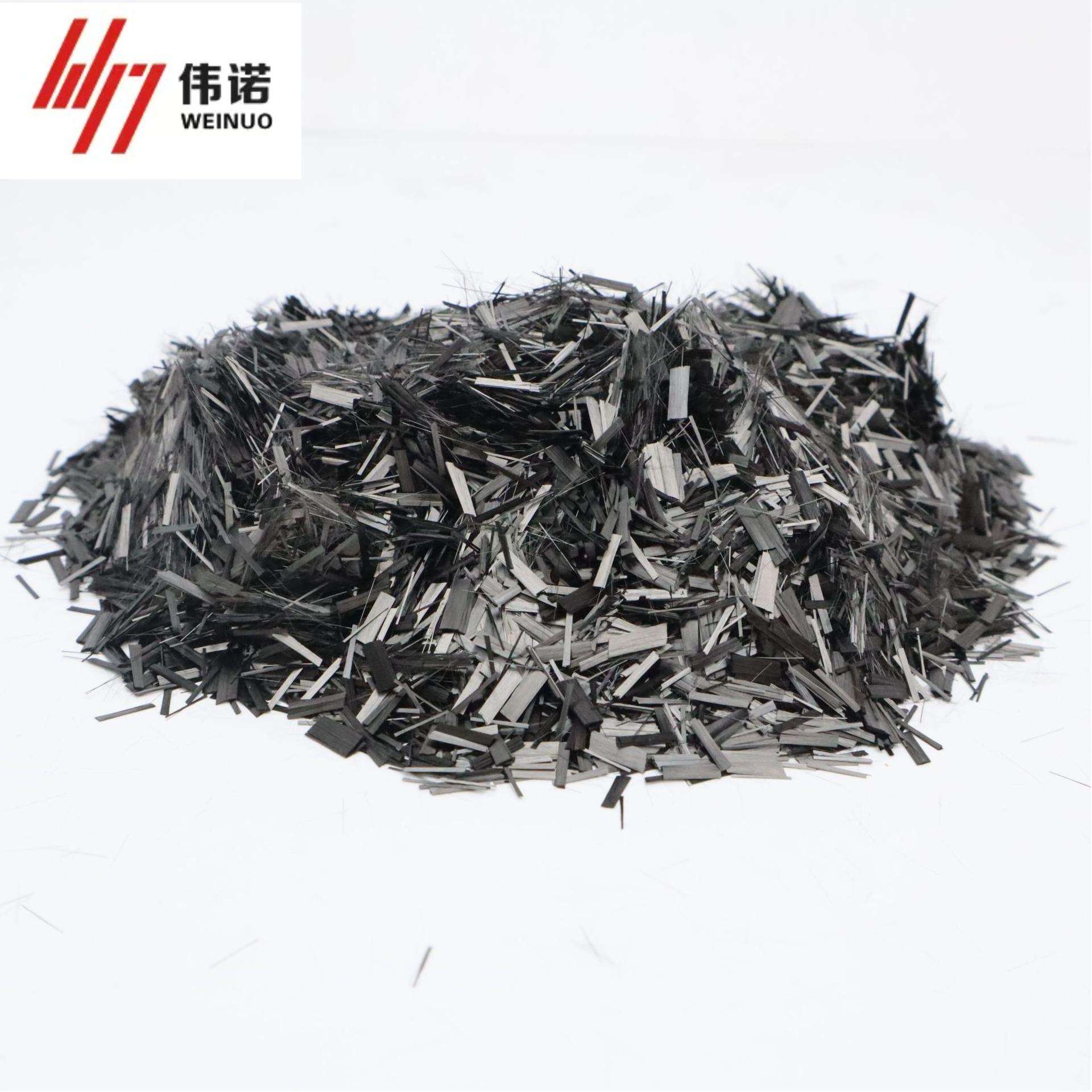
The manufacturing industry continuously seeks innovative materials to enhance product performance while maintaining cost-effectiveness. Among these advanced materials, chopped carbon fiber has emerged as a game-changing reinforcement solution for injection molding applications. This remarkable composite material offers exceptional strength-to-weight ratios, superior mechanical properties, and versatile processing capabilities that transform ordinary plastic components into high-performance engineering parts. Understanding how chopped carbon fiber integrates with injection molding processes can unlock significant opportunities for manufacturers across automotive, aerospace, consumer electronics, and industrial sectors
Fundamental Properties of Chopped Carbon Fiber Reinforcement
Material Composition and Structure
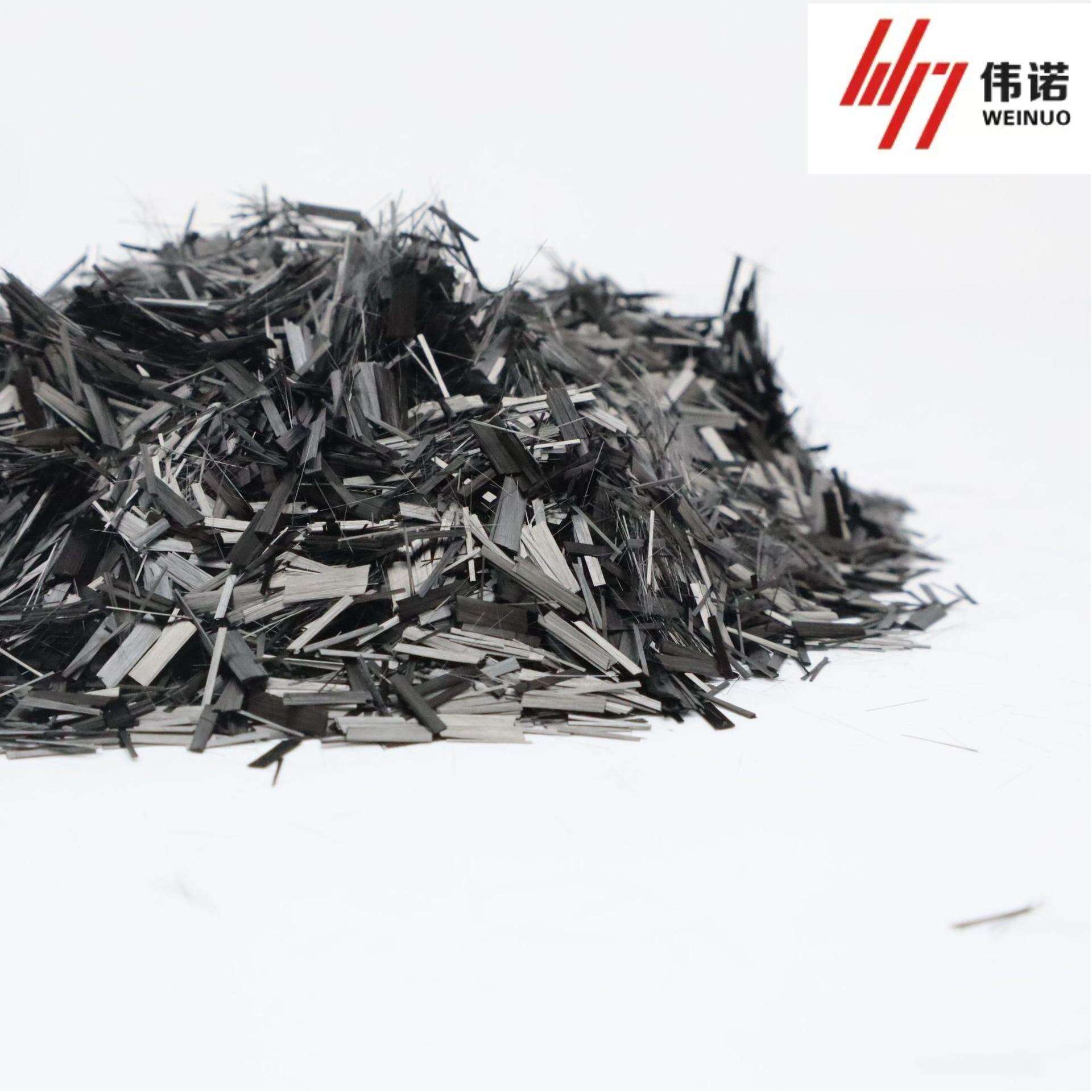
Chopped carbon fiber consists of discontinuous carbon filaments typically ranging from 3mm to 50mm in length, depending on specific application requirements. These short fibers maintain the inherent properties of continuous carbon fiber, including exceptional tensile strength exceeding 3,500 MPa and elastic modulus values around 230 GPa. The chopped format enables easier processing through conventional injection molding equipment while providing multidirectional reinforcement throughout the molded component. Unlike continuous fibers that require specialized processing techniques, chopped carbon fiber can be directly mixed with thermoplastic resins using standard compounding methods.
The surface treatment of chopped carbon fiber plays a crucial role in achieving optimal mechanical properties. Manufacturers apply specialized sizing agents that enhance fiber-matrix adhesion, prevent fiber degradation during processing, and improve dispersion quality within the polymer matrix. These surface modifications ensure that stress transfer between the fiber and matrix occurs efficiently, maximizing the reinforcement effectiveness. The aspect ratio, defined as fiber length divided by diameter, typically ranges from 20 to 100 for chopped carbon fiber, providing an ideal balance between processability and mechanical enhancement.
Mechanical Performance Characteristics
The integration of chopped carbon fiber into injection molded parts delivers remarkable improvements in mechanical properties compared to unreinforced thermoplastics. Tensile strength increases typically range from 100% to 300%, while flexural strength improvements often exceed 200%. The addition of chopped carbon fiber also enhances impact resistance, fatigue performance, and dimensional stability under thermal cycling conditions. These property improvements stem from the fiber's ability to bear load through effective stress transfer mechanisms and interrupt crack propagation pathways.
Modulus enhancement represents another significant benefit of chopped carbon fiber reinforcement. Young's modulus improvements of 200% to 500% are commonly achieved, enabling the design of stiffer components with reduced wall thickness. This stiffness increase proves particularly valuable in structural applications where deflection control is critical. The anisotropic nature of fiber orientation in injection molded parts creates directional property variations that designers can optimize through strategic gate placement and part geometry considerations.
Injection Molding Process Integration
Material Preparation and Compounding
Successfully incorporating chopped carbon fiber into injection molding requires careful attention to material preparation and compounding procedures. The fiber content typically ranges from 10% to 40% by weight, depending on performance requirements and processing constraints. Higher fiber loadings provide greater mechanical enhancement but may increase processing difficulty and component cost. Twin-screw extruders equipped with specialized screw designs minimize fiber breakage during compounding while ensuring uniform distribution throughout the polymer matrix.
Proper drying procedures are essential when working with chopped carbon fiber compounds, particularly for hygroscopic resins like nylon or PBT. Moisture content must be reduced to acceptable levels to prevent hydrolysis reactions and surface defects during molding. Vacuum drying at elevated temperatures for 4-8 hours typically achieves the required moisture levels. The compound's bulk density is lower than unfilled resins, requiring adjustments to feeding systems and material handling equipment.
Molding Parameter Optimization
Injection molding of chopped carbon fiber compounds demands specific parameter adjustments to achieve optimal part quality and mechanical properties. Processing temperatures should be maintained at the lower end of the recommended range to minimize fiber degradation while ensuring adequate melt flow. Injection pressures typically require increases of 20-40% compared to unfilled resins to overcome the higher melt viscosity. Screw design modifications, including reduced compression ratios and specialized mixing elements, help prevent excessive fiber breakage during plasticization.
Mold temperature control significantly influences fiber orientation and final part properties. Higher mold temperatures promote better fiber wet-out and reduce internal stresses but may extend cycle times. Gate design becomes critical for controlling fiber orientation patterns, with multiple gates or specialized gate geometries helping achieve more isotropic properties. Hold pressure and packing phases require careful optimization to minimize sink marks while preventing excessive fiber orientation in flow direction.
Strength Enhancement Mechanisms
Load Transfer and Stress Distribution
The strength improvement achieved through chopped carbon fiber reinforcement results from efficient load transfer between the polymer matrix and embedded fibers. When external forces are applied to the composite part, the matrix transfers stress to the high-strength fibers through shear at the fiber-matrix interface. The critical fiber length concept determines the minimum fiber length required for effective load transfer, typically 2-3mm for most thermoplastic systems. Fibers shorter than this critical length provide limited reinforcement, while longer fibers may cause processing difficulties.
Stress concentration effects around fiber ends and the three-dimensional stress state in injection molded parts influence the reinforcement mechanisms. Chopped carbon fiber creates a complex stress field that helps redistribute loads more uniformly throughout the component. The random orientation of chopped carbon fiber in injection molded parts provides multidirectional reinforcement, unlike continuous fiber composites that exhibit highly anisotropic properties. This quasi-isotropic behavior makes chopped carbon fiber reinforced parts more predictable in complex loading scenarios.
Crack Resistance and Failure Mechanisms
Chopped carbon fiber significantly improves crack resistance through several mechanisms including crack deflection, crack bridging, and energy absorption during fracture propagation. When cracks encounter embedded fibers, they must either break the fiber, debond from the fiber surface, or deflect around the fiber. Each of these processes consumes energy and slows crack growth, resulting in improved toughness and fatigue resistance. The high aspect ratio of chopped carbon fiber maximizes these crack-stopping effects while maintaining processability.
The failure mode of chopped carbon fiber reinforced parts differs significantly from unreinforced thermoplastics. Instead of catastrophic brittle failure, reinforced parts typically exhibit progressive damage accumulation with visible warning signs before ultimate failure. This damage tolerance characteristic proves valuable in safety-critical applications where sudden failure must be avoided. The fiber pull-out mechanism during fracture provides additional energy absorption, contributing to the overall toughness improvement observed in reinforced components.
Application Benefits Across Industries
Automotive Sector Applications
The automotive industry has embraced chopped carbon fiber reinforcement for various components requiring high strength-to-weight ratios and dimensional stability. Engine compartment parts benefit from the thermal stability and mechanical properties of chopped carbon fiber composites, withstanding elevated temperatures and vibration loads. Structural components like brackets, housings, and mounting points achieve significant weight reductions while maintaining or exceeding the performance of traditional metal parts. The electrical conductivity of carbon fiber also provides electromagnetic shielding benefits in electronic component housings.
Exterior body panels and interior trim components utilize chopped carbon fiber for enhanced impact resistance and surface quality. The reduced coefficient of thermal expansion helps minimize warpage and dimensional changes over temperature extremes. Paint adhesion and surface finish quality often improve due to the fiber's ability to reduce shrinkage-related defects. Fuel system components benefit from the chemical resistance and low permeability characteristics of carbon fiber reinforced thermoplastics.
Aerospace and Defense Applications
Aerospace applications demand materials that combine lightweight design with exceptional mechanical properties and reliability. Chopped carbon fiber reinforced injection molded parts serve in interior components, electronic housings, and secondary structural elements where complex geometries and integrated features are required. The flame retardant properties of many carbon fiber compounds meet strict aerospace fire safety requirements. Radar transparency characteristics of certain chopped carbon fiber formulations enable use in radome applications.
Defense applications leverage the ballistic resistance improvements achieved through chopped carbon fiber reinforcement. Personal protective equipment components, vehicle armor panels, and equipment housings benefit from enhanced impact energy absorption. The dimensional stability under extreme environmental conditions ensures consistent performance across wide temperature and humidity ranges. Non-magnetic properties of carbon fiber make it suitable for applications requiring minimal electromagnetic interference.
Processing Considerations and Quality Control
Equipment Requirements and Modifications
Successful processing of chopped carbon fiber compounds requires specific equipment considerations and potential machine modifications. Injection molding machines must provide adequate clamping force and injection pressure to handle the increased viscosity of fiber-filled materials. Screw and barrel wear rates increase due to the abrasive nature of carbon fibers, necessitating hardened surfaces or protective coatings. Specialized screws with optimized geometries minimize fiber breakage while ensuring proper mixing and homogenization.
Material handling systems require modifications to accommodate the lower bulk density and potential bridging tendencies of chopped carbon fiber compounds. Hopper design, conveying equipment, and drying systems must account for the unique flow characteristics of these materials. Mold venting becomes more critical due to the potential for trapped air and volatile emissions during processing. Regular maintenance schedules should account for increased wear rates on processing equipment components.
Quality Assurance and Testing Protocols
Quality control procedures for chopped carbon fiber reinforced parts must address both traditional injection molding parameters and fiber-specific characteristics. Fiber content verification through burn-off testing or thermogravimetric analysis ensures consistent reinforcement levels. Fiber length distribution analysis helps monitor potential degradation during processing and storage. Mechanical testing protocols should include both standard tests and application-specific evaluations to verify performance requirements.
Non-destructive testing methods like ultrasonic inspection or CT scanning can reveal fiber distribution patterns and potential defects in critical components. Surface quality assessment becomes important as fiber show-through or other aesthetic defects may occur with improper processing conditions. Dimensional measurement protocols must account for anisotropic shrinkage patterns that result from fiber orientation effects during molding.
Design Optimization Strategies
Part Geometry Considerations
Designing injection molded parts with chopped carbon fiber reinforcement requires consideration of flow patterns and resulting fiber orientation distributions. Wall thickness uniformity becomes more critical as fiber-filled materials are less tolerant of abrupt section changes. Generous radii and gradual transitions help maintain consistent fiber distribution and minimize stress concentrations. Gate placement significantly influences fiber orientation patterns, requiring careful analysis to achieve desired property distributions.
Ribbing and reinforcement strategies must account for the anisotropic properties resulting from fiber orientation. Traditional rib designs may require modification to optimize performance with chopped carbon fiber materials. Weld line considerations become important as fiber alignment at weld lines can create weak points requiring design attention. Draft angles may need adjustment due to the increased stiffness and potential for sticking in molded parts.
Material Selection and Optimization
Selecting the optimal chopped carbon fiber grade involves balancing mechanical performance requirements with processing constraints and cost considerations. Fiber length optimization depends on part thickness, flow length, and gate restrictions. Surface treatment selection affects adhesion quality and processing behavior. Matrix resin selection influences overall performance characteristics, with engineering thermoplastics like PA, PPS, and PEEK offering different benefits for specific applications.
Hybrid reinforcement systems combining chopped carbon fiber with other fillers or fibers can optimize specific property profiles. Glass fiber additions may improve impact resistance while maintaining cost effectiveness. Mineral fillers can enhance dimensional stability and reduce costs while preserving key mechanical properties. Custom formulations allow optimization for specific application requirements and processing constraints.
FAQ
What fiber length is optimal for injection molding applications
The optimal fiber length for chopped carbon fiber in injection molding typically ranges from 6mm to 12mm before processing. During the injection molding process, fibers experience breakage and the final average length in molded parts usually measures 2mm to 6mm. This final length provides effective reinforcement while maintaining processability. Longer initial fibers may cause feeding problems and excessive pressure requirements, while shorter fibers provide limited reinforcement benefits.
How does chopped carbon fiber affect cycle times
Chopped carbon fiber generally increases injection molding cycle times by 10-30% compared to unfilled resins. The higher melt viscosity requires longer injection times and higher pressures. Cooling times may extend due to the thermal conductivity of carbon fibers, though the improved dimensional stability can sometimes allow earlier ejection. Packing and hold phases typically require extension to compensate for the reduced flow characteristics of fiber-filled materials.
Can chopped carbon fiber compounds be recycled
Chopped carbon fiber compounds can be mechanically recycled, though fiber length reduction occurs during reprocessing. Typical recycled content ranges from 10-30% without significant property degradation. The carbon fibers retain much of their reinforcement capability after recycling, though some matrix degradation may occur. Chemical recycling methods are being developed to separate and recover carbon fibers for reuse in new composite applications, though these processes are not yet commercially widespread.
What are the main challenges in processing chopped carbon fiber
The primary processing challenges include increased equipment wear due to fiber abrasiveness, higher injection pressures and temperatures required for proper flow, and potential fiber orientation effects creating anisotropic properties. Material handling difficulties may arise from lower bulk density and potential bridging in hoppers. Mold filling patterns become more complex due to fiber effects on rheology, requiring careful optimization of gate placement and runner design to achieve uniform properties throughout molded parts.