
 EN
EN

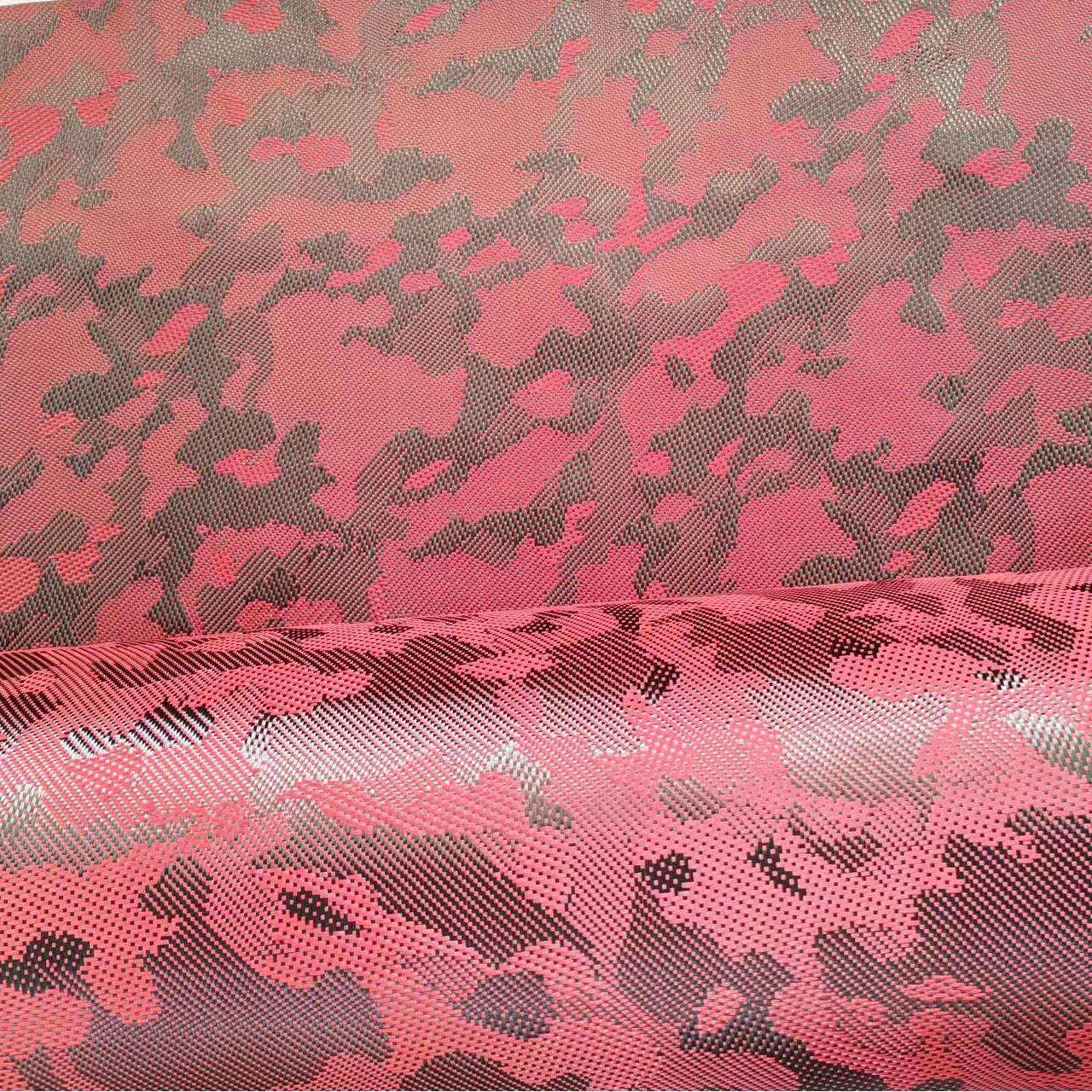
Advanced composite materials have revolutionized modern manufacturing, with carbon kevlar fabric emerging as a cornerstone technology across multiple industrial sectors. This hybrid reinforcement material combines the exceptional strength-to-weight ratio of carbon fiber with the outstanding impact resistance and flexibility of kevlar aramid fibers. Industries ranging from aerospace to automotive manufacturing have increasingly adopted carbon kevlar fabric for applications requiring superior mechanical properties, durability, and weight optimization. The unique characteristics of this composite material make it indispensable for components that must withstand extreme conditions while maintaining structural integrity and performance reliability.
Aerospace and Aviation Applications
Commercial Aircraft Components
The aerospace industry represents one of the largest consumers of carbon kevlar fabric due to stringent weight reduction requirements and safety standards. Commercial aircraft manufacturers utilize this advanced composite material in critical structural components including fuselage panels, wing assemblies, and interior cabin elements. The exceptional fatigue resistance of carbon kevlar fabric ensures these components maintain their structural properties throughout thousands of flight cycles. Airlines benefit from reduced fuel consumption and enhanced passenger safety when aircraft incorporate carbon kevlar fabric reinforcements in their design specifications.
Modern aircraft engines also rely heavily on carbon kevlar fabric for fan blade construction and nacelle components. The material's ability to withstand extreme temperature variations and mechanical stress makes it ideal for these demanding applications. Engine manufacturers have reported significant improvements in performance efficiency and maintenance intervals when utilizing carbon kevlar fabric in their designs. The hybrid nature of this composite material provides the perfect balance between strength and flexibility required for components subjected to constant vibration and thermal cycling.
Military and Defense Systems
Defense contractors extensively employ carbon kevlar fabric in military aircraft, unmanned aerial vehicles, and missile systems. The material's ballistic resistance properties, combined with its lightweight characteristics, make it essential for armored vehicle components and protective equipment. Military helicopters benefit from carbon kevlar fabric reinforcements in rotor blade construction, where impact resistance and fatigue life are critical performance factors. The stealth capabilities of aircraft are also enhanced through the electromagnetic properties of carbon kevlar fabric composites.
Spacecraft and satellite manufacturers have adopted carbon kevlar fabric for solar panel supports, antenna structures, and thermal protection systems. The material's stability in vacuum environments and resistance to radiation damage ensures reliable operation throughout extended mission durations. Space agencies worldwide specify carbon kevlar fabric for components that must maintain dimensional stability while experiencing extreme temperature fluctuations between sunlight and shadow conditions.
Automotive Industry Integration
High-Performance Vehicle Manufacturing
The automotive sector has embraced carbon kevlar fabric technology to meet increasingly stringent fuel efficiency regulations and performance demands. Luxury sports car manufacturers utilize this advanced composite material for body panels, chassis reinforcements, and aerodynamic components. The superior impact absorption characteristics of carbon kevlar fabric enhance passenger safety during collision events while reducing overall vehicle weight. Racing teams have achieved significant competitive advantages through strategic implementation of carbon kevlar fabric in roll cages, suspension components, and driver protection systems.
Electric vehicle manufacturers particularly benefit from carbon kevlar fabric applications due to weight reduction requirements for extended battery range. The material's electrical insulation properties provide additional safety benefits in high-voltage battery compartments and charging systems. Automotive suppliers have developed specialized carbon kevlar fabric formulations optimized for mass production techniques while maintaining the premium performance characteristics demanded by leading vehicle manufacturers.
Commercial Transportation Solutions
Commercial truck and bus manufacturers have integrated carbon kevlar fabric into trailer construction, cab reinforcements, and cargo containment systems. The material's resistance to fatigue and environmental degradation ensures reliable performance throughout demanding transportation cycles. Fleet operators report reduced maintenance costs and improved fuel efficiency when utilizing vehicles incorporating carbon kevlar fabric components. The vibration damping properties of this composite material also contribute to enhanced driver comfort and reduced noise levels in commercial vehicle applications.
Marine vessel construction has similarly benefited from carbon kevlar fabric technology, particularly in high-speed patrol boats, racing yachts, and commercial fishing vessels. The material's resistance to saltwater corrosion and impact damage from debris makes it ideal for hull construction and deck reinforcements. Shipbuilders have achieved significant improvements in vessel performance and operational longevity through strategic implementation of carbon kevlar fabric in critical structural areas.
Industrial Manufacturing and Equipment
Heavy Machinery Construction
Manufacturing equipment producers increasingly specify carbon kevlar fabric for components subjected to high mechanical stress and abrasive conditions. Construction machinery benefits from carbon kevlar fabric reinforcements in boom arms, bucket assemblies, and hydraulic system housings. The material's superior wear resistance and impact tolerance reduce downtime and maintenance requirements in demanding industrial environments. Mining equipment manufacturers have reported significant improvements in component lifespan when incorporating carbon kevlar fabric into their designs.
Precision manufacturing equipment utilizes carbon kevlar fabric for vibration isolation and structural stability applications. The material's excellent damping characteristics ensure consistent tolerances and surface finishes in high-speed machining operations. Semiconductor manufacturing equipment particularly benefits from the thermal stability and low outgassing properties of carbon kevlar fabric composites. Clean room applications require materials that maintain dimensional stability while contributing minimal contamination to sensitive manufacturing processes.
Energy Sector Applications
Wind energy systems extensively utilize carbon kevlar fabric in turbine blade construction, where the material's fatigue resistance and lightweight properties directly impact energy generation efficiency. The composite material's ability to withstand constant flexing and environmental exposure ensures reliable operation throughout extended service intervals. Wind farm operators have documented improved power output and reduced maintenance costs when utilizing turbines incorporating advanced carbon kevlar fabric blade designs.
Oil and gas exploration equipment relies on carbon kevlar fabric for downhole tools, pressure vessels, and pipeline reinforcements. The material's chemical resistance and mechanical properties make it suitable for harsh subsurface environments containing corrosive fluids and extreme pressures. Offshore drilling platforms benefit from carbon kevlar fabric applications in structural components that must withstand marine environments while maintaining operational reliability. The material's non-magnetic properties also provide advantages in environments where magnetic interference must be minimized.
Sports and Recreation Equipment
Professional Athletic Equipment
Sports equipment manufacturers have revolutionized performance through strategic implementation of carbon kevlar fabric technology. Professional tennis rackets, golf clubs, and cycling components benefit from the material's exceptional strength-to-weight ratio and vibration damping characteristics. Athletes report improved performance and reduced fatigue when using equipment incorporating carbon kevlar fabric reinforcements. The material's consistency and predictable behavior under stress contribute to enhanced athletic performance across multiple sporting disciplines.
Protective sports equipment particularly benefits from the impact resistance properties of carbon kevlar fabric composites. Hockey equipment, motorcycle helmets, and body armor utilize this advanced material for superior protection while maintaining mobility and comfort. The material's ability to distribute impact forces across larger areas reduces injury risk in high-contact sports and recreational activities. Equipment manufacturers continue developing innovative applications for carbon kevlar fabric as performance requirements become increasingly demanding.
Recreational Vehicle Manufacturing
Recreational boat builders extensively employ carbon kevlar fabric for hull construction, deck reinforcements, and structural components requiring high strength and low weight. The material's resistance to water absorption and environmental degradation ensures long service life in marine applications. Sailing yacht manufacturers particularly benefit from carbon kevlar fabric applications in mast construction and rigging components where weight reduction directly impacts performance. The composite material's fatigue resistance ensures reliable operation under constant loading from wind forces and wave action.
Recreational vehicle manufacturers utilize carbon kevlar fabric for lightweight trailer construction, roof reinforcements, and slide-out mechanisms. The material's dimensional stability and resistance to temperature cycling prevent common issues associated with traditional construction materials. RV owners benefit from improved fuel efficiency and enhanced durability when their vehicles incorporate carbon kevlar fabric components. The material's excellent insulation properties also contribute to improved climate control and energy efficiency in recreational vehicle applications.
Medical and Healthcare Technology
Medical Device Manufacturing
The medical device industry has adopted carbon kevlar fabric for applications requiring biocompatibility, radiolucency, and exceptional mechanical properties. Surgical instruments benefit from the material's lightweight characteristics and resistance to sterilization processes. Orthopedic implant manufacturers utilize carbon kevlar fabric composites for prosthetic devices where strength and compatibility with human tissue are critical factors. The material's non-toxic properties and stability in biological environments make it suitable for long-term implantable devices.
Diagnostic equipment manufacturers incorporate carbon kevlar fabric into imaging system components where radiolucency and structural stability are required. The material's transparency to various forms of medical radiation enables clear imaging while providing necessary structural support. Patient positioning devices and treatment tables benefit from carbon kevlar fabric construction due to weight reduction and ease of manipulation during medical procedures. The composite material's smooth surface finish and chemical resistance facilitate cleaning and sterilization protocols required in healthcare environments.
Rehabilitation and Mobility Equipment
Wheelchair manufacturers have revolutionized mobility equipment through carbon kevlar fabric applications in frame construction and seating systems. The material's strength-to-weight ratio enables lightweight designs that maintain structural integrity under daily use conditions. Users benefit from improved maneuverability and reduced fatigue when utilizing wheelchairs incorporating carbon kevlar fabric components. The material's vibration damping properties also contribute to enhanced comfort during extended use periods.
Prosthetic device manufacturers extensively utilize carbon kevlar fabric for artificial limbs where impact resistance and flexibility are essential performance characteristics. The material's ability to be formed into complex shapes while maintaining consistent mechanical properties enables realistic limb replacement solutions. Amputee athletes particularly benefit from carbon kevlar fabric prosthetics designed for high-performance applications where durability and responsiveness are critical factors. The composite material's resistance to environmental conditions ensures reliable operation in various climatic conditions.
FAQ
What makes carbon kevlar fabric superior to traditional reinforcement materials
Carbon kevlar fabric combines the high tensile strength and stiffness of carbon fiber with the exceptional impact resistance and flexibility of kevlar aramid fibers. This hybrid construction provides superior performance characteristics compared to single-fiber reinforcements, including improved fatigue life, better damage tolerance, and enhanced vibration damping properties. The material maintains structural integrity under extreme loading conditions while offering significant weight savings compared to metallic alternatives.
How does carbon kevlar fabric perform in extreme environmental conditions
Carbon kevlar fabric demonstrates exceptional stability across wide temperature ranges, from cryogenic conditions to elevated temperatures exceeding 200°C. The material resists degradation from ultraviolet radiation, moisture absorption, and chemical exposure common in industrial environments. Its dimensional stability and consistent mechanical properties under thermal cycling make it ideal for applications experiencing frequent temperature variations or long-term environmental exposure.
What are the cost considerations for implementing carbon kevlar fabric in manufacturing
While carbon kevlar fabric represents a higher initial material cost compared to conventional reinforcements, the total cost of ownership often proves favorable due to reduced maintenance requirements, extended service life, and performance improvements. Manufacturers typically realize cost savings through weight reduction benefits, improved fuel efficiency, and decreased replacement intervals. The material's processing efficiency and compatibility with automated manufacturing techniques also contribute to overall economic advantages.
How does carbon kevlar fabric contribute to sustainability and environmental responsibility
Carbon kevlar fabric supports sustainability initiatives through weight reduction that directly translates to improved fuel efficiency and reduced emissions in transportation applications. The material's extended service life reduces replacement frequency and associated environmental impacts from manufacturing and disposal processes. Additionally, carbon kevlar fabric components often enable design optimization that reduces overall material consumption while maintaining or improving performance characteristics across multiple industrial applications.
Table of Contents
- Aerospace and Aviation Applications
- Automotive Industry Integration
- Industrial Manufacturing and Equipment
- Sports and Recreation Equipment
- Medical and Healthcare Technology
-
FAQ
- What makes carbon kevlar fabric superior to traditional reinforcement materials
- How does carbon kevlar fabric perform in extreme environmental conditions
- What are the cost considerations for implementing carbon kevlar fabric in manufacturing
- How does carbon kevlar fabric contribute to sustainability and environmental responsibility