
 EN
EN

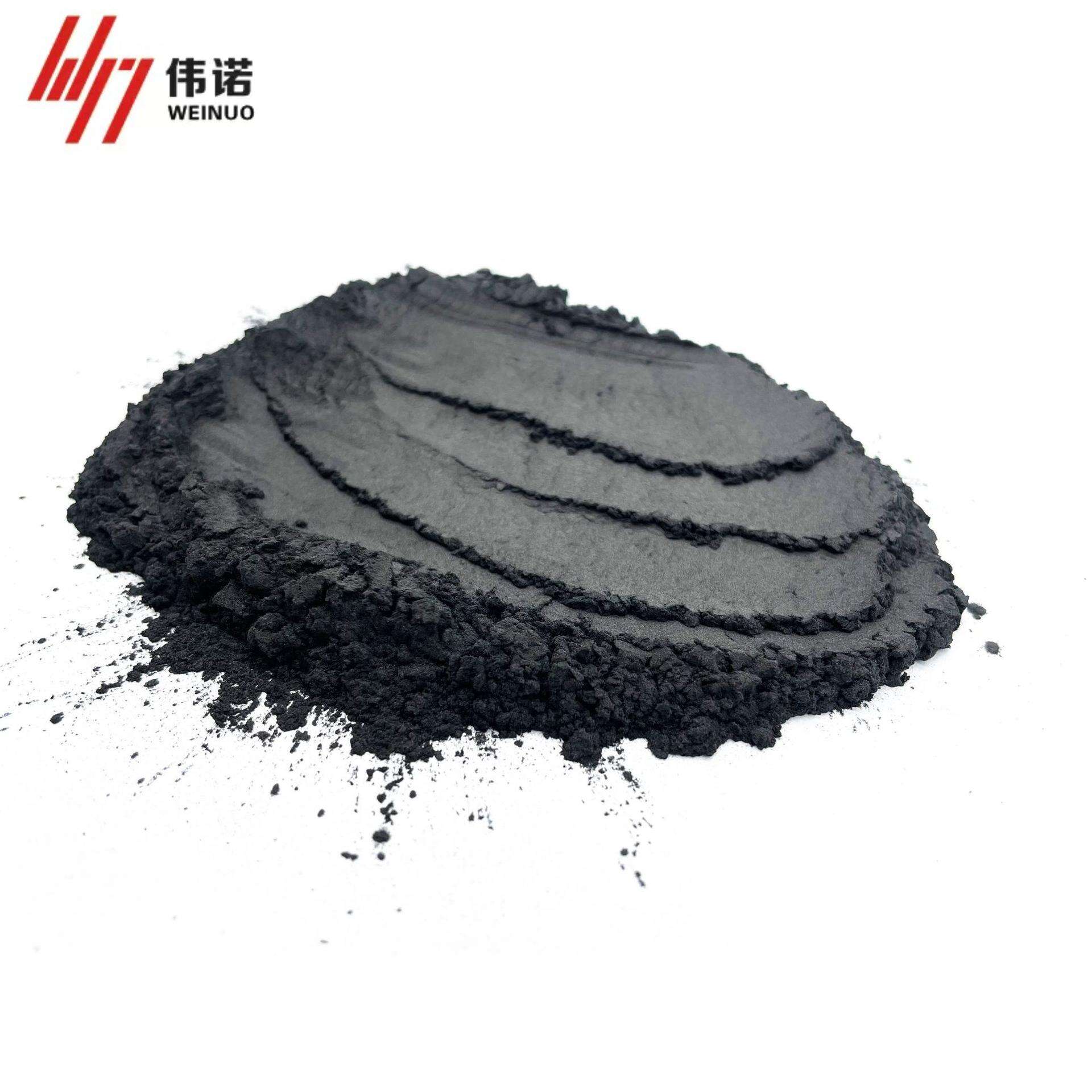
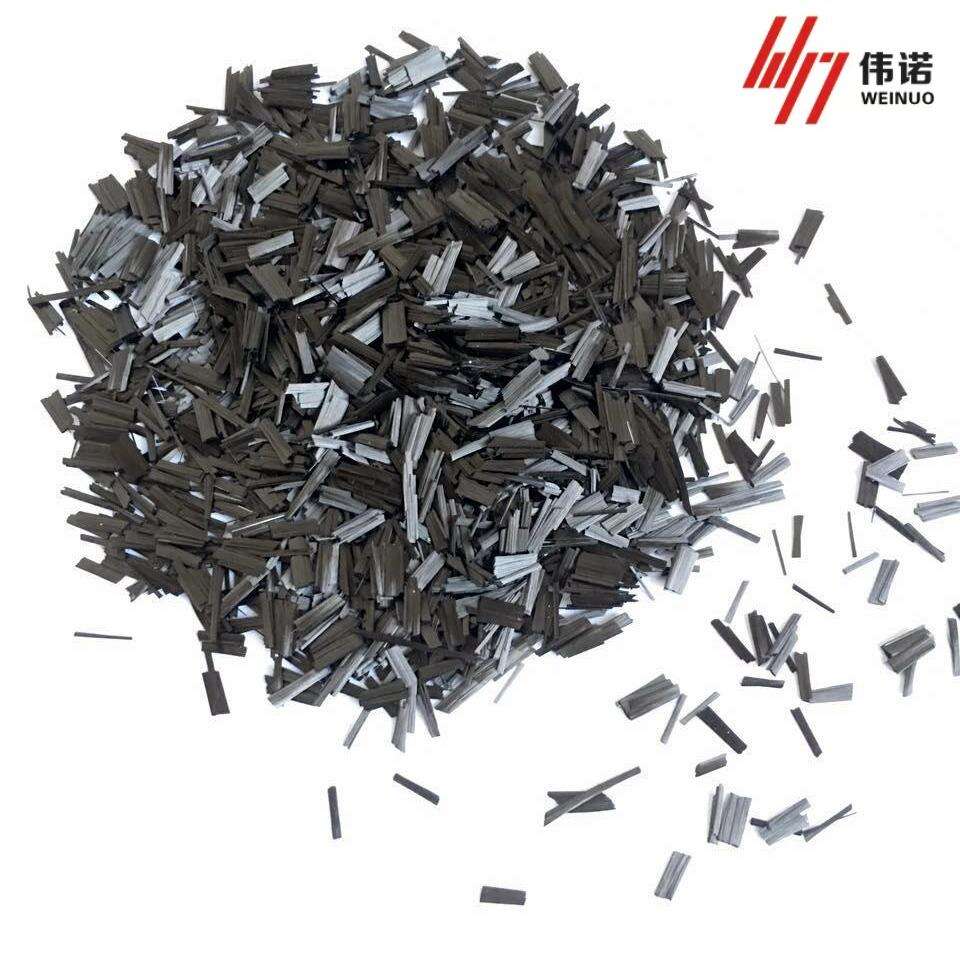
Chopped carbon fiber has revolutionized manufacturing across aerospace, automotive, and industrial sectors by offering exceptional mechanical performance in a versatile format. This discontinuous reinforcement material consists of carbon fiber strands cut to specific lengths, typically ranging from 3mm to 50mm, providing unique advantages over continuous fiber systems. Understanding how chopped carbon fiber influences mechanical properties enables engineers to optimize composite designs for maximum performance and cost-effectiveness. The strategic integration of chopped carbon fiber into polymer matrices creates composites with enhanced strength-to-weight ratios, improved impact resistance, and superior dimensional stability compared to traditional materials.
Fundamental Mechanical Property Enhancement Mechanisms
Fiber Length Impact on Load Transfer
The mechanical properties of chopped carbon fiber composites depend significantly on fiber length and its relationship to the critical fiber length. When chopped carbon fiber exceeds the critical length threshold, efficient stress transfer occurs between the matrix and reinforcement fibers. This phenomenon directly correlates with improved tensile strength, flexural modulus, and overall composite stiffness. Research demonstrates that optimal fiber lengths for chopped carbon fiber typically range between 6mm and 25mm, depending on the specific application requirements and matrix system compatibility.
Shorter chopped carbon fiber lengths generally result in reduced mechanical properties due to insufficient load transfer mechanisms. However, they offer advantages in processing flexibility and surface finish quality. The aspect ratio, defined as length-to-diameter ratio, becomes crucial for maximizing reinforcement effectiveness. Higher aspect ratios in chopped carbon fiber correlate with increased mechanical property enhancement, particularly in tension and bending applications.
Matrix-Fiber Interface Optimization
The interfacial bond strength between chopped carbon fiber and the polymer matrix significantly influences mechanical performance. Surface treatments and sizing agents applied to chopped carbon fiber improve adhesion characteristics, resulting in enhanced stress transfer efficiency. Proper interface optimization prevents fiber pull-out during loading, maintaining composite integrity under various stress conditions. Advanced surface modification techniques, including plasma treatment and chemical functionalization, further enhance the mechanical properties of chopped carbon fiber composites.
Interfacial shear strength directly affects the composite's ability to withstand complex loading scenarios. When chopped carbon fiber maintains strong matrix adhesion, the resulting composite exhibits improved fatigue resistance and damage tolerance. This enhanced interface performance becomes particularly important in applications requiring long-term durability and reliability under cyclic loading conditions.
Strength and Stiffness Characteristics
Tensile Property Improvements
Chopped carbon fiber significantly enhances tensile strength compared to unreinforced polymer matrices, with improvements ranging from 200% to 500% depending on fiber volume fraction and processing conditions. The random or semi-random orientation of chopped carbon fiber creates quasi-isotropic properties, providing balanced strength characteristics in multiple directions. This multi-directional reinforcement capability makes chopped carbon fiber particularly valuable for complex geometries and applications requiring uniform mechanical properties.
The tensile modulus increase achieved through chopped carbon fiber incorporation follows established composite theory predictions. Higher fiber loading percentages generally result in proportional stiffness improvements, though practical limitations exist due to processing constraints and fiber dispersion challenges. Optimal chopped carbon fiber loading typically ranges between 20% to 40% by weight, balancing mechanical enhancement with manufacturing feasibility.
Flexural and Impact Performance
Flexural strength represents one of the most significant mechanical property improvements achieved with chopped carbon fiber reinforcement. The ability of individual fibers to resist bending deformation translates into enhanced composite flexural performance. Chopped carbon fiber orientation during processing influences flexural properties, with aligned orientations providing maximum bending resistance in specific directions.
Impact resistance characteristics of chopped carbon fiber composites depend on fiber length, orientation, and matrix toughness. While continuous carbon fiber composites may exhibit brittle failure modes, chopped carbon fiber systems often demonstrate improved energy absorption capabilities. The discontinuous nature of chopped carbon fiber allows for multiple crack deflection mechanisms, enhancing overall toughness and damage tolerance under impact loading conditions.
Processing-Property Relationships
Manufacturing Method Influence
Different manufacturing processes significantly affect how chopped carbon fiber influences final mechanical properties. Injection molding, compression molding, and hand lay-up techniques each produce distinct fiber orientation patterns and resulting property profiles. During injection molding, chopped carbon fiber tends to align with flow direction, creating anisotropic properties that must be considered during design optimization.
Compression molding of chopped carbon fiber composites typically produces more random fiber orientations, resulting in quasi-isotropic mechanical properties. Processing parameters including temperature, pressure, and cure time directly influence fiber-matrix interaction and final composite performance. Proper parameter optimization ensures maximum utilization of chopped carbon fiber reinforcement potential while maintaining manufacturing efficiency.
Fiber Distribution and Orientation Control
Achieving uniform chopped carbon fiber distribution throughout the composite matrix requires careful attention to mixing procedures and processing techniques. Non-uniform distribution can create weak zones and stress concentrations that compromise mechanical performance. Advanced mixing technologies and specialized processing equipment help ensure consistent chopped carbon fiber dispersion for optimal property development.
Fiber orientation control during processing allows engineers to tailor mechanical properties for specific loading conditions. Preferential chopped carbon fiber alignment can be achieved through controlled flow patterns, magnetic orientation techniques, or specialized molding procedures. Understanding and controlling these orientation effects enables optimization of composite mechanical properties for intended applications.
Comparative Performance Analysis
Chopped Versus Continuous Fiber Systems
Comparing chopped carbon fiber to continuous fiber reinforcement reveals distinct advantages and limitations for different applications. While continuous carbon fiber provides maximum mechanical properties in specific directions, chopped carbon fiber offers more balanced multi-directional properties and enhanced processing flexibility. The trade-off between ultimate performance and manufacturing practicality often favors chopped carbon fiber for complex geometries and high-volume production scenarios.
Cost considerations also favor chopped carbon fiber in many applications, as it typically requires less specialized processing equipment and enables automated manufacturing processes. The mechanical property differences between chopped carbon fiber and continuous systems become less significant when considering the overall system performance, including manufacturing costs, design complexity, and application requirements.
Alternative Reinforcement Comparison
When compared to glass fiber reinforcement, chopped carbon fiber demonstrates superior specific strength and stiffness properties. The lower density of carbon fiber results in lighter composites with enhanced mechanical performance per unit weight. Additionally, chopped carbon fiber exhibits better fatigue resistance and dimensional stability compared to conventional glass fiber reinforcement systems.
Natural fiber alternatives cannot match the mechanical property enhancement provided by chopped carbon fiber, particularly in demanding structural applications. However, chopped carbon fiber integration with hybrid reinforcement systems, combining natural and synthetic fibers, creates opportunities for optimized performance-cost relationships in specific market segments.
Application-Specific Property Requirements
Aerospace Industry Applications
Aerospace applications demand exceptional mechanical properties from chopped carbon fiber composites, including high strength-to-weight ratios, excellent fatigue resistance, and dimensional stability across wide temperature ranges. Interior components, secondary structures, and non-critical load-bearing elements frequently utilize chopped carbon fiber reinforcement to achieve required performance specifications while maintaining manufacturing efficiency.
The flame retardancy and smoke generation characteristics of chopped carbon fiber composites become critical considerations for aerospace applications. Specialized resin systems and additive packages work synergistically with chopped carbon fiber to meet stringent aviation safety requirements while maintaining mechanical property advantages.
Automotive Sector Implementation
Automotive applications of chopped carbon fiber focus on weight reduction while maintaining structural integrity and crash performance. Body panels, interior components, and engine bay applications benefit from the enhanced mechanical properties and temperature resistance provided by chopped carbon fiber reinforcement. The ability to process chopped carbon fiber through high-volume manufacturing techniques makes it particularly attractive for automotive mass production.
Vibration damping and noise reduction represent additional benefits of chopped carbon fiber in automotive applications. The fiber reinforcement modifies the dynamic mechanical properties of composites, contributing to improved ride quality and acoustic performance in vehicle applications.
Future Developments and Optimization Strategies
Advanced Fiber Treatments
Ongoing research into chopped carbon fiber surface treatments aims to further enhance mechanical property development through improved fiber-matrix bonding. Nano-scale surface modifications and functionalization techniques show promise for increasing interfacial shear strength and overall composite performance. These advanced treatments may enable reduced fiber loading requirements while maintaining equivalent mechanical properties.
Hybrid sizing systems that combine multiple functional chemistries offer opportunities to tailor chopped carbon fiber performance for specific applications. These specialized treatments can enhance particular mechanical properties while maintaining overall composite integrity and processing characteristics.
Processing Technology Advancement
Advanced processing technologies continue to expand the potential applications for chopped carbon fiber by improving fiber distribution control and orientation management. Automated fiber placement systems and specialized mixing equipment enable more precise control over composite microstructure and resulting mechanical properties.
Digital manufacturing techniques, including additive manufacturing with chopped carbon fiber reinforcement, represent emerging opportunities for creating complex geometries with optimized mechanical property distributions. These technologies may revolutionize how engineers utilize chopped carbon fiber in next-generation composite applications.
FAQ
What is the optimal fiber length for maximum mechanical property enhancement in chopped carbon fiber composites
The optimal fiber length for chopped carbon fiber depends on the specific application and processing method, but generally ranges between 6mm and 25mm. Shorter fibers around 3-6mm work well for injection molding applications where good surface finish is required, while longer fibers up to 50mm can be used in compression molding for maximum mechanical property enhancement. The key is ensuring the fiber length exceeds the critical fiber length for effective load transfer while remaining compatible with the chosen manufacturing process.
How does chopped carbon fiber content affect composite mechanical properties
Increasing chopped carbon fiber content typically improves mechanical properties up to an optimal loading level, usually between 20-40% by weight. Beyond this range, processing difficulties and fiber-fiber interactions can actually reduce properties due to poor fiber wetting and dispersion. Higher fiber contents increase stiffness and strength but may reduce impact toughness and elongation at break. The optimal loading depends on the specific resin system, processing method, and desired property profile.
Can chopped carbon fiber composites replace continuous fiber systems in structural applications
Chopped carbon fiber composites can replace continuous fiber systems in certain structural applications, particularly where multi-directional loading occurs or complex geometries are required. However, for applications requiring maximum strength and stiffness in specific directions, continuous fiber systems generally provide superior performance. The decision should consider factors including loading conditions, manufacturing requirements, cost constraints, and required safety factors. Many successful structural applications use chopped carbon fiber effectively when properly designed and optimized.
What processing challenges affect chopped carbon fiber mechanical property development
Key processing challenges include achieving uniform fiber distribution, preventing fiber breakage during mixing and molding, and controlling fiber orientation. Poor fiber dispersion creates weak zones that compromise mechanical properties, while excessive fiber breakage reduces the effective fiber length below optimal levels. Processing temperature and pressure must be carefully controlled to avoid matrix degradation while ensuring proper fiber wetting. Advanced mixing techniques and specialized processing equipment help address these challenges and maximize the mechanical property benefits of chopped carbon fiber reinforcement.
Table of Contents
- Fundamental Mechanical Property Enhancement Mechanisms
- Strength and Stiffness Characteristics
- Processing-Property Relationships
- Comparative Performance Analysis
- Application-Specific Property Requirements
- Future Developments and Optimization Strategies
-
FAQ
- What is the optimal fiber length for maximum mechanical property enhancement in chopped carbon fiber composites
- How does chopped carbon fiber content affect composite mechanical properties
- Can chopped carbon fiber composites replace continuous fiber systems in structural applications
- What processing challenges affect chopped carbon fiber mechanical property development