
 EN
EN

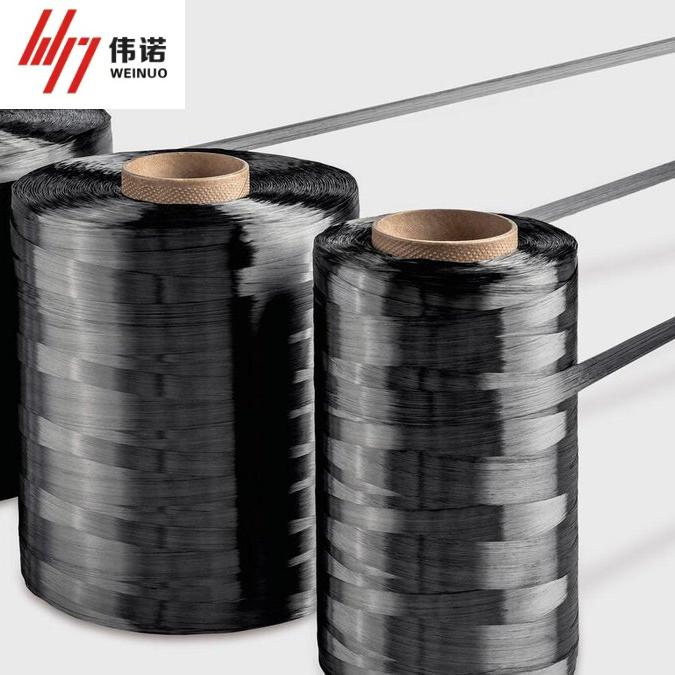
The carbon fiber price landscape is far more complex than many industrial buyers initially realize. Carbon fiber pricing is not a single fixed number but instead reflects a spectrum of material grades, manufacturing processes, and market conditions that significantly influence the final cost structure. Understanding why carbon fiber price varies across different grades and types is essential for procurement teams, engineers, and manufacturers who rely on these high-performance materials for critical applications across aerospace, automotive, sporting goods, and industrial sectors.
Carbon fiber price is fundamentally driven by raw material sourcing, manufacturing complexity, and the specific performance characteristics each grade delivers. When you compare carbon fiber price across market offerings, you are not simply comparing identical products at different price points; you are evaluating distinct material specifications, quality certifications, production volumes, and end-use suitability. This article explores the critical factors that shape carbon fiber price variation, enabling you to make informed purchasing decisions aligned with your technical and budget requirements.
Understanding Grade Classifications and Carbon Fiber Price Drivers
Standard Grade Carbon Fiber and Baseline Pricing
Standard-grade carbon fiber represents the entry-level category where carbon fiber price is most competitive. This grade typically features lower tensile strength, modest modulus ratings, and broader manufacturing tolerances compared to premium alternatives. Standard carbon fiber price reflects simpler production processes, less stringent quality controls, and higher allowable defect rates. These materials work well for non-critical structural components, cost-sensitive consumer products, and applications where maximum performance is not the limiting factor. The carbon fiber price for standard grades generally ranges from the lowest end of the market spectrum because manufacturers optimize for volume production rather than precision engineering.
Intermediate Grade Carbon Fiber and Performance Premiums
Intermediate-grade carbon fiber delivers enhanced mechanical properties, tighter material specifications, and more consistent performance characteristics. Carbon fiber price in this category increases due to stricter quality assurance, advanced processing techniques, and rigorous testing protocols. Intermediate carbon fiber price typically commands a 30 to 50 percent premium over standard grades because manufacturers invest in superior fiber alignment, resin compatibility optimization, and defect elimination. These materials suit applications requiring reliable performance under moderate stress conditions, semi-structural components, and industries where material consistency directly impacts production yield rates and end-product reliability.
High-Performance Grades and Premium Carbon Fiber Price Positioning
Aerospace and Specialty Grade Materials
Aerospace-grade carbon fiber represents the premium tier of the carbon fiber price spectrum, where pricing reflects extreme performance requirements and rigorous regulatory compliance. Carbon fiber price for aerospace applications incorporates extensive testing documentation, traceability systems, and adherence to military or civil aviation standards. These materials undergo repeated mechanical property verification, environmental aging tests, and damage tolerance assessments before qualifying for critical structural applications. The carbon fiber price premium for aerospace grades can exceed standard materials by 2 to 4 times because manufacturers must maintain specialized production facilities, skilled technical personnel, and comprehensive quality management systems that meet stringent certification requirements from regulatory bodies worldwide.
Carbon Fiber Fiber Architecture and Type-Specific Pricing
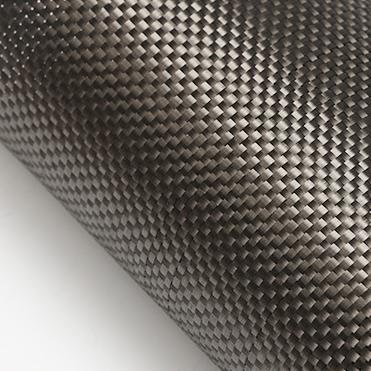
The physical form of carbon fiber directly influences carbon fiber price within each grade category. Unidirectional carbon fiber price differs substantially from woven carbon fiber price due to processing requirements and application-specific engineering. Woven carbon fabric carbon fiber price incorporates the additional labor and equipment needed for interlacing fibers into balanced bi-directional patterns, which increases production complexity compared to unidirectional lay-ups. Chopped carbon fiber price reflects different manufacturing pathways and typically positions lower than continuous fiber forms. Multi-directional carbon fiber price adjusts based on the number of fabric layers, ply orientation patterns, and customization requirements. Understanding these distinctions helps explain why carbon fiber price quoted from different suppliers may seem inconsistent when comparing materials with different fiber architectures or fabric weave densities.
Market Factors Influencing Carbon Fiber Price Fluctuations
Raw Material Sourcing and Processing Complexity
Carbon fiber price depends heavily on precursor material costs, which have experienced considerable volatility over recent decades. The primary precursor, polyacrylonitrile (PAN), undergoes multiple processing stages including stabilization, carbonization, and oxidation before becoming usable carbon fiber. Carbon fiber price reflects the efficiency of these conversion processes; raw material losses during processing directly impact the final cost per kilogram of finished fiber. Additionally, carbon fiber price is sensitive to energy costs associated with high-temperature carbonization furnaces, which consume substantial electrical power. Manufacturers in regions with favorable electricity pricing can offer lower carbon fiber price, creating geographic variation in market pricing. The oxidation environment, heating rates, and temperature profiles during carbonization all influence final fiber properties and therefore justify different carbon fiber price points across suppliers.
Production Volume and Scale Economy
Manufacturing scale profoundly affects carbon fiber price competitiveness. Large-volume producers enjoy lower per-unit costs through equipment utilization optimization, labor efficiency gains, and bulk purchasing advantages for raw materials. Carbon fiber price from high-volume manufacturers reflects these scale economies, enabling them to offer competitive pricing while maintaining profit margins. Conversely, specialized producers serving niche applications or offering limited production runs must distribute fixed overhead costs across smaller output quantities, which typically results in higher per-unit carbon fiber price. This dynamic explains why carbon fiber price varies significantly between established capacity suppliers and emerging manufacturers entering the market with limited production infrastructure.
Quality Certification and Testing Requirements
Industry certifications and third-party testing significantly increase carbon fiber price for qualified materials. Aerospace materials require certification from organizations like the National Aerospace and Space Administration or the European Aviation Safety Agency, which demands extensive documentation and periodic re-qualification. Military specifications add additional compliance layers that increase manufacturing costs and therefore elevate carbon fiber price. ISO certifications, material data sheet documentation, and batch traceability systems all contribute to higher production overhead reflected in final carbon fiber price. Industrial buyers requiring documented material properties and chain-of-custody verification must typically accept higher carbon fiber price than buyers purchasing unqualified materials from informal suppliers.
Application-Specific Considerations Affecting Carbon Fiber Price Value
Performance Matching and Cost Optimization
Strategic carbon fiber price optimization requires aligning material specifications precisely with application requirements. Specifying premium aerospace-grade materials for applications that only need intermediate performance unnecessarily inflates project costs. Conversely, using standard-grade materials where intermediate or premium grades are required risks performance failures and warranty liabilities. Engineers must evaluate whether additional carbon fiber price reflects genuine performance improvements relevant to their specific end-use or represents unnecessary premium for features they do not require. This analysis ensures carbon fiber price reflects justified technical value rather than brand markup or over-specification bias.
Volume Purchasing and Long-Term Supply Agreements
Carbon fiber price negotiation becomes more favorable at higher order volumes. Manufacturers often provide tiered pricing structures where carbon fiber price decreases as order quantities increase, reflecting the production efficiency gains and reduced marketing costs associated with larger commitments. Long-term supply agreements frequently offer locked carbon fiber price rates spanning multiple years, protecting buyers from market volatility while providing suppliers with predictable demand forecasting. Conversely, spot market purchases or small trial orders typically incur higher per-unit carbon fiber price due to production scheduling constraints and increased administrative burden.
FAQ
Why does aerospace-grade carbon fiber price exceed standard-grade pricing by such large margins?
Aerospace-grade carbon fiber price reflects mandatory regulatory compliance, rigorous testing protocols, and specialized production facilities required for critical aircraft structural applications. Each batch undergoes extensive mechanical property verification, environmental aging simulation, and damage tolerance assessment before certification. The carbon fiber price premium directly correlates with the investment in quality assurance systems, skilled technical personnel, and compliance documentation needed to meet military or civil aviation standards that affect flight safety and operational reliability.
Can carbon fiber price be reduced by switching fiber architecture types while maintaining performance?
Sometimes, carbon fiber price can be optimized by changing fiber architecture if application loads allow directional simplification. For example, unidirectional carbon fiber price may be lower than woven carbon fabric price while delivering superior strength along the primary load direction in unidirectional loading scenarios. However, woven carbon fiber price justifies its premium when multi-directional load paths or damage resistance properties are essential. Engineers should conduct finite element analysis and stress mapping to identify opportunities where carbon fiber price reduction through architectural changes does not compromise structural integrity or safety margins.
How do geographic location and supplier scale impact carbon fiber price consistency?
Geographic location influences carbon fiber price through energy cost variations, labor wage differences, and transportation logistics. Suppliers in regions with lower electricity costs can offer more competitive carbon fiber price for energy-intensive carbonization processes. Large established manufacturers benefit from amortized capital equipment costs across high production volumes, enabling lower carbon fiber price compared to emerging suppliers. Supply chain geography also affects carbon fiber price through tariff structures and international trade agreements that vary by region, explaining why identical specifications may have different carbon fiber price quotes from suppliers in different countries.