
 EN
EN

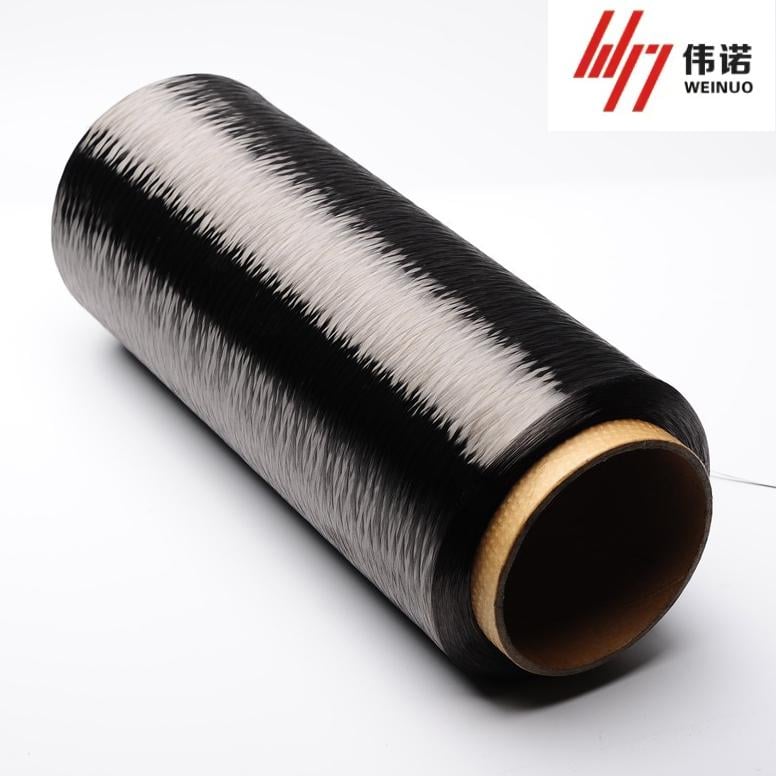
The global carbon fiber price landscape reflects a complex interplay of supply chain dynamics, raw material availability, manufacturing capacity, and geopolitical factors that directly impact end-user costs across industries. Understanding what drives carbon fiber price fluctuations is essential for engineers, procurement specialists, and manufacturers who rely on this high-performance material for aerospace, automotive, wind energy, and sports equipment applications. Carbon fiber price movements can significantly affect project budgets and material selection strategies, making it crucial to recognize the underlying market forces shaping costs today.
Raw material sourcing forms the foundation of carbon fiber price determination, with precursor materials such as polyacrylonitrile (PAN) representing the largest cost component in the manufacturing chain. The carbon fiber price you encounter in markets today reflects investments in efficient production infrastructure, energy costs during the carbonization process, and the scarcity or abundance of feedstock materials. Each stage of carbon fiber production, from precursor synthesis through oxidation to carbonization and fiber sizing, contributes measurable cost increments that collectively shape the final carbon fiber price delivered to your facility.
Raw Material Costs and Supply Chain Dynamics
Precursor Material Availability and Pricing
Polyacrylonitrile (PAN) precursor materials drive the baseline carbon fiber price structure, accounting for approximately 40-50% of total production expenses in modern manufacturing facilities. The carbon fiber price elasticity directly correlates with PAN supply availability, which remains concentrated among a limited number of global chemical producers. When PAN production capacity becomes constrained or feedstock petrochemical costs rise, carbon fiber price increases ripple across downstream industries, affecting aerospace OEMs, automotive suppliers, and renewable energy manufacturers simultaneously. Strategic sourcing decisions that secure PAN contracts through long-term agreements can help stabilize your carbon fiber price exposure over multi-year procurement cycles.
Energy Costs in the Production Process
The energy-intensive carbonization process represents the second-largest variable in carbon fiber price calculations, with furnace operations consuming substantial electrical power and thermal resources. Carbon fiber price volatility often correlates with regional energy market fluctuations, particularly in regions with coal-dependent electricity grids or volatile natural gas pricing. Manufacturers operating carbon fiber production facilities in jurisdictions with renewable energy infrastructure or favorable utility contracts can achieve lower carbon fiber price points compared to competitors in energy-constrained regions. Understanding the geographical distribution of carbon fiber production capacity helps explain regional variations in carbon fiber price quotations you receive from different suppliers.
Production Capacity and Manufacturing Scale
Global Manufacturing Infrastructure and Efficiency
The carbon fiber price you observe today reflects cumulative investments in production automation, quality control systems, and manufacturing efficiency improvements implemented across the global industry over the past decade. Newer carbon fiber production facilities with advanced process controls and higher throughput capacity typically offer more competitive carbon fiber price structures than legacy plants operating with older technology. The correlation between production scale and carbon fiber price is not linear; facilities operating at 70-80% capacity utilization typically offer better carbon fiber price negotiation flexibility than fully saturated plants with waiting lists. Investment cycles in expanding carbon fiber production capacity directly influence forward-looking carbon fiber price projections, as new facilities coming online may create temporary pricing relief in oversupplied markets.
Manufacturing Specialization and Product Mix
Different carbon fiber grades and specifications command varying carbon fiber price premiums based on manufacturing complexity and market positioning. Commodity-grade carbon fiber suitable for wind turbine blades trades at lower carbon fiber price points than high-performance aerospace-grade materials meeting stringent specifications. The carbon fiber price differentiation between standard and specialty grades reflects validation testing, certification costs, and limited production runs for restricted-market applications. Procurement strategies that identify acceptable alternative grades for your application can unlock substantial cost optimization compared to over-specification approaches.
Market Demand and Geopolitical Influences
Industry Demand Cycles and Application Growth
Carbon fiber price cycles closely follow demand surges in high-growth sectors such as wind energy, electric vehicle battery enclosures, and aerospace component manufacturing. When demand for carbon fiber products accelerates faster than production capacity can respond, carbon fiber price increases reflect supply constraints rather than fundamental cost structure changes. Conversely, periods of weak demand in cyclical industries like aerospace and automotive typically create downward pressure on carbon fiber price as manufacturers compete for limited order volume. Multi-year forecasting of carbon fiber demand in your industry segment helps contextualize whether current carbon fiber price levels represent temporary peaks or structural market shifts.
Trade Policies and Regional Market Dynamics
Tariffs, trade agreements, and regional protectionism significantly influence the effective carbon fiber price you pay when importing materials across international borders. Carbon fiber price disparities between regions often reflect tariff incidence and logistical costs as much as underlying production economics, creating arbitrage opportunities for globally-positioned procurement teams. Export restrictions, antidumping regulations, and trade disputes between major producing nations create carbon fiber price volatility that procurement professionals must anticipate during contract negotiation windows. Analyzing historical carbon fiber price trends across different regional markets reveals patterns of trade policy impact and helps develop hedging strategies for long-term supply agreements.
Technology Development and Sustainability Pressures
Production Process Innovation and Cost Reduction
Continuous innovation in carbon fiber manufacturing processes gradually reduces production costs, creating competitive pressure that eventually translates to lower carbon fiber price for end-users. Advanced carbonization chamber designs, improved oxidation efficiency, and automated fiber sizing systems represent recent innovations that enhance carbon fiber yield and reduce carbon fiber price over time. Research investments focused on lower-cost precursor materials, such as lignin-based and acrylic precursors, promise future carbon fiber price reductions if commercialization timelines accelerate. However, carbon fiber price decreases from efficiency improvements often face resistance in mature markets where manufacturers prioritize margin maintenance over market share expansion.
Environmental Compliance and Sustainability Costs
Environmental regulations requiring emissions control, waste management, and water treatment infrastructure add measurable compliance costs to modern carbon fiber production facilities, influencing carbon fiber price in regulated markets. Carbon fiber manufacturers operating under strict emissions standards and sustainability requirements face higher operational expenses than competitors in regions with minimal environmental oversight, creating carbon fiber price competitiveness challenges for compliant producers. Carbon fiber price premiums associated with sustainability certifications and recycled content materials reflect growing customer willingness to pay for environmentally responsible sourcing. Future carbon fiber price trends will increasingly reflect costs of circular economy initiatives, such as recycling infrastructure development and end-of-life carbon fiber recovery systems.
FAQ
What is the typical carbon fiber price range in current markets?
Carbon fiber price ranges from approximately $15-25 per kilogram for standard grade materials to $30-50+ per kilogram for aerospace-specification products, depending on the specific grade, production volume contracted, and market conditions at purchase time. The carbon fiber price you receive depends heavily on order quantity, long-term commitment terms, and your supplier's current capacity utilization rates. Bulk purchases and multi-year contracts typically secure more favorable carbon fiber price points compared to spot market purchasing or small-volume requirements.
How does carbon fiber price impact material selection decisions?
Carbon fiber price significantly influences whether engineers choose this premium material over alternatives like fiberglass, aluminum, or steel for weight-sensitive applications. When carbon fiber price increases relative to competing materials, design teams often explore hybrid material approaches combining carbon fiber in critical stress areas with lower-cost alternatives for secondary components. Carbon fiber price trending analysis helps procurement teams make informed decisions about timing material purchases, forward-contracting strategies, and whether investing in process efficiency improvements would justify the capital expenditure based on projected carbon fiber price savings.
Can carbon fiber price be predicted or forecasted reliably?
Carbon fiber price forecasting presents significant challenges due to unpredictable supply disruptions, energy market volatility, and demand cycles across diverse end-use industries with varying business cycles. Analytical approaches combining PAN precursor pricing, energy market indicators, and production capacity utilization data provide reasonable directional guidance for carbon fiber price trends over 6-12 month horizons. Long-term carbon fiber price forecasting beyond one year becomes increasingly uncertain, making dynamic procurement strategies that adjust sourcing approaches based on observed market signals more practical than fixed long-term predictions.