
 EN
EN

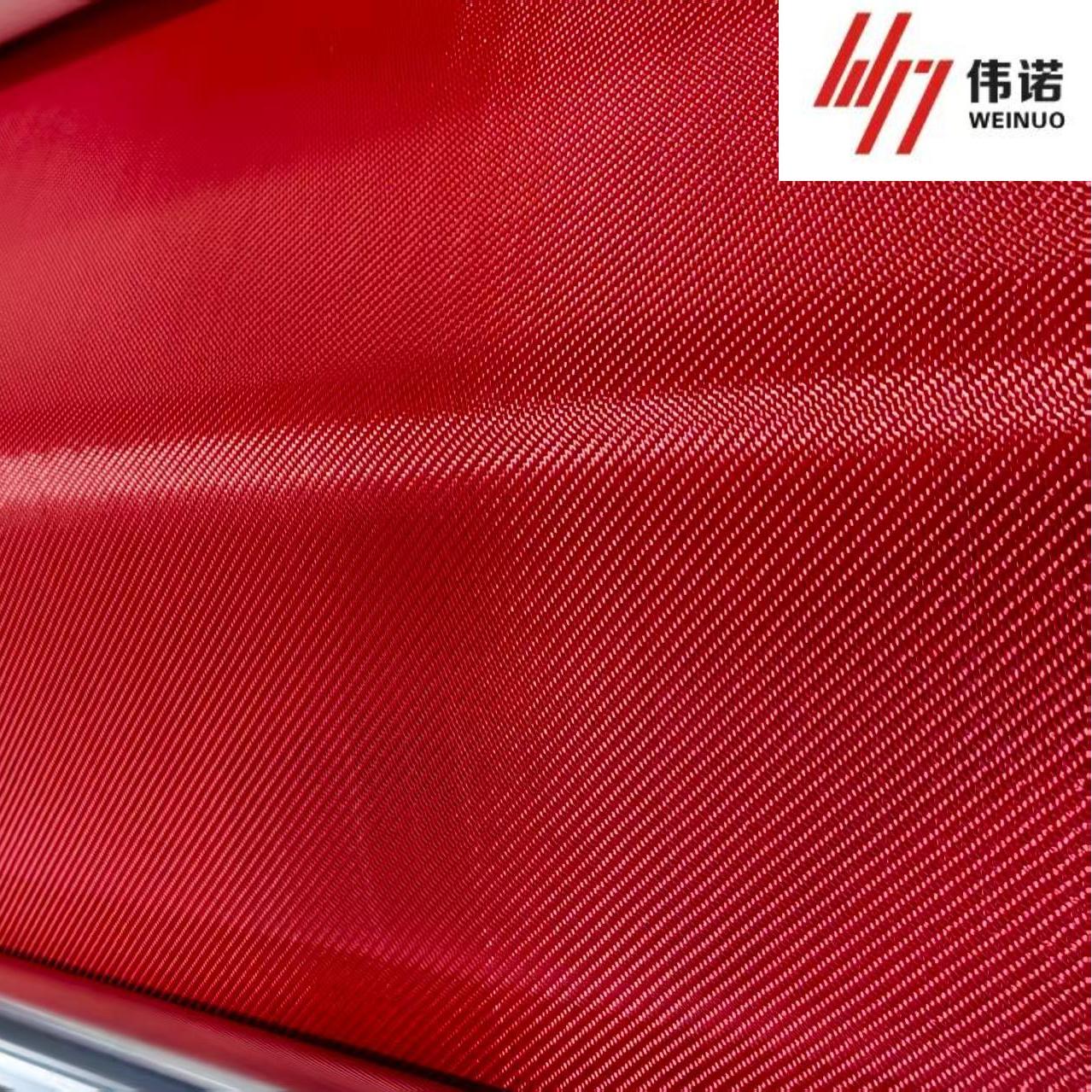
The drone industry is evolving at a remarkable pace, and one material has become central to nearly every performance breakthrough: carbon fiber fabric. From commercial delivery drones to precision agricultural UAVs, carbon fiber fabric is now a standard choice for engineers who demand the highest strength-to-weight ratio available in any composite material. Understanding why carbon fiber fabric has risen so rapidly in drone manufacturing reveals both the technical demands of modern UAV design and the material science behind this remarkable textile.
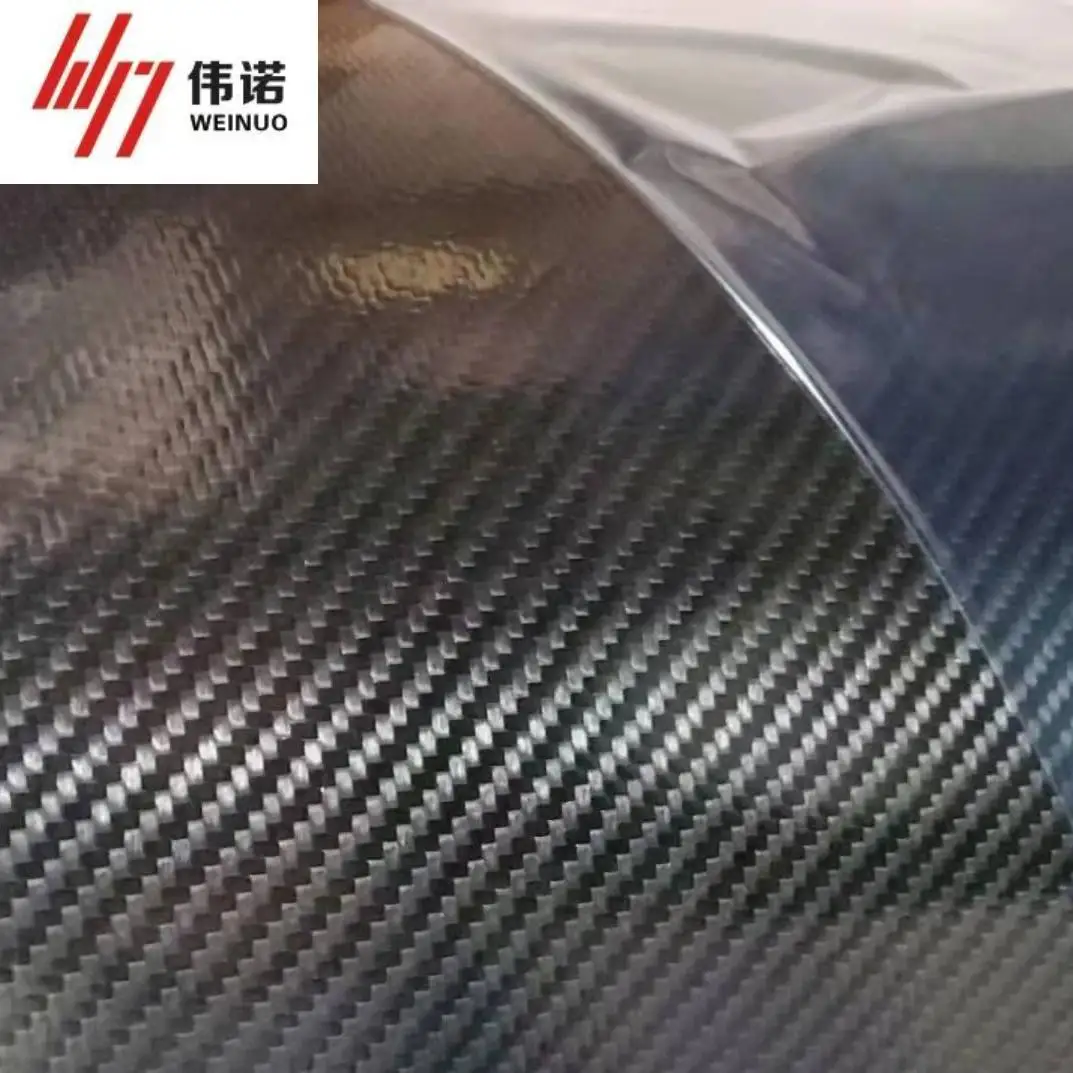
Not long ago, drone frames were commonly built from aluminum, fiberglass, or basic plastic composites. These materials were accessible and affordable, but they imposed weight penalties and limited the structural performance that next-generation drones required. Carbon fiber fabric changed that equation entirely. Today, carbon fiber fabric is used in drone frames, arms, landing gear, motor mounts, and even protective canopies. The growing importance of carbon fiber fabric in the drone industry is not a passing trend — it is a direct response to the precise engineering requirements that serious UAV applications demand.
Structural Advantages of Carbon Fiber Fabric in UAV Design
Exceptional Strength-to-Weight Performance
The single most important reason carbon fiber fabric has become indispensable in drone manufacturing is its extraordinary strength-to-weight ratio. Carbon fiber fabric delivers tensile strength that surpasses steel while weighing only a fraction as much. For a drone, every gram saved in the airframe translates directly into longer flight time, increased payload capacity, or reduced battery consumption. Engineers who work with carbon fiber fabric consistently find that they can build stiffer, more rigid structures without adding the mass penalties associated with metals. This structural efficiency is why carbon fiber fabric now appears in the arms and central plates of even mid-range commercial drones.
Rigidity and Vibration Damping Properties
Beyond raw strength, carbon fiber fabric offers excellent rigidity that resists flex under dynamic loads. Drone arms experience significant vibration from rapidly spinning motors and propellers, and any flex in those components can introduce resonance that degrades flight stability and sensor accuracy. Carbon fiber fabric, when laminated into composite panels or tubes, provides the stiffness needed to minimize this unwanted movement. The fiber orientation within carbon fiber fabric — whether woven in twill, plain, or unidirectional patterns — allows designers to engineer directional stiffness exactly where it is needed most. This design flexibility makes carbon fiber fabric uniquely suited to UAV structures that must endure both static loads and high-frequency vibration simultaneously.
Carbon Fiber Fabric in Drone Performance and Durability
Impact on Flight Efficiency
Flight efficiency in a drone is governed by the ratio of useful payload to total system weight. When carbon fiber fabric replaces heavier materials in the airframe, the drone's power systems can dedicate more energy to lift and propulsion rather than simply carrying the structure itself. Carbon fiber fabric panels and molded components allow manufacturers to achieve frame weights that would be impossible with aluminum or fiberglass. In practical terms, a drone built with carbon fiber fabric can carry a heavier camera gimbal, a larger battery, or additional sensors while remaining within safe operating weight limits. This capability expansion is a primary reason that carbon fiber fabric has become the default structural material in professional-grade UAV platforms.
Long-Term Durability and Weather Resistance
Drones operate in demanding outdoor environments where moisture, UV radiation, and mechanical stress are constant factors. Carbon fiber fabric, when combined with appropriate resin systems such as epoxy prepreg, produces composite panels that resist corrosion, delamination, and UV degradation far better than aluminum or untreated fiberglass. Carbon fiber fabric does not rust, and its matrix resin provides a barrier against moisture ingress that would weaken metal structures over time. This durability means that drones built with carbon fiber fabric maintain their structural integrity across many more flight cycles, reducing the frequency of component replacement and lowering the total cost of ownership over a drone's operational life. The resilience of carbon fiber fabric under repeated stress is a significant factor in its growing adoption across both commercial and industrial UAV sectors.
Why Carbon Fiber Fabric Selection Matters for Drone Manufacturers
Weave Patterns and Their Effect on Drone Components
Not all carbon fiber fabric performs identically, and choosing the correct weave pattern is a critical engineering decision. Twill weave carbon fiber fabric offers excellent drapeability, allowing the material to conform to curved molds used in drone canopies and aerodynamic fairings. Plain weave carbon fiber fabric provides a more symmetrical fiber distribution, which suits flat structural panels and reinforcement plates where balanced stiffness in both axes is important. For drone manufacturers, understanding the difference between twill and plain carbon fiber fabric ensures that each component receives the mechanical properties best suited to its function. Selecting the right carbon fiber fabric weave is not purely aesthetic — it directly affects structural performance and part quality.
Prepreg Carbon Fiber Fabric and Consistent Quality
Prepreg carbon fiber fabric — in which the fiber weave is pre-impregnated with a controlled amount of resin — has become particularly important for high-precision drone manufacturing. Standard wet-layup methods can introduce inconsistency in resin distribution, which affects the mechanical properties of the finished part. Prepreg carbon fiber fabric solves this problem by delivering a uniform fiber-to-resin ratio throughout every sheet. The result is a cured composite with predictable strength, stiffness, and weight that quality-conscious drone manufacturers can rely on. As UAV performance requirements become increasingly stringent, prepreg carbon fiber fabric is the preferred format for components where dimensional accuracy and repeatability are non-negotiable. Drone producers who invest in quality prepreg carbon fiber fabric gain a measurable advantage in both product performance and manufacturing consistency.
FAQ
What weight of carbon fiber fabric is most commonly used in drone manufacturing?
Carbon fiber fabric in the range of 200g to 400g per square meter is most frequently used in drone manufacturing. Lighter carbon fiber fabric around 200g suits thin skin panels and aerodynamic covers, while heavier carbon fiber fabric around 400g is preferred for structural arms, plates, and components that must bear higher mechanical loads. The specific weight of carbon fiber fabric chosen depends on the structural role of the part and the desired balance between stiffness and total component weight.
Is twill or plain carbon fiber fabric better for drone frames?
Both twill and plain carbon fiber fabric have valid applications in drone frame construction. Twill carbon fiber fabric is often chosen for complex curved parts because it drapes more easily over contoured molds. Plain carbon fiber fabric is typically selected for flat structural plates and stiffening panels where uniform bidirectional strength is the priority. Many drone manufacturers use both types of carbon fiber fabric across different components of the same airframe to optimize performance in each specific location.
How does prepreg carbon fiber fabric differ from standard carbon fiber fabric?
Prepreg carbon fiber fabric arrives with resin already impregnated into the weave at a precisely controlled ratio, whereas standard dry carbon fiber fabric requires resin to be applied manually during the layup process. Prepreg carbon fiber fabric offers superior consistency, more controlled fiber volume fraction, and generally better mechanical properties in the finished composite part. For drone manufacturers who need repeatable performance across high production volumes, prepreg carbon fiber fabric is the more reliable and quality-assured option.