In the new materials industry, there is a saying that goes: "Competition in the future of manufacturing is, at its core, a competition for high-end materials."
Carbon fiber panels are currently one of the most talked-about high-performance composite materials. If you follow the aerospace, new energy vehicle, high-end sports equipment, or building reinforcement sectors, you’re surely familiar with them. For the same dimensions, they weigh only one-fifth as much as steel but boast 5 to 10 times the strength of ordinary steel. With top-tier corrosion resistance, deformation resistance, and high-temperature tolerance, they are undoubtedly the “all-around cutting-edge material” of the industrial age.
Many people know that carbon fiber panels are incredibly powerful, but they’re not sure exactly what they are, how they’re manufactured, what advantages they have over traditional metal panels, or in which industries they can be applied.
In this post, we’ll break it all down for you in one go.
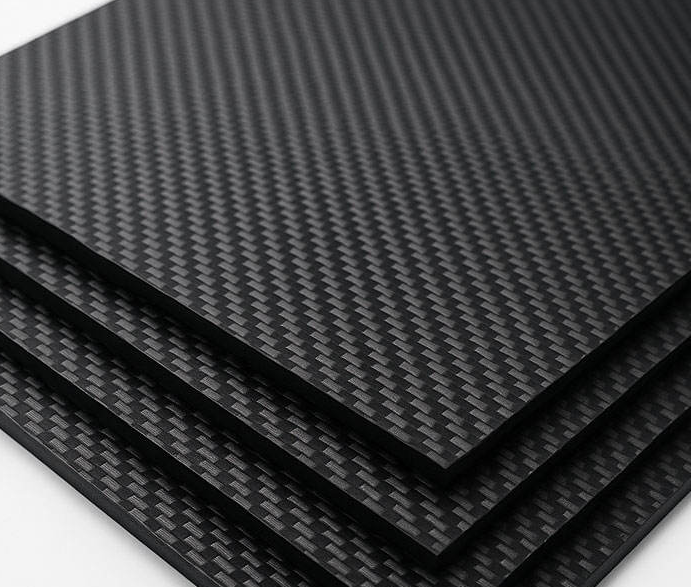
What is carbon fiber sheet?
Carbon fiber sheet is a laminated panel composed of carbon fiber reinforcement and a resin matrix.
Simply put, carbon fiber panels are composite panels made by using carbon fiber filaments or carbon fiber fabrics as the reinforcing substrate and epoxy resin as the bonding matrix, which are then formed through layer design and high-temperature, high-pressure curing. They are commonly referred to in the industry as carbon fiber laminates.
It is not a single-material panel but a combination of "fibers and resin": carbon fibers provide ultra-high strength and stiffness, while epoxy resin bonds and stabilizes the fiber structure, simultaneously enhancing the panel’s moisture resistance, corrosion resistance, and aging resistance. The two components complement each other, resulting in comprehensive performance that far exceeds that of any single metal material.
How are carbon fiber panels made?
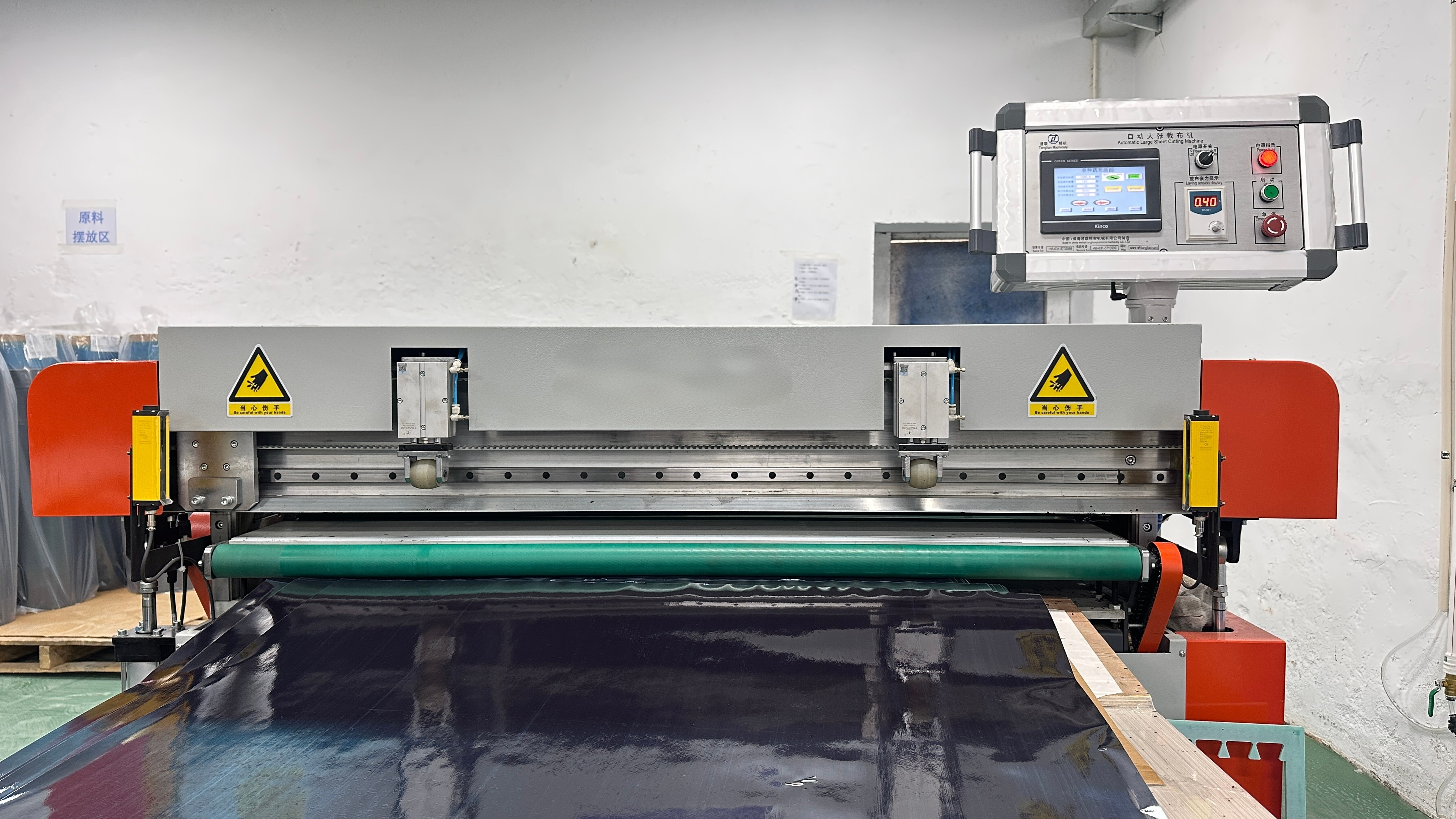
Step 1: Cutting the Fabric (Pre-processing the Fabric)
The first step in production is preparing the core raw material: carbon fiber prepreg. This fabric has been pre-impregnated with a mixture of epoxy resin and hardener and serves as the core substrate for manufacturing carbon fiber panels. Based on the finished panel’s thickness, dimensions, and load-bearing specifications, staff use fully automated CNC cutting machines to perform the initial cutting of the carbon fiber rolls.
The primary objective of this stage is to remove damaged, wrinkled, or contaminated fabric and cut the carbon fabric into standard-sized sheets to prepare for the subsequent layering process. At the same time, the number of carbon fabric layers required is calculated based on the panel thickness; thin panels require only a few layers, while thicker industrial panels may require as many as several dozen layers of carbon fabric.
Step 2: Layering (Assembling the base blank)
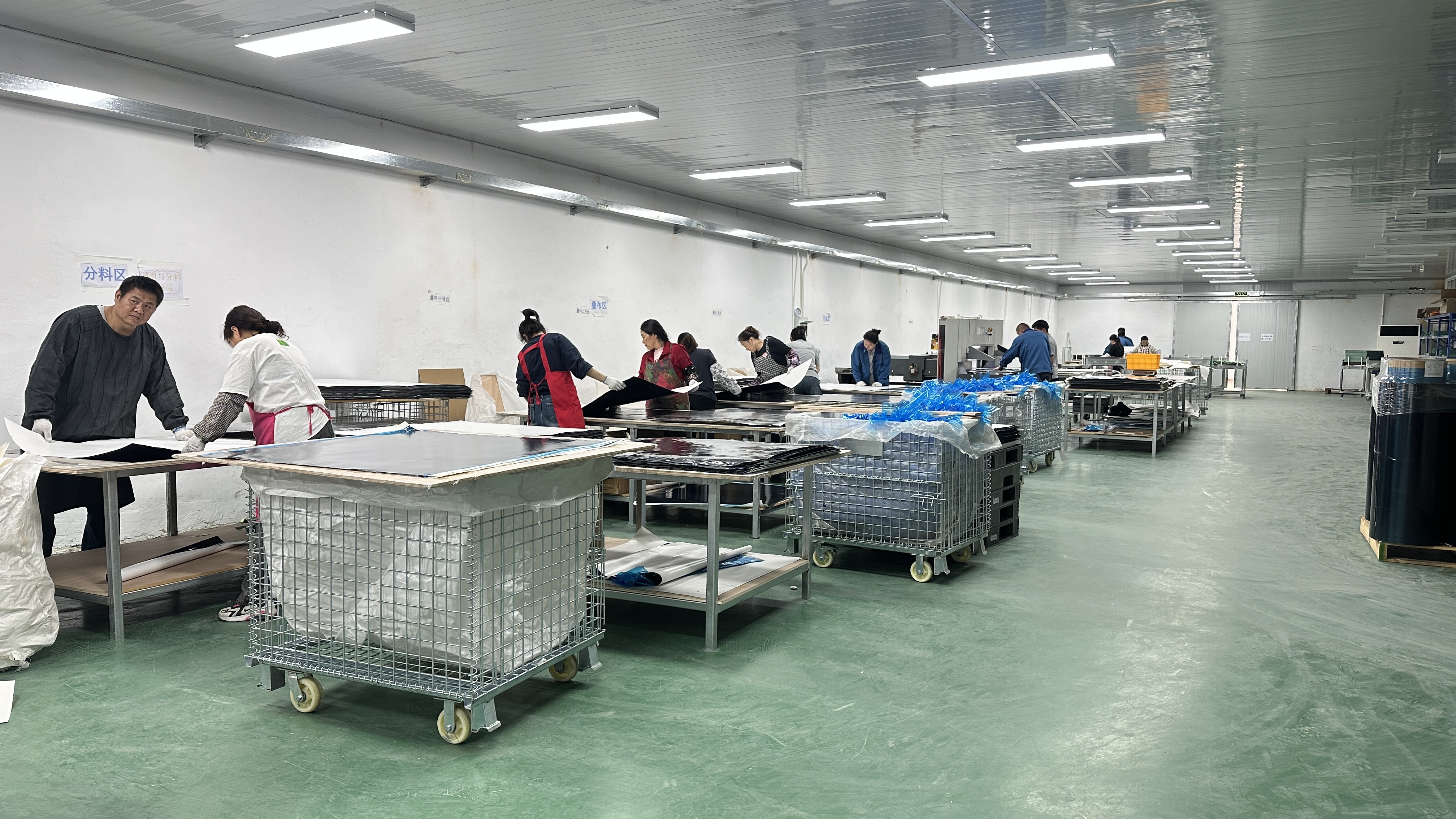
If cutting the fabric is the preparation stage, then layering is the foundation for creating the carbon plate. Operators arrange the cut carbon fabric in layers according to a pre-designed layup plan.
This is also the key to customizing the performance of carbon fiber panels: for workpieces subjected to unidirectional stress, the carbon fabric is stacked uniformly in the same direction; for panels subjected to multidirectional stress requiring resistance to compression and torsion, the fabric is stacked in a cross-ply configuration at 0°, 90°, and ±45° angles. By adjusting the stacking angles and the number of layers, the hardness, toughness, and tensile strength of the carbon fiber panel can be directly modified to suit different operating conditions.
Step 3: Cutting the board (precise shaping)
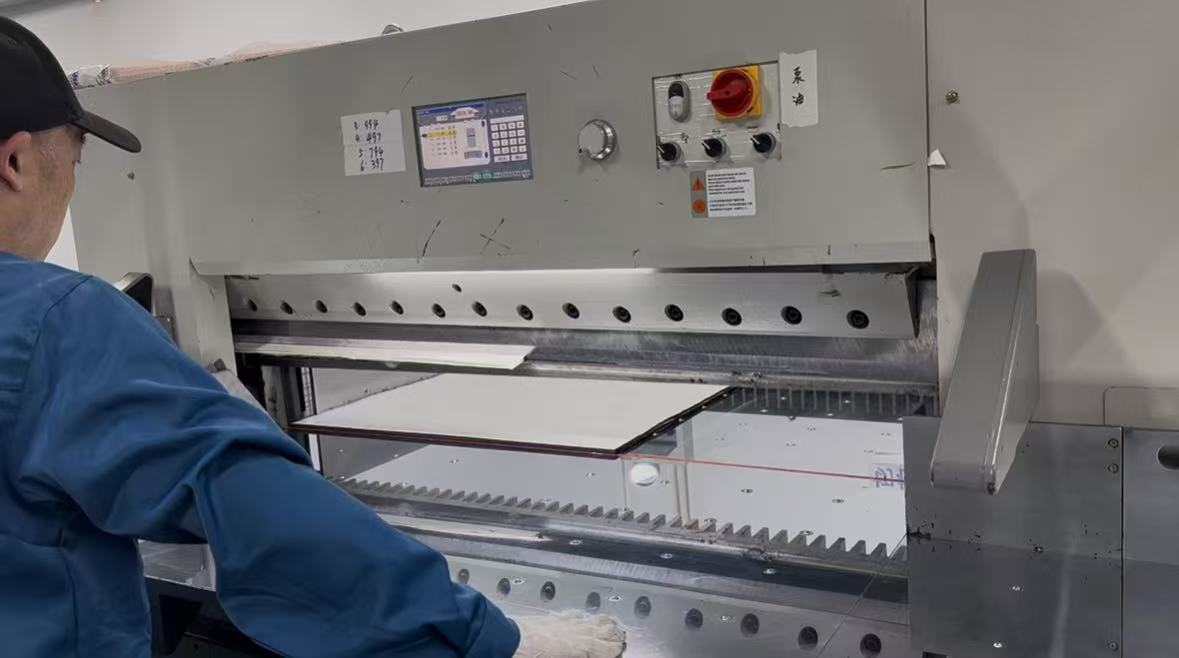
After the carbon fiber fabric blanks have been layered, their edges are uneven and their dimensions do not meet finished product standards. In this step, precision cutting equipment is used to carefully trim and cut the entire blank according to the customer’s specified length and width parameters.
Compared to the initial fabric cutting, this cutting process demands extremely high precision, with tolerances strictly controlled to the millimeter level. This ensures uniform board dimensions and prevents issues such as uneven thickness at the edges and forming defects that might arise after subsequent hot pressing.
Step 4: Laying the panels (placing them in the mold)
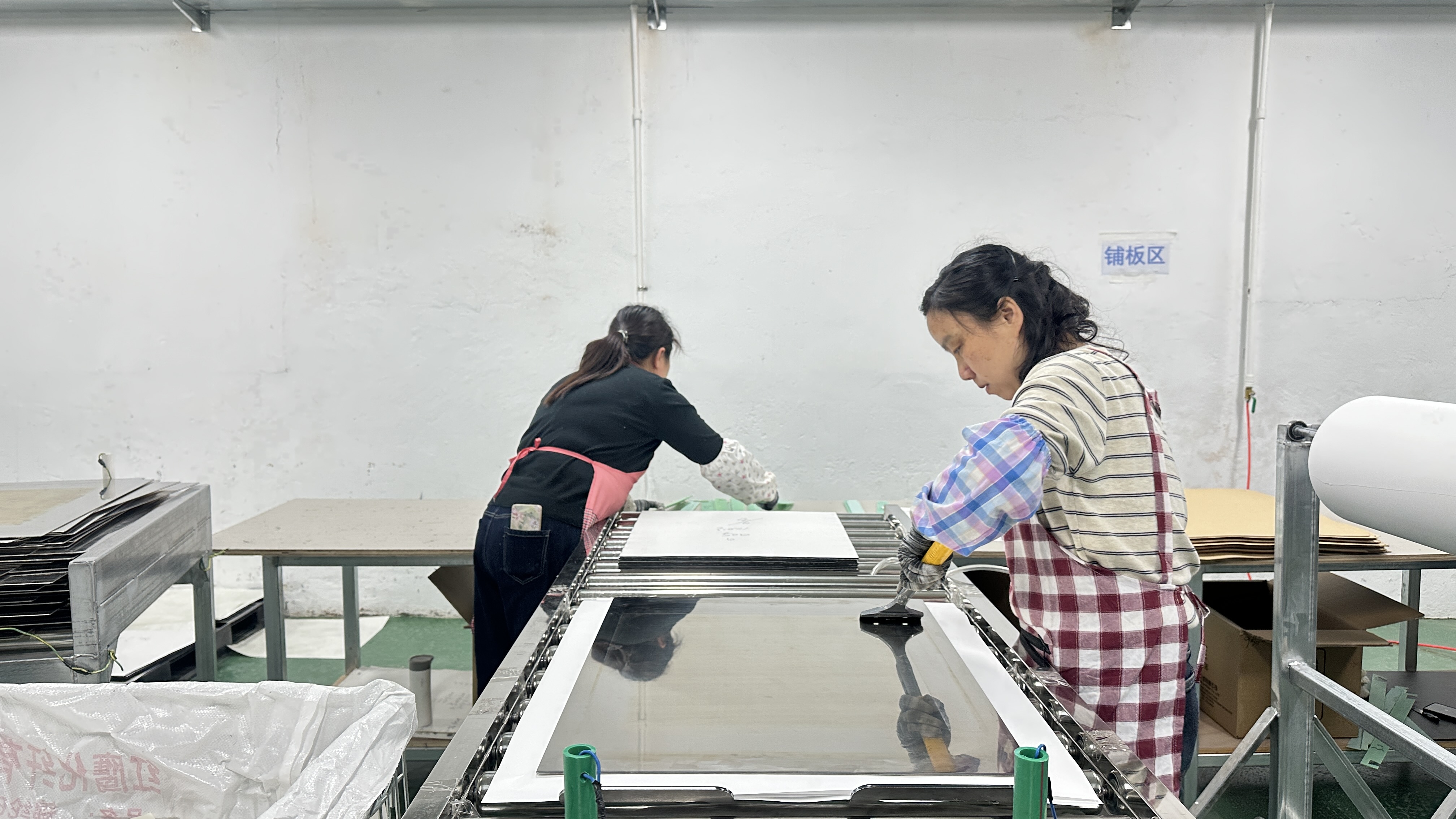
Once the carbon fiber preform has been shaped, it proceeds to the layup process. Operators clean the specialized steel molds to ensure the interior is free of contaminants, preventing dust particles from being pressed into the panel and causing defects. The cut preforms are then laid flat inside the mold, with fine adjustments made between each layer to smooth out wrinkles and remove trapped air.
For irregularly shaped carbon panels and panels with special specifications, specialized auxiliary fixtures are used to secure the preform in place, ensuring that it does not shift or move during the hot-pressing process, thereby guaranteeing the flatness of the finished product from the outset.
Step 5: Hot Pressing (Core Molding Process)
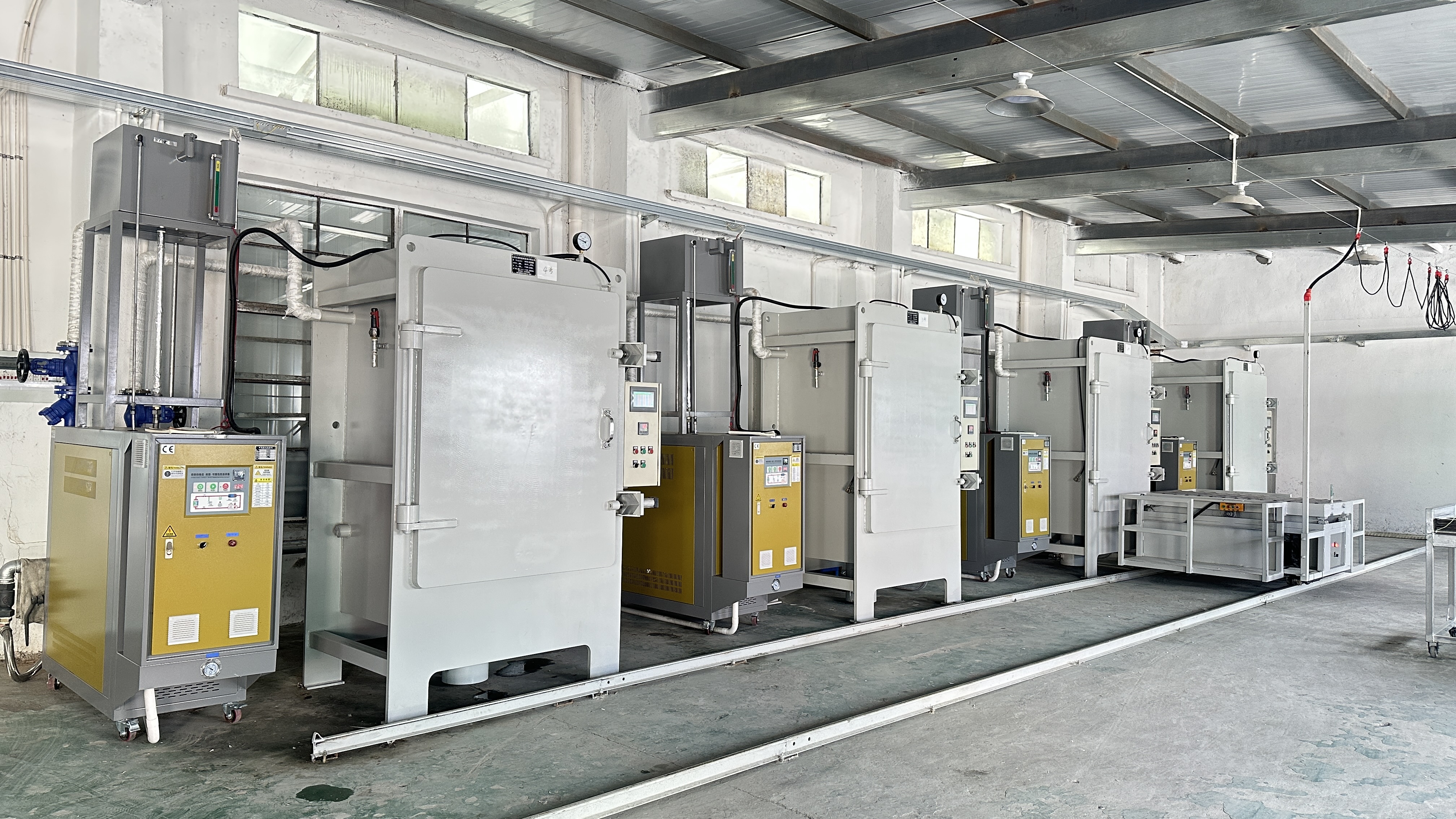
This is the most critical step in the production of a solid carbon fiber panel, as it directly determines the panel’s density, strength, and service life. The mold loaded with the blank is placed into a hydraulic hot press; once the mold is sealed, specific temperature, pressure, and duration parameters are set.
Standard industry process: Curing is completed in a sealed environment at a constant temperature of 120°C–180°C, combined with high-pressure compression. The high temperature softens the resin, allowing it to penetrate every layer of carbon fiber fabric, while the high pressure expels excess air bubbles from the interior. After a period of curing, the individual layers of carbon fiber fabric fuse completely into a single unit, forming a hard, dense carbon fiber blank. Once curing is complete, the blank is allowed to cool naturally and slowly before demolding to prevent warping or cracking caused by excessive temperature differences.
Step 6: Remove from the mold and let cool
Once curing is complete, the panels are allowed to cool slowly to room temperature along with the equipment, after which the staff removes them from the mold. Slow cooling effectively prevents issues such as warping, cracking, and residual internal stress caused by excessive temperature differences, thereby ensuring the panels remain flat.
Step 7: Quality Inspection (Finished Product Screening)
Raw carbon fiber panels removed from the mold are not yet considered finished products; they must undergo comprehensive quality inspection and precision finishing. Staff first perform secondary processing on the panels—including sanding, polishing, trimming, and drilling—to optimize their appearance and dimensions. The panels then proceed to a multi-dimensional quality inspection process:
1. Visual Inspection: Check for visible defects such as surface cracks, bubbles, material defects, and scratches;
2. Dimensional Inspection: Verify length, width, thickness, and flatness using calipers and spirit levels;
3. Mechanical Testing: Randomly sample sheets to test tensile strength, compressive strength, and torsional resistance;
Only after passing all inspections can the products be packaged, stored in the warehouse, and distributed to various industrial markets.
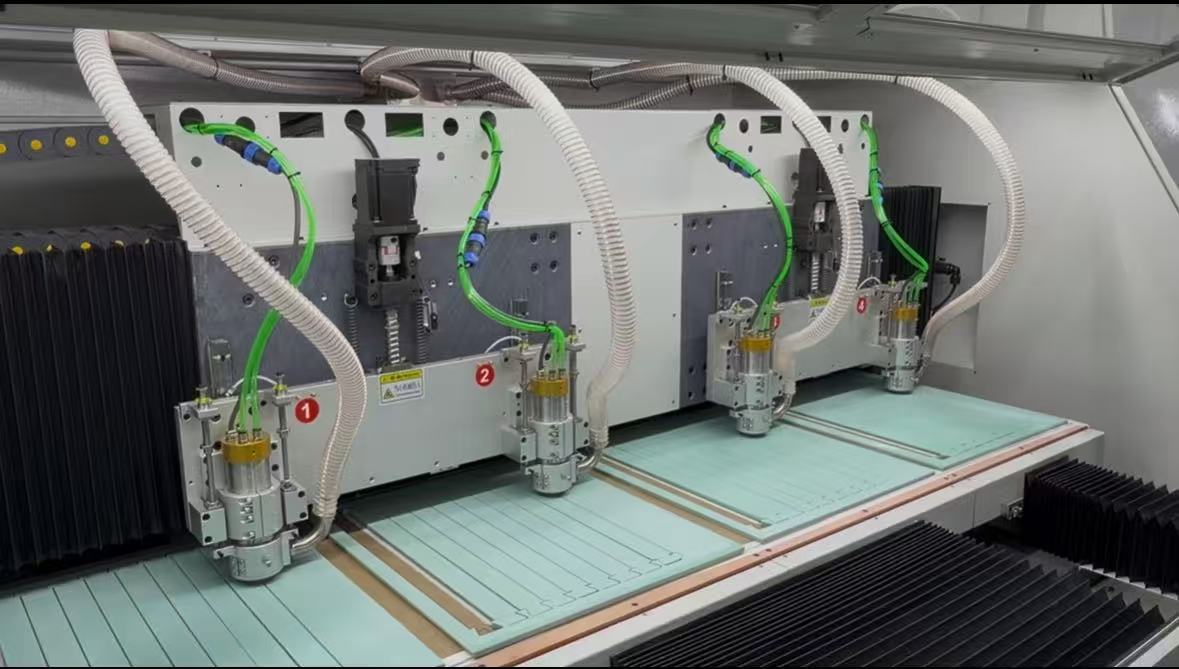
Step 8: CNC Precision Machining
Once curing is complete, the panels are allowed to cool slowly to room temperature along with the equipment, after which the staff removes them from the mold. Slow cooling effectively prevents issues such as warping, cracking, and residual internal stress caused by excessive temperature differences, thereby ensuring the panels remain flat.
Advantages of Carbon Fiber Sheets
Today, carbon panels are rapidly replacing traditional materials such as steel, aluminum alloy, and fiberglass-reinforced plastic, thanks to five key advantages that make them irreplaceable:
Use Cases
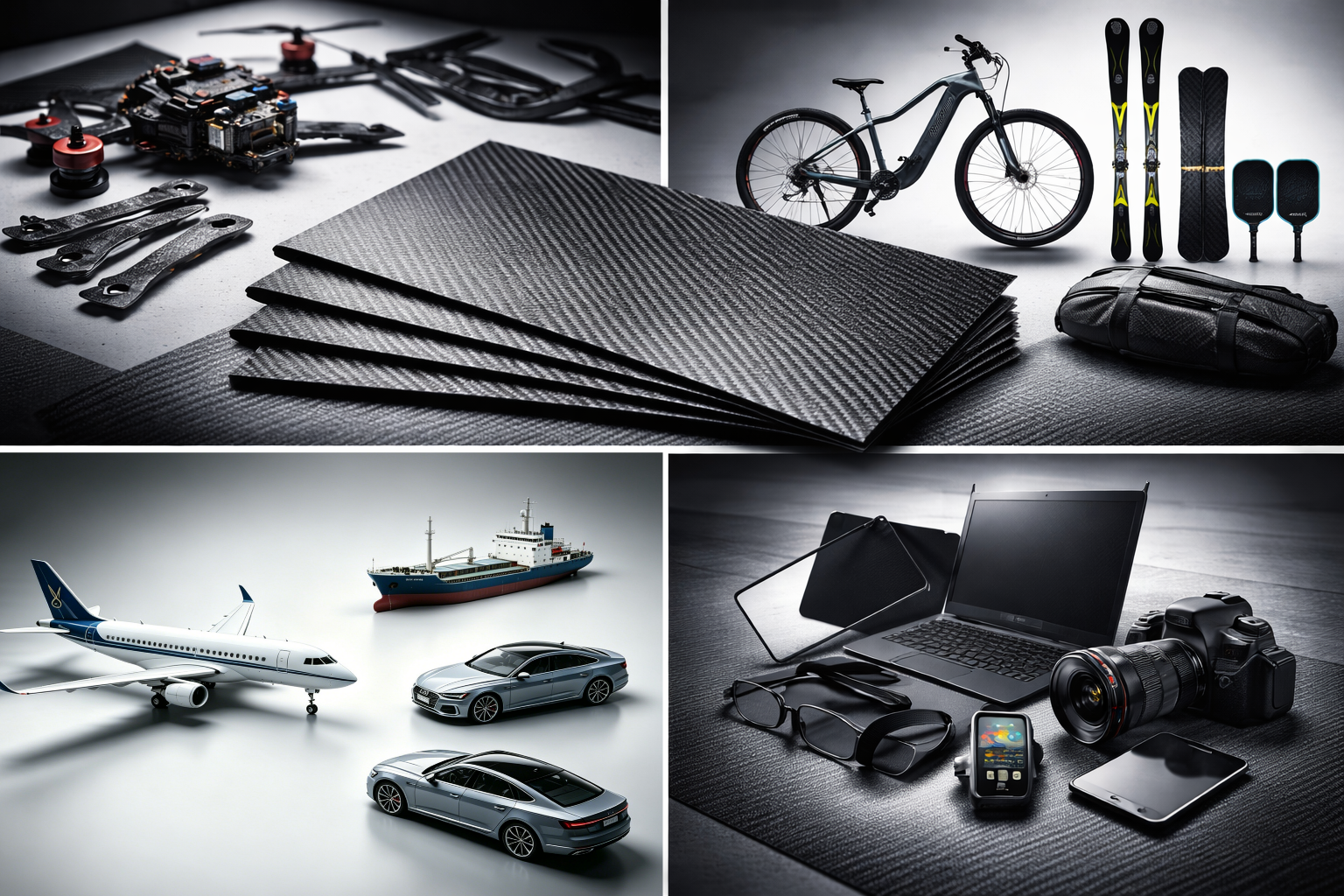
🚗 Automotive and Racing: Hoods, drive shafts, interior panels. Reducing weight increases speed and lowers fuel/electricity consumption.
✈ Drones and Aerospace: Airframes, wings, satellite structures. Every gram of weight saved significantly increases range or flight duration.
🏥 Medical Devices: CT scanner tables, surgical robot arms. Carbon fiber offers excellent X-ray transparency, clear imaging, and high load-bearing capacity.
📱 Consumer Electronics: Frames for foldable smartphones, laptop lids, and high-end watch cases. Lightweight, durable, and stylish.
From the precision of fabric cutting to the refinement of hot pressing, and the rigorous quality control, the creation of a single carbon fiber panel embodies the ultimate pursuit of materials science and manufacturing craftsmanship.
It is no longer just a luxury item on the racetrack, but a high-performance base material that is making its way into every corner of our lives.
Do you have any carbon fiber products around you? Is it a phone case, a sports racket, or an automotive accessory? Feel free to share them in the comments section!
If you found this article helpful, please give it a "Like" and share it with more friends!
Copyright © 2026 Zhangjiagang Weinuo Composites Co., Ltd. All rights reserved
 EN
EN