A sailboat with a hull weighing just 28 kilograms can cut through the waves with the wind, remaining as steady as a rock. Have you ever wondered why carbon fiber has made the leap from aerospace to shipbuilding and quickly become a standard feature in high-end vessels?
The answer may lie in this figure: a weight reduction of more than 20% compared to traditional aluminum alloy structures. When a 34-meter-long passenger ferry can shed one-fifth of its weight, the result is not only increased speed but also significantly reduced energy consumption and a notably extended range. This is the appeal of carbon fiber multi-axial fabrics in the marine industry.
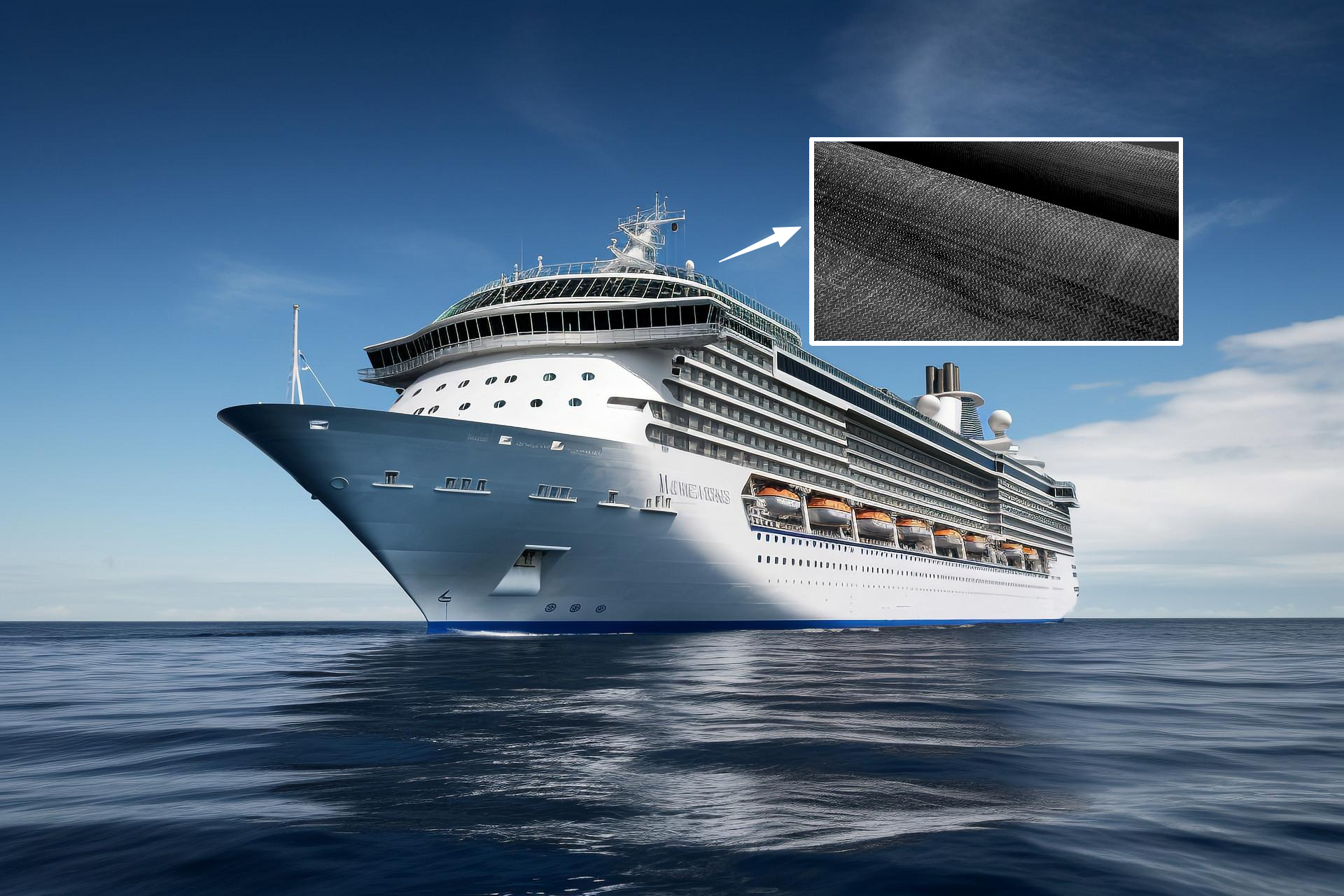
Comprehensive Adoption in the Maritime Industry: The "Navigational Map" of Multi-Axis Carbon Fiber
Thanks to their superior performance, carbon fiber multi-axial fabrics have become widely adopted in the core structures, key components, and supporting facilities of shipbuilding, covering the full range of vessel types, including yachts, passenger ferries, commercial vessels, and specialty vessels.
Hull and Superstructure: Lightweight and durable, designed to meet the ship’s overall requirements
The hull is the core load-bearing structure of a vessel and represents the most widespread application of multi-axial carbon fiber.
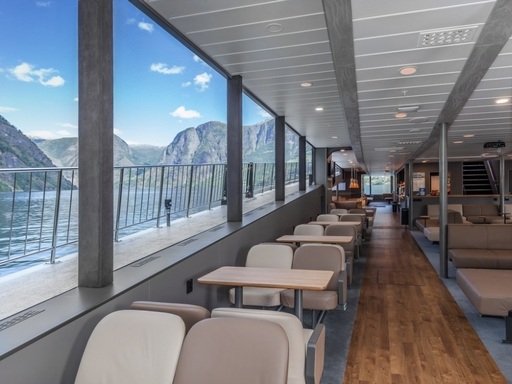
(1) Luxury Yachts / Sailing Yachts: High-end European yachts (such as the Norwegian “Vision Of The Fjords”) utilize multi-axial carbon fiber fabrics to construct 41-meter-long carbon fiber hulls, which are formed as a single unit through vacuum infusion. This reduces weight by more than 40%, increases speed, lowers fuel consumption, and significantly enhances resistance to wind and waves.
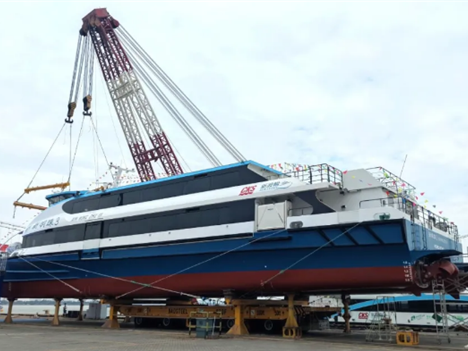
(2) High-speed passenger ferries: Guangdong-Hong Kong-Macao Greater Bay Area The “New Pearl 3” (500-passenger capacity) and “New Pearl 39” (400-passenger capacity) are constructed entirely from domestically produced T700-grade multi-axial carbon fiber composite materials. Compared to aluminum alloy vessels, they are over 20% lighter, offering a 40% increase in range under all-electric propulsion. They can navigate safely in wind conditions up to Beaufort scale 8 and operate with zero emissions.
(3) High-speed patrol boats / Military vessels: A certain model of high-speed patrol boat uses multi-axial carbon fiber to replace steel plates, resulting in a 32% reduction in overall weight, an 18% increase in speed, and a 21% improvement in fuel efficiency. At the same time, it reduces the need for corrosion maintenance and lowers the total life-cycle cost by 40%.
Deck, bulkheads, and structural components: fatigue resistance, reduced maintenance
Decks and bulkheads are constantly subjected to foot traffic, cargo loading, and wave impact, making them prone to cracking and corrosion. Decks and bulkheads made from multi-axial carbon fiber fabric offer high rigidity, fatigue resistance, and corrosion resistance; they show no signs of corrosion after 10 years, and maintenance costs are 60% lower than those of steel components.
Specialized Critical Components: Lightweight Design, Enhanced Performance
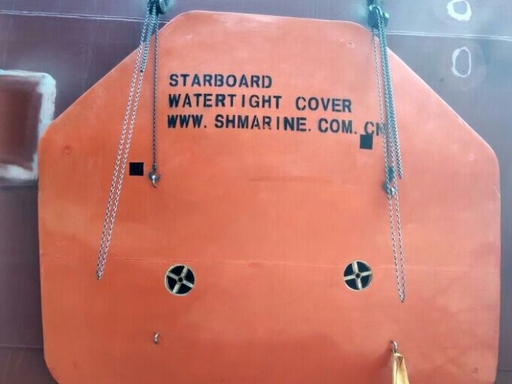
(1) Bow Thruster Watertight Cover: A world-first product developed by Shanghai Huzhou, featuring a multi-axis carbon fiber + honeycomb sandwich structure with a specific gravity of just 1 (capable of floating in water). Weighing only one-fifth as much as comparable foreign products, it meets strength requirements for depths of 15–25 meters underwater. It has been adopted by Mediterranean Shipping Company (MSC) and installed on 24 container ships, significantly reducing dry-dock maintenance costs.
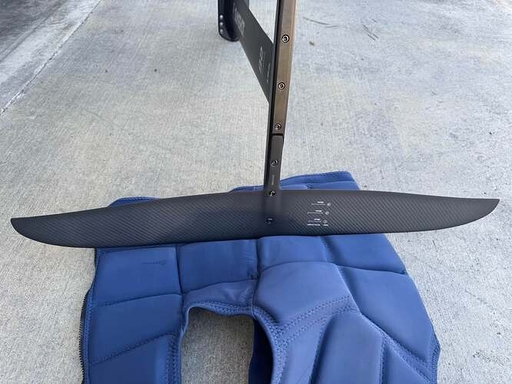
(2) Carbon-fiber hydrofoils: The VS-9 catamaran features 3D-woven carbon-fiber hydrofoils with a wingspan of 3.2 meters and a weight of just 18 kg (compared to 55 kg for traditional aluminum alloy hydrofoils). This design improves response time to the 0.1-second range and extends fatigue life to 8–10 years.
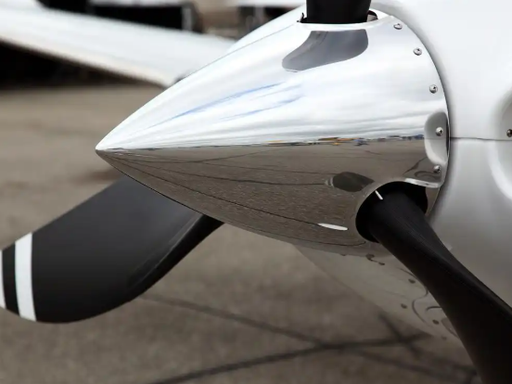
(3) Rotating sail: A core component of wind-assisted propulsion systems for ocean-going vessels, it is manufactured using a multi-axial carbon fiber winding and compression molding process. This technology addresses the shortcomings of traditional metal rotating sails—namely, their heavy weight, susceptibility to corrosion, and poor aerodynamic performance—and can reduce a vessel’s fuel consumption by more than 30%, thereby contributing to the decarbonization of shipping.
Interior and Features: Lightweight Design, Flexible and Efficient
Multi-axial carbon fiber fabrics are used for ship interiors, furniture, and equipment mounts. These materials are lightweight, easy to process, and offer high design flexibility. They enable modular installation, reduce the weight of the superstructure, enhance the ship’s stability, and create a premium aesthetic.
Why do top-tier boats choose multi-axial carbon fiber?
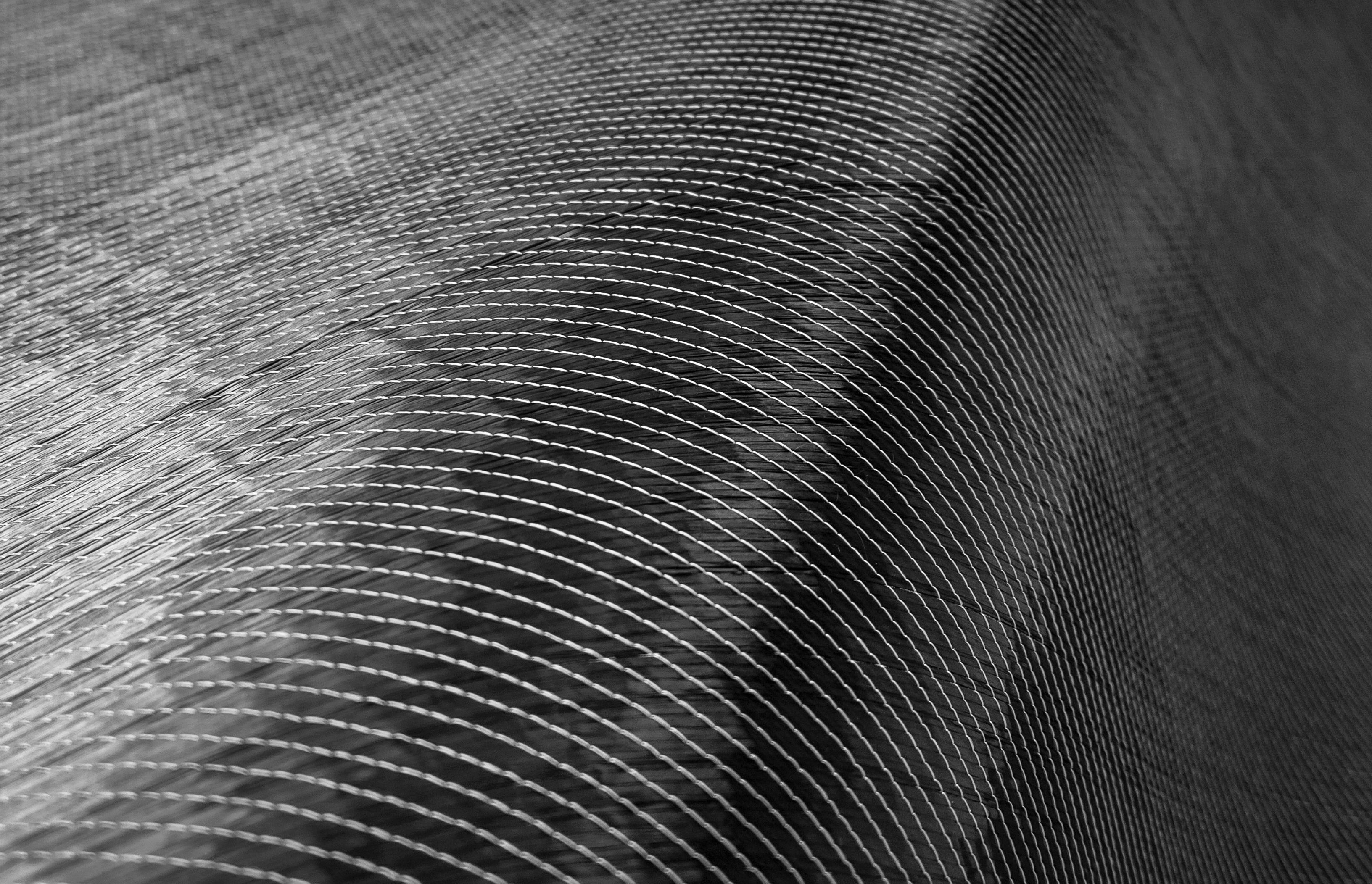
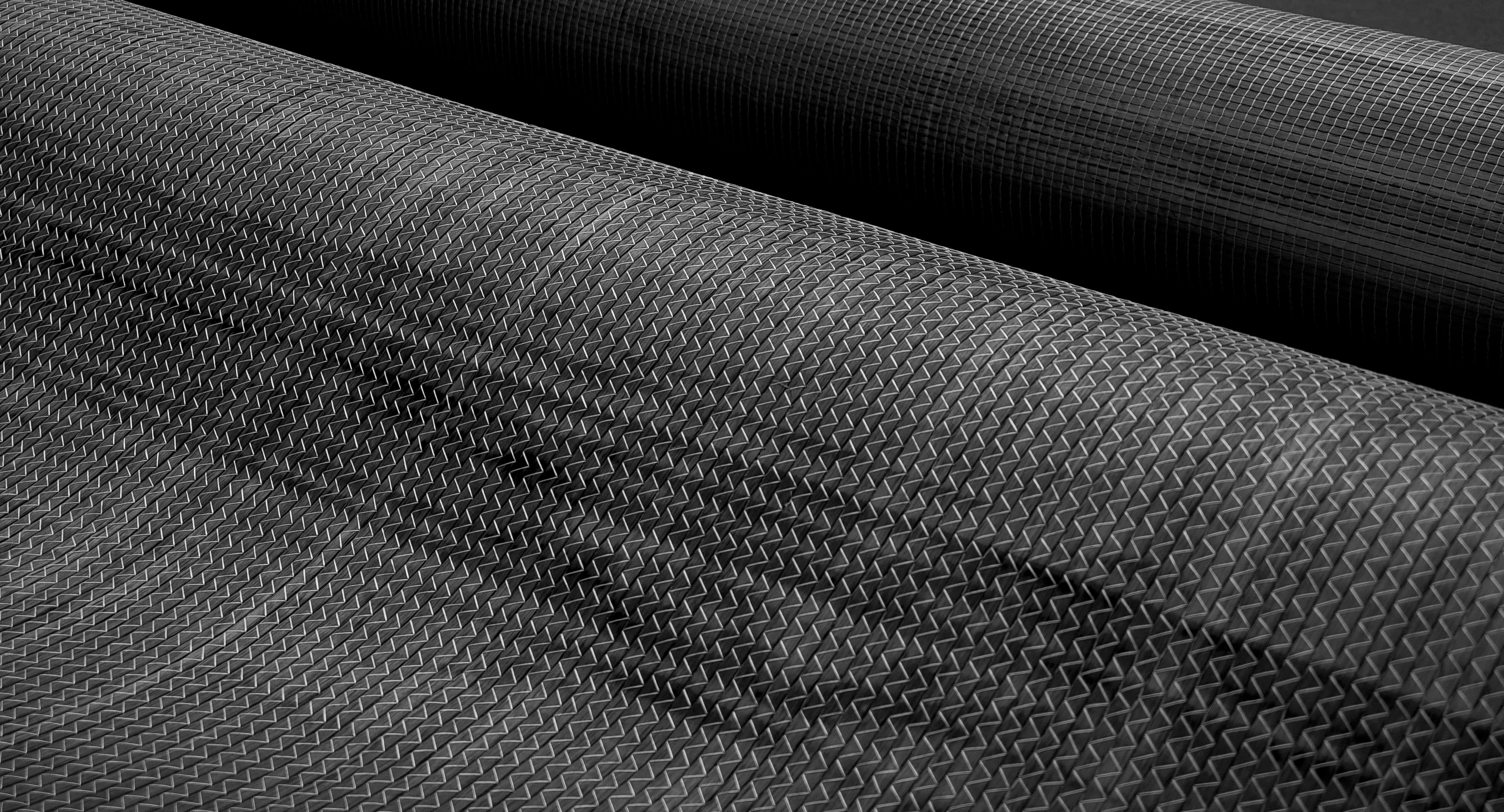
Weinuo Composites? A rare private enterprise in China specializing in multi-axial carbon fiber
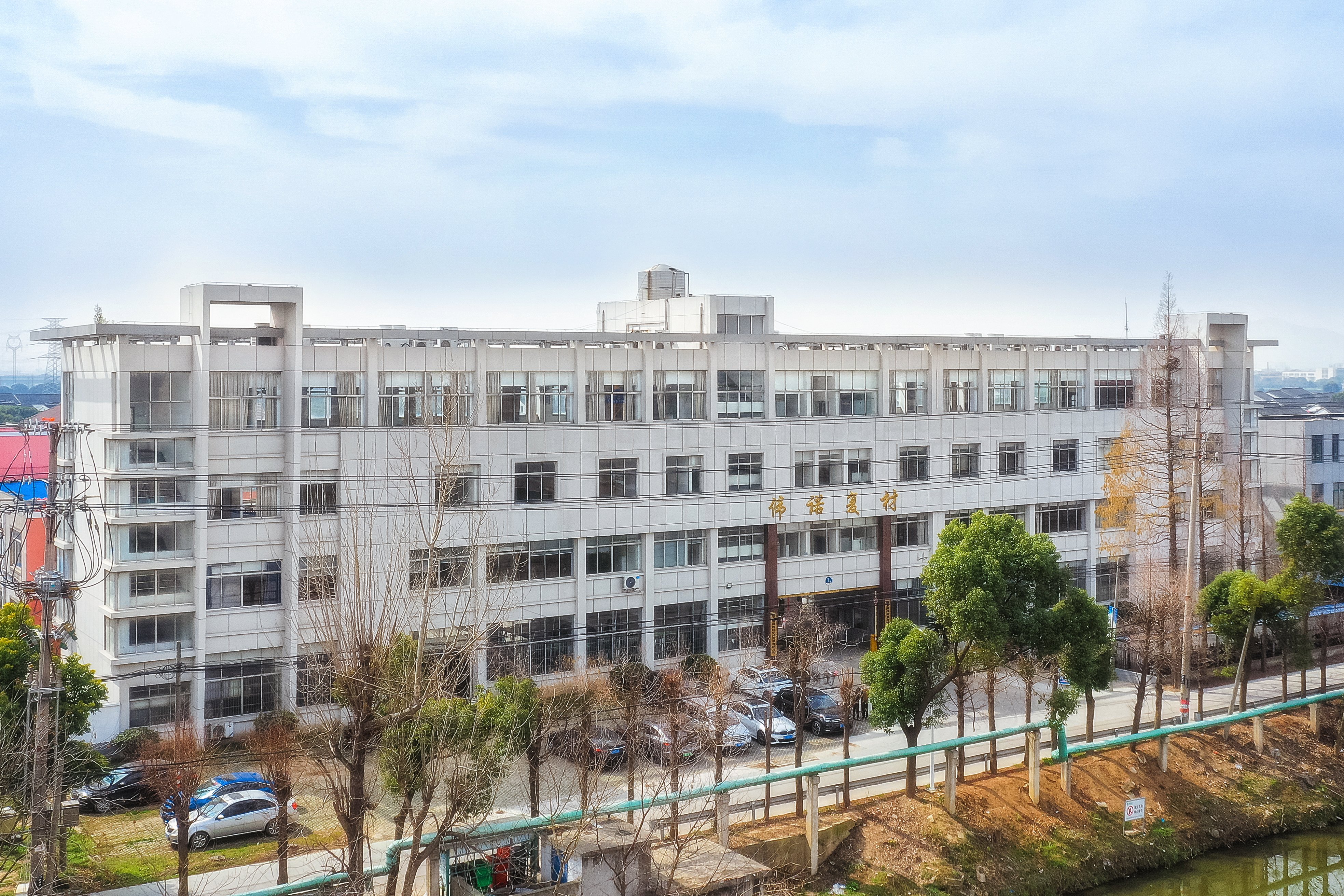
The field of carbon fiber multi-axial fabrics has long been dominated by foreign giants. Zhangjiagang Weinuo Composite Materials Co., Ltd. is one of the few private enterprises in China capable of independently developing and mass-producing carbon fiber multi-axial fabrics.
Founded in 2015 and located in Zhangjiagang, Jiangsu, Weinuo has been deeply involved in the carbon fiber industry for over a decade:
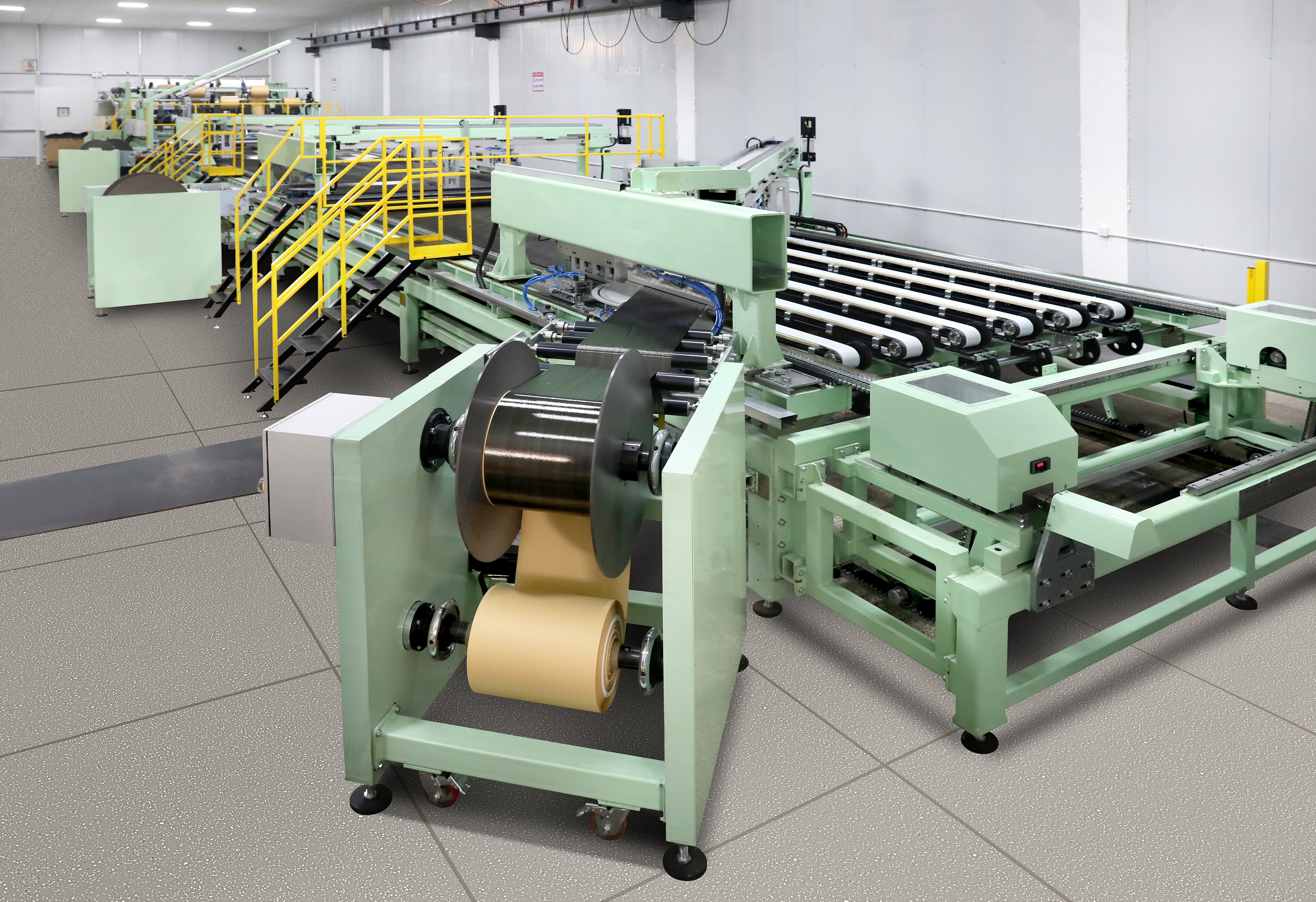
(1) Production Capacity: Monthly output of 500,000 square meters of carbon fiber woven fabric, 100,000 square meters of unidirectional fabric, 3 million square meters of prepreg, and 100,000 sheets of carbon fiber panels.
(2) Equipment: The company operates 30 advanced weaving machines, 15 prepreg production lines, 1 unidirectional warp knitting machine, 10 hot presses, and 80 CNC engraving machines.
(3) Technical Expertise: We hold over 20 invention patents and are ISO 9001 certified.
(4) Product Portfolio: Our range covers various specifications including 1K, 3K, 6K, and 12K, encompassing carbon fiber woven fabrics, unidirectional fabrics, prepregs, and sheets.
Weinuo’s products are widely used in aerospace, photovoltaics, marine, rail transit, automotive parts, sports equipment, drones, medical devices, and other fields.
Notably, Weinuo offers “tailor-made” solutions based on customer needs, providing one-stop services from weaving to prepreg production. This means that whether it’s large-size multi-axial fabric for marine applications or customized layups with special angles, Weinuo has the capability to respond quickly.
Copyright © 2026 Zhangjiagang Weinuo Composites Co., Ltd. All rights reserved
 EN
EN