In the field of composite manufacturing, beyond "performance," efficiency and consistency are becoming increasingly important. Traditional unidirectional fabrics and plain/twill weaves have reached a high level of performance maturity. However, challenges persist in actual molding processes, including complex layup procedures, high labor dependency, and lengthy production cycles. Consequently, multi-axial fabrics are increasingly being adopted in wind power, aerospace, rail transit, and high-end industrial structural components. This raises the question: Can multi-axial fabrics truly simplify and accelerate the manufacturing of composite parts?
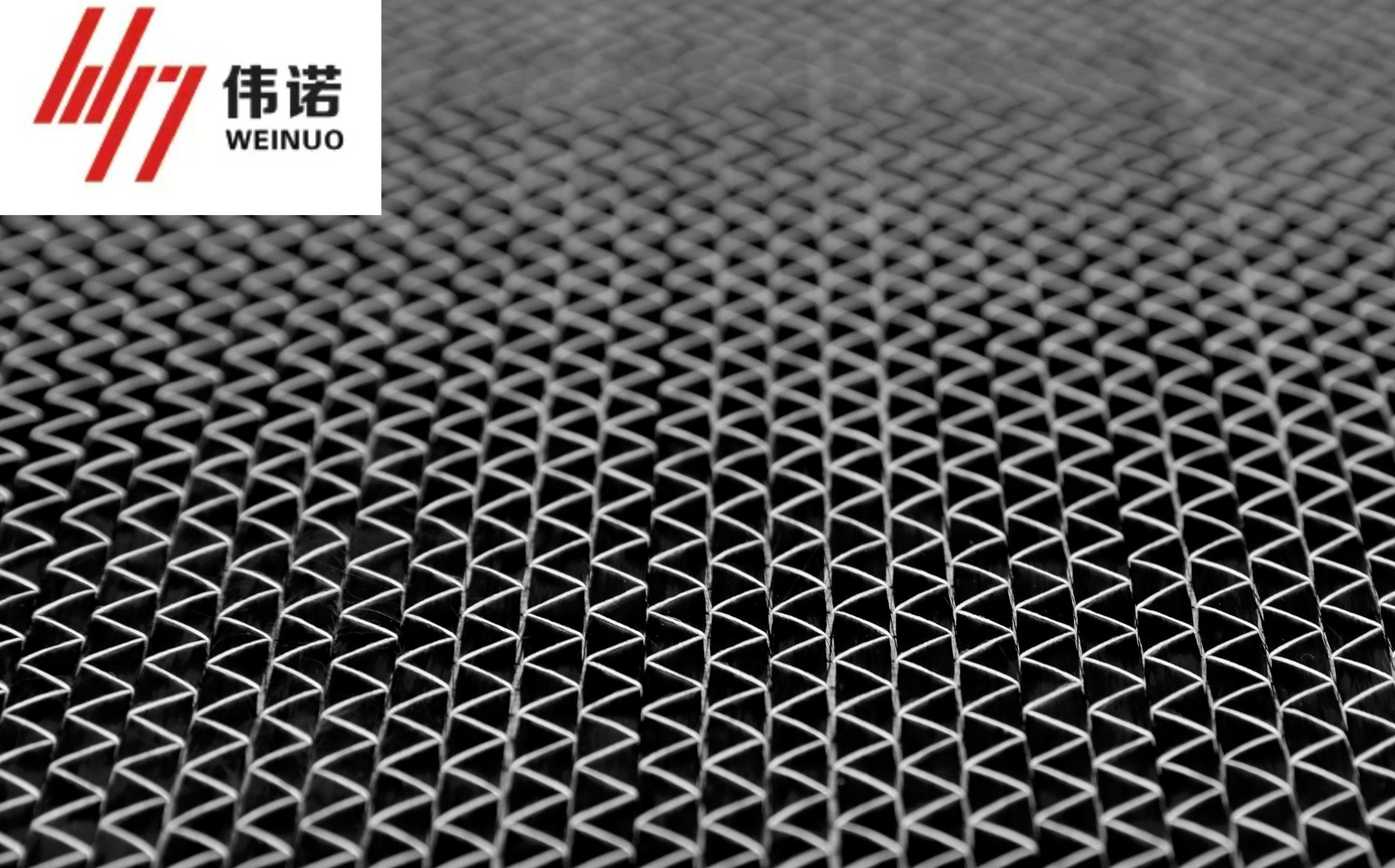
What problem does multi-axial fabric essentially solve?
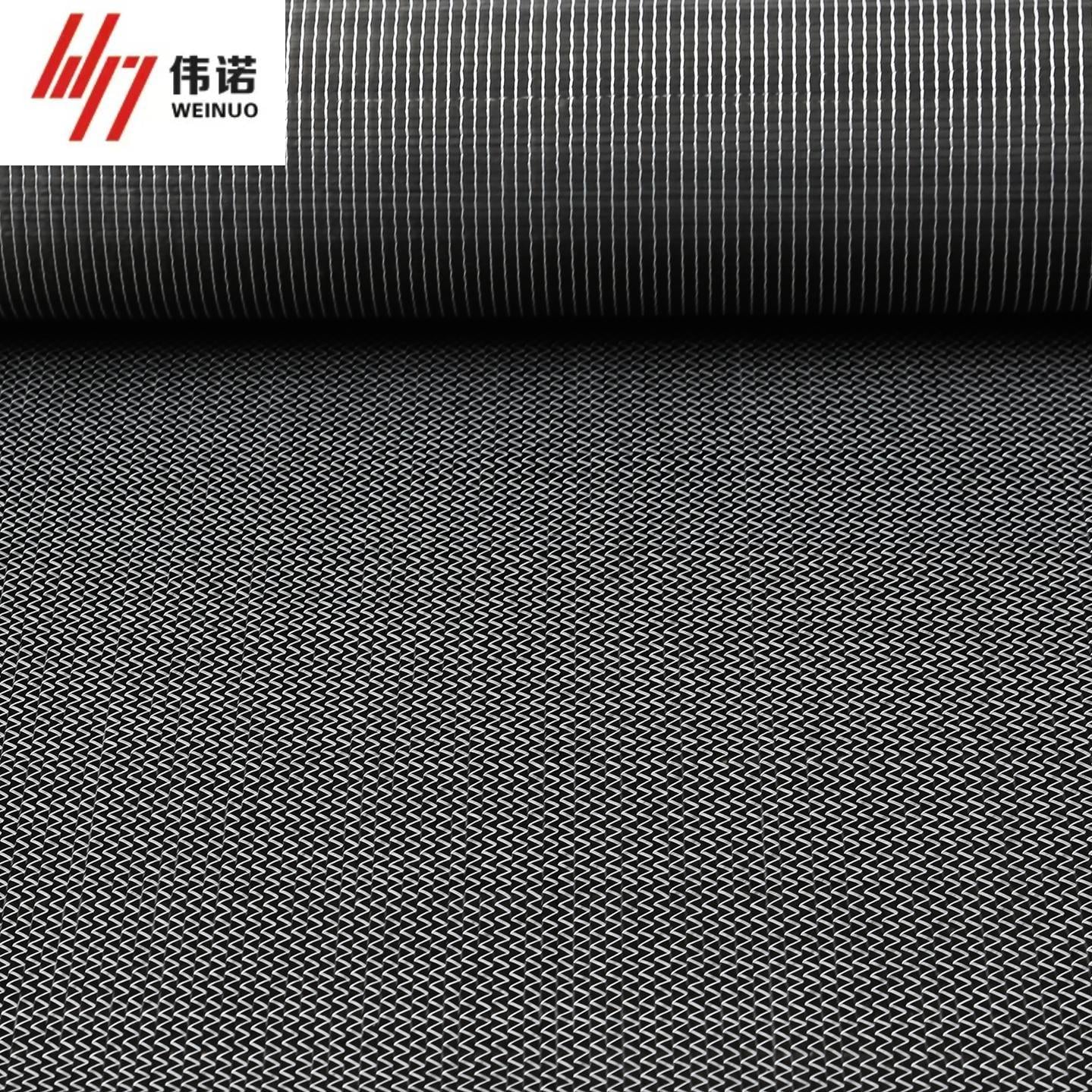
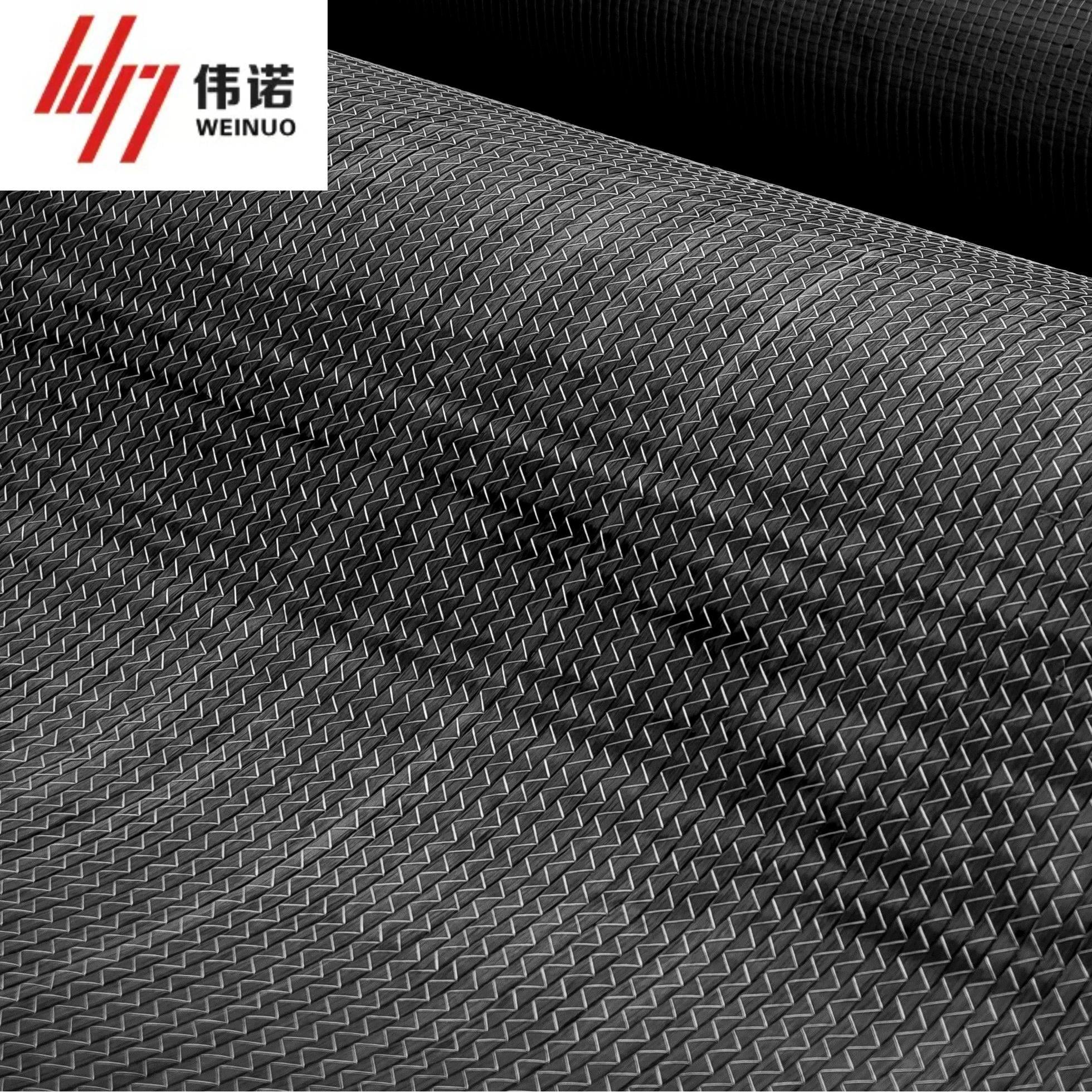
Multiaxial Fabric integrates fibers oriented at multiple angles—such as 0°, ±45°, and 90°—into a single structural layer through warp knitting in a single process.
Unlike traditional unidirectional fabrics requiring "multiple layers," multiaxial fabrics achieve combined mechanical orientation design at the material stage.
This means:
(1) Structural multi-directional load-bearing no longer relies on complex layering.
(2) The design philosophy shifts from "stacking layers" to "structural integration."
From the manufacturing perspective: How does it simplify the process?
In actual production, the changes brought by multi-axis fabrics are highly intuitive.
→Layup steps are significantly reduced.
What previously required multiple layers of unidirectional fabrics repeatedly laid at precise angles can now be achieved with one or just a few layers of multi-axial fabrics. This not only reduces operational steps but also minimizes angular errors caused by manual layup.
→Higher molding efficiency
In processes like RTM, VARTM, and vacuum infusion, multi-axial fabrics offer superior structural stability, resisting displacement and wrinkling. This facilitates rapid, uniform resin penetration—particularly advantageous for large-scale components.
→Easier control of process consistency
With fiber angles "locked" at the fabric stage, product performance becomes more stable. This supports scalable production and consistent quality replication.
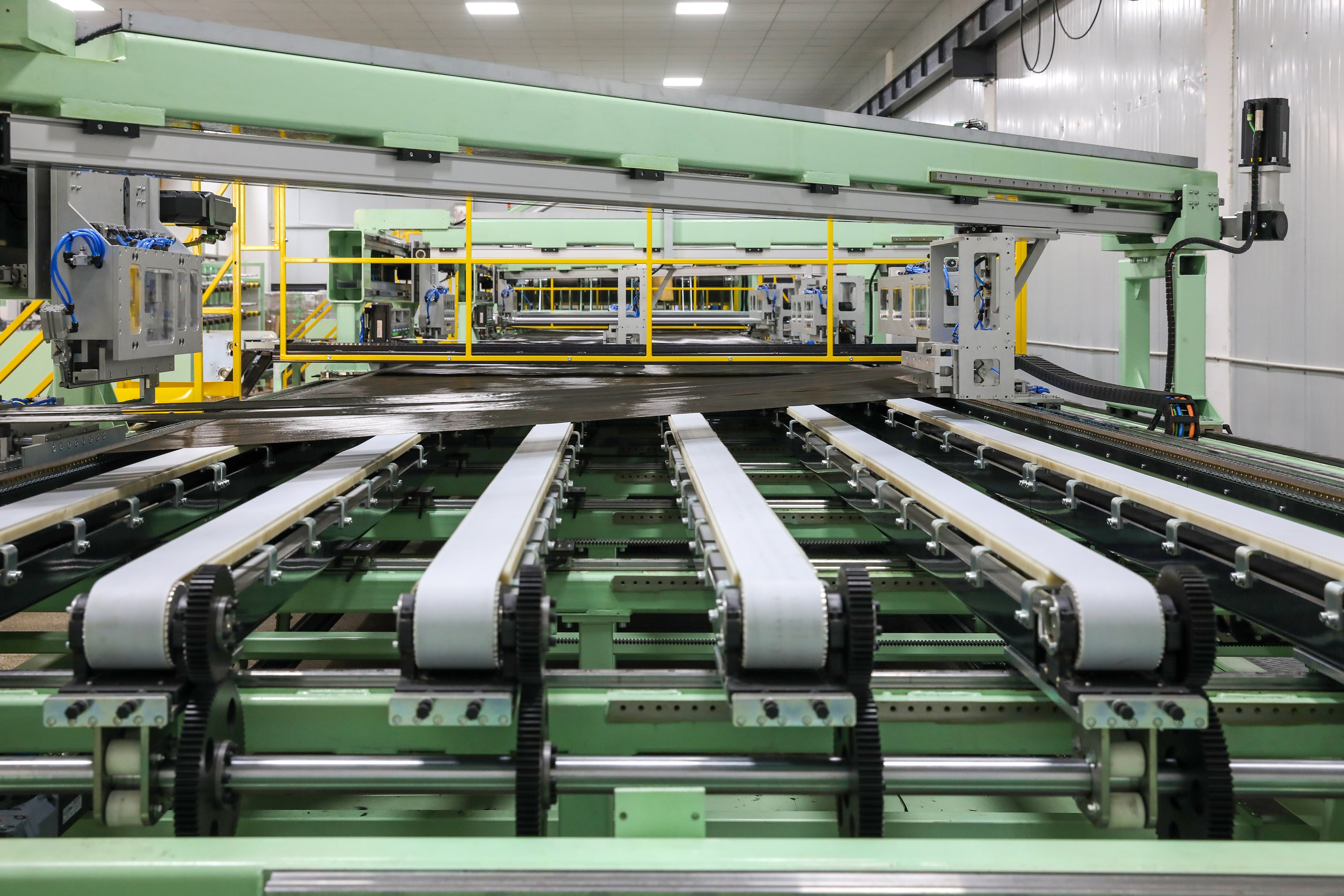
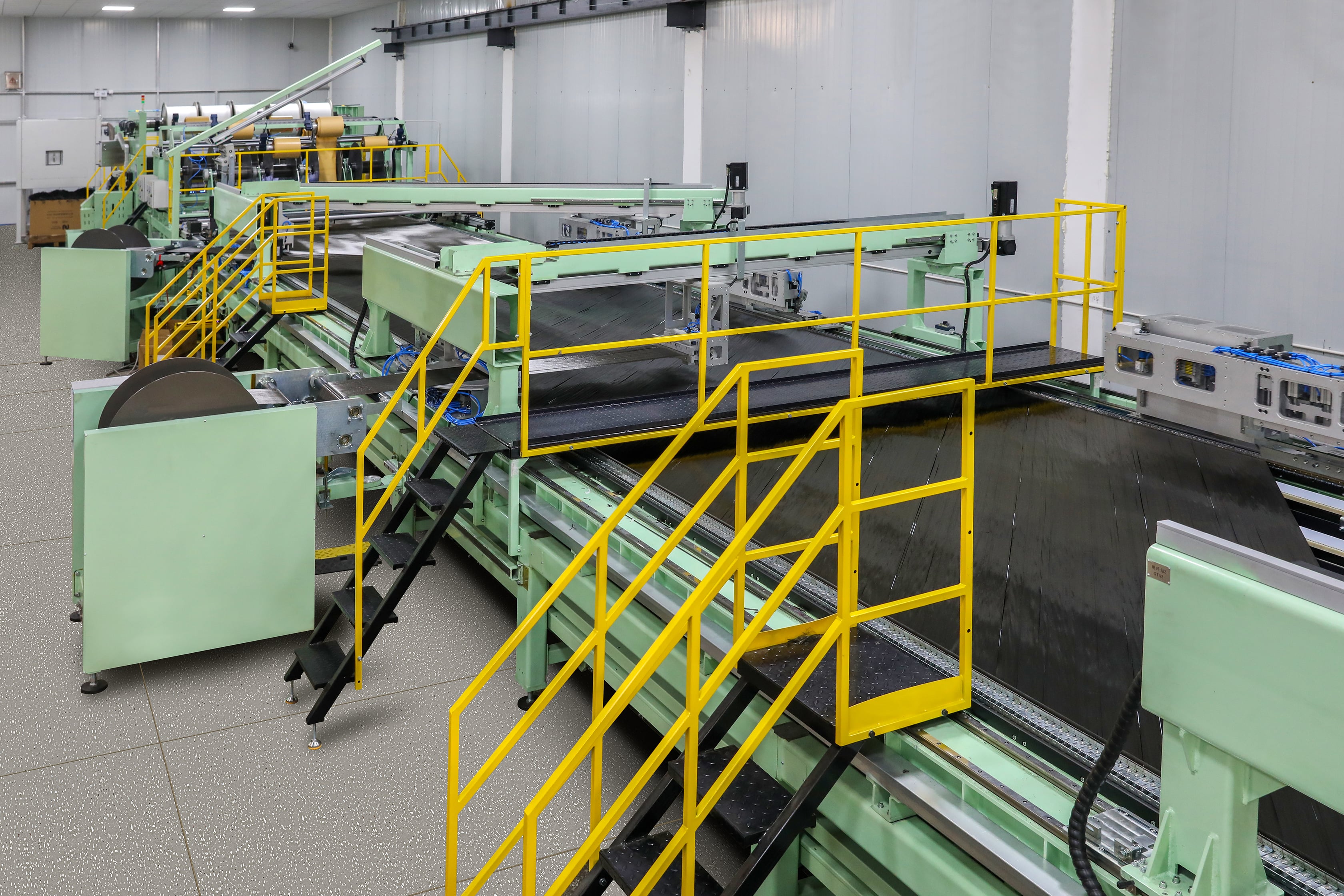
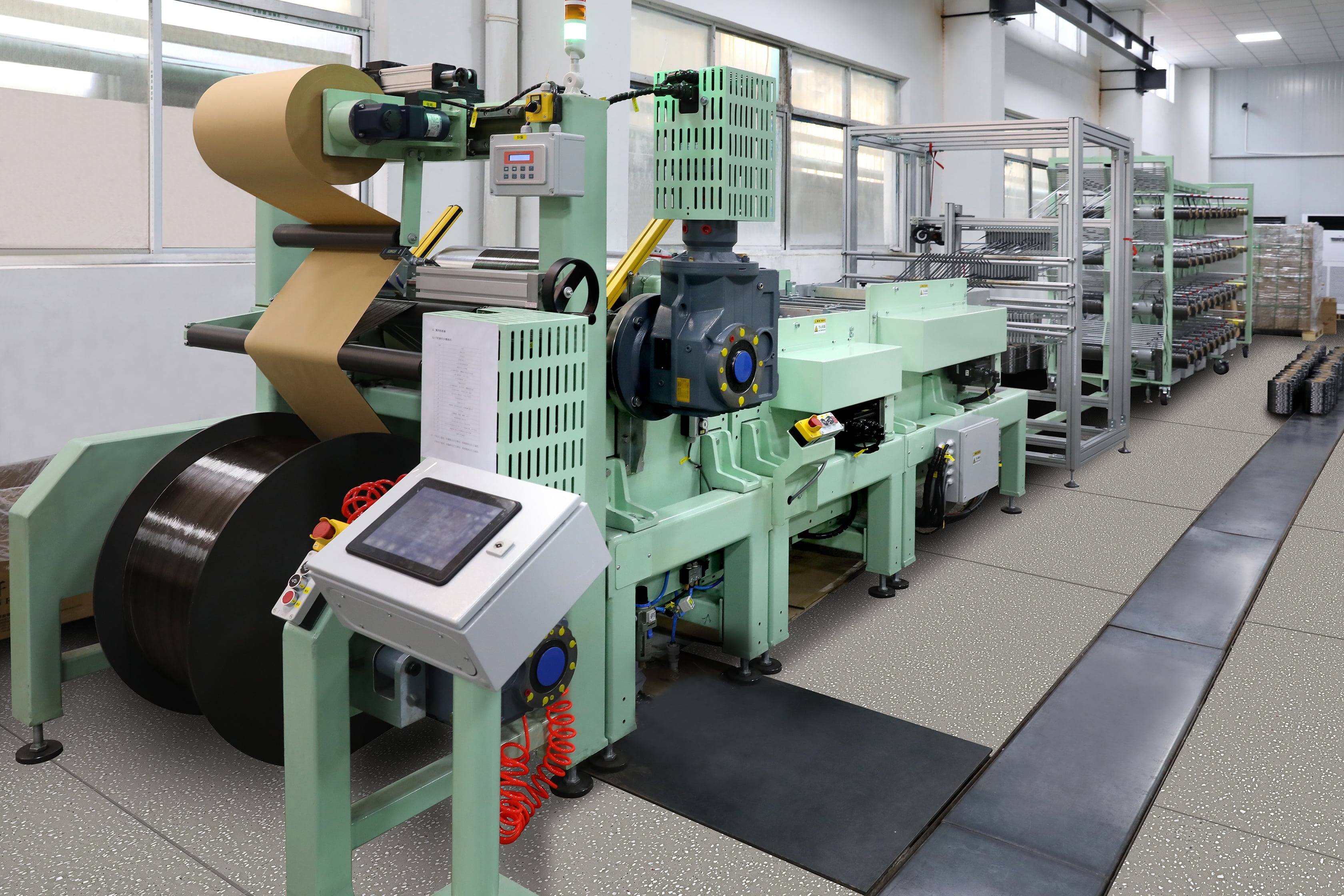
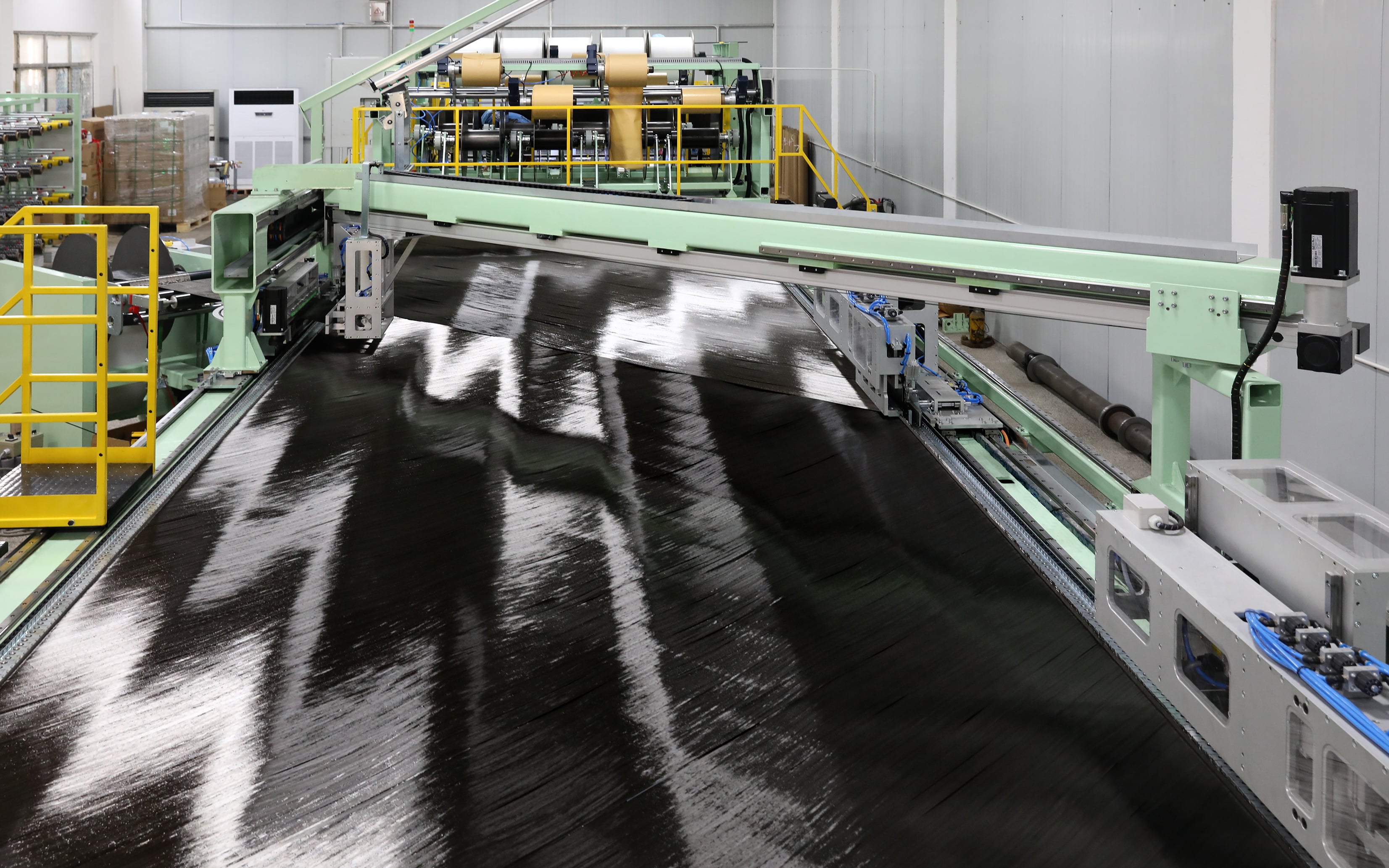
Can it truly "accelerate" manufacturing?
The answer is: Yes, in structural component applications.
While the material cost per square meter may exceed that of conventional fabrics, overall manufacturing costs demonstrate:
(1) Reduced manual layup time
(2) Lower rework and scrap rates
(3) Shorter mold occupancy cycles
After comprehensive calculation, the delivery efficiency per structural component is actually higher. This is a key reason why multi-axial fabrics are widely adopted in wind turbine blades and shell-type structural components.
Material selection is reshaping manufacturing methods
For small-sized products, those with extremely complex geometries, or those requiring specific surface textures, traditional fabrics still offer flexibility advantages.
However, multi-axial fabrics demonstrate exceptional value in the following scenarios:
(1) Load-bearing structural components
(2) Large-scale, thin-walled composite parts
(3) High-volume production demanding consistency and efficiency
Multi-axial fabrics represent more than just a material substitution—they transform the design and manufacturing logic of composite components. They enable structural integrity to be achieved at the material stage, allowing manufacturing to return to efficiency and controllability.
For composite manufacturers prioritizing efficiency, stability, and scalability, multi-axial fabrics are evolving from an "option" to a "preferred choice."
Copyright © 2026 Zhangjiagang Weinuo Composites Co., Ltd. All rights reserved
 EN
EN