Imagine a carbon fiber filament just 5 millimeters in diameter capable of withstanding up to 800 kilograms of weight; a seemingly lightweight device boasting strength surpassing steel. This is carbon fiber—the "black gold" quietly transforming the medical industry.
Carbon Fiber: An Ideal Material for Medical Applications
Carbon fiber is a novel high-strength, high-modulus fiber material containing over 90% carbon. Weighing only one-quarter as much as steel, it boasts 5 to 7 times the strength. This unique property makes it an ideal choice for medical applications:
(1) Excellent biocompatibility: High compatibility with human tissue
(2) Radiolucency: Does not compromise medical imaging quality
(3) High strength and lightweight: Reduces patient burden and enhances comfort
(4) Design flexibility: Highly malleable, allowing customization to patient needs
Innovative Applications: How Carbon Fiber is Reshaping Healthcare
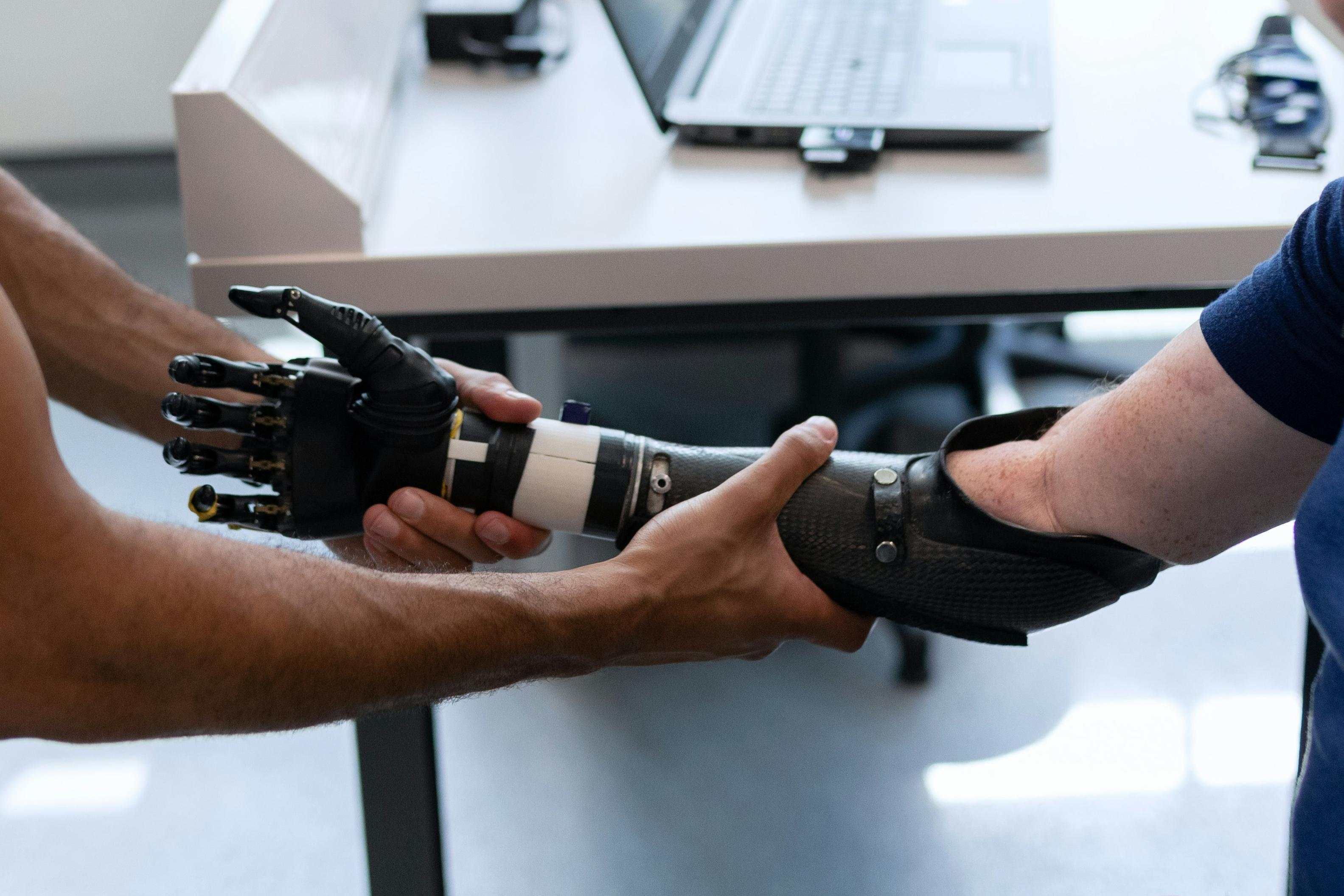
The Prosthetics Revolution: From "Burden" to "Extension"
Traditional prosthetics are heavy and functionally limited, but carbon fiber has changed all that:
(1) Professional athletic prosthetics: Carbon fiber running blades used by Olympic athletes achieve up to 90% energy return
(2) Daily functional prosthetics: Weight reduced by 40%, significantly enhancing patient mobility
(3) Pediatric prosthetics: Lightweight carbon fiber eliminates the need for frequent device replacements as children grow
Case Study: After losing a limb in an accident, 22-year-old Xiaoli could wear his traditional prosthesis for no more than 4 hours daily. Switching to a carbon fiber prosthesis allowed him to wear it all day and resume his beloved hiking.

CT and X-ray Equipment: A Leap in Image Quality
In the field of diagnostic equipment, carbon fiber applications are equally revolutionary:
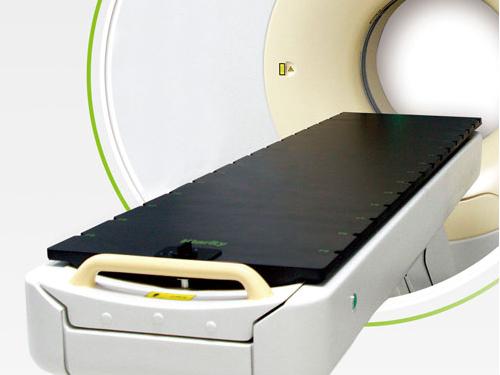
(1) CT examination tables: Traditional table surfaces cause "artifacts" in imaging, while carbon fiber tables nearly eliminate this issue entirely.
(2) Enhanced mobility: Carbon fiber equipment weighs 60% less, making it significantly easier to move.
(3) Patient comfort: Examination times are reduced, and the process is more comfortable.
Technical Highlight: After adopting carbon fiber CT tables, a hospital achieved a 15% improvement in image clarity and completed 8 additional scans daily, significantly boosting medical efficiency.
Surgical Instruments and Orthopedic Implants
(1) Minimally invasive surgical tools: Lighter, more precise surgical instruments
(2) Orthopedic fixation plates: Promote bone healing while reducing stress shielding effects
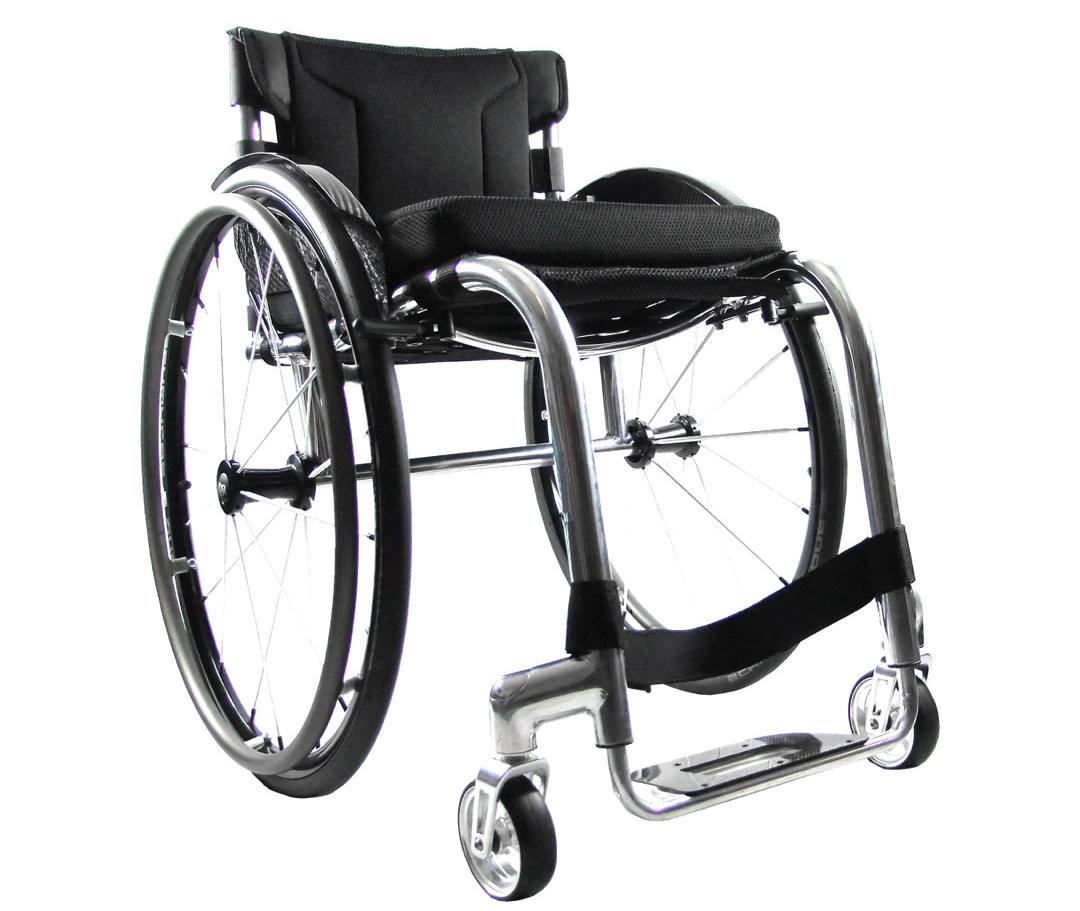
(3) Wheelchairs and walkers: Lightweight designs to enhance users' quality of life
Three Breakthroughs Behind the Lightweight Revolution
● Personalized Customization Technology
Through 3D scanning and modeling technology, carbon fiber medical devices can achieve true "custom-fit" solutions. After digitizing the patient's limb data, it is directly converted into product design parameters to ensure a perfect fit.
● Multi-layer composite structure
Modern carbon fiber products employ a multi-layer composite structure, with fiber layers stacked in different orientations to create anisotropic mechanical properties, optimized for specific stress directions.
● Smart Integration
The latest generation of carbon fiber prosthetics now incorporates microprocessors and sensors, enabling real-time adaptation to varying terrains and activities to achieve true "intelligent" functionality.
Challenges and the Future
Despite demonstrating significant potential in the medical field, carbon fiber still faces challenges:
(1) Cost issues: Current carbon fiber medical devices are relatively expensive
(2) Long-term data: Some applications still lack long-term clinical data support
(3) Recycling: Carbon fiber material recycling technology remains immature
Future Outlook:
(1) 4D-printed carbon fiber: Shape-shifting smart materials that adapt over time.
(2) Neural interface integration: Carbon fiber prosthetics communicating directly with the nervous system.
(3) Expanded application scenarios: From surgical robots to wearable monitoring devices.
The medical revolution driven by carbon fiber extends beyond material substitution—it represents a paradigm shift in healthcare philosophy: from "treating disease" to "enhancing quality of life." Every reduction in weight lightens the patient's burden; every increase in strength expands the possibilities of life.
In this era of precision and personalized medicine, carbon fiber is writing a new chapter in medical innovation with its unique advantages. We have every reason to believe this "black revolution" has only just begun—more lives will bloom anew thanks to this "lightness."
Have you or someone you know ever used carbon fiber medical products? How do you think carbon fiber technology will continue to transform future healthcare experiences? Share your thoughts in the comments section!
Copyright © 2026 Zhangjiagang Weinuo Composites Co., Ltd. All rights reserved
 EN
EN