High-Performance Carbon Fabric: Advanced Composite Material for Engineering Excellence

  • No.80 Changjiang Mingzhu Road, Houcheng Street, Zhangjiagang City, Jiangsu Province, China
  • +86-15995540423

Mon - Fri: 9:00 - 19:00

carbon fabric

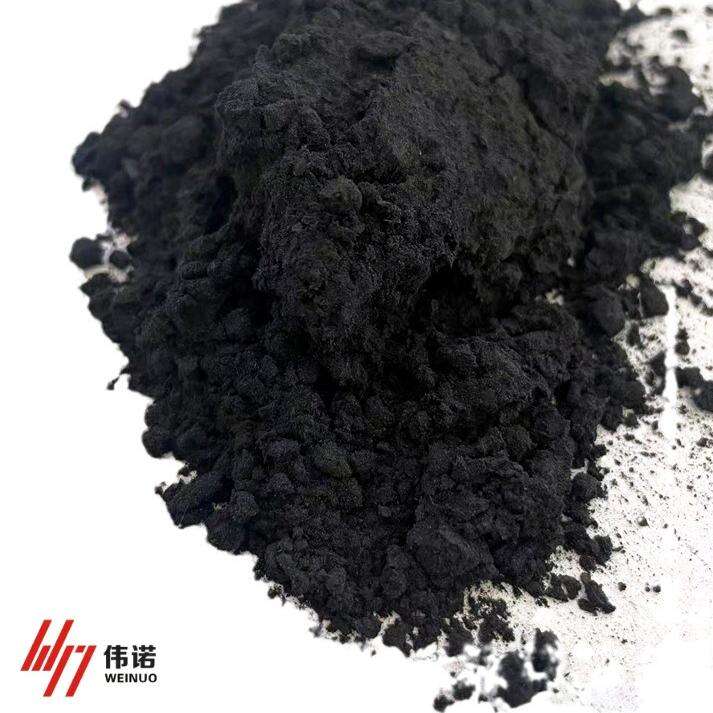
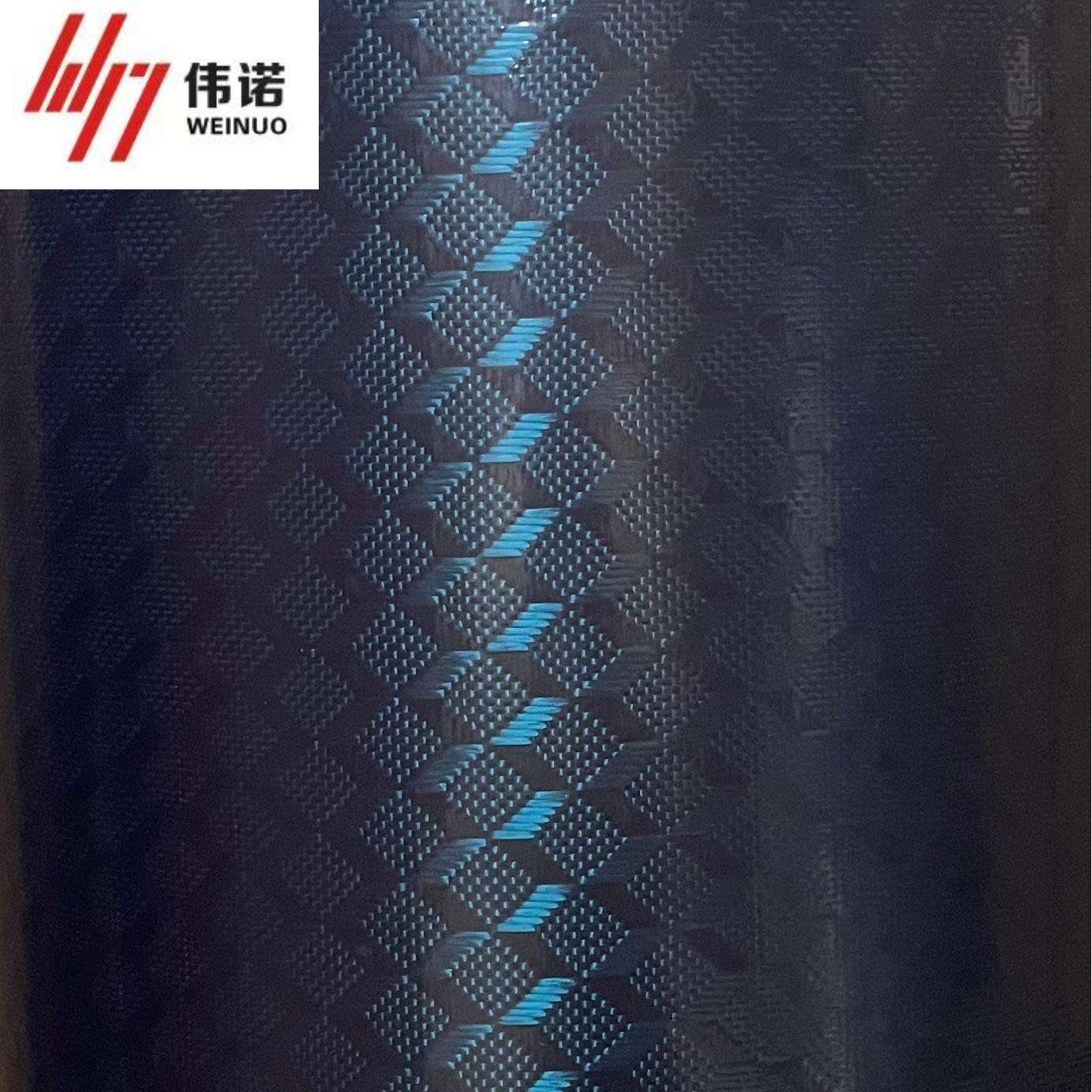
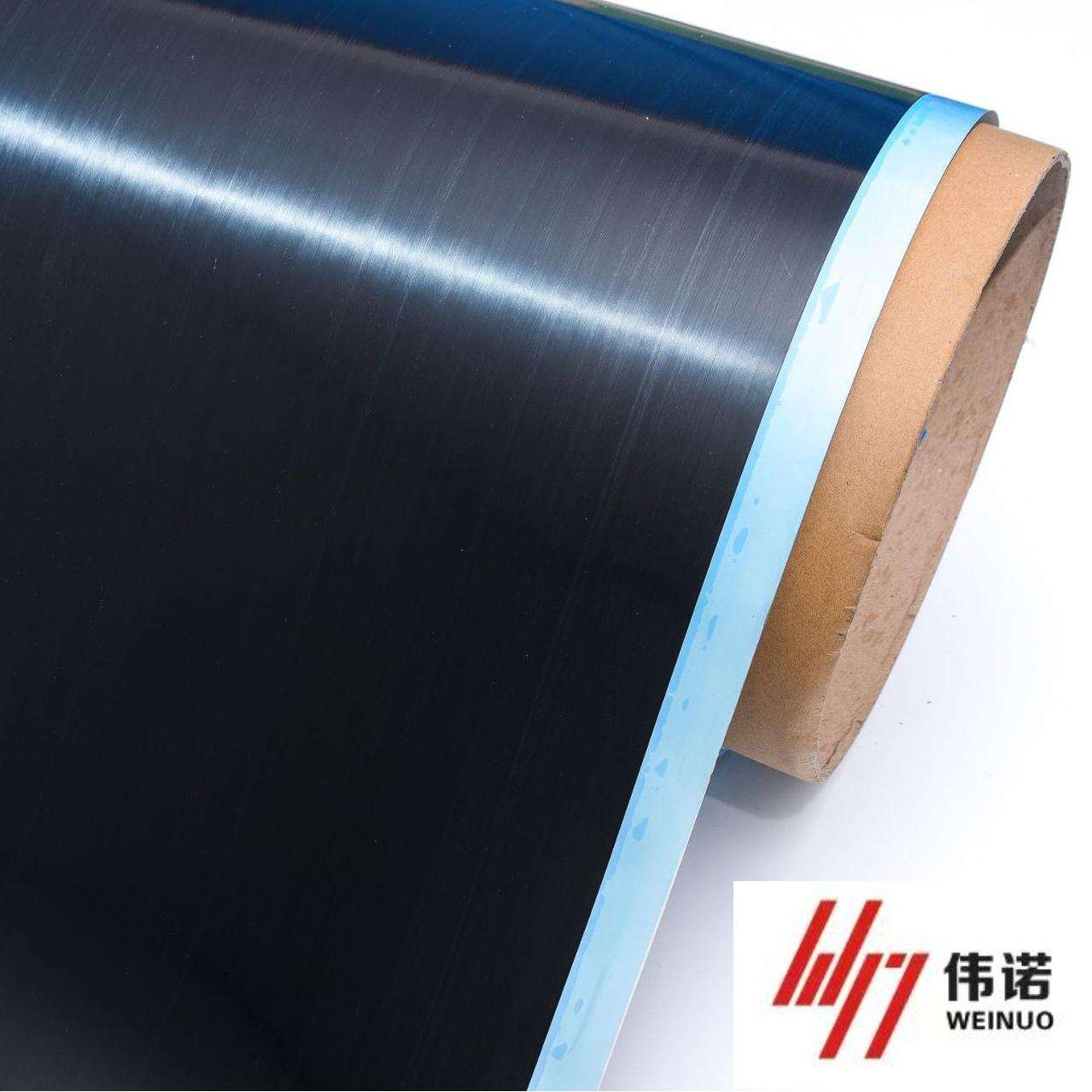
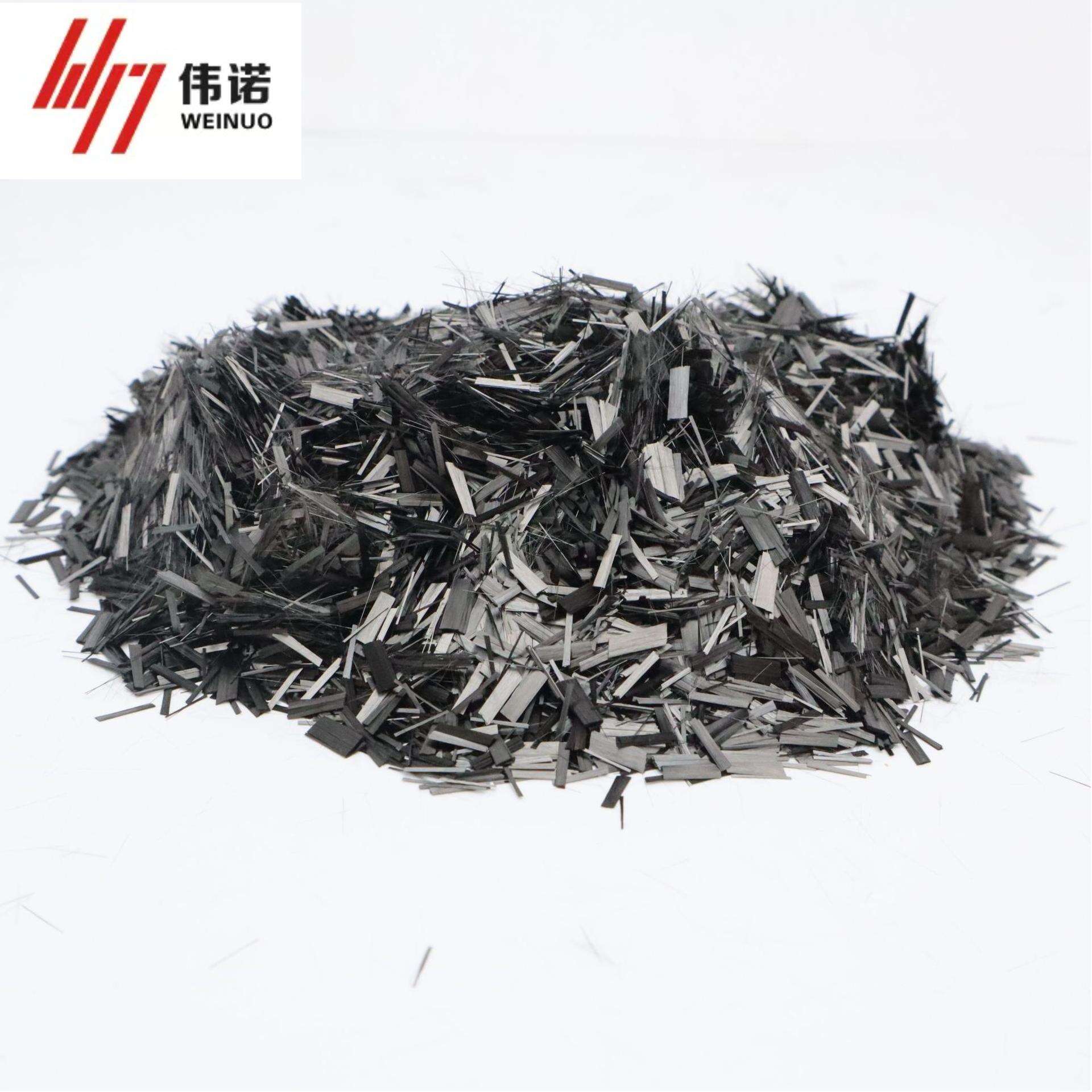
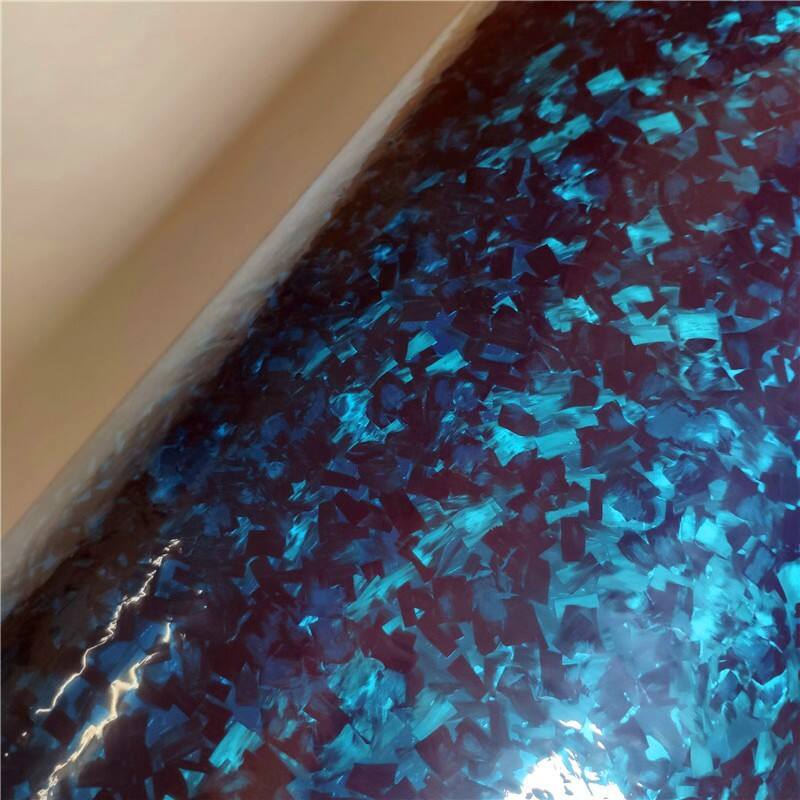
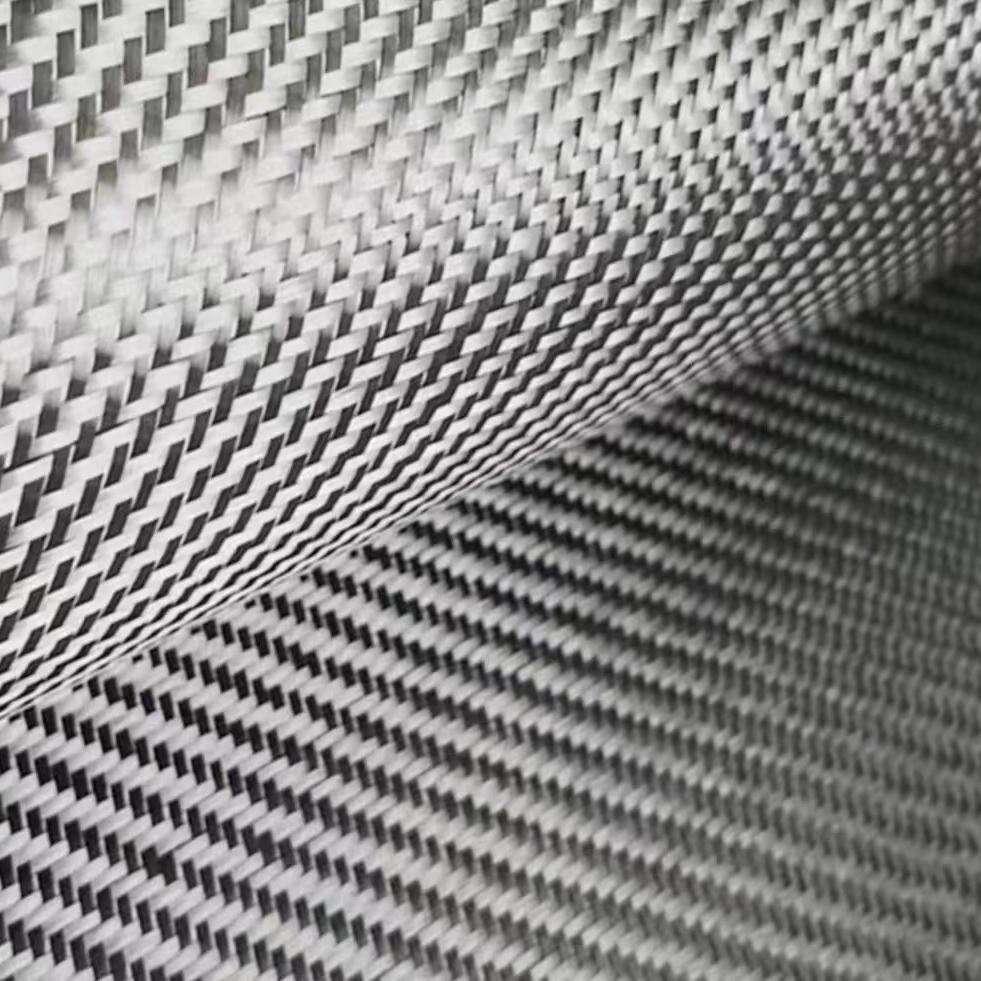
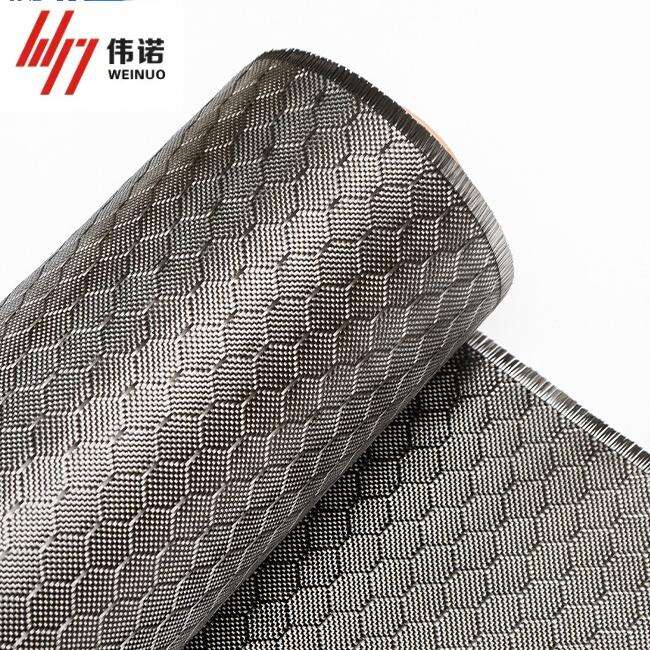
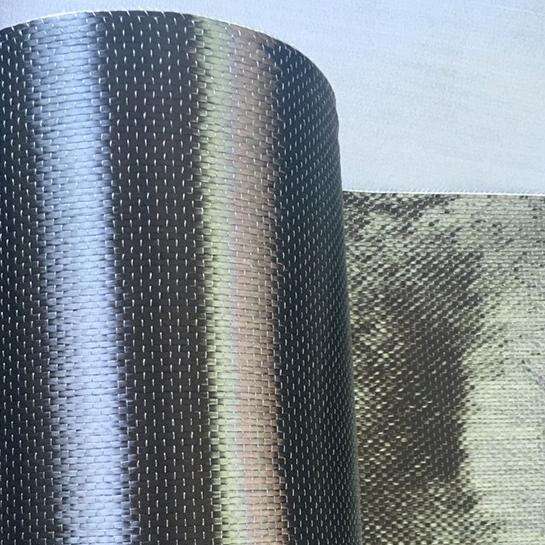
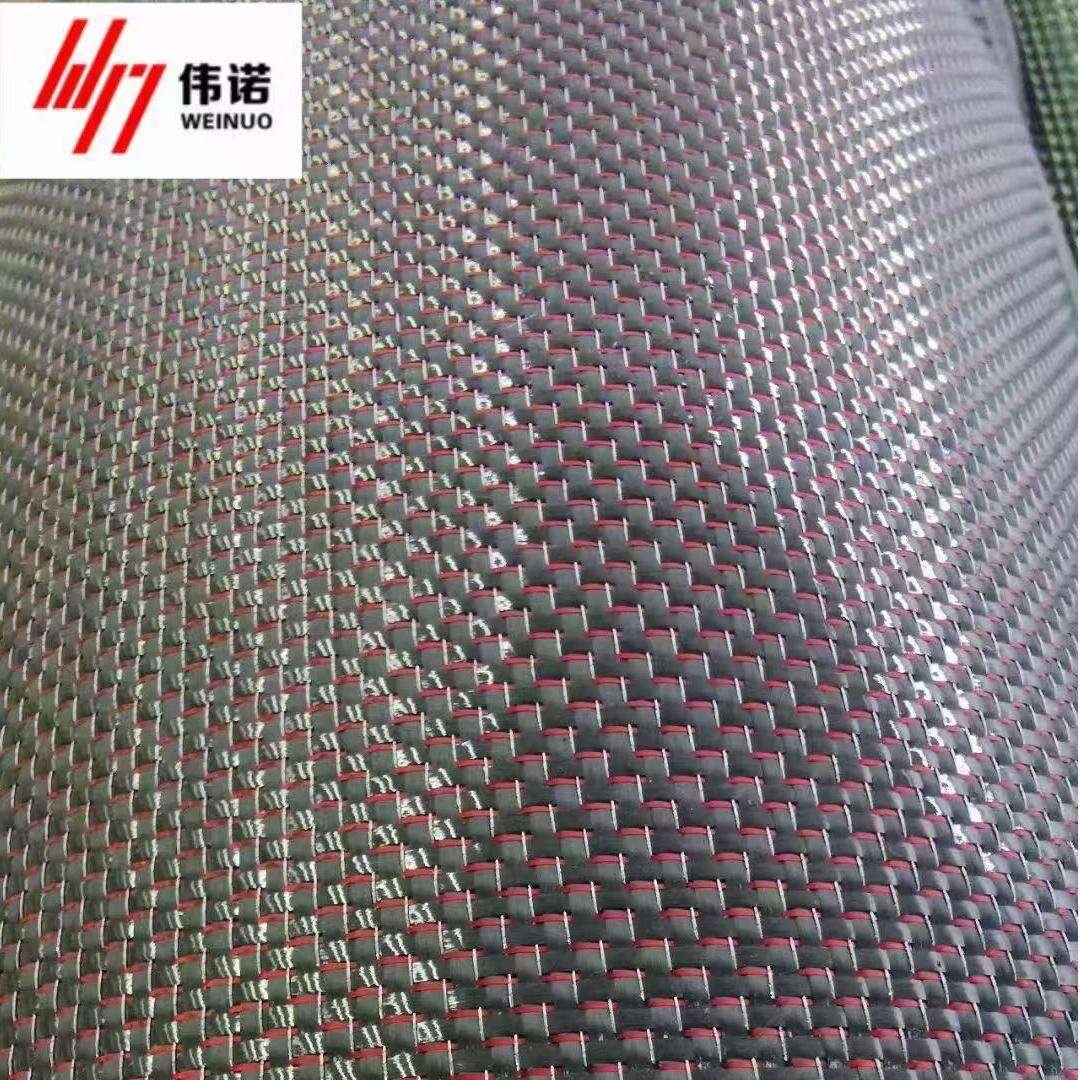
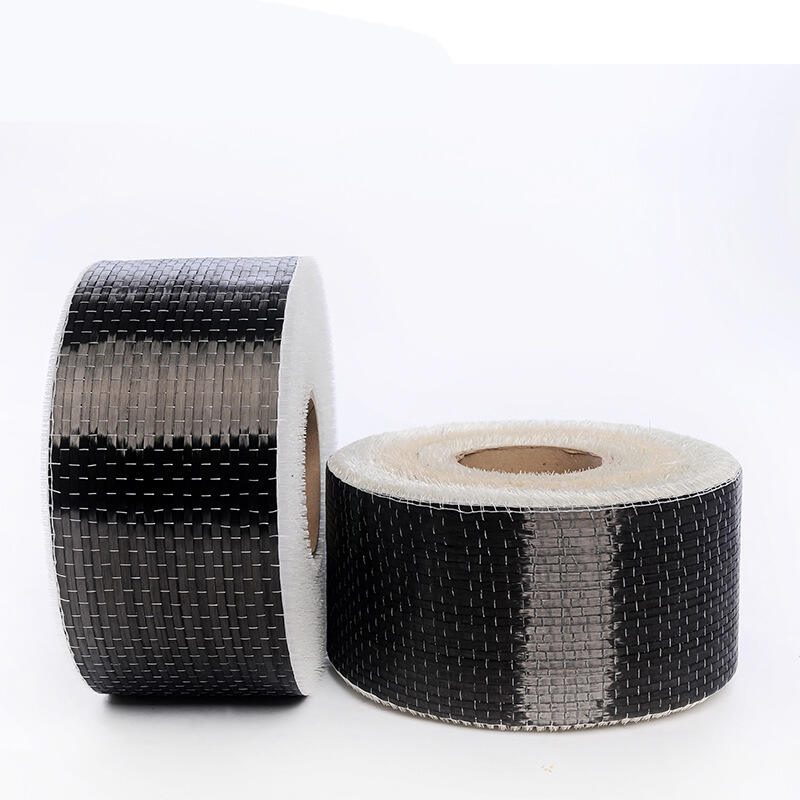
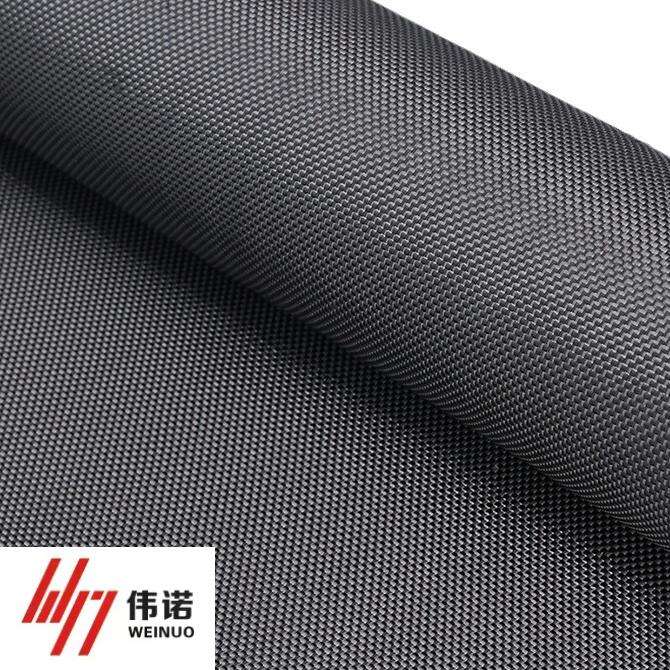
Carbon fabric represents a revolutionary material in modern engineering and manufacturing, combining exceptional strength with remarkably low weight. This advanced textile consists of carefully woven carbon fibers, typically measuring 5-10 micrometers in diameter, created through a sophisticated process of oxidation, carbonization, and surface treatment of organic precursors. The resulting fabric exhibits outstanding mechanical properties, including high tensile strength, low weight ratio, and excellent resistance to temperature variations and chemical exposure. In its primary form, carbon fabric serves as a reinforcement material in composite structures, where it is typically combined with resins to create carbon fiber reinforced polymers (CFRP). The fabric's versatility allows for various weave patterns, each optimized for specific applications, from unidirectional layouts for maximum strength in one direction to complex multi-axial weaves for balanced mechanical properties. The material finds extensive application in aerospace, automotive manufacturing, sporting goods, and civil engineering projects. Its ability to be molded into complex shapes while maintaining structural integrity makes it invaluable in designing lightweight yet durable components. The fabric's thermal conductivity and electromagnetic shielding properties further expand its utility in specialized applications, such as thermal management systems and electronic equipment protection.


New Product Recommendations

Carbon fabric offers numerous compelling advantages that make it an exceptional choice for various applications. First and foremost, its remarkable strength-to-weight ratio sets it apart from traditional materials, enabling the creation of structures that are simultaneously robust and lightweight. This characteristic proves particularly valuable in transportation applications, where weight reduction directly translates to improved fuel efficiency and performance. The material demonstrates outstanding fatigue resistance, maintaining its structural integrity even under repeated stress cycles, which significantly extends the lifespan of components and reduces maintenance requirements. Carbon fabric's corrosion resistance eliminates the need for protective coatings or treatments, making it ideal for challenging environments where metal alternatives might fail. The material's dimensional stability across a wide temperature range ensures consistent performance in varying conditions, while its low thermal expansion coefficient minimizes stress in composite structures. From a manufacturing perspective, carbon fabric's flexibility in design and fabrication allows for complex geometries and efficient production processes. The material's excellent damping properties help reduce vibrations in mechanical systems, enhancing both performance and user comfort. Additionally, its natural conductivity makes it suitable for applications requiring electromagnetic shielding or heat dissipation. The fabric's ability to be combined with various resin systems enables customization for specific performance requirements, whether prioritizing strength, impact resistance, or temperature tolerance. These advantages, combined with decreasing production costs and advancing manufacturing technologies, make carbon fabric an increasingly attractive option for innovative engineering solutions.

Practical Tips

How Does Forged Carbon Fiber Compare to Traditional Composites in Design

25

Sep

How Does Forged Carbon Fiber Compare to Traditional Composites in Design

The Evolution of Advanced Composite Materials in Modern Design The world of composite materials has witnessed a revolutionary transformation with the emergence of forged carbon fiber technology. This innovative material has redefined what's possible ...
View More
What Should Buyers Know About Industrial-Grade Carbon Fiber Fabric

25

Sep

What Should Buyers Know About Industrial-Grade Carbon Fiber Fabric

Understanding the Revolutionary World of Advanced Composite Materials Industrial-grade carbon fiber fabric represents one of the most significant advancements in modern manufacturing and engineering materials. This remarkable composite material has t...
View More
Why Manufacturers Prefer Carbon Fiber Fabric for Long-Term Durability

25

Sep

Why Manufacturers Prefer Carbon Fiber Fabric for Long-Term Durability

The Revolutionary Impact of Advanced Composite Materials in Manufacturing In the ever-evolving landscape of modern manufacturing, carbon fiber fabric has emerged as a game-changing material that's reshaping industries from aerospace to automotive. Th...
View More
Why Is Carbon Fiber Fabric Trusted in Aerospace and Automotive Manufacturing

25

Sep

Why Is Carbon Fiber Fabric Trusted in Aerospace and Automotive Manufacturing

The Revolutionary Impact of Advanced Composites in Modern Engineering In the realm of high-performance materials, carbon fiber fabric has emerged as a game-changing innovation that continues to reshape the aerospace and automotive industries. This re...
View More

Get a Free Quote

Our representative will contact you soon.
Email
Name
Company Name
Message
0/1000
Whatsapp Number

carbon fabric

Superior Mechanical Properties

Superior Mechanical Properties

Carbon fabric exhibits exceptional mechanical properties that set it apart from conventional materials. The fabric's molecular structure, consisting of tightly interconnected carbon atoms arranged in crystalline formations, provides unprecedented tensile strength that can exceed 3,500 MPa, surpassing most metals while maintaining a fraction of their weight. This remarkable strength-to-weight ratio enables engineers to design structures that are simultaneously robust and lightweight. The material's high modulus of elasticity ensures minimal deformation under load, making it ideal for applications requiring precise dimensional stability. Furthermore, carbon fabric demonstrates outstanding fatigue resistance, maintaining its structural integrity even after millions of load cycles, which significantly extends the operational life of components and reduces maintenance requirements. The material's ability to absorb and dissipate energy makes it particularly valuable in impact-resistant applications, while its low coefficient of thermal expansion ensures dimensional stability across a wide temperature range.
Versatility in Manufacturing

Versatility in Manufacturing

Carbon fabric's manufacturing versatility stands as one of its most compelling attributes, offering unprecedented flexibility in design and production methods. The material can be woven in various patterns, from simple plain weaves to complex multi-axial configurations, each optimized for specific loading conditions and applications. This adaptability extends to the fabrication process, where the fabric can be shaped into complex geometries using techniques such as vacuum forming, compression molding, and automated fiber placement. The material's compatibility with different resin systems allows manufacturers to tailor composite properties to meet specific requirements, whether prioritizing strength, temperature resistance, or chemical stability. The fabric's drapability enables efficient production of curved and contoured surfaces, while its ability to be precisely cut and positioned ensures optimal fiber orientation for maximum strength in critical areas. Advanced manufacturing technologies, such as automated cutting and placement systems, further enhance production efficiency and consistency.
Environmental Performance

Environmental Performance

Carbon fabric demonstrates remarkable environmental performance characteristics that contribute to sustainable engineering solutions. Despite its energy-intensive production process, the material's lightweight nature significantly reduces fuel consumption in transportation applications, leading to substantial lifetime energy savings. The fabric's exceptional durability and resistance to environmental degradation result in longer product lifecycles, reducing the need for replacement and minimizing waste. In aerospace applications, for instance, carbon fabric components can reduce aircraft weight by up to 20%, translating to significant reductions in fuel consumption and carbon emissions over the vehicle's operational life. The material's resistance to corrosion and chemical degradation eliminates the need for environmentally harmful protective treatments often required for metal alternatives. Additionally, recent advances in recycling technologies have made it possible to recover and reuse carbon fibers, creating a more sustainable lifecycle for carbon fabric products and reducing their environmental impact.

Get a Free Quote

Our representative will contact you soon.
Email
Name
Company Name
Message
0/1000
Whatsapp Number