Fiberglass Fabric Pricing Guide: Comprehensive Cost Analysis and Value Benefits

  • No.80 Changjiang Mingzhu Road, Houcheng Street, Zhangjiagang City, Jiangsu Province, China
  • +86-15995540423

Mon - Fri: 9:00 - 19:00

price of fiberglass fabric

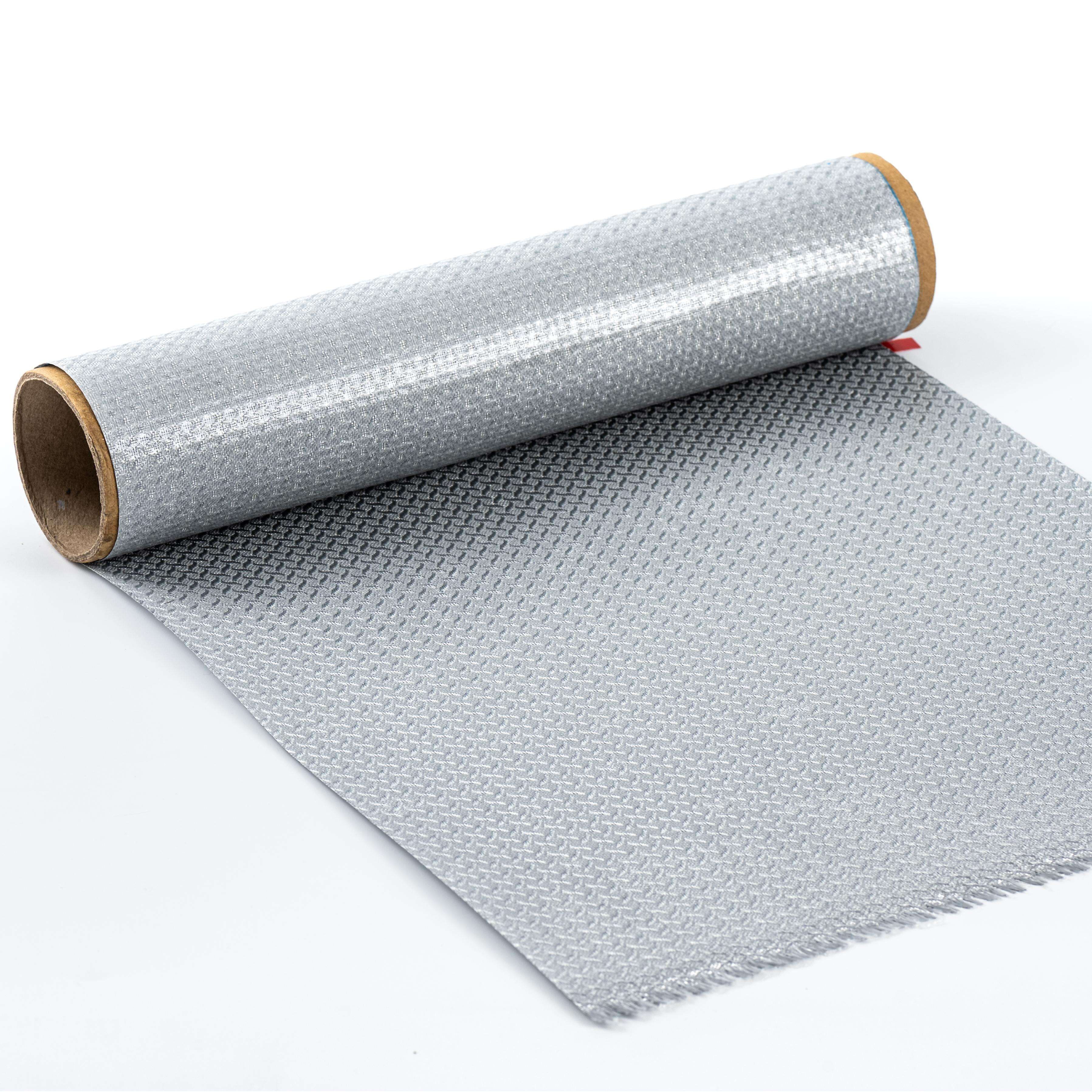
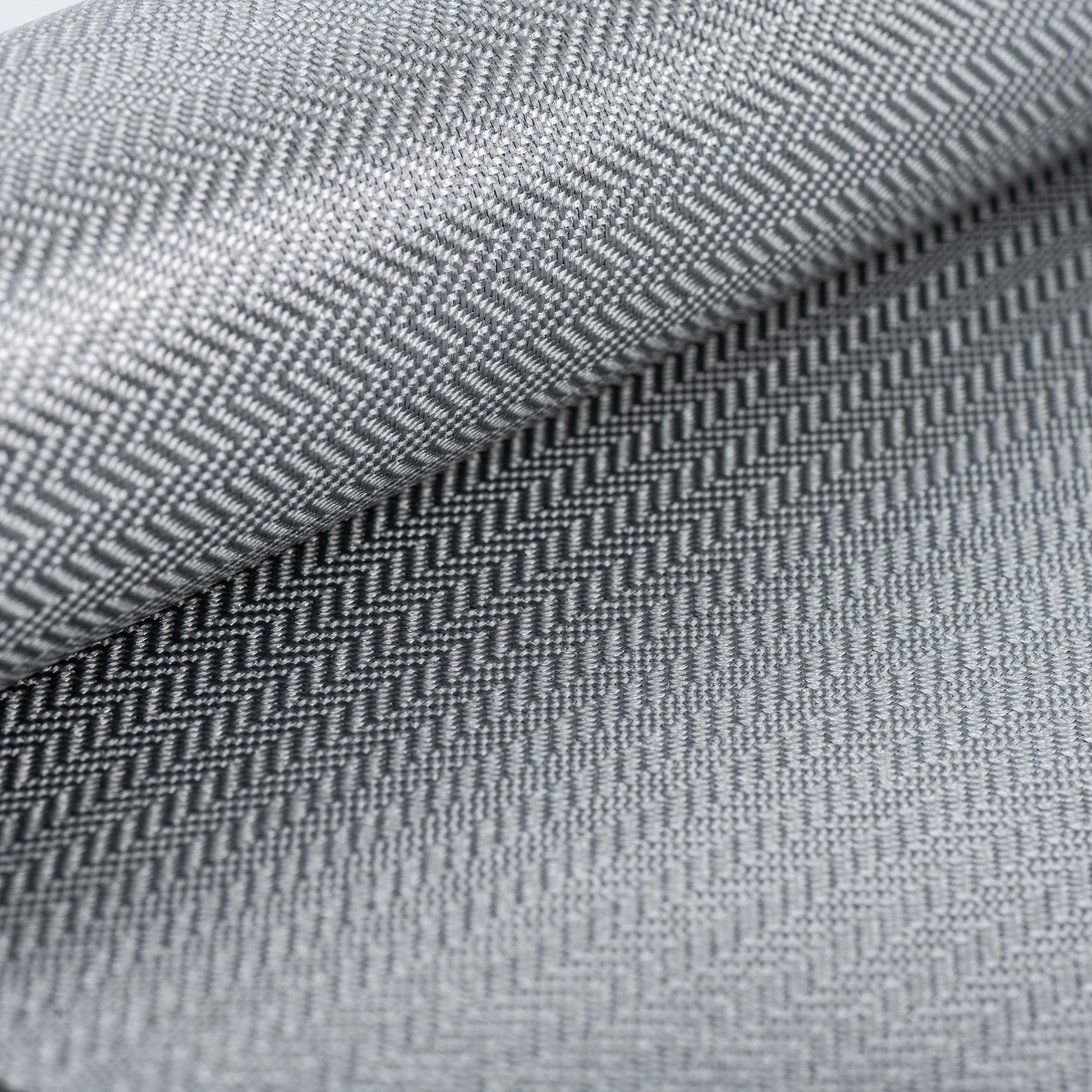
The price of fiberglass fabric represents a crucial consideration for industries seeking cost-effective reinforcement materials. Typically ranging from $2 to $15 per square yard, fiberglass fabric prices vary based on weight, weave pattern, and coating types. This versatile material offers exceptional strength-to-weight ratios, making it a economical choice for construction, marine applications, and composite manufacturing. The price structure reflects different grades, from standard E-glass to specialized S-glass variants, with costs influenced by factors such as bulk purchasing, market demand, and raw material availability. Commercial grade fiberglass fabric generally commands lower prices, while aerospace-grade materials fetch premium rates. The material's durability and resistance to environmental factors contribute to its long-term cost effectiveness, despite initial investment considerations. Manufacturers often provide competitive pricing for bulk orders, with some offering discounts of 10-30% on large volume purchases. The global market dynamics, including production capacity and transportation costs, also play significant roles in determining final pricing. Understanding these price factors helps buyers make informed decisions while balancing quality requirements with budget constraints.


New Product Recommendations

The price advantages of fiberglass fabric manifest in multiple ways that benefit various industries and applications. First, its long-term cost effectiveness stems from exceptional durability, requiring minimal maintenance and offering extended service life compared to alternative materials. The material's resistance to corrosion, chemicals, and extreme temperatures reduces replacement frequency, translating to significant cost savings over time. Bulk purchasing options often provide substantial economies of scale, with manufacturers offering tiered pricing structures that reward larger orders. The lightweight nature of fiberglass fabric reduces transportation and installation costs, while its versatility allows for efficient material utilization with minimal waste. The competitive pricing of standard grades makes it accessible to small and medium-sized businesses, while specialized variants offer premium features for specific applications. The material's excellent strength-to-weight ratio delivers cost benefits in structural applications, reducing the need for additional support materials. Environmental resistance properties minimize the need for protective coatings or treatments, further reducing overall project costs. The stable pricing structure, compared to volatile metal markets, enables better project planning and cost management. Additionally, the material's ease of handling and installation reduces labor costs, while its compatibility with various resins and coating systems provides flexibility in application methods and cost optimization.

Tips And Tricks

How Does Forged Carbon Fiber Compare to Traditional Composites in Design

25

Sep

How Does Forged Carbon Fiber Compare to Traditional Composites in Design

The Evolution of Advanced Composite Materials in Modern Design The world of composite materials has witnessed a revolutionary transformation with the emergence of forged carbon fiber technology. This innovative material has redefined what's possible ...
View More
Why Manufacturers Prefer Carbon Fiber Fabric for Long-Term Durability

25

Sep

Why Manufacturers Prefer Carbon Fiber Fabric for Long-Term Durability

The Revolutionary Impact of Advanced Composite Materials in Manufacturing In the ever-evolving landscape of modern manufacturing, carbon fiber fabric has emerged as a game-changing material that's reshaping industries from aerospace to automotive. Th...
View More
Why Is Carbon Fiber Fabric Trusted in Aerospace and Automotive Manufacturing

25

Sep

Why Is Carbon Fiber Fabric Trusted in Aerospace and Automotive Manufacturing

The Revolutionary Impact of Advanced Composites in Modern Engineering In the realm of high-performance materials, carbon fiber fabric has emerged as a game-changing innovation that continues to reshape the aerospace and automotive industries. This re...
View More
How Does Carbon Fiber Cloth Improve Mechanical Performance in Industry

25

Sep

How Does Carbon Fiber Cloth Improve Mechanical Performance in Industry

Understanding the Revolutionary Impact of Advanced Composite Materials In the realm of industrial engineering and manufacturing, carbon fiber cloth has emerged as a transformative material that's reshaping how we approach mechanical performance. This...
View More

Get a Free Quote

Our representative will contact you soon.
Email
Name
Company Name
Message
0/1000
Whatsapp Number

price of fiberglass fabric

Cost-Effective Performance Characteristics

Cost-Effective Performance Characteristics

Fiberglass fabric's price point delivers exceptional value through its outstanding performance characteristics. The material's inherent strength and durability provide long-term cost benefits, with service life often exceeding 20 years in proper applications. Its resistance to environmental factors, including UV radiation, moisture, and chemical exposure, eliminates the need for frequent replacements or extensive maintenance programs. The material's dimensional stability ensures consistent performance across varying conditions, reducing waste and rework costs. The combination of light weight and high strength allows for efficient material usage, optimizing both material costs and structural requirements. These performance characteristics make fiberglass fabric a cost-effective solution for applications ranging from recreational boats to industrial infrastructure.
Flexible Pricing and Purchase Options

Flexible Pricing and Purchase Options

The market for fiberglass fabric offers diverse pricing structures and purchase options to accommodate various project requirements and budgets. Volume discounts typically range from 10% to 30%, making bulk purchases particularly attractive for large-scale projects or regular users. Manufacturers often provide custom ordering options, allowing buyers to specify exact dimensions and characteristics, minimizing waste and optimizing cost efficiency. The availability of different grades and weights enables buyers to select materials that precisely match their technical requirements and budget constraints. Many suppliers offer sample programs and technical support services, helping customers make informed decisions about material selection and application methods, ultimately leading to cost-effective solutions.
Market Accessibility and Value Chain Benefits

Market Accessibility and Value Chain Benefits

The established nature of the fiberglass fabric market creates numerous advantages in terms of pricing and availability. Global production capacity ensures stable supply and competitive pricing, while well-developed distribution networks help minimize logistics costs. The material's widespread use across industries has led to standardization in manufacturing processes, resulting in consistent quality at predictable price points. The existence of multiple suppliers and manufacturers creates healthy competition, benefiting end-users through competitive pricing and improved service offerings. The material's established position in various industries also means readily available technical support and application expertise, reducing implementation costs and risks.

Get a Free Quote

Our representative will contact you soon.
Email
Name
Company Name
Message
0/1000
Whatsapp Number