
 EN
EN

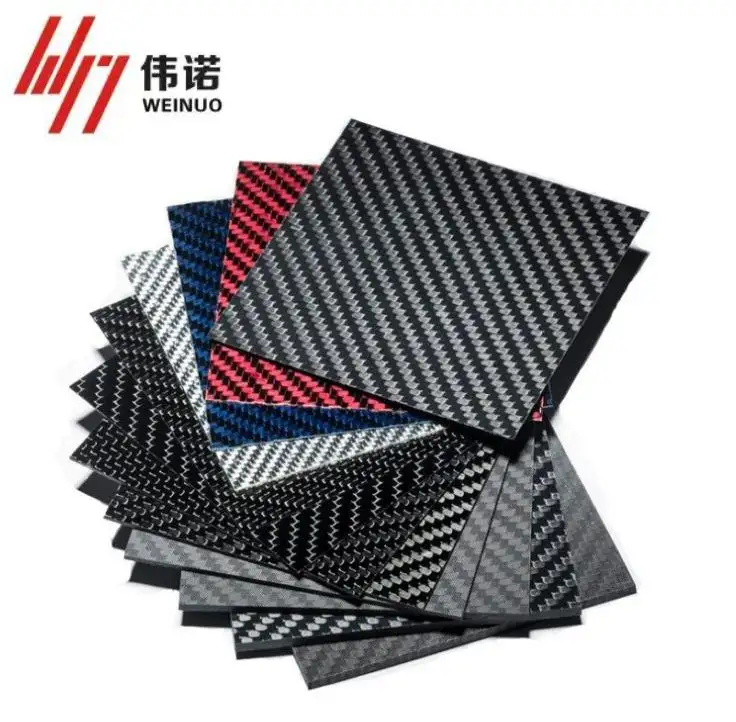
Industrial retrofitting projects demand materials that deliver exceptional strength, minimal weight addition, and resistance to harsh environmental conditions. As manufacturers and facility managers evaluate options for upgrading aging infrastructure, structural reinforcement, and equipment modernization, carbon fiber sheets have emerged as a compelling alternative to traditional materials like steel plates and aluminum panels. The question of whether carbon fiber sheets are suitable for industrial retrofitting requires examining their mechanical properties, application versatility, installation requirements, and long-term performance in demanding industrial environments.
The suitability of carbon fiber sheets for industrial retrofitting depends on multiple factors including load-bearing requirements, environmental exposure, budget constraints, and installation complexity. Unlike consumer applications where aesthetics often drive material selection, industrial retrofitting prioritizes structural integrity, durability, and operational continuity. This article examines the technical capabilities of carbon fiber sheets in retrofitting contexts, identifies scenarios where they excel, addresses implementation challenges, and provides practical guidance for engineering teams considering these advanced composite materials for industrial upgrade projects.
Mechanical Performance Characteristics for Industrial Applications
Strength-to-Weight Ratio Advantages
Carbon fiber sheets offer an exceptional strength-to-weight ratio that makes them particularly valuable in industrial retrofitting scenarios where adding structural capacity without significant weight increase is critical. With tensile strength ranging from 3,500 to 6,000 MPa depending on fiber orientation and resin systems, carbon fiber sheets can provide reinforcement equivalent to steel at approximately one-fifth the weight. This characteristic proves especially important when retrofitting older structures where foundation systems were not designed to accommodate additional dead loads from traditional reinforcement materials.
In practical industrial applications, this weight advantage translates to several operational benefits. Overhead crane systems can be reinforced without recalculating load capacities for support structures. Elevated platforms and mezzanines can be strengthened without requiring foundation upgrades. Manufacturing equipment frames can be stiffened against vibration without altering center-of-gravity calculations that affect machine operation. The minimal weight addition of carbon fiber sheets allows retrofitting projects to proceed without the cascading structural modifications that heavier reinforcement materials would necessitate.
Fatigue Resistance in Cyclic Loading Environments
Industrial environments frequently subject structures and equipment to repetitive cyclic loading that can lead to fatigue failure in traditional materials. Carbon fiber sheets demonstrate superior fatigue resistance compared to metals, maintaining structural integrity through millions of load cycles without the crack propagation issues that plague welded steel joints and aluminum components. This fatigue performance makes carbon fiber sheets particularly suitable for retrofitting equipment subjected to continuous operation, vibration, or periodic stress reversals.
Manufacturing facilities with reciprocating machinery, processing plants with pressure cycling equipment, and material handling systems with repetitive loading patterns benefit significantly from the fatigue characteristics of carbon fiber sheets. Unlike steel reinforcement that may develop fatigue cracks at stress concentrations or weld points, properly installed carbon fiber sheets distribute loads across their entire bonded area, eliminating discrete failure initiation points. This distributed load transfer mechanism extends service life and reduces the frequency of maintenance interventions in retrofitted industrial systems.
Stiffness Modulation for Specific Applications
The directional properties of carbon fiber sheets allow engineers to tailor stiffness characteristics to match specific industrial retrofitting requirements. Unidirectional carbon fiber sheets provide maximum stiffness along the primary fiber axis, ideal for reinforcing beams and columns against bending loads. Woven carbon fiber sheets offer more balanced biaxial properties suitable for panel applications and structures experiencing loads from multiple directions. This ability to customize mechanical response makes carbon fiber sheets adaptable to diverse industrial retrofitting challenges.
Industrial retrofitting projects often require nuanced approaches to stiffness enhancement. Equipment frames may need increased rigidity in one plane while maintaining flexibility in another to accommodate thermal expansion. Structural members may require localized stiffening without over-constraining adjacent components. The customizable nature of carbon fiber sheets enables engineers to implement precision reinforcement strategies that address specific deficiencies without introducing unintended mechanical consequences elsewhere in the system.
Environmental Durability in Industrial Settings
Chemical Resistance for Process Industries
Industrial facilities in chemical processing, petroleum refining, and specialty manufacturing sectors present particularly aggressive environments where material degradation limits the effectiveness of traditional retrofitting materials. Carbon fiber sheets exhibit excellent resistance to a wide range of industrial chemicals including acids, alkalis, solvents, and hydrocarbon compounds. The carbon fiber reinforcement itself is chemically inert, while properly selected resin matrix systems provide protection against specific chemical exposures anticipated in industrial environments.
When retrofitting structures or equipment in chemical processing areas, carbon fiber sheets eliminate the corrosion concerns that plague steel reinforcement and the chemical attack vulnerabilities of many polymer materials. This chemical resistance extends service life and reduces lifecycle costs by eliminating corrosion-related maintenance, recoating requirements, and premature replacement cycles. Industrial facilities can implement structural upgrades using carbon fiber sheets without concerns about chemical exposure degrading reinforcement effectiveness over time.
Temperature Performance Ranges
The suitability of carbon fiber sheets for industrial retrofitting depends significantly on the temperature environment in which they will operate. Standard epoxy-based carbon fiber sheets typically maintain structural properties up to approximately 120-150°C, adequate for many ambient and moderately elevated temperature industrial applications. For higher temperature environments, specialized resin systems including bismaleimide, polyimide, and phenolic matrices extend operational temperature ranges to 200-300°C, though at increased material cost.
Industrial retrofitting projects must carefully evaluate thermal exposure conditions when specifying carbon fiber sheets. Process equipment near furnaces, steam systems, or exothermic reactors may exceed the temperature limitations of standard carbon fiber composite systems. However, many industrial structures including cold storage facilities, ambient temperature manufacturing areas, and outdoor structural elements operate well within the temperature capabilities of carbon fiber sheets. For applications with periodic thermal excursions, thermal cycling testing should validate that carbon fiber sheet installations maintain bond integrity and mechanical properties under anticipated temperature fluctuations.
Moisture and Humidity Resistance
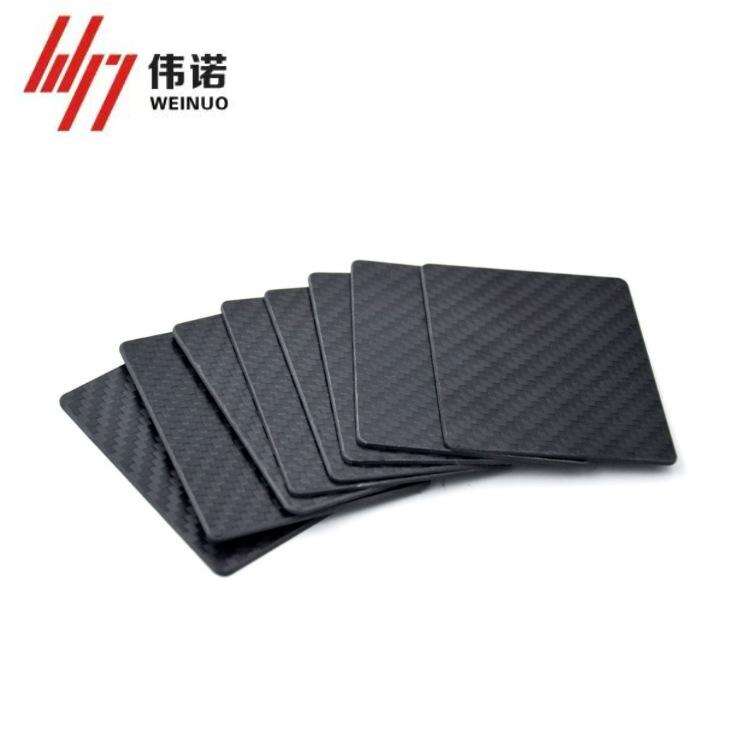
Industrial facilities often experience high humidity conditions, condensation, and periodic water exposure that can compromise traditional materials. Carbon fiber sheets demonstrate excellent moisture resistance when properly installed with appropriate surface preparation and edge sealing. Unlike steel reinforcement that corrodes with moisture exposure or wood structural members that degrade with humidity cycling, carbon fiber sheets maintain dimensional stability and mechanical properties in wet environments.
Food processing facilities, pulp and paper mills, and coastal industrial installations benefit particularly from the moisture resistance of carbon fiber sheets. Retrofitting projects in these environments using carbon fiber sheets eliminate moisture-related deterioration pathways that limit the effectiveness of conventional reinforcement approaches. The non-hygroscopic nature of carbon fibers prevents moisture absorption that could lead to dimensional changes or freeze-thaw damage in cold climate applications, making carbon fiber sheets suitable for outdoor industrial structures and unheated facilities.
Installation Considerations for Industrial Retrofitting
Surface Preparation Requirements
Successful industrial retrofitting with carbon fiber sheets depends critically on proper surface preparation of existing substrates. Unlike bolted steel reinforcement that creates mechanical attachment independent of surface condition, carbon fiber sheets rely entirely on adhesive bonding to transfer loads into existing structures. Industrial surfaces often present challenging preparation requirements including contamination from oils, greases, and processing residues; surface irregularities from corrosion or previous coatings; and substrate weakness from deterioration or damage.
Surface preparation for carbon fiber sheet installation in industrial environments typically requires mechanical abrasion to remove contaminants and create appropriate surface profile, solvent cleaning to eliminate residual oils and release agents, and substrate repair to address spalling, delamination, or corrosion damage. These preparation steps add time and cost to retrofitting projects but remain essential for achieving design bond strengths. Industrial facilities must plan for production interruptions during surface preparation activities and ensure adequate ventilation when using cleaning solvents in occupied spaces.
Installation Environment Controls
The adhesive systems used to bond carbon fiber sheets to industrial substrates require specific environmental conditions during installation and curing. Most structural adhesives specify temperature ranges of 15-35°C and relative humidity below 80% for proper curing. These requirements can present challenges in industrial facilities where climate control may be limited or where retrofitting must occur during operational periods when temperature and humidity fluctuate.
Industrial retrofitting projects using carbon fiber sheets must implement environmental controls including temporary enclosures, supplemental heating or cooling, and dehumidification equipment when ambient conditions fall outside adhesive cure specifications. Winter installations in unheated facilities and summer installations in hot, humid climates require particular attention to environmental control. Project schedules should account for weather-dependent installation windows and the need for extended cure times when temperatures approach lower specification limits. These environmental requirements add complexity to industrial retrofitting projects but remain necessary for achieving reliable bond performance.
Workforce Training and Certification
Installing carbon fiber sheets for industrial retrofitting requires specialized skills and knowledge not typically possessed by general industrial maintenance personnel. Unlike welding steel reinforcement or bolting structural members, carbon fiber sheet installation involves substrate evaluation, adhesive mixing and application, fiber placement and consolidation, and quality verification procedures. The bond-critical nature of carbon fiber sheet installations means that installation errors can compromise structural integrity without visible indication.
Industrial facilities implementing carbon fiber retrofitting projects should engage contractors with demonstrated experience in composite structural applications or invest in training internal personnel through manufacturer certification programs. Installation quality directly affects long-term performance, making workforce qualification an essential element of successful carbon fiber sheet retrofitting projects. Documentation of installer qualifications, batch-specific adhesive properties, and installation environmental conditions provides quality assurance records for future reference and regulatory compliance in industries with stringent documentation requirements.
Application Scenarios and Suitability Assessment
Structural Reinforcement Applications
Carbon fiber sheets excel in industrial retrofitting applications requiring structural reinforcement of concrete, steel, and wood members. Concrete beams and columns can be wrapped with carbon fiber sheets to increase flexural and shear capacity, restore capacity lost to deterioration, or upgrade structures to meet revised loading requirements. Steel structural members can be reinforced against buckling, fatigue crack propagation, or increased service loads. These reinforcement applications leverage the high strength and bond-dependent load transfer characteristics of carbon fiber sheets effectively.
Industrial facilities commonly apply carbon fiber sheets to reinforce floor systems for increased equipment loads, strengthen overhead crane support structures, upgrade seismic resistance of structural frames, and repair corrosion-damaged structural elements. The ability to install carbon fiber sheets with minimal disruption to ongoing operations makes them particularly valuable in industrial environments where production continuity is essential. Reinforcement projects can often be executed during scheduled maintenance windows or outside normal operating hours, minimizing productivity impact.
Equipment Frame Stiffening
Manufacturing equipment frames and machine bases frequently require stiffening to address vibration issues, reduce deflection under operating loads, or accommodate increased production speeds. Carbon fiber sheets provide targeted stiffness enhancement without the weight penalty and installation complexity of welded steel reinforcement. The thin profile of carbon fiber sheets allows installation in confined spaces around existing equipment where access limitations would prevent installation of bulkier reinforcement alternatives.
Precision manufacturing equipment, high-speed packaging machinery, and automated assembly systems benefit particularly from the vibration damping and stiffness properties of carbon fiber sheets. Strategic placement of carbon fiber sheets on equipment frames can shift natural frequencies away from operating speeds, reduce transmission of vibration to adjacent equipment, and improve process consistency by minimizing deflection-related variations. These performance improvements can justify carbon fiber sheet retrofitting costs through increased production rates, improved quality, and extended equipment service life.
Containment and Pressure Vessel Applications
Industrial storage tanks, pressure vessels, and piping systems may require retrofitting to restore structural capacity, extend service life, or accommodate process changes. Carbon fiber sheets can provide circumferential reinforcement for cylindrical vessels, repair localized corrosion damage, and restore pressure-containing capability without requiring vessel replacement. The corrosion resistance of carbon fiber sheets makes them particularly suitable for external reinforcement of tanks and piping handling corrosive contents.
Retrofitting pressure equipment with carbon fiber sheets requires careful engineering analysis to ensure adequate safety factors and compliance with applicable pressure vessel codes and standards. Some jurisdictions have specific requirements for composite reinforcement of pressure equipment including design methodology, installation procedures, and periodic inspection protocols. Industrial facilities considering carbon fiber sheets for pressure equipment retrofitting should engage with regulatory authorities early in project planning to ensure acceptance of the proposed reinforcement approach.
Cost Considerations and Economic Justification
Material Cost Comparison
Carbon fiber sheets represent a premium material choice for industrial retrofitting with costs typically ranging from $50 to $150 per square meter for the composite material itself, plus structural adhesives, surface preparation materials, and installation labor. This material cost significantly exceeds traditional alternatives like steel plate reinforcement or concrete jacketing on a direct cost basis. However, economic evaluation of carbon fiber sheets for industrial retrofitting requires consideration of total installed cost including labor, equipment access, production interruption, and secondary structural modifications.
The lightweight nature and thin profile of carbon fiber sheets often result in lower total installed costs despite higher material prices. Elimination of heavy lifting equipment requirements, reduced installation time due to simpler procedures, and avoidance of secondary structural modifications to support heavier reinforcement systems can offset material cost premiums. Industrial projects with difficult access, limited outage windows, or significant consequences from extended production interruptions frequently find carbon fiber sheets economically competitive with traditional retrofitting approaches when evaluated on a total project cost basis.
Lifecycle Cost Analysis
Long-term economic justification for carbon fiber sheets in industrial retrofitting extends beyond initial installation costs to consider lifecycle maintenance requirements, service life expectancy, and performance reliability. The corrosion resistance of carbon fiber sheets eliminates periodic recoating requirements that steel reinforcement demands. The fatigue resistance extends service life in cyclic loading applications compared to welded steel details. The chemical resistance prevents degradation in aggressive industrial environments where traditional materials require frequent replacement.
Industrial facilities evaluating carbon fiber sheets for retrofitting should perform lifecycle cost analysis over anticipated service periods of 20-30 years or more. Maintenance cost avoidance, extended replacement cycles, and improved reliability often justify higher initial costs for carbon fiber sheets. Additionally, the ability to implement reinforcement without major production interruptions provides economic value difficult to quantify but significant in competitive manufacturing environments where downtime costs may exceed thousands of dollars per hour.
Performance Value in Critical Applications
Beyond direct cost considerations, carbon fiber sheets provide performance capabilities in certain industrial retrofitting applications that traditional materials cannot match at any cost. When weight limitations absolutely prevent use of steel reinforcement, when chemical exposure would rapidly degrade alternative materials, or when installation access constraints preclude conventional approaches, carbon fiber sheets may represent the only technically viable solution. In these scenarios, economic justification shifts from cost comparison to enablement value—the ability to implement necessary retrofitting that otherwise could not be accomplished.
Critical infrastructure reinforcement, specialized equipment upgrades, and production capacity expansions enabled by carbon fiber sheet retrofitting often generate returns through increased production capacity, improved product quality, or extended asset service life that dwarf material cost considerations. Industrial decision-makers should evaluate carbon fiber sheets not solely as a material cost but as an enabling technology that may provide unique technical solutions to challenging retrofitting requirements while delivering measurable business value through operational improvements.
FAQ
What thickness of carbon fiber sheets is typically required for industrial structural reinforcement?
Industrial structural reinforcement applications typically utilize carbon fiber sheets ranging from 1.2mm to 3.0mm thickness, with 1.4mm being most common for general concrete and steel reinforcement. Thicker sheets provide greater reinforcement capacity but become more difficult to conform to irregular surfaces and achieve proper consolidation during installation. The required thickness depends on calculated design loads, existing substrate strength, and desired reinforcement contribution. Engineering analysis determines appropriate thickness based on specific project requirements rather than standardized application rules.
Can carbon fiber sheets be applied to surfaces with existing coatings or do they require removal to bare substrate?
Carbon fiber sheet installation generally requires removal of existing coatings to achieve direct adhesive contact with structural substrate materials. Paint, protective coatings, and surface treatments reduce bond strength and can serve as failure planes under load. However, some specialized primer systems are designed to create compatible bonding surfaces over certain existing coatings when complete removal is impractical. Each industrial retrofitting project requires surface evaluation to determine appropriate preparation procedures based on existing coating types, coating adhesion to substrate, and anticipated service loads.
How do carbon fiber sheets perform in outdoor industrial environments with UV exposure?
Carbon fibers themselves are unaffected by ultraviolet radiation, but epoxy resin matrices used in most carbon fiber sheets degrade with prolonged UV exposure, resulting in surface chalking and eventual fiber exposure. Outdoor industrial applications require UV-resistant topcoats or protective coverings to shield carbon fiber sheets from direct sunlight. Properly protected carbon fiber sheet installations demonstrate excellent long-term durability in outdoor industrial environments. Periodic inspection and recoating maintenance ensures continued UV protection throughout the service life of retrofitted structures.
What inspection methods verify the quality of carbon fiber sheet installations in industrial settings?
Quality verification of carbon fiber sheet installations employs multiple inspection methods including visual examination for proper fiber alignment and absence of voids or wrinkles, tap testing to identify delamination or unbonded areas through acoustic response, and pull-off testing to quantify adhesive bond strength. Advanced techniques including infrared thermography and ultrasonic testing provide more comprehensive evaluation but require specialized equipment and trained operators. Industrial facilities should establish inspection protocols appropriate to the criticality of retrofitted elements and document installation quality for future reference and regulatory compliance purposes.
Table of Contents
- Mechanical Performance Characteristics for Industrial Applications
- Environmental Durability in Industrial Settings
- Installation Considerations for Industrial Retrofitting
- Application Scenarios and Suitability Assessment
- Cost Considerations and Economic Justification
-
FAQ
- What thickness of carbon fiber sheets is typically required for industrial structural reinforcement?
- Can carbon fiber sheets be applied to surfaces with existing coatings or do they require removal to bare substrate?
- How do carbon fiber sheets perform in outdoor industrial environments with UV exposure?
- What inspection methods verify the quality of carbon fiber sheet installations in industrial settings?