
 EN
EN

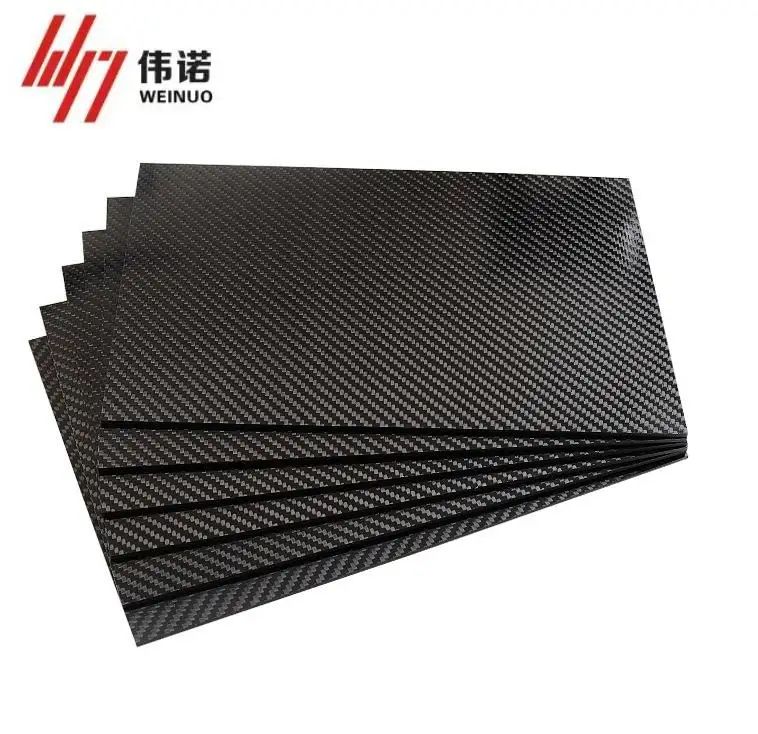
Multiaxial carbon fiber fabric represents a revolutionary approach to composite material engineering, fundamentally transforming how mechanical loads are distributed across structural components. Unlike traditional unidirectional carbon fiber arrangements, multiaxial carbon fiber fabric incorporates multiple fiber orientations within a single fabric structure, creating a sophisticated network that can handle complex stress patterns and multidirectional loading conditions with remarkable efficiency.
The load distribution mechanism in multiaxial carbon fiber fabric operates through a coordinated fiber architecture where individual fiber tows are strategically positioned at predetermined angles, typically ranging from 0° to ±45° and 90°. This angular arrangement allows the fabric to respond dynamically to various stress vectors, automatically redirecting forces along the strongest fiber paths and preventing localized failure points that commonly occur in single-direction reinforcement systems.
Fundamental Load Distribution Principles in Multiaxial Architecture
Directional Force Vector Management
The core principle behind efficient load distribution in multiaxial carbon fiber fabric lies in its ability to manage force vectors across multiple orientations simultaneously. When external loads are applied to a composite structure incorporating this fabric, the forces are automatically distributed along the fiber directions that can best handle the specific stress type, whether tensile, compressive, or shear. This distribution mechanism prevents the concentration of stress in any single direction, which is a common failure mode in unidirectional composites.
Each fiber orientation within the multiaxial carbon fiber fabric serves a specific load-bearing function. The 0° fibers primarily handle longitudinal tensile and compressive loads, while the ±45° fibers excel at managing in-plane shear forces and torsional loads. The 90° fibers provide transverse strength and help maintain structural integrity perpendicular to the primary loading direction. This coordinated response ensures that loads are shared proportionally based on each fiber direction's capacity and the applied stress state.
Stress Transfer Mechanisms Between Fiber Layers
The efficiency of load distribution in multiaxial carbon fiber fabric is significantly enhanced by the stress transfer mechanisms that occur between different fiber layers. These mechanisms rely on the matrix material that binds the fibers together and the mechanical interlocking created by the fabric's construction method. When a load is applied, stress concentrations are immediately shared between adjacent fiber orientations through shear transfer in the matrix material.
The stitching or weaving pattern used to create the multiaxial carbon fiber fabric plays a crucial role in facilitating this stress transfer. Modern manufacturing techniques create controlled connection points between fiber layers that act as stress redistribution nodes, allowing forces to flow seamlessly from one fiber direction to another as loading conditions change. This interconnected structure effectively creates a load-sharing network that responds adaptively to complex stress states.
Geometric Optimization for Maximum Load Efficiency
Fiber Angle Selection and Load Path Analysis
The selection of fiber angles in multiaxial carbon fiber fabric is a critical design parameter that directly influences load distribution efficiency. Engineering analysis typically involves detailed load path studies to determine the optimal combination of fiber orientations for specific applications. The most common configurations include biaxial arrangements with 0°/90° fibers, triaxial systems incorporating ±45° orientations, and quadraxial fabrics that combine all four primary directions.
Advanced finite element analysis is often employed to optimize fiber angle selection for specific loading scenarios. This analysis considers the expected stress distribution patterns, safety factors, and failure modes to determine the ideal proportion and orientation of fibers in each direction. The resulting multiaxial carbon fiber fabric configuration ensures that loads are distributed along the most efficient paths, minimizing stress concentrations and maximizing structural performance per unit weight.
Fabric Architecture and Stitching Patterns
The physical architecture of multiaxial carbon fiber fabric significantly impacts its load distribution capabilities through the arrangement and connection of individual fiber tows. Modern manufacturing processes allow for precise control over fiber placement, ensuring optimal spacing and alignment that facilitates efficient stress transfer. The stitching pattern used to bind the multiple fiber layers together creates a three-dimensional reinforcement network that enhances the fabric's ability to distribute loads in multiple directions simultaneously.
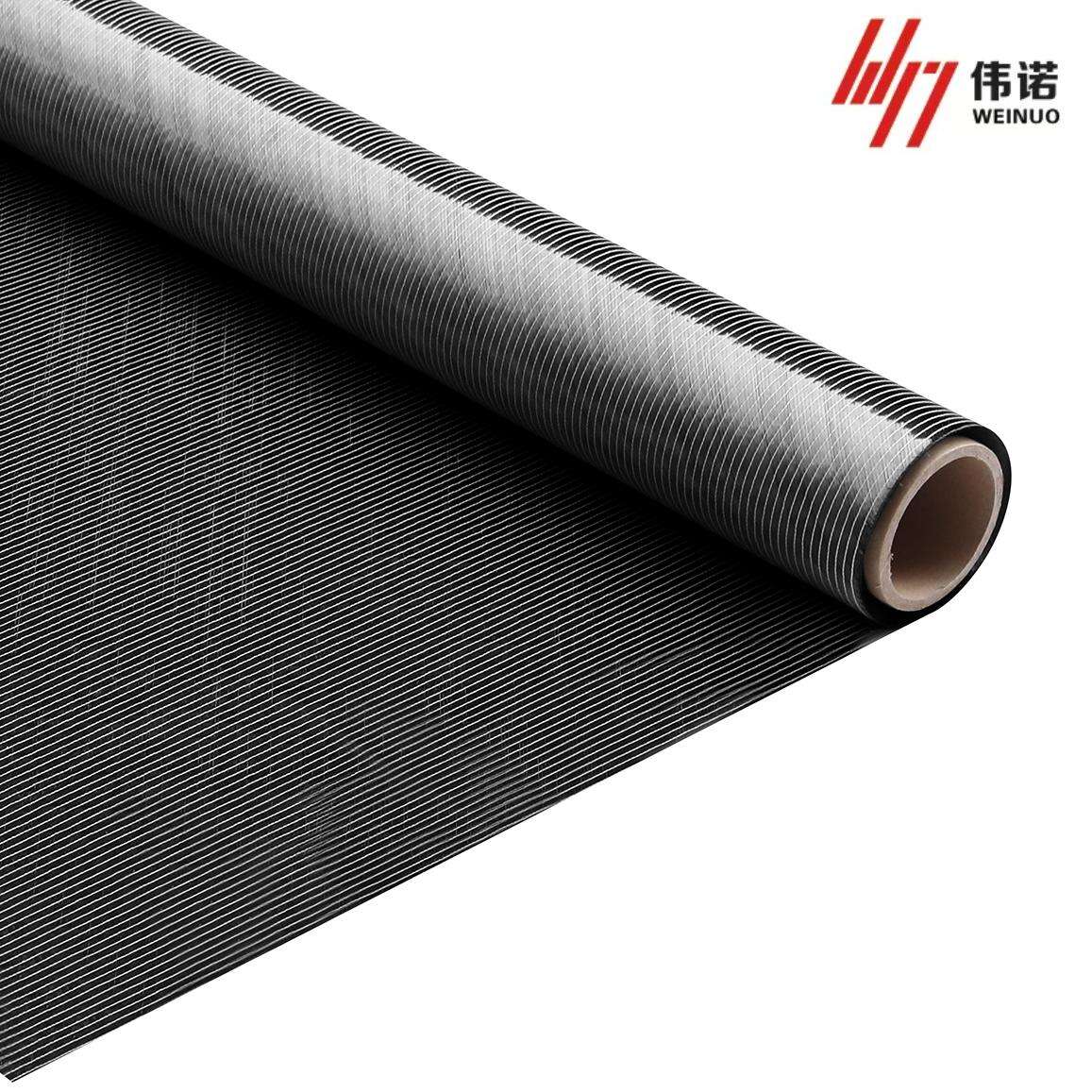
Different stitching configurations, such as tricot, chain stitch, or through-thickness stitching, provide varying levels of inter-layer connection and load transfer capability. The selection of stitching pattern must balance the need for secure fiber bonding with the requirement to minimize fiber distortion that could create stress concentration points. Advanced multiaxial carbon fiber fabric designs incorporate optimized stitching patterns that maximize load distribution efficiency while maintaining the structural integrity of individual fiber tows.
Dynamic Response Characteristics Under Variable Loading
Adaptive Load Redistribution Mechanisms
One of the most remarkable characteristics of multiaxial carbon fiber fabric is its ability to adapt dynamically to changing load conditions through automatic stress redistribution. When subjected to variable or cyclic loading, the fabric's multi-directional architecture allows it to shift load paths based on the instantaneous stress state. This adaptive behavior is particularly valuable in applications where loading directions and magnitudes change frequently, such as in aerospace structures or wind turbine blades.
The adaptive redistribution mechanism operates through the elastic response of individual fiber directions combined with the load transfer capabilities of the matrix system. As loads increase in one direction, the corresponding fiber orientation carries the primary load while simultaneously transferring excess stress to adjacent fiber directions through shear mechanisms in the matrix material. This process continues until an equilibrium state is reached where each fiber direction carries its optimal load proportion.
Fatigue Resistance Through Load Sharing
The load distribution efficiency of multiaxial carbon fiber fabric provides significant advantages in fatigue resistance compared to unidirectional alternatives. The ability to share loads across multiple fiber orientations prevents the development of critical stress concentrations that typically initiate fatigue crack growth. When one fiber direction experiences local damage or degradation, the remaining orientations can compensate by carrying additional load, extending the overall service life of the composite structure.
This load sharing mechanism is particularly effective in preventing delamination failures that commonly occur in laminated composite structures. The through-thickness stitching or binding in multiaxial carbon fiber fabric creates mechanical connections that resist inter-layer separation, while the multi-directional fiber architecture provides alternative load paths when local failures occur. This redundancy in load-carrying capacity makes structures incorporating multiaxial fabric inherently more damage-tolerant and reliable under cyclic loading conditions.
Manufacturing Integration and Quality Control
Production Process Optimization for Load Distribution
The manufacturing process for multiaxial carbon fiber fabric requires precise control over multiple parameters to ensure optimal load distribution characteristics in the final product. Fiber tension control during the laying process is critical to prevent pre-stress conditions that could compromise load distribution efficiency. Modern manufacturing equipment incorporates sophisticated tension monitoring systems that maintain consistent fiber stress levels across all orientations throughout the fabric formation process.
Temperature and humidity control during production also play crucial roles in maintaining the load distribution properties of multiaxial carbon fiber fabric. Variations in environmental conditions can affect fiber alignment, stitching tension, and the performance of temporary binders used to maintain fabric integrity during handling. Controlled manufacturing environments ensure that the geometric relationships between fiber orientations remain consistent, preserving the designed load distribution characteristics throughout the production process.
Quality Assurance for Structural Performance
Quality control measures for multiaxial carbon fiber fabric focus specifically on parameters that affect load distribution efficiency, including fiber orientation accuracy, stitching consistency, and fabric dimensional stability. Advanced inspection techniques such as automated optical systems can detect variations in fiber alignment that could create preferential load paths or stress concentration points. These systems ensure that the as-manufactured fabric matches the designed specifications for optimal load distribution performance.
Mechanical testing protocols for multiaxial carbon fiber fabric typically include multi-directional loading tests that verify the fabric's ability to distribute loads efficiently across different stress states. These tests simulate real-world loading conditions and measure the fabric's response in terms of stiffness, strength, and failure patterns. The results provide validation that the manufactured fabric will perform as intended when incorporated into composite structures, ensuring reliable load distribution throughout the service life of the final component.
Applications and Performance Optimization Strategies
Industry-Specific Load Distribution Requirements
Different industrial applications place varying demands on the load distribution capabilities of multiaxial carbon fiber fabric, requiring tailored approaches to fiber orientation and fabric architecture. Aerospace applications typically require fabrics optimized for combined loading conditions with high strength-to-weight ratios, while automotive applications may prioritize impact resistance and energy absorption. Understanding these application-specific requirements is essential for optimizing the load distribution characteristics of multiaxial carbon fiber fabric for each use case.
Marine and offshore applications present unique challenges where multiaxial carbon fiber fabric must efficiently distribute loads under corrosive environments and dynamic loading from wave action. The fabric's ability to maintain load distribution efficiency over extended periods in harsh environments becomes a critical performance parameter. Similarly, wind energy applications require fabrics that can handle complex stress states resulting from aerodynamic loads, centrifugal forces, and thermal cycling while maintaining structural integrity over decades of operation.
Design Optimization for Enhanced Load Distribution
Optimizing the design of structures incorporating multiaxial carbon fiber fabric requires a comprehensive understanding of how fabric architecture influences load distribution patterns. Advanced simulation tools can model the complex interactions between different fiber orientations and predict stress distribution patterns under various loading scenarios. This analysis enables engineers to fine-tune fabric specifications and structural geometries to maximize load distribution efficiency for specific applications.
The integration of multiaxial carbon fiber fabric into hybrid composite structures presents additional opportunities for load distribution optimization. By combining the fabric with other reinforcement types or incorporating it into sandwich structures, engineers can create systems that leverage the fabric's multi-directional load distribution capabilities while addressing specific performance requirements such as buckling resistance, impact tolerance, or thermal management. These hybrid approaches often result in structures that achieve superior performance characteristics compared to single-material solutions.
FAQ
What makes multiaxial carbon fiber fabric more efficient at load distribution than unidirectional materials?
Multiaxial carbon fiber fabric achieves superior load distribution efficiency through its multi-directional fiber architecture that automatically shares loads across multiple orientations. Unlike unidirectional materials that can only carry loads efficiently in one direction, multiaxial fabric redistributes forces along the fiber orientations best suited to handle each type of stress, preventing dangerous concentrations that lead to premature failure.
How does the stitching pattern in multiaxial carbon fiber fabric affect load distribution?
The stitching pattern in multiaxial carbon fiber fabric creates critical connection points between fiber layers that enable efficient stress transfer and load sharing. Different stitching configurations provide varying levels of inter-layer bonding, with optimized patterns ensuring secure fiber connections while minimizing distortion that could create stress concentrations, ultimately enhancing the fabric's overall load distribution capability.
Can multiaxial carbon fiber fabric adapt to changing load directions during operation?
Yes, multiaxial carbon fiber fabric demonstrates adaptive load redistribution capabilities through its multi-directional architecture. When loading directions change, the fabric automatically shifts stress paths to the fiber orientations best positioned to handle the new load configuration, providing dynamic load sharing that maintains structural efficiency across varying operational conditions.
What quality control measures ensure optimal load distribution in manufactured multiaxial carbon fiber fabric?
Quality control for multiaxial carbon fiber fabric focuses on maintaining precise fiber orientation accuracy, consistent stitching patterns, and dimensional stability throughout manufacturing. Advanced optical inspection systems monitor fiber alignment, while multi-directional mechanical testing validates the fabric's load distribution performance, ensuring the final product meets specifications for efficient stress management across all intended loading scenarios.
Table of Contents
- Fundamental Load Distribution Principles in Multiaxial Architecture
- Geometric Optimization for Maximum Load Efficiency
- Dynamic Response Characteristics Under Variable Loading
- Manufacturing Integration and Quality Control
- Applications and Performance Optimization Strategies
-
FAQ
- What makes multiaxial carbon fiber fabric more efficient at load distribution than unidirectional materials?
- How does the stitching pattern in multiaxial carbon fiber fabric affect load distribution?
- Can multiaxial carbon fiber fabric adapt to changing load directions during operation?
- What quality control measures ensure optimal load distribution in manufactured multiaxial carbon fiber fabric?