
 EN
EN

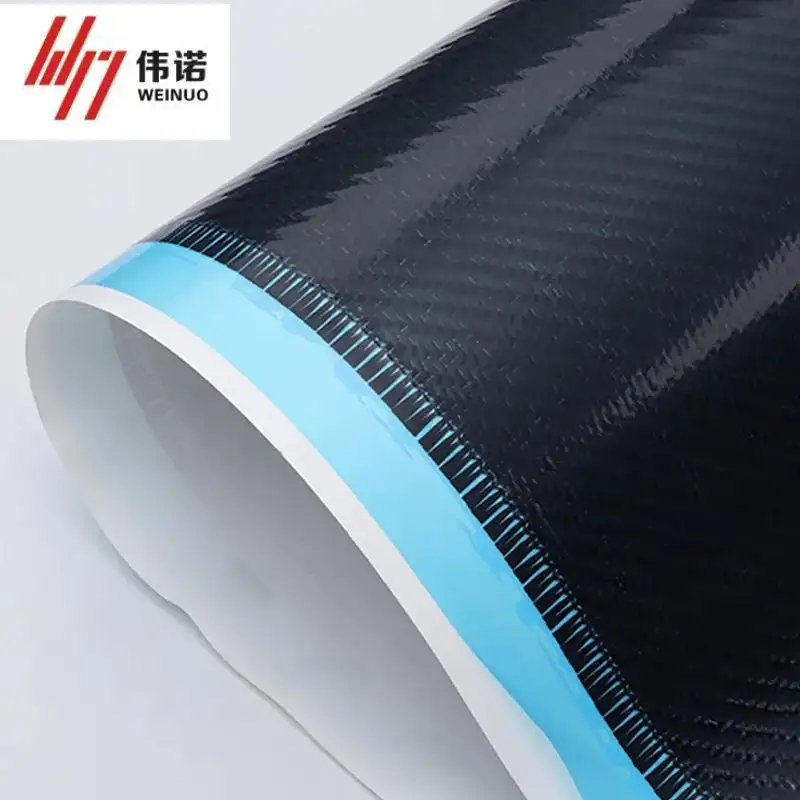
Composite manufacturing facilities worldwide consistently choose twill weave carbon fiber over other weave patterns for their production processes, and this preference stems from a combination of performance advantages, manufacturing efficiency, and aesthetic considerations. The distinctive diagonal pattern of twill weave carbon fiber creates unique properties that make it particularly well-suited for high-performance composite applications across aerospace, automotive, and industrial sectors.
The structural characteristics of twill weave carbon fiber deliver exceptional strength-to-weight ratios while maintaining excellent conformability during the manufacturing process. Unlike plain weave patterns that can exhibit crimp-induced stress concentrations, twill weave carbon fiber distributes loads more evenly across the fiber network, resulting in superior mechanical properties that composite factories require for demanding applications. This preference has become increasingly pronounced as manufacturers seek materials that combine performance reliability with processing advantages.
Superior Mechanical Properties Drive Factory Adoption
Enhanced Load Distribution Capabilities
The diagonal interlacing pattern inherent in twill weave carbon fiber creates a more balanced stress distribution compared to other weave architectures. This characteristic proves particularly valuable in composite manufacturing where consistent mechanical properties are essential for product reliability. The twill pattern reduces the crimp angle of individual fibers, allowing them to maintain straighter paths through the weave structure and thereby preserve more of their inherent strength properties.
Composite factories benefit from this improved load distribution because it translates directly into more predictable failure modes and higher ultimate strength values in finished components. The reduced crimp in twill weave carbon fiber allows manufacturers to achieve target performance specifications with greater consistency, reducing material waste and improving production yield rates.
Superior Fatigue Resistance Performance
The structural stability of twill weave carbon fiber under cyclic loading conditions makes it particularly attractive for composite applications subjected to repeated stress cycles. The weave pattern's inherent ability to redistribute local stress concentrations helps prevent crack initiation and propagation, extending component service life significantly compared to alternatives.
Manufacturing facilities appreciate this fatigue resistance because it enables them to design components with longer service intervals and reduced maintenance requirements. The improved fatigue performance of twill weave carbon fiber allows factories to offer more competitive warranties on their composite products while maintaining confidence in long-term reliability.
Optimized Fiber Volume Fraction Achievement
The weave geometry of twill weave carbon fiber facilitates higher fiber volume fractions during composite processing compared to tighter weave patterns. This advantage stems from the reduced crimp and improved nesting characteristics that allow better fiber packing density within the resin matrix system.
Higher fiber volume fractions directly correlate with improved mechanical properties, making twill weave carbon fiber an economically attractive option for composite factories seeking to maximize performance per unit weight. This efficiency translates into material cost savings and enables manufacturers to meet increasingly stringent performance requirements in aerospace and automotive applications.
Manufacturing Process Advantages
Enhanced Conformability and Drapability
The diagonal fiber orientation in twill weave carbon fiber provides superior conformability when forming complex geometric shapes, a critical consideration for composite manufacturing operations. The weave structure allows controlled fabric deformation without fiber buckling or wrinkling, enabling successful molding of intricate component geometries that would be challenging with stiffer weave patterns.
Composite factories particularly value this conformability advantage when producing curved or contoured parts, as it reduces the need for multiple fabric pieces and complex layup schedules. The improved drapability of twill weave carbon fiber minimizes manufacturing defects such as bridging and air entrapment, leading to higher quality finished products with reduced rejection rates.
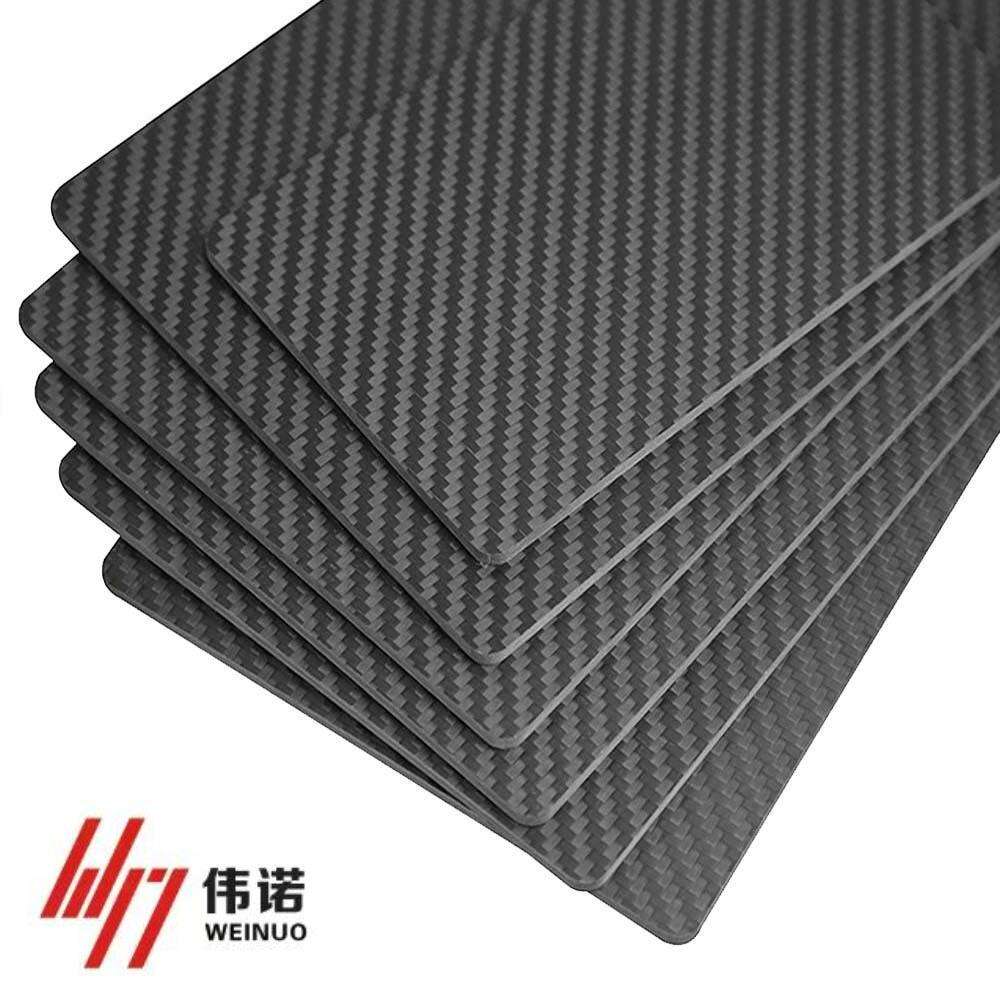
Reduced Processing Time Requirements
The handling characteristics of twill weave carbon fiber contribute significantly to reduced processing times in composite manufacturing environments. The fabric's stability during cutting, positioning, and lamination operations allows technicians to work more efficiently while maintaining precision in fiber placement and orientation control.
Factory productivity improvements result from the reduced need for extensive fabric preparation and the decreased likelihood of handling-related damage during processing. The dimensional stability of twill weave carbon fiber under typical manufacturing conditions enables automated processing equipment to operate more reliably, further enhancing production efficiency.
Improved Resin Infusion Characteristics
The permeability characteristics of twill weave carbon fiber facilitate more efficient resin infusion processes, whether using vacuum-assisted resin transfer molding or other liquid composite molding techniques. The weave architecture creates controlled flow channels that promote uniform resin distribution while minimizing the risk of dry spots or incomplete wet-out.
Manufacturing facilities benefit from improved infusion characteristics through reduced cycle times and more consistent part quality. The predictable flow behavior of twill weave carbon fiber allows process engineers to optimize infusion parameters more effectively, resulting in lower void content and improved mechanical properties in finished components.
Aesthetic and Surface Quality Benefits
Distinctive Visual Appeal
The characteristic diagonal pattern of twill weave carbon fiber creates an immediately recognizable and aesthetically pleasing surface texture that has become synonymous with high-performance composite materials. This visual signature provides significant marketing value for composite manufacturers producing consumer-facing products in automotive, sporting goods, and luxury applications.
Composite factories leverage this aesthetic advantage to differentiate their products in competitive markets where visual appeal contributes significantly to perceived value. The consistent surface pattern of twill weave carbon fiber requires minimal post-processing to achieve acceptable cosmetic standards, reducing finishing costs and time-to-market for decorative applications.
Superior Surface Finish Quality
The balanced weave structure of twill weave carbon fiber produces smoother surface finishes with reduced print-through compared to plain weave alternatives. This characteristic proves particularly valuable when manufacturing visible composite components that require high-quality surface appearance without extensive finishing operations.
Manufacturing facilities appreciate the reduced surface preparation requirements associated with twill weave carbon fiber, as this translates directly into labor cost savings and improved production throughput. The inherent surface quality enables factories to achieve Class A surface standards with fewer processing steps and reduced material consumption.
Economic and Operational Considerations
Material Utilization Efficiency
The balanced properties and processing characteristics of twill weave carbon fiber enable composite factories to optimize material utilization across diverse product portfolios. The versatility of this weave pattern reduces the need to stock multiple fabric types for different applications, simplifying inventory management and reducing carrying costs.
Factory operations benefit from standardizing on twill weave carbon fiber because it minimizes setup changes and reduces the complexity of quality control procedures. The consistent performance characteristics allow manufacturers to develop standardized processing parameters that can be applied across multiple product lines, improving operational efficiency.
Supply Chain Reliability Advantages
The widespread availability and standardized production methods for twill weave carbon fiber provide composite manufacturers with enhanced supply chain security compared to specialized weave patterns. This reliability proves crucial for maintaining production schedules and meeting delivery commitments in competitive manufacturing environments.
Composite factories prioritize supply chain stability when selecting materials for high-volume production programs, making the established supply base for twill weave carbon fiber a significant competitive advantage. The mature manufacturing infrastructure for this weave pattern ensures consistent quality and availability even during periods of high market demand.
Cost-Performance Optimization
The combination of superior mechanical properties and efficient processing characteristics makes twill weave carbon fiber an economically attractive option for composite manufacturers seeking to optimize cost-performance ratios. The material's ability to deliver high performance with relatively straightforward processing requirements reduces total manufacturing costs compared to more exotic alternatives.
Factory economics favor twill weave carbon fiber because it enables competitive pricing while maintaining the performance levels required for demanding applications. The established production methods and widespread adoption create economies of scale that benefit both manufacturers and end users through improved cost effectiveness.
FAQ
What makes twill weave carbon fiber stronger than plain weave alternatives?
Twill weave carbon fiber achieves superior strength through reduced crimp angles that allow individual fibers to maintain straighter paths through the weave structure. This geometric advantage preserves more of the fiber's inherent strength properties while creating better load distribution characteristics that reduce stress concentrations and improve overall mechanical performance.
How does twill weave carbon fiber improve manufacturing efficiency?
The enhanced conformability and drapability of twill weave carbon fiber reduce processing time by enabling easier handling during layup operations and improving resin infusion characteristics. The fabric's stability during processing minimizes defects and reduces rejection rates, while its dimensional consistency enables more reliable automated processing equipment operation.
Why do automotive manufacturers specifically prefer twill weave carbon fiber?
Automotive applications benefit from twill weave carbon fiber's combination of superior fatigue resistance, aesthetic appeal, and processing efficiency. The material's ability to conform to complex automotive geometries while maintaining consistent mechanical properties makes it ideal for both structural and decorative applications in high-performance vehicle manufacturing.
Can twill weave carbon fiber replace other weave patterns in existing production lines?
Twill weave carbon fiber can typically replace other weave patterns in existing production lines with minimal process modifications due to its excellent processing characteristics and versatility. However, manufacturers should validate mechanical property requirements and conduct process optimization studies to ensure optimal performance in specific applications before making complete transitions.
Table of Contents
- Superior Mechanical Properties Drive Factory Adoption
- Manufacturing Process Advantages
- Aesthetic and Surface Quality Benefits
- Economic and Operational Considerations
-
FAQ
- What makes twill weave carbon fiber stronger than plain weave alternatives?
- How does twill weave carbon fiber improve manufacturing efficiency?
- Why do automotive manufacturers specifically prefer twill weave carbon fiber?
- Can twill weave carbon fiber replace other weave patterns in existing production lines?