
 EN
EN

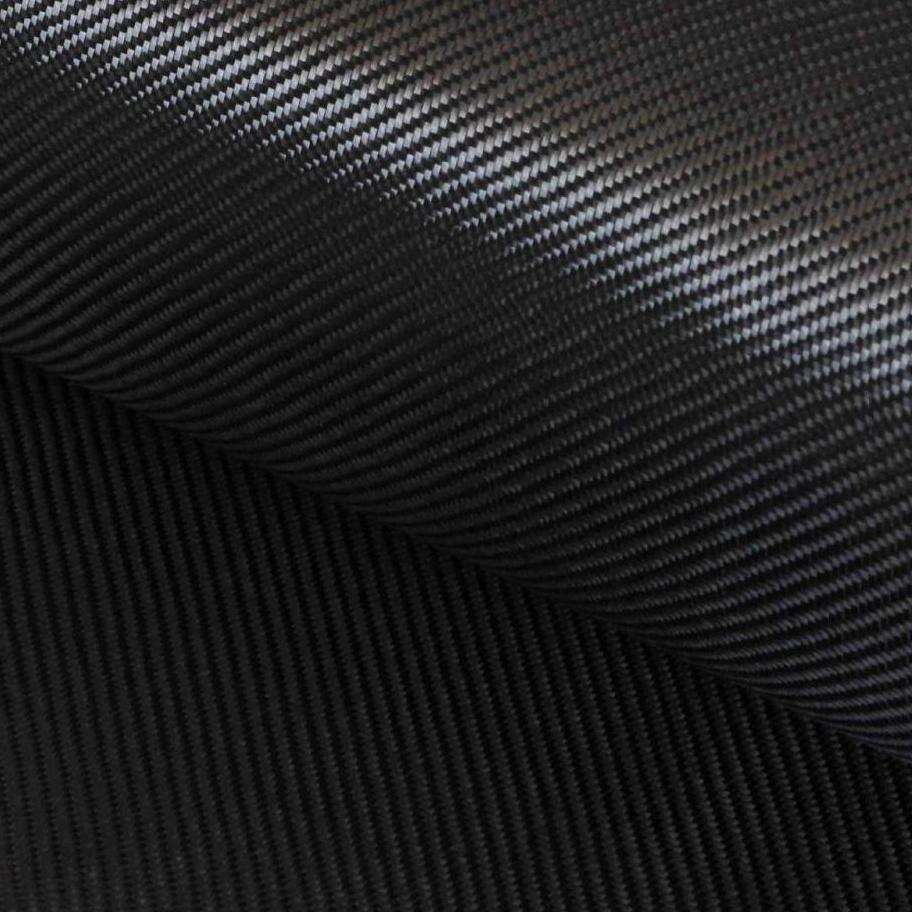
Manufacturing industries worldwide are experiencing a revolutionary shift toward advanced composite materials that deliver exceptional strength-to-weight ratios and enhanced performance characteristics. Among these innovative materials, chopped carbon fiber has emerged as a game-changing solution for countless industrial applications. This versatile material combines the inherent benefits of carbon fiber reinforcement with the practical advantages of shortened fiber formats, making it an ideal choice for manufacturers seeking to improve product performance while maintaining cost-effectiveness.
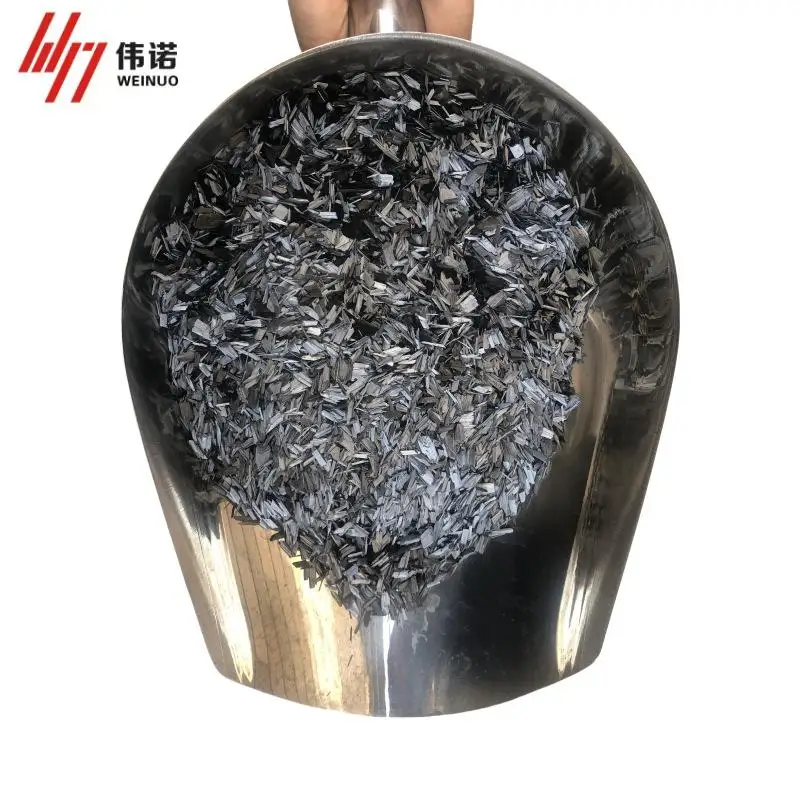
The adoption of chopped carbon fiber in industrial settings represents a strategic investment in material science that addresses multiple manufacturing challenges simultaneously. From aerospace components to automotive parts, this material offers engineers and designers unprecedented flexibility in creating lightweight yet durable products. Understanding the key advantages of incorporating chopped carbon fiber into industrial applications becomes essential for companies looking to maintain competitive edges in their respective markets.
Superior Mechanical Properties and Performance Benefits
Enhanced Strength-to-Weight Ratio Characteristics
One of the most significant advantages of chopped carbon fiber lies in its exceptional strength-to-weight ratio, which surpasses traditional materials by substantial margins. This characteristic enables manufacturers to create components that maintain structural integrity while reducing overall weight significantly. The high tensile strength of carbon fiber, combined with its lightweight nature, allows for the development of products that perform better under stress while consuming less energy during operation.
Industrial applications benefit tremendously from this property, particularly in sectors where weight reduction directly translates to improved efficiency and performance. The material's ability to maintain strength while minimizing mass makes it invaluable for creating components that must withstand heavy loads without compromising mobility or fuel efficiency. This advantage becomes particularly pronounced in applications where traditional materials would require thicker cross-sections to achieve similar strength levels.
Improved Impact Resistance and Durability
The chopped carbon fiber format provides enhanced impact resistance compared to continuous fiber arrangements, making it particularly suitable for applications involving dynamic loading conditions. The random orientation of short fibers creates a more isotropic material behavior, distributing impact forces more evenly throughout the composite structure. This characteristic reduces the likelihood of catastrophic failure and extends the operational lifespan of components significantly.
Manufacturing processes that incorporate chopped carbon fiber result in products with superior fatigue resistance, enabling them to withstand repeated stress cycles without degradation. The material's ability to absorb and dissipate energy effectively makes it an excellent choice for protective equipment, structural components, and parts subjected to vibration or shock loading. This durability advantage translates directly into reduced maintenance requirements and extended service intervals for industrial equipment.
Manufacturing Efficiency and Processing Advantages
Simplified Processing and Molding Techniques
The chopped format of carbon fiber significantly simplifies manufacturing processes compared to continuous fiber reinforcement methods. Manufacturers can utilize conventional molding techniques such as compression molding, injection molding, and resin transfer molding without the complex fiber placement requirements associated with woven or unidirectional materials. This processing advantage reduces manufacturing complexity while maintaining high-quality output standards.
Production facilities benefit from shorter cycle times and reduced labor requirements when working with chopped carbon fiber materials. The ease of handling and processing allows for higher throughput rates and more consistent quality control throughout the manufacturing process. Additionally, the material's compatibility with automated production systems enables manufacturers to scale operations efficiently while maintaining precision and reliability.
Cost-Effective Material Utilization
Implementing chopped carbon fiber in industrial applications offers significant cost advantages over alternative reinforcement materials. The material's efficient utilization rate minimizes waste during production, as the short fiber format adapts well to complex geometries without requiring extensive trimming or reshaping. This characteristic reduces raw material costs and improves overall production economics.
The versatility of chopped carbon fiber allows manufacturers to optimize material usage across multiple product lines, reducing inventory complexity and purchasing costs. The ability to achieve desired performance characteristics with smaller quantities of material compared to traditional reinforcements creates additional cost savings throughout the production cycle. These economic benefits make advanced composite technology accessible to a broader range of industrial applications and market segments.
Versatile Application Potential Across Industries
Automotive Industry Integration
The automotive sector has embraced chopped carbon fiber as a solution for meeting increasingly stringent fuel efficiency and emissions standards while maintaining safety requirements. Components manufactured with this material contribute to overall vehicle weight reduction without compromising structural integrity or crash performance. The material's excellent vibration damping properties also enhance passenger comfort and reduce noise levels in automotive applications.
Automotive manufacturers utilize chopped carbon fiber in various components including body panels, interior trim pieces, and structural reinforcements. The material's moldability allows for complex shapes and integrated designs that would be difficult or impossible to achieve with traditional materials. This flexibility enables designers to optimize aerodynamics and packaging efficiency while maintaining the aesthetic appeal demanded by modern consumers.
Aerospace and Defense Applications
Aerospace applications demand materials that can withstand extreme environmental conditions while providing reliable performance throughout extended service lives. Chopped carbon fiber meets these requirements by offering excellent temperature stability, chemical resistance, and dimensional stability under varying atmospheric conditions. The material's low thermal expansion coefficient ensures consistent performance across wide temperature ranges encountered in aerospace operations.
Defense applications benefit from the material's electromagnetic properties, which can be tailored to provide specific shielding or transparency characteristics depending on mission requirements. The combination of lightweight construction and robust performance makes chopped carbon fiber ideal for portable equipment, protective gear, and structural components in military and aerospace systems. These applications demonstrate the material's versatility in meeting specialized performance criteria while maintaining operational effectiveness.
Environmental and Sustainability Considerations
Recyclability and End-of-Life Management
Modern industrial practices increasingly emphasize environmental responsibility and sustainable manufacturing approaches. Chopped carbon fiber offers advantages in this regard through improved recyclability compared to continuous fiber composites. The shorter fiber lengths facilitate mechanical recycling processes and enable material recovery for secondary applications, reducing industrial waste and supporting circular economy principles.
Manufacturers implementing chopped carbon fiber in their products can develop more comprehensive end-of-life strategies that minimize environmental impact while recovering valuable materials. The ability to reprocess and reuse carbon fiber reinforcement reduces dependence on virgin materials and decreases the overall carbon footprint of manufacturing operations. This sustainability advantage aligns with corporate environmental goals and regulatory requirements in many industries.
Energy Efficiency Throughout Product Lifecycles
The lightweight nature of chopped carbon fiber composites contributes to energy efficiency throughout product lifecycles, from manufacturing through end-user operation. Reduced material weight translates to lower energy requirements for transportation, installation, and operation of equipment and components. This efficiency advantage becomes particularly significant in applications where energy consumption directly impacts operational costs or environmental performance.
Industrial equipment incorporating chopped carbon fiber typically demonstrates improved energy efficiency due to reduced inertial loads and enhanced performance characteristics. The material's durability also extends product lifecycles, reducing the frequency of replacement and associated environmental impacts. These factors combine to create substantial environmental benefits that support sustainability initiatives across various industrial sectors.
FAQ
How does chopped carbon fiber compare to continuous carbon fiber in terms of performance?
Chopped carbon fiber provides more isotropic properties compared to continuous fiber, meaning it offers more uniform strength in all directions. While continuous fiber may have higher strength in specific orientations, chopped carbon fiber delivers more predictable performance across complex geometries and provides better impact resistance due to its random fiber orientation.
What are the typical length specifications for chopped carbon fiber used in industrial applications?
Industrial chopped carbon fiber typically ranges from 3mm to 25mm in length, with 6mm, 12mm, and 24mm being common specifications. The optimal length depends on the specific application requirements, processing method, and desired mechanical properties. Shorter lengths work better for injection molding, while longer lengths may be preferred for hand lay-up processes.
Can chopped carbon fiber be combined with other reinforcement materials?
Yes, chopped carbon fiber can be effectively combined with glass fiber, aramid fiber, or natural fiber reinforcements to create hybrid composites. These combinations allow engineers to optimize performance characteristics while managing costs and achieving specific property targets for different applications.
What processing temperatures are required when working with chopped carbon fiber composites?
Processing temperatures vary depending on the matrix material used with chopped carbon fiber. Thermoplastic matrices typically require temperatures between 200-400°C, while thermoset resins cure at lower temperatures ranging from 80-180°C. The carbon fiber itself can withstand much higher temperatures, making it compatible with various processing methods and resin systems.
Table of Contents
- Superior Mechanical Properties and Performance Benefits
- Manufacturing Efficiency and Processing Advantages
- Versatile Application Potential Across Industries
- Environmental and Sustainability Considerations
-
FAQ
- How does chopped carbon fiber compare to continuous carbon fiber in terms of performance?
- What are the typical length specifications for chopped carbon fiber used in industrial applications?
- Can chopped carbon fiber be combined with other reinforcement materials?
- What processing temperatures are required when working with chopped carbon fiber composites?