
 EN
EN

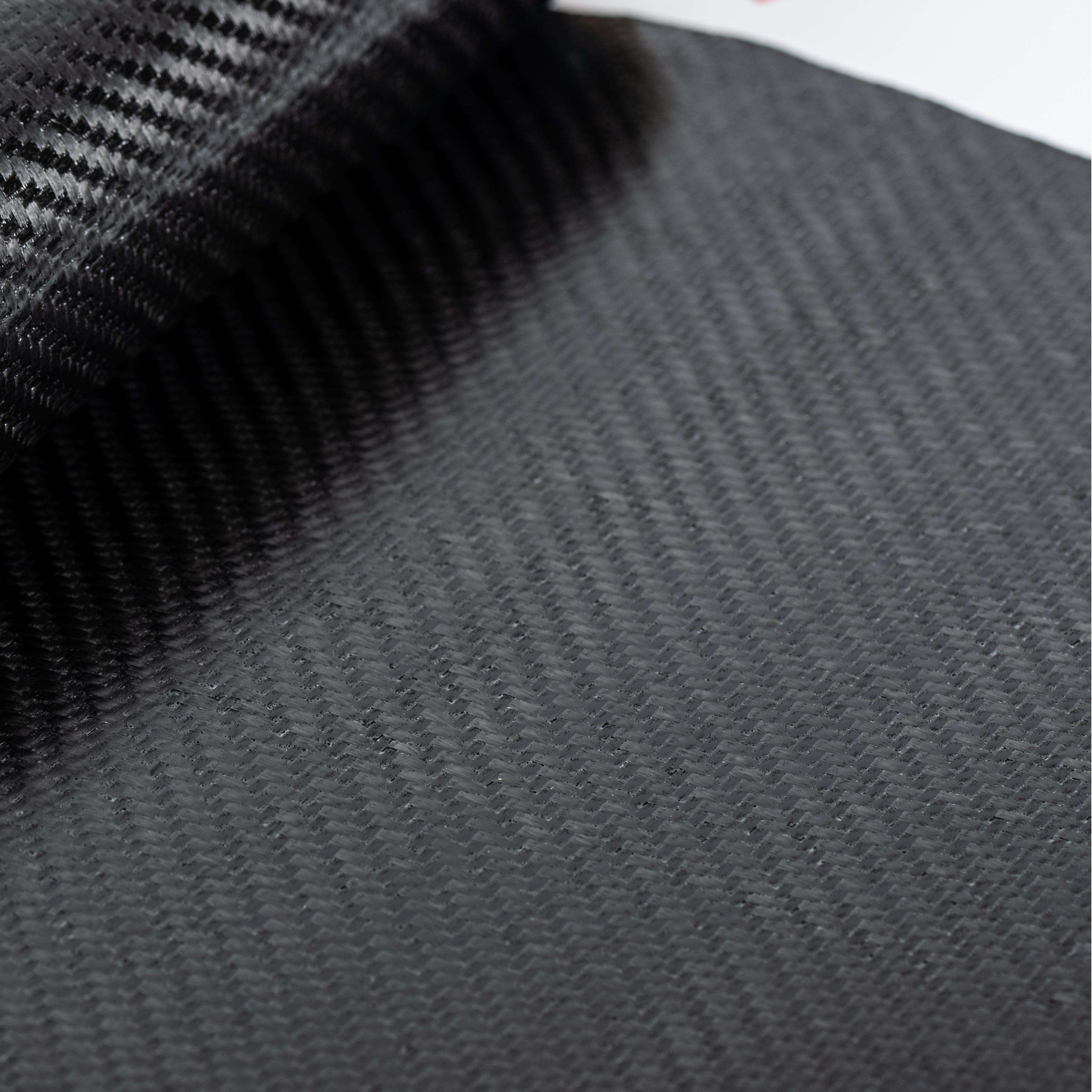
Fiberglass fabrics have revolutionized numerous industrial sectors through their exceptional strength-to-weight ratio, chemical resistance, and thermal stability. These versatile materials continue to expand their presence across manufacturing, construction, aerospace, and marine industries due to their unique combination of properties that traditional materials cannot match. Understanding the diverse applications of these innovative textiles helps businesses make informed decisions about material selection for critical projects and manufacturing processes.
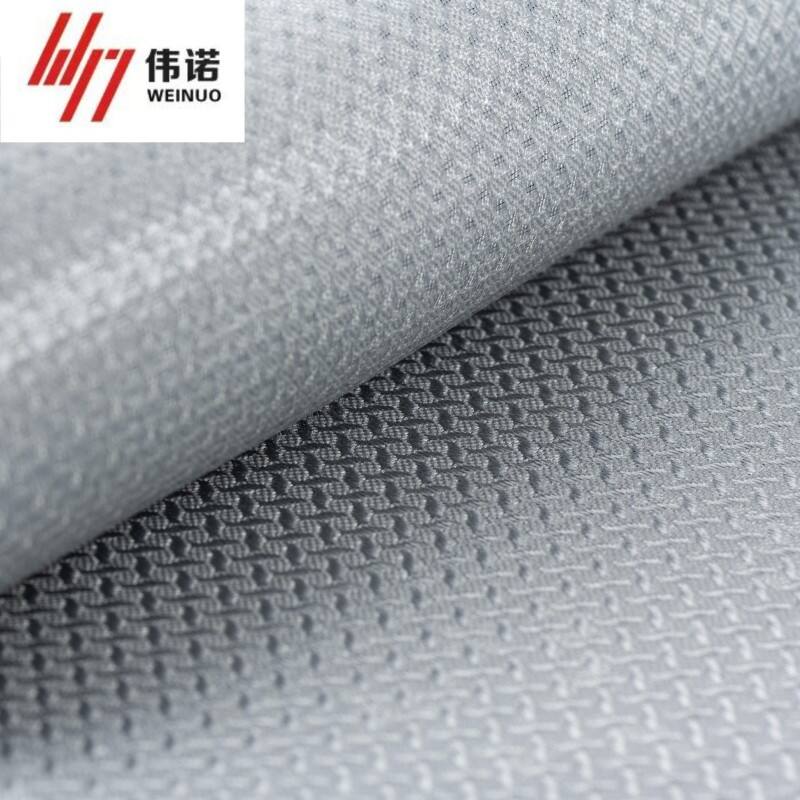
Composite Manufacturing Applications
Automotive Industry Integration
The automotive sector has embraced fiberglass fabrics as essential components in composite manufacturing for body panels, interior components, and structural reinforcements. These materials provide manufacturers with lightweight alternatives to traditional steel components while maintaining structural integrity and impact resistance. Modern vehicle designs increasingly incorporate these fabrics in door panels, dashboards, and trunk components to reduce overall vehicle weight and improve fuel efficiency.
Automotive engineers particularly value the moldability of fiberglass fabrics, which allows for complex geometric shapes that would be difficult or impossible to achieve with metal components. The material's resistance to corrosion eliminates the need for extensive rust-proofing treatments, reducing manufacturing costs and improving long-term durability. Additionally, the thermal properties of these fabrics help maintain dimensional stability across wide temperature ranges encountered in automotive applications.
Aerospace Component Development
Aerospace applications demand materials that can withstand extreme conditions while maintaining minimal weight, making fiberglass fabrics ideal for aircraft interior panels, radomes, and secondary structural components. The aviation industry relies on these materials for their predictable performance characteristics and compliance with stringent fire safety regulations. Aircraft manufacturers utilize specialized grades of these fabrics in cabin interiors, cargo compartments, and equipment housings.
The electromagnetic transparency of certain fiberglass fabrics makes them particularly valuable in radome construction, where radio frequency signals must pass through without distortion. Aerospace engineers also appreciate the material's ability to maintain mechanical properties at high altitudes where temperature fluctuations and reduced atmospheric pressure can compromise other materials. These characteristics have made fiberglass fabrics standard components in both commercial and military aircraft applications.
Construction and Infrastructure Uses
Building Reinforcement Systems
Construction professionals increasingly rely on fiberglass fabrics for structural reinforcement applications, particularly in concrete repair and strengthening projects. These materials provide superior tensile strength compared to traditional reinforcement methods while offering easier installation and reduced labor requirements. The non-corrosive nature of fiberglass fabrics eliminates concerns about rust-related deterioration that affects steel reinforcement systems over time.
Modern construction projects utilize these fabrics in bridge deck overlays, building facade reinforcements, and seismic retrofitting applications. The flexibility of fiberglass fabrics allows them to conform to irregular surfaces and complex geometries, making them ideal for restoration projects where traditional reinforcement methods would be impractical. Their resistance to alkaline environments makes them particularly suitable for concrete applications where pH levels would rapidly degrade other reinforcement materials.
Roofing and Weatherproofing Solutions
Roofing contractors have discovered the exceptional durability of fiberglass fabrics in membrane systems and waterproofing applications. These materials provide long-lasting protection against weather elements while maintaining flexibility to accommodate structural movement and thermal expansion. The UV resistance of properly formulated fiberglass fabrics ensures consistent performance even under prolonged exposure to intense sunlight.
Commercial roofing systems increasingly incorporate these fabrics as reinforcement layers in modified bitumen membranes and single-ply roofing systems. The puncture resistance and tear strength of fiberglass fabrics help prevent damage from foot traffic, falling debris, and thermal cycling. Installation crews appreciate the material's handling characteristics, which reduce installation time while improving system reliability and warranty performance.
Marine and Offshore Applications
Boat Hull Construction
Marine manufacturers have long recognized fiberglass fabrics as fundamental materials for boat hull construction, where their combination of strength, water resistance, and formability creates ideal conditions for watercraft production. These materials allow boat builders to create complex hull shapes that optimize hydrodynamic performance while maintaining structural integrity under demanding marine conditions. The corrosion resistance of fiberglass fabrics eliminates many maintenance issues associated with metal hulls in saltwater environments.
Modern yacht and commercial vessel construction relies heavily on advanced fiberglass fabric layups that provide specific strength characteristics in different hull sections. Designers can optimize fabric orientation and density to create vessels that perform efficiently while meeting safety and regulatory requirements. The repairability of fiberglass fabric constructions allows for field repairs that extend vessel service life and reduce operational downtime.
Offshore Platform Components
Offshore oil and gas platforms utilize fiberglass fabrics in numerous applications where corrosion resistance and structural performance are critical for operational safety and equipment longevity. These harsh marine environments demand materials that can withstand saltwater exposure, temperature extremes, and mechanical stresses without compromising structural integrity. Platform designers specify these fabrics for grating systems, equipment housings, and secondary structural components.
The non-conductive properties of fiberglass fabrics provide additional safety benefits in offshore environments where electrical hazards and explosive atmospheres require careful material selection. Maintenance teams appreciate the material's resistance to chemical exposure from drilling fluids, hydraulic oils, and cleaning solvents commonly used in offshore operations. These characteristics have made fiberglass fabrics standard specifications for many offshore platform components and safety systems.
Industrial Equipment Applications
Chemical Processing Equipment
Chemical processing facilities depend on fiberglass fabrics for equipment components that must resist aggressive chemicals while maintaining structural performance under process conditions. These materials provide excellent resistance to acids, bases, and organic solvents that would quickly degrade metal components, making them ideal for tank linings, pipe systems, and equipment housings. Process engineers value the predictable performance of these fabrics in environments where material failure could result in safety hazards or environmental contamination.
Modern chemical plants utilize specialized grades of fiberglass fabrics in scrubber systems, reaction vessels, and storage tank applications where traditional materials cannot provide adequate service life. The dimensional stability of these materials under temperature cycling helps maintain system integrity and reduces maintenance requirements. Plant operators appreciate the material's resistance to stress corrosion cracking, which eliminates a common failure mode associated with metal components in chemical service.
Filtration and Separation Systems
Industrial filtration applications have found fiberglass fabrics to be exceptional materials for high-temperature and chemically aggressive environments where traditional filter media cannot survive. These materials provide consistent pore structure and filtration efficiency while resisting degradation from process chemicals and thermal cycling. Environmental engineers specify these fabrics for air pollution control systems, water treatment facilities, and industrial process filtration where reliability is paramount.
Baghouse filtration systems in power plants and industrial facilities increasingly utilize fiberglass fabrics that can operate at temperatures exceeding 500°F while maintaining filtration efficiency and structural integrity. The material's resistance to acid gases and particulate abrasion extends filter life significantly compared to traditional organic filter media. Maintenance personnel value the cleanability and durability of these fabrics, which reduce replacement frequency and operational costs.
FAQ
What temperature ranges can fiberglass fabrics withstand in industrial applications
Fiberglass fabrics can typically operate continuously at temperatures ranging from -100°F to 1000°F depending on the specific glass formulation and surface treatments applied. Standard E-glass fabrics perform well up to 700°F, while specialized high-temperature grades can handle continuous exposure to 1000°F and intermittent exposure to even higher temperatures. These thermal properties make them suitable for applications in furnace construction, high-temperature filtration, and thermal insulation systems.
How do fiberglass fabrics compare to carbon fiber in strength applications
While carbon fiber typically offers higher tensile strength and stiffness, fiberglass fabrics provide better impact resistance and significantly lower cost for most industrial applications. Fiberglass fabrics also offer superior electrical insulation properties and better resistance to environmental degradation from UV exposure and alkaline conditions. For most industrial applications where ultimate strength is not the primary requirement, fiberglass fabrics provide an optimal balance of performance and cost-effectiveness.
What maintenance considerations apply to fiberglass fabric installations
Fiberglass fabric installations generally require minimal maintenance due to their inherent resistance to corrosion, chemicals, and environmental degradation. Regular visual inspections should check for mechanical damage, proper installation integrity, and any signs of matrix degradation in composite applications. Surface cleaning with appropriate solvents removes contaminants that might affect performance, while proper handling during maintenance prevents fiber damage that could compromise structural properties.
Are there environmental benefits to using fiberglass fabrics in industrial applications
Fiberglass fabrics offer several environmental advantages including extended service life that reduces replacement frequency, recyclability through mechanical processing, and energy efficiency benefits due to their lightweight properties in transportation applications. Their durability eliminates the need for frequent painting or coating that metal alternatives require, reducing volatile organic compound emissions. Additionally, their corrosion resistance prevents environmental contamination from rust and degradation products that affect traditional materials.
Table of Contents
- Composite Manufacturing Applications
- Construction and Infrastructure Uses
- Marine and Offshore Applications
- Industrial Equipment Applications
-
FAQ
- What temperature ranges can fiberglass fabrics withstand in industrial applications
- How do fiberglass fabrics compare to carbon fiber in strength applications
- What maintenance considerations apply to fiberglass fabric installations
- Are there environmental benefits to using fiberglass fabrics in industrial applications