
 EN
EN

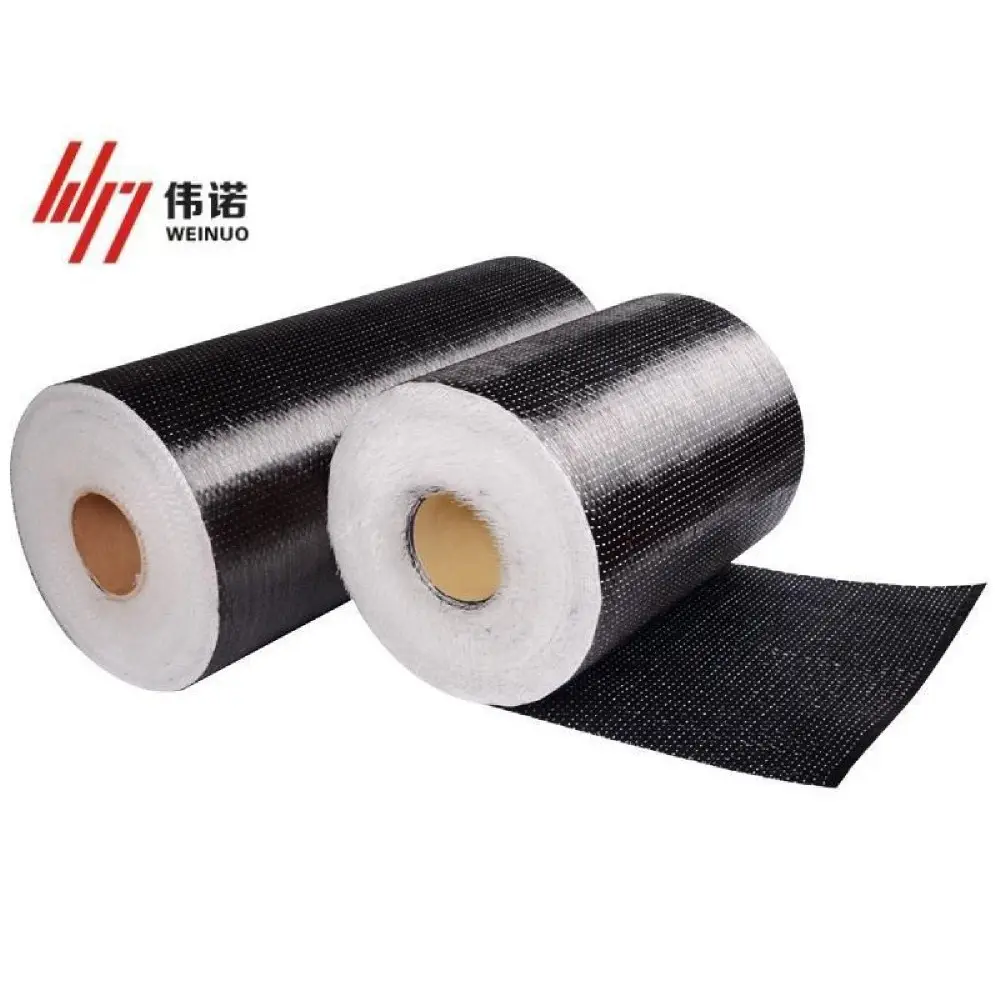
Heavy engineering projects demand materials that can withstand extreme loads, resist fatigue, and deliver consistent performance under challenging conditions. Traditional reinforcement materials often fall short when projects require exceptional strength-to-weight ratios and complex directional force management. Multiaxial carbon fiber fabric emerges as a revolutionary solution that addresses these critical engineering challenges by providing superior mechanical properties and design flexibility that conventional materials cannot match.
The unique architecture of multiaxial carbon fiber fabric allows engineers to optimize load distribution across multiple directional planes simultaneously, making it indispensable for heavy engineering applications where failure is not an option. This advanced composite material provides the structural integrity required for bridges, industrial machinery, offshore platforms, and aerospace components while significantly reducing overall system weight compared to traditional steel or aluminum alternatives.
Superior Load Distribution Capabilities
Multidirectional Fiber Architecture
The fundamental advantage of multiaxial carbon fiber fabric lies in its engineered fiber orientation system that distributes mechanical loads across multiple axes rather than relying on single-direction reinforcement. This multidirectional approach allows the material to handle complex stress patterns that heavy engineering structures commonly experience during operation.
Unlike traditional unidirectional carbon fiber, multiaxial carbon fiber fabric incorporates fibers oriented at precise angles, typically 0°, 45°, 90°, and -45° configurations. This arrangement creates a fabric structure that responds effectively to tensile, compressive, and shear forces simultaneously, providing engineers with predictable performance characteristics under diverse loading conditions.
The controlled fiber placement in multiaxial carbon fiber fabric eliminates weak points that often develop in laminated composite structures. Heavy engineering applications benefit from this uniform strength distribution, as it prevents localized failure modes that could compromise entire structural systems.
Enhanced Structural Redundancy
Heavy engineering projects require multiple safety factors and backup load paths to ensure operational reliability. Multiaxial carbon fiber fabric provides inherent structural redundancy through its interconnected fiber network, where load transfer continues even if individual fiber bundles experience damage or degradation.
This redundancy characteristic becomes critical in applications such as pressure vessels, wind turbine blades, and bridge components where catastrophic failure must be avoided at all costs. The fabric's ability to redistribute loads automatically when localized stress concentrations occur provides engineers with confidence in long-term structural performance.
The redundancy offered by multiaxial carbon fiber fabric also extends maintenance intervals and reduces lifecycle costs for heavy engineering projects. Structures can continue operating safely even when minor damage occurs, allowing for planned maintenance rather than emergency repairs.
Exceptional Strength-to-Weight Performance
Weight Reduction Benefits
Heavy engineering projects increasingly face constraints related to transportation, installation, and operational efficiency that make weight reduction a primary design consideration. Multiaxial carbon fiber fabric delivers strength properties comparable to steel while weighing approximately 75% less, enabling engineers to design larger, more capable structures without proportional weight increases.
The weight savings achieved with multiaxial carbon fiber fabric translate directly into reduced foundation requirements, simplified installation procedures, and lower transportation costs. These benefits become particularly significant in offshore engineering, where platform weight directly impacts installation vessel requirements and operational stability.
For mobile heavy engineering equipment, the weight reduction provided by multiaxial carbon fiber fabric improves fuel efficiency, increases payload capacity, and enhances overall operational performance. Construction machinery, mining equipment, and industrial robots benefit from reduced inertial loads and improved dynamic response characteristics.
Ultimate Tensile Strength Characteristics
The tensile strength of multiaxial carbon fiber fabric typically ranges from 3,500 to 5,000 MPa, significantly exceeding the capabilities of conventional engineering materials. This exceptional strength allows heavy engineering structures to carry higher loads with smaller cross-sections, optimizing material usage and reducing overall project costs.
The consistent strength properties of multiaxial carbon fiber fabric across different environmental conditions provide engineers with reliable design parameters for extreme service environments. Temperature variations, chemical exposure, and mechanical cycling have minimal impact on the fabric's tensile performance compared to metallic alternatives.
The high strength characteristics of multiaxial carbon fiber fabric enable engineers to design structures with higher safety factors without weight penalties. This capability proves essential for heavy engineering applications where regulatory requirements mandate conservative design approaches and extensive safety margins.
Fatigue Resistance and Durability Advantages
Cyclic Loading Performance
Heavy engineering structures frequently experience repetitive loading cycles that can lead to fatigue failure in conventional materials over time. Multiaxial carbon fiber fabric demonstrates superior fatigue resistance due to its fiber-dominated failure mechanisms and absence of grain boundaries that typically initiate crack propagation in metals.
The fatigue life of structures reinforced with multiaxial carbon fiber fabric often exceeds that of steel equivalents by factors of 10 to 100, depending on loading conditions and environmental factors. This extended fatigue life translates into longer service intervals and reduced maintenance requirements for heavy engineering applications.
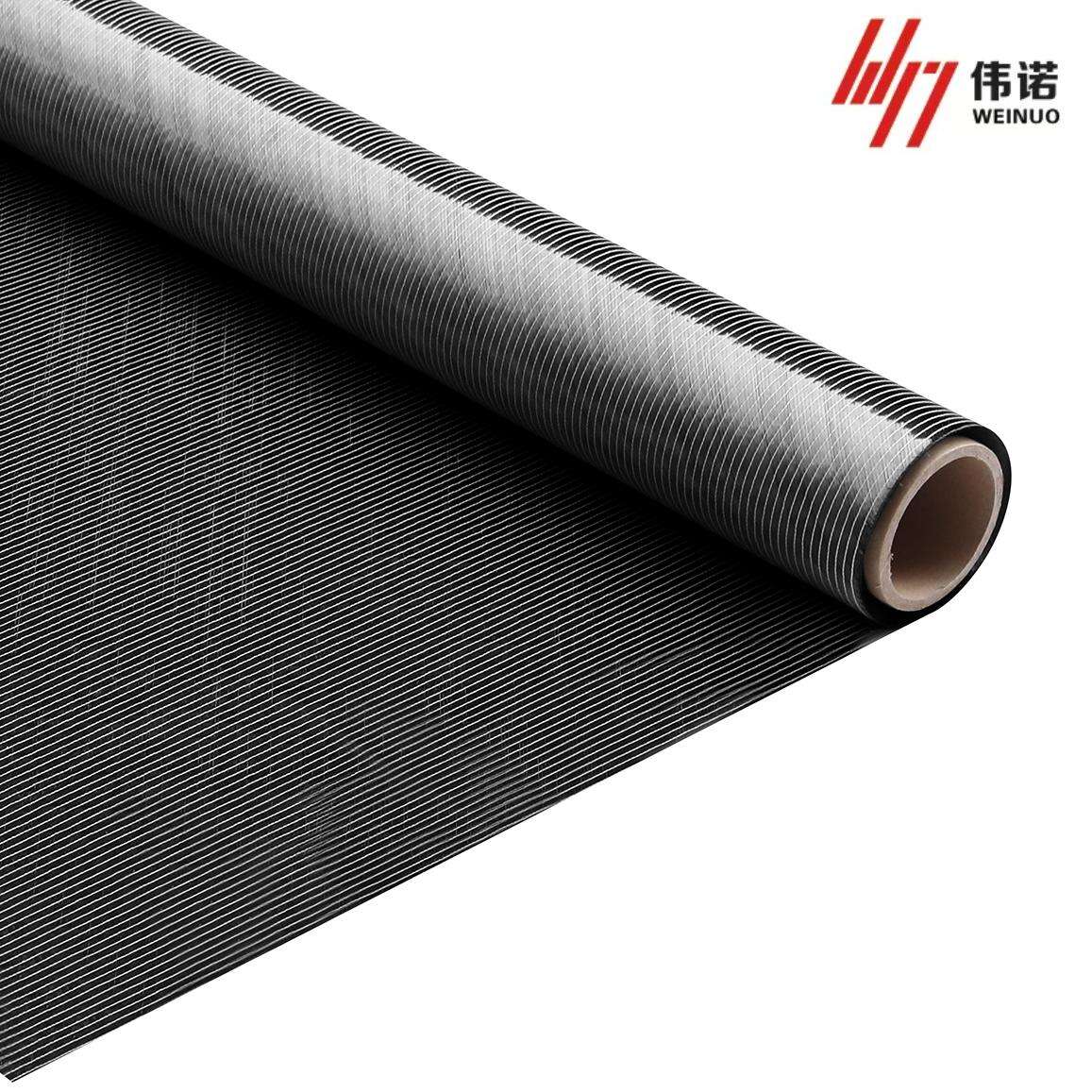
Dynamic loading conditions common in heavy engineering, such as wind-induced vibrations, machinery operation, and seismic events, create stress patterns that multiaxial carbon fiber fabric handles effectively without developing progressive damage that compromises structural integrity.
Environmental Resistance Properties
The chemical inertness of carbon fibers in multiaxial carbon fiber fabric provides excellent resistance to corrosion, chemical attack, and environmental degradation that frequently affect heavy engineering structures. Unlike steel reinforcement that requires extensive protection systems, carbon fiber maintains its properties when exposed to aggressive industrial environments.
Marine and offshore heavy engineering applications benefit significantly from the corrosion resistance of multiaxial carbon fiber fabric. Salt water exposure, which rapidly degrades conventional materials, has no effect on carbon fiber properties, eliminating the need for costly protective coatings and cathodic protection systems.
The thermal stability of multiaxial carbon fiber fabric allows heavy engineering structures to operate effectively across wide temperature ranges without experiencing thermal stress problems common in mixed-material systems. This stability proves essential for applications involving thermal cycling or extreme operating temperatures.
Design Flexibility and Manufacturing Efficiency
Tailored Mechanical Properties
Engineers working on heavy engineering projects can optimize the mechanical properties of multiaxial carbon fiber fabric by adjusting fiber orientations, layer sequences, and local reinforcement patterns to match specific loading requirements. This tailoring capability allows for highly efficient material utilization and optimized structural performance.
The ability to vary fiber orientations within multiaxial carbon fiber fabric enables engineers to create structures with anisotropic properties that align with principal stress directions. This approach maximizes material efficiency and creates structures that perform better than isotropic alternatives while using less material.
Complex geometry requirements common in heavy engineering can be accommodated through the conformability of multiaxial carbon fiber fabric during manufacturing processes. The fabric can be shaped to fit curved surfaces, corners, and transitions without creating stress concentrations or weak points in the final structure.
Manufacturing Process Advantages
The manufacturing processes used with multiaxial carbon fiber fabric, such as resin transfer molding and vacuum-assisted resin infusion, enable the production of large, complex components in single operations. This capability reduces joint requirements and eliminates potential failure points associated with mechanical connections.
Heavy engineering components manufactured using multiaxial carbon fiber fabric can achieve consistent quality and dimensional accuracy that exceeds traditional fabrication methods. The controlled fiber placement and resin distribution result in predictable mechanical properties and reduced variability in structural performance.
The relatively low-temperature processing requirements for multiaxial carbon fiber fabric manufacturing reduce energy costs and enable the use of less expensive tooling compared to metal forming processes. These manufacturing advantages translate into cost-effective production for heavy engineering applications.
Economic and Lifecycle Benefits
Total Cost of Ownership Advantages
While the initial material cost of multiaxial carbon fiber fabric may exceed traditional alternatives, the total lifecycle costs often favor carbon fiber solutions due to reduced maintenance, extended service life, and improved operational efficiency. Heavy engineering projects benefit from lower total cost of ownership when all factors are considered.
The durability characteristics of multiaxial carbon fiber fabric eliminate many recurring maintenance activities required for conventional materials. Painting, corrosion protection, and structural repairs become unnecessary or significantly reduced, lowering operational costs throughout the structure's service life.
Insurance and risk mitigation costs for heavy engineering projects often decrease when multiaxial carbon fiber fabric is utilized due to improved reliability and reduced failure probability. The predictable performance characteristics and extensive safety margins provided by carbon fiber reinforcement reduce financial exposure for project owners.
Performance-Based Value Proposition
The superior performance characteristics of multiaxial carbon fiber fabric enable heavy engineering structures to operate more efficiently, carry higher loads, and perform functions that would be impossible with conventional materials. This enhanced capability creates value that extends beyond simple material substitution.
Heavy engineering applications utilizing multiaxial carbon fiber fabric can achieve improved operational parameters such as higher speeds, greater precision, increased capacity, and enhanced efficiency. These performance improvements generate economic returns that justify the initial investment in advanced materials.
The lightweight characteristics of multiaxial carbon fiber fabric enable the design of heavy engineering structures that would be impossible to transport or install using conventional materials. This capability opens new market opportunities and enables projects in previously inaccessible locations.
FAQ
How does multiaxial carbon fiber fabric compare to steel reinforcement in heavy engineering applications?
Multiaxial carbon fiber fabric offers superior strength-to-weight ratios, excellent fatigue resistance, and complete corrosion immunity compared to steel reinforcement. While steel provides lower initial costs, carbon fiber delivers better long-term value through reduced maintenance, extended service life, and improved structural performance. The material choice depends on specific project requirements, loading conditions, and lifecycle cost considerations.
What are the primary limitations of using multiaxial carbon fiber fabric in heavy engineering?
The main limitations include higher initial material costs, specialized manufacturing requirements, and the need for trained personnel familiar with composite fabrication techniques. Additionally, repair procedures differ from conventional materials, requiring specific skills and materials. However, these limitations are often offset by the performance benefits and lifecycle advantages in appropriate applications.
Can multiaxial carbon fiber fabric be recycled at the end of its service life?
Yes, multiaxial carbon fiber fabric can be recycled through several established processes including pyrolysis, mechanical recycling, and chemical recovery methods. The recovered carbon fibers retain significant mechanical properties and can be reused in new composite applications. Recycling technologies continue to improve, making carbon fiber composites increasingly sustainable for heavy engineering applications.
What quality control measures ensure reliable performance of multiaxial carbon fiber fabric in critical applications?
Quality control for multiaxial carbon fiber fabric involves fiber testing, fabric architecture verification, resin compatibility confirmation, and mechanical property validation. Non-destructive testing methods such as ultrasonic inspection, thermography, and visual examination ensure manufacturing quality. Established standards and certification processes provide confidence in material performance for heavy engineering applications.
Table of Contents
- Superior Load Distribution Capabilities
- Exceptional Strength-to-Weight Performance
- Fatigue Resistance and Durability Advantages
- Design Flexibility and Manufacturing Efficiency
- Economic and Lifecycle Benefits
-
FAQ
- How does multiaxial carbon fiber fabric compare to steel reinforcement in heavy engineering applications?
- What are the primary limitations of using multiaxial carbon fiber fabric in heavy engineering?
- Can multiaxial carbon fiber fabric be recycled at the end of its service life?
- What quality control measures ensure reliable performance of multiaxial carbon fiber fabric in critical applications?