What new demands does the development of the low-altitude economy place on materials?
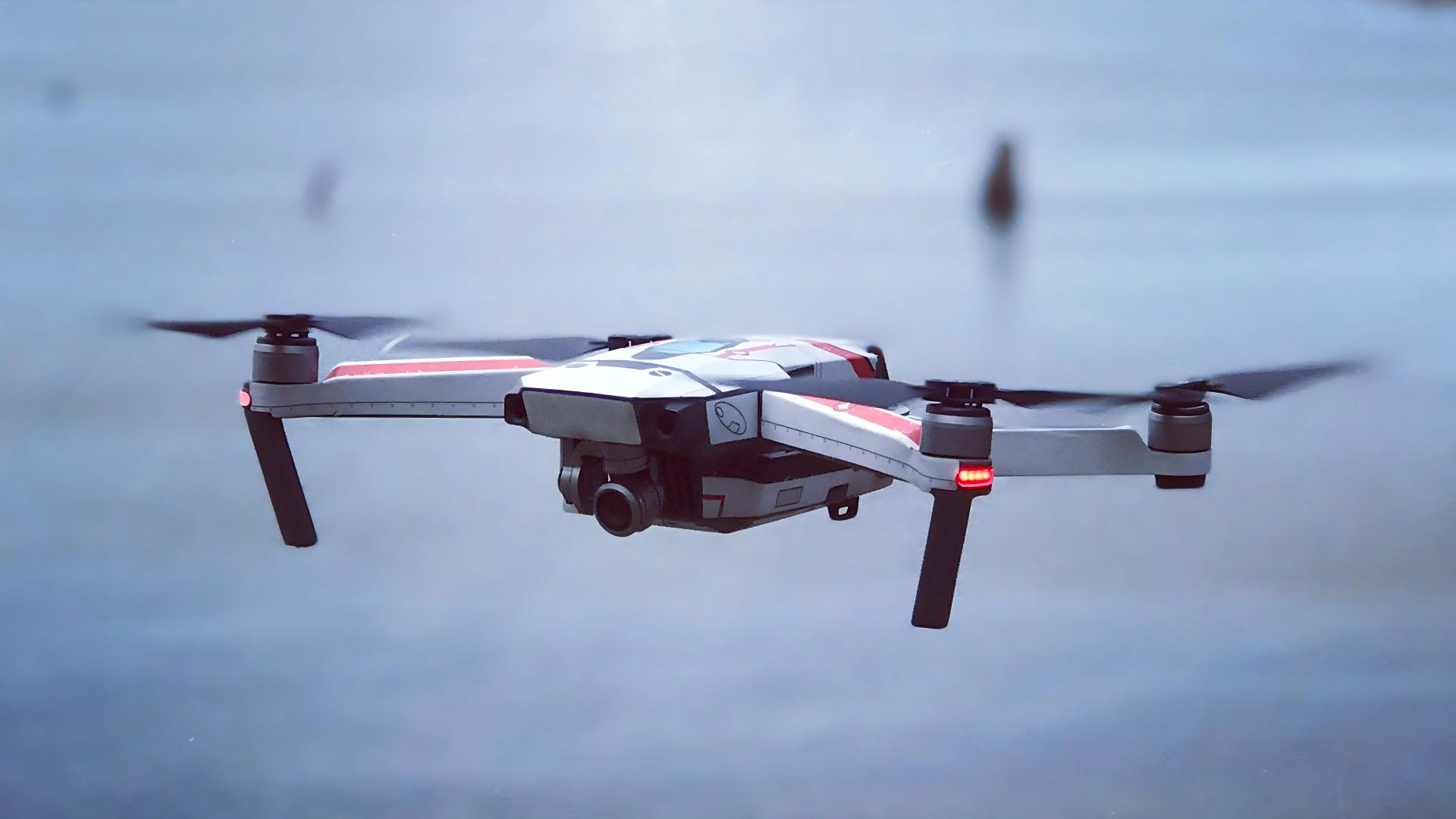
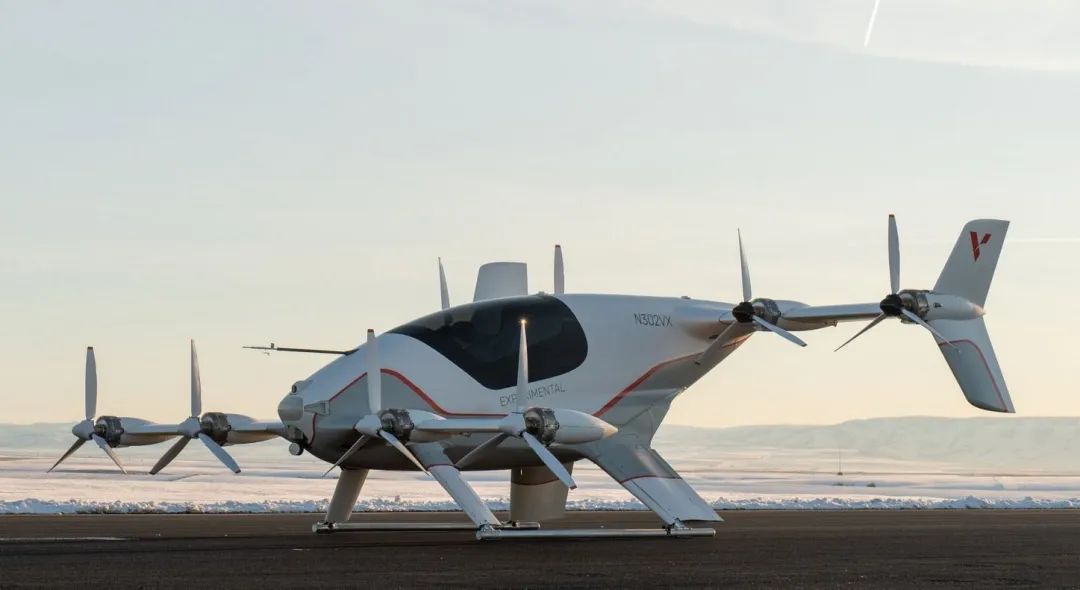
For drones and eVTOLs, ‘lightness’ does not simply mean reducing weight.
Reducing the weight of an aircraft can lower energy consumption during flight, extend flight duration and increase payload capacity. Consequently, minimising structural weight whilst ensuring structural safety and rigidity has always been a key challenge in the design of low-altitude aircraft.
At the same time, low-altitude aircraft must also cope with complex loading conditions.
The fuselage, arms, wings, propellers and connecting structures are subjected to a variety of loads during flight, including tension, compression, bending, torsion and vibration.
This means that the ideal structural material must not only possess high strength and stiffness, but should also be capable of being specifically designed to accommodate the direction of forces acting on different parts of the structure.
This is precisely where the advantages of multi-axial carbon fibre warp-knitted fabrics lie.
What is a multi-axial carbon fibre warp-knitted fabric?
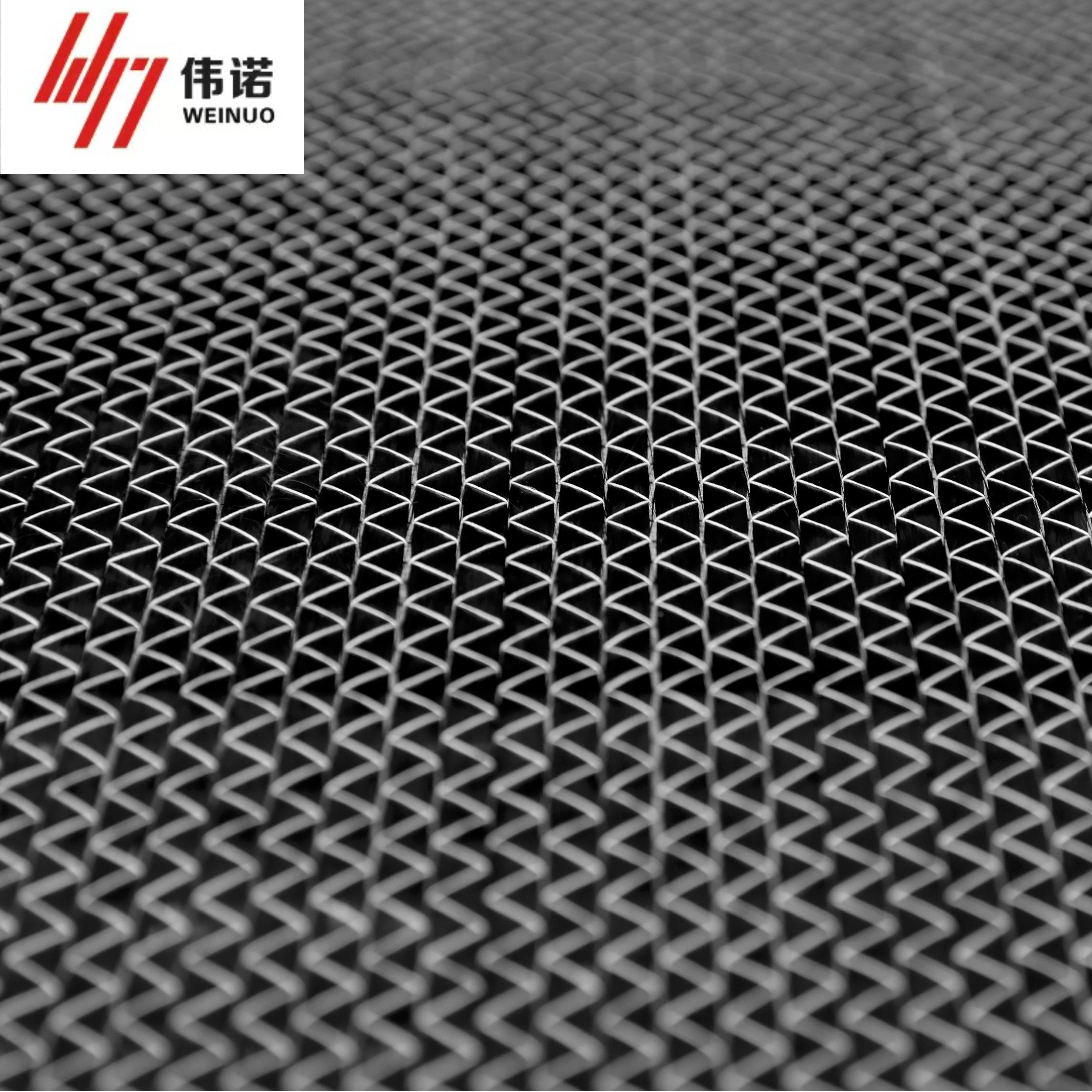
Unlike common 0°/90° carbon fibre plain and twill weaves, multi-axial warp-knitted fabrics do not simply interlace the fibres.
It allows carbon fibres to be laid out in different orientations, such as:
combinations of 0°, ±45° and 90°, amongst others.
Fibres in different orientations bear loads in different directions, and the warp-knitted yarns then secure the individual layers of fibres to form a unified whole.
This structure enables the fibre orientation of the material to better align with the actual stress conditions experienced by the product.
Put simply:
wherever a force needs to be withstood in a particular direction, more fibres can be arranged in that direction.
This also makes multi-axial warp-knitted carbon fibre fabrics particularly well-suited to the structures of aircraft and low-altitude flying vehicles, which have high requirements for both structural performance and weight.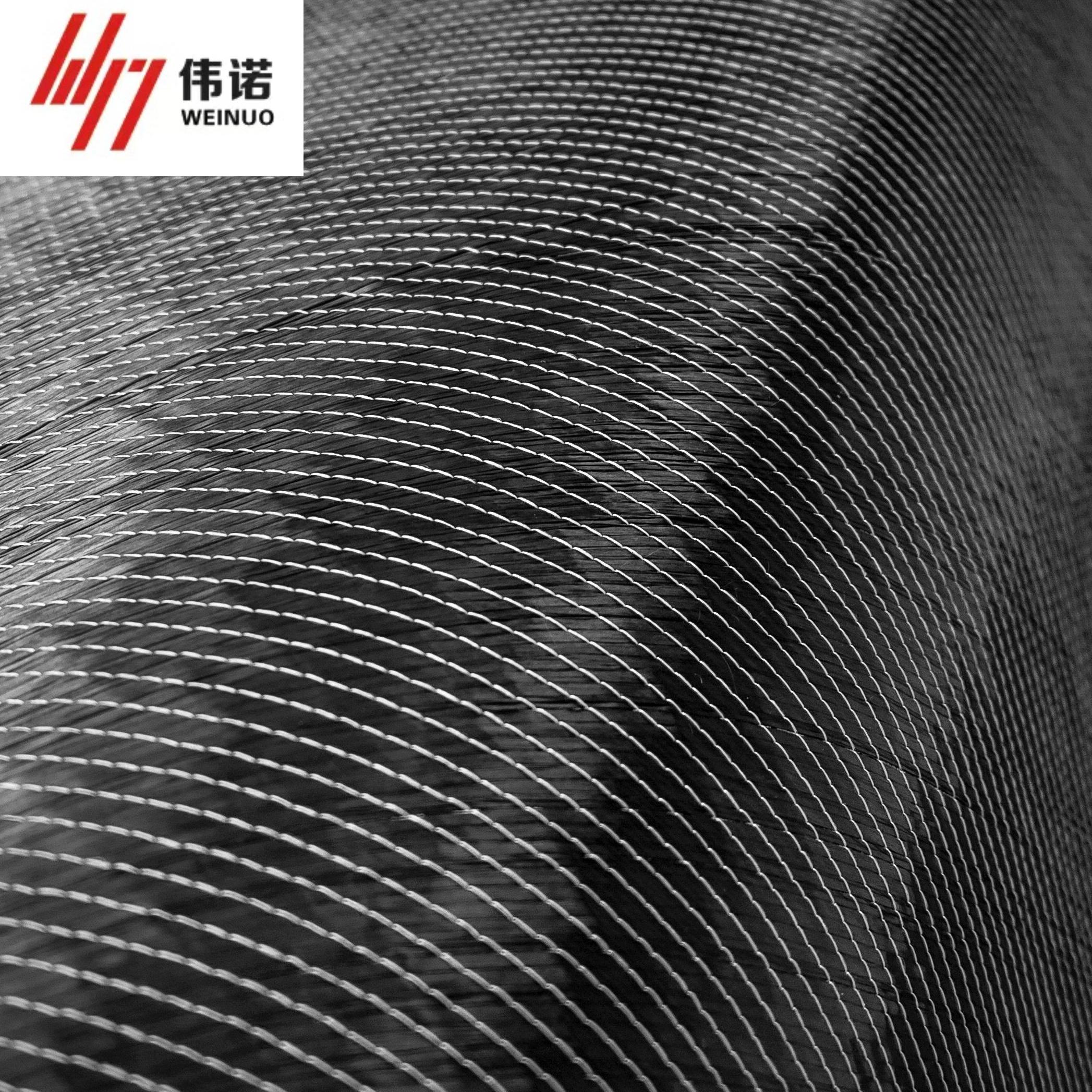
Why is it particularly well-suited to drones?
1. Multi-directional load-bearing to meet complex load requirements
Drones are not subjected to forces from a single direction only.
For example, during flight, the arms are simultaneously subjected to loads such as bending, torsion and vibration.
If only unidirectional fibre lay-ups are used, it is difficult to accommodate the mechanical requirements in different directions.
In contrast, multi-axial structures allow for a more rational mechanical design through the combination of fibres oriented at different angles, such as 0°, ±45° and 90°.
Specifically:
0° fibres primarily bear longitudinal tensile and compressive loads;
±45° fibres enhance the structure’s resistance to shear and torsional loads;
whilst 90° fibres help improve lateral stability.
By combining fibres at different angles, a more rational structural load-bearing design can be achieved.
2. Outstanding advantages in weight reduction
For aircraft, even a slight reduction in structural weight can yield tangible performance benefits.
Carbon fibre inherently possesses high specific strength and specific stiffness, offering significant advantages in achieving structural lightweighting.
Furthermore, multi-axial warp-knitted fabrics allow the fibre orientation to be designed according to the product’s load characteristics, thereby reducing unnecessary material layering whilst meeting structural performance requirements.
Consequently, this approach is not merely a matter of ‘replacing heavier materials with lighter ones’, but rather a method of achieving structural lightweighting through the optimisation of fibre orientation.
Why is multi-directional warp-knitted fabric attracting more attention than traditional fabrics?
In addition to their mechanical properties, multi-axial warp-knitted fabrics offer another significant advantage: lay-up efficiency.
In traditional composite manufacturing processes, fibres oriented in different directions often need to be cut and laid separately, before being stacked in multiple layers according to design requirements.
Multi-axial warp-knitted fabrics, however, allow fibres oriented in multiple directions to be combined into a single, integrated material in advance. This means that, in certain structures, the number of lay-up steps can be reduced, thereby improving the efficiency of material placement.
This is particularly important for the future mass production of low-altitude aircraft.
This is because, as drones transition from ‘small-scale customisation’ to ‘mass production’, materials must not only meet performance requirements but also take into account:
production efficiency, material utilisation, process stability and manufacturing costs.
Consequently, the value of multi-axial warp-knitted fabrics lies not only in their ‘material performance’ but also in their ‘manufacturing efficiency’.
Where else might carbon fibre multi-axial warp-knitted fabrics be used in the future?
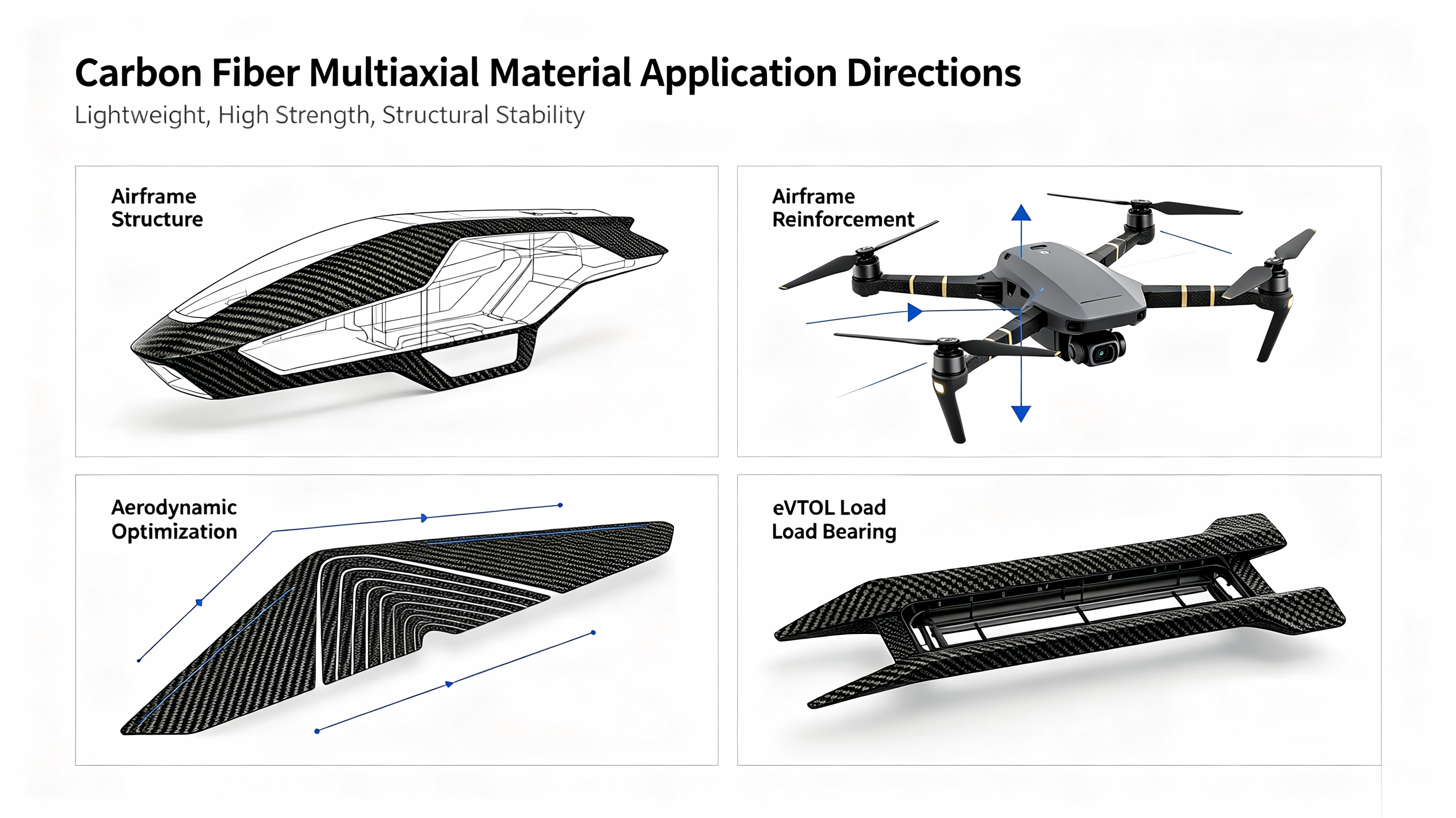
As the low-altitude economy continues to develop, the application of multi-axial carbon fibre materials is not limited to individual components.
Areas to watch in the future include:
1. UAV fuselage structures
Used in fuselage shells, load-bearing structures and other components to achieve weight reduction and structural reinforcement.
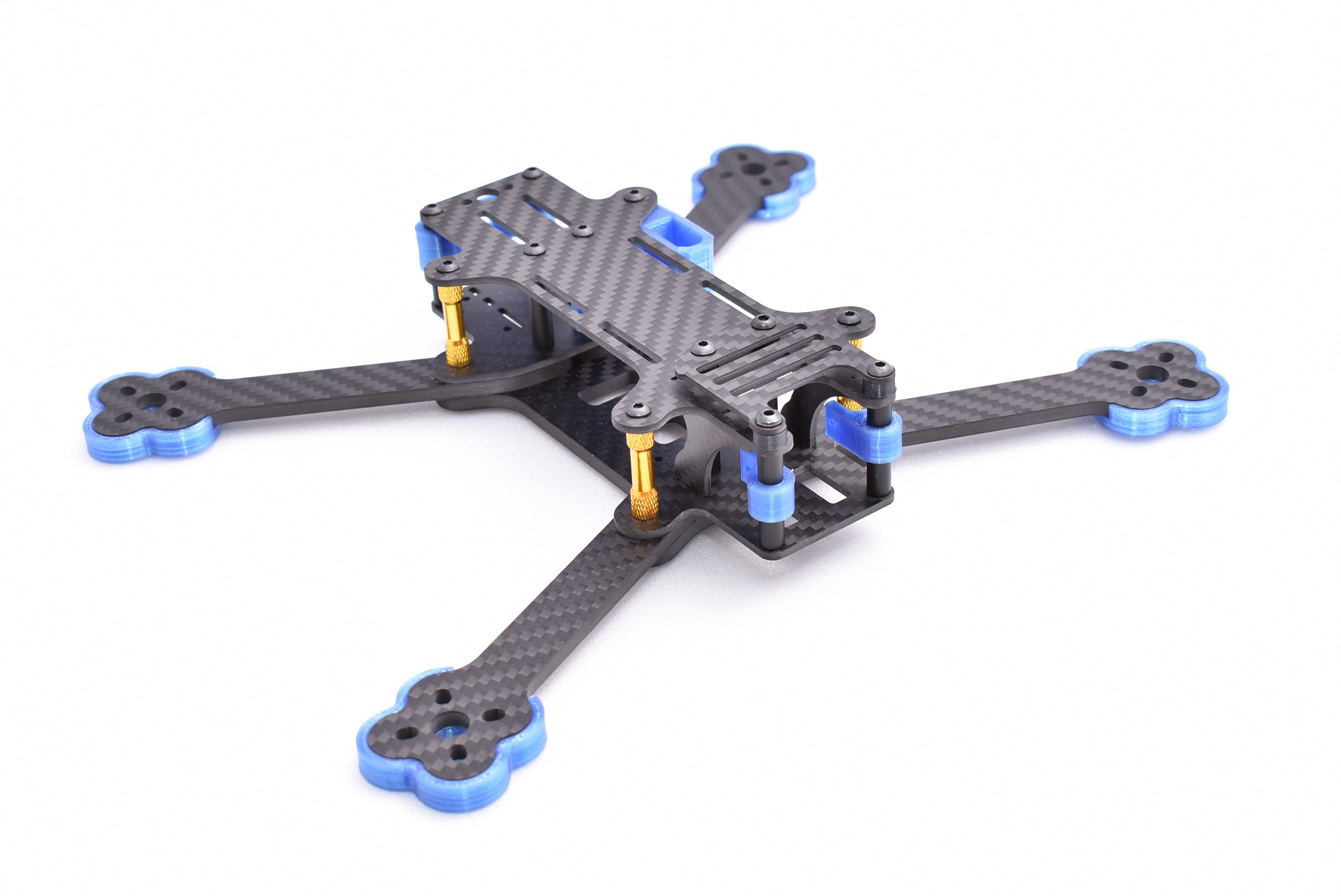
2. UAV arms
By combining fibres oriented in different directions, the bending and torsional resistance of the arms is enhanced.
3. Wings and wing structures
Fibre orientation is designed according to the load characteristics of different areas of the wing to achieve structural optimisation.
4. eVTOL fuselage and internal load-bearing structures
Meeting the comprehensive requirements of large aircraft for high strength, lightweight construction and structural stability.
5. Rotors and other composite components
Designing fibre lay-ups according to specific load directions to provide material solutions for complex composite structures.
Weinuo: Providing carbon fibre materials for low-altitude aircraft
As a supplier of carbon fibre composites, Weinuo offers a range of products including carbon fibre woven fabrics, unidirectional reinforcement fabrics, prepregs, multi-axial warp-knitted fabrics, carbon fibre panels and CNC-machined components, and possesses comprehensive processing capabilities spanning from raw materials to semi-finished products.
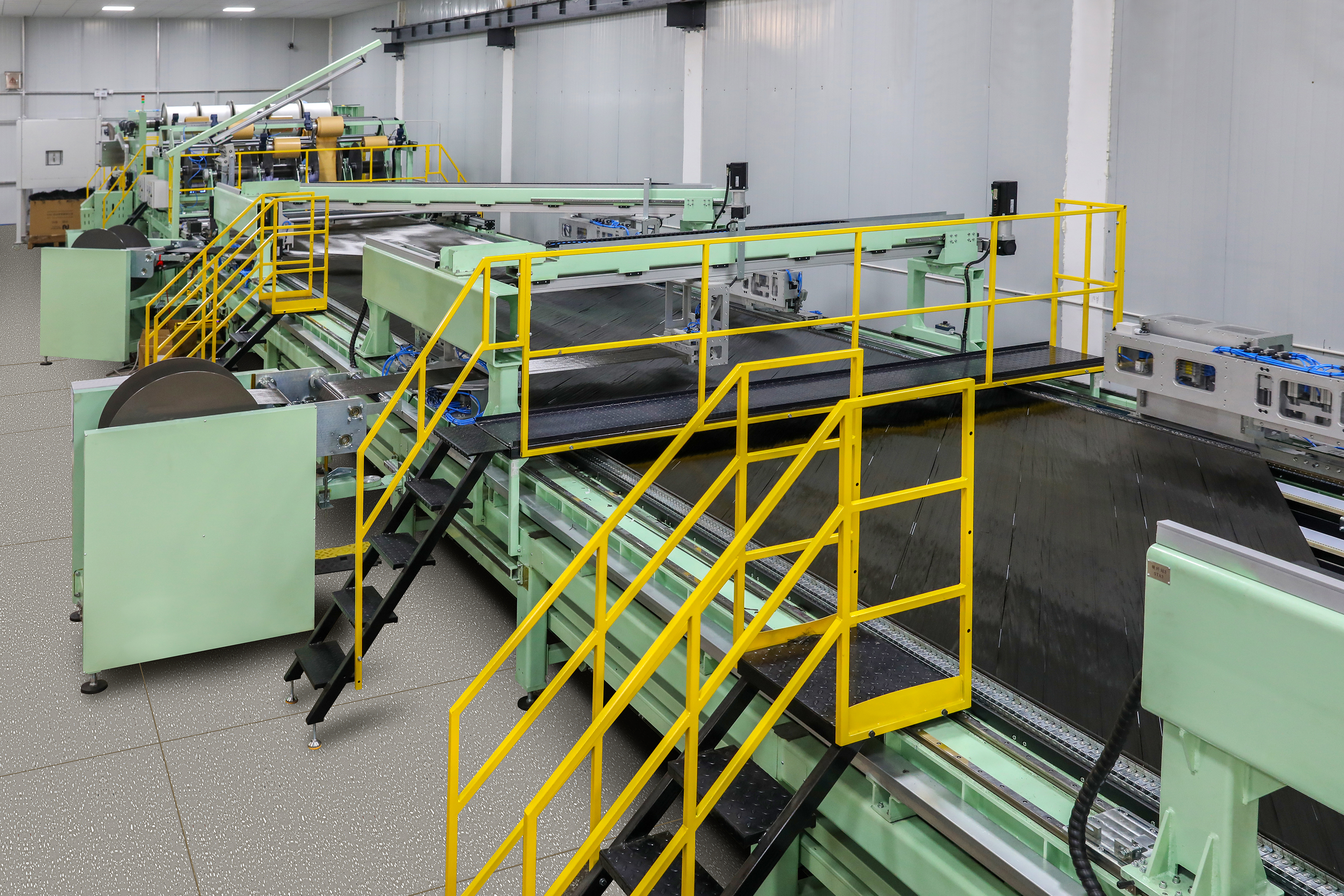
In particular, the carbon fibre multi-axial warp-knitted production line is capable of providing material solutions with varying fibre orientations and grammage combinations to meet customers’ diverse structural design requirements.
In the face of the rapidly developing low-altitude economy, material innovation is emerging as a key driver in the lightweighting of aircraft.
In the future, carbon fibre multi-axial warp-knitted fabrics may well become one of the key materials enabling more low-altitude aircraft to ‘take to the skies with a lighter load’.
Copyright © 2026 Zhangjiagang Weinuo Composites Co., Ltd. All rights reserved
 EN
EN