Triaxial Carbon Fiber Fabric: Advanced Composite Solution for High-Performance Applications

  • No.80 Changjiang Mingzhu Road, Houcheng Street, Zhangjiagang City, Jiangsu Province, China
  • +86-15995540423

Mon - Fri: 9:00 - 19:00

triaxial carbon fiber fabric

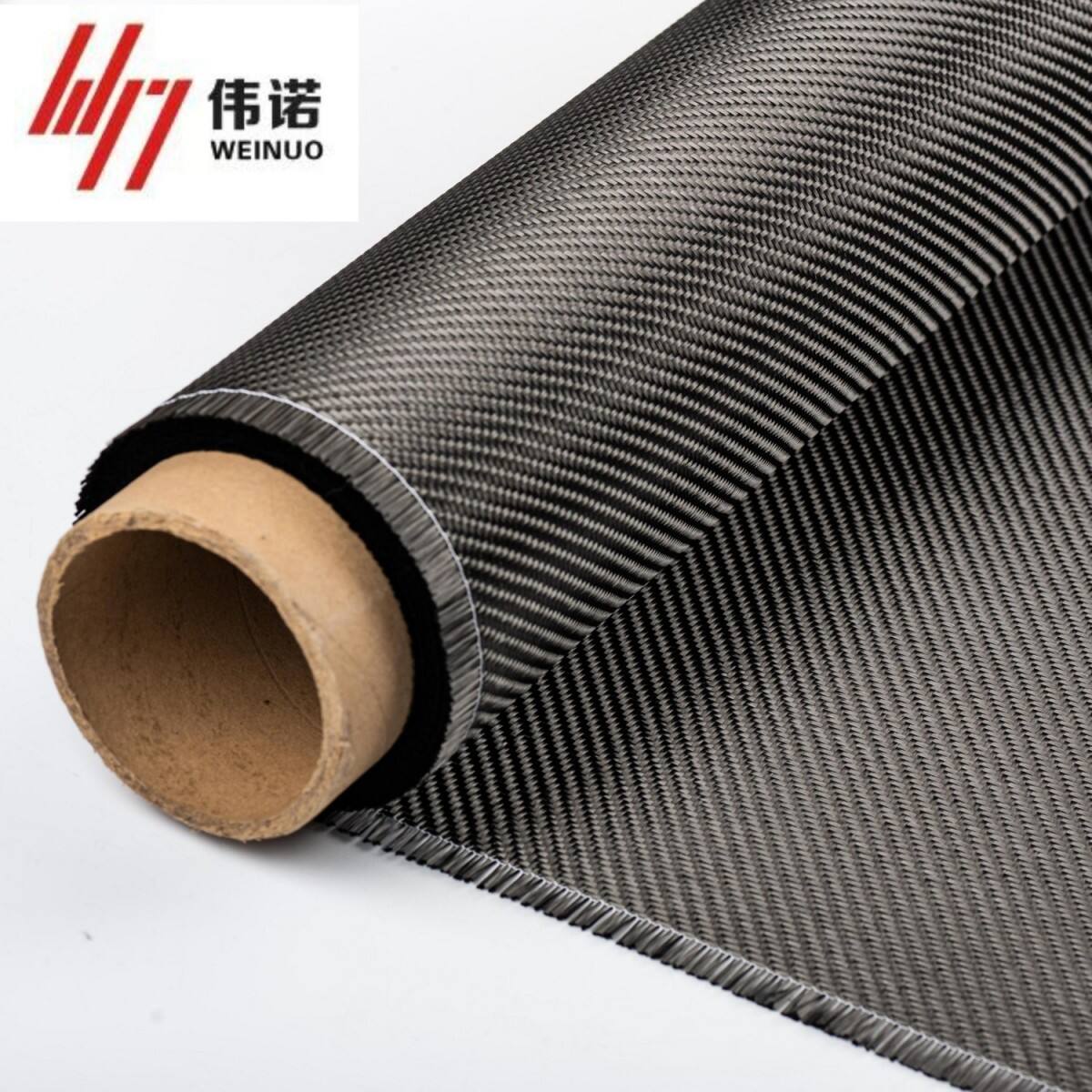
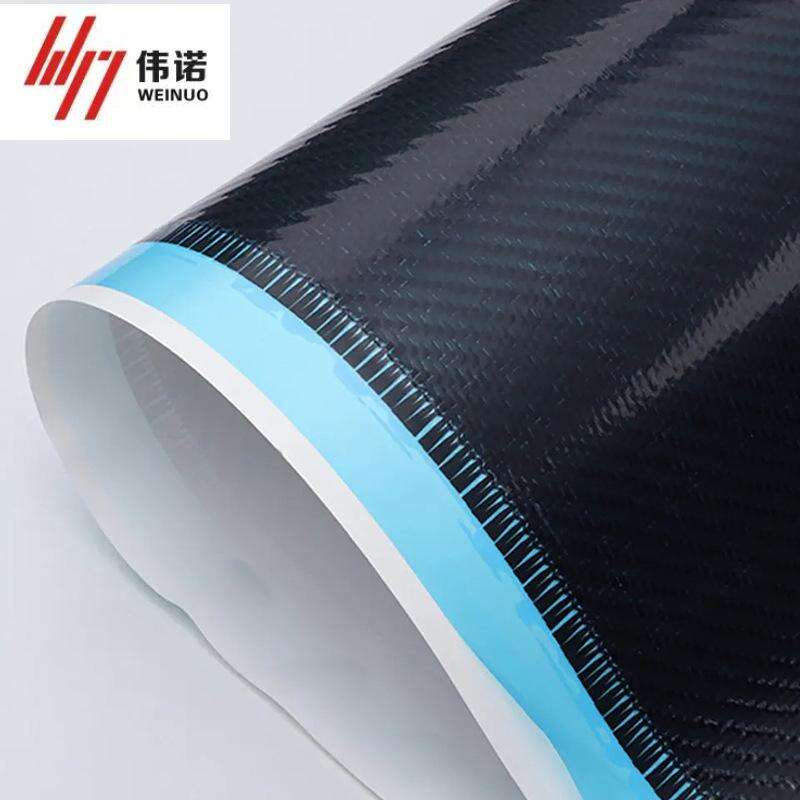
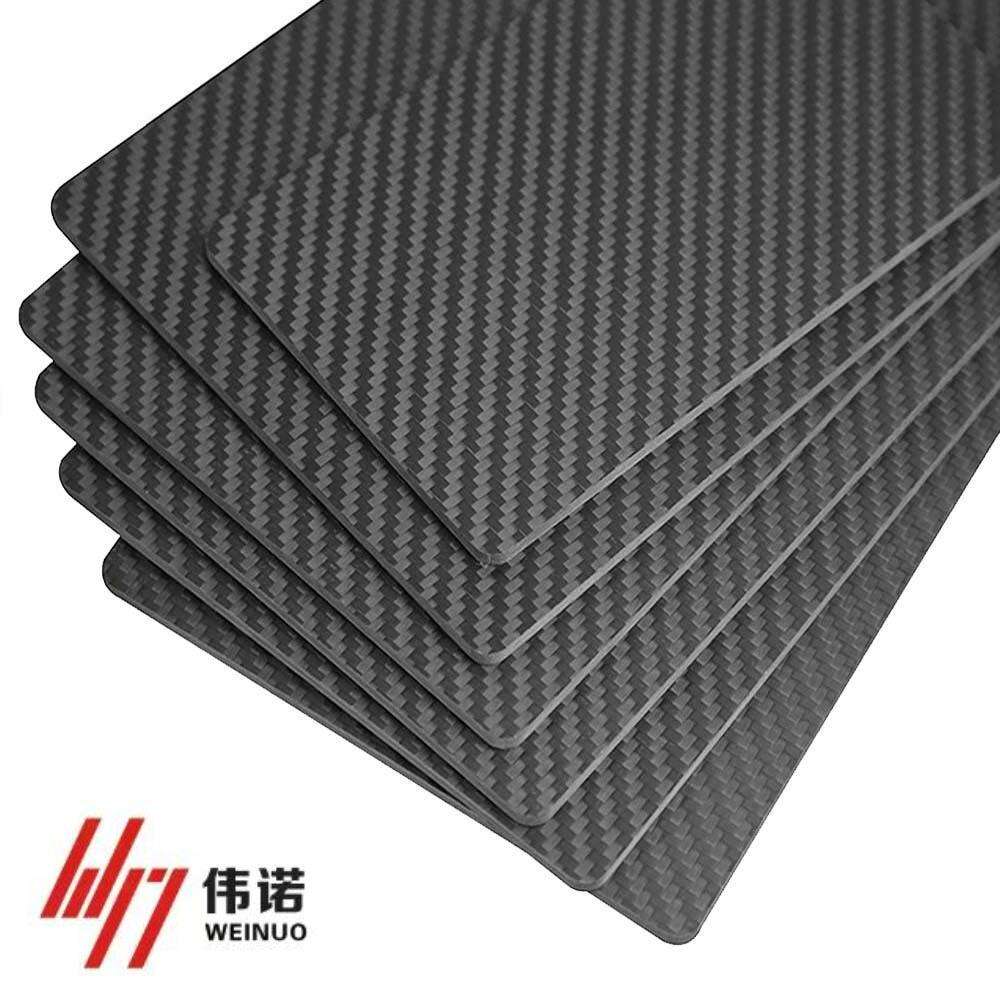
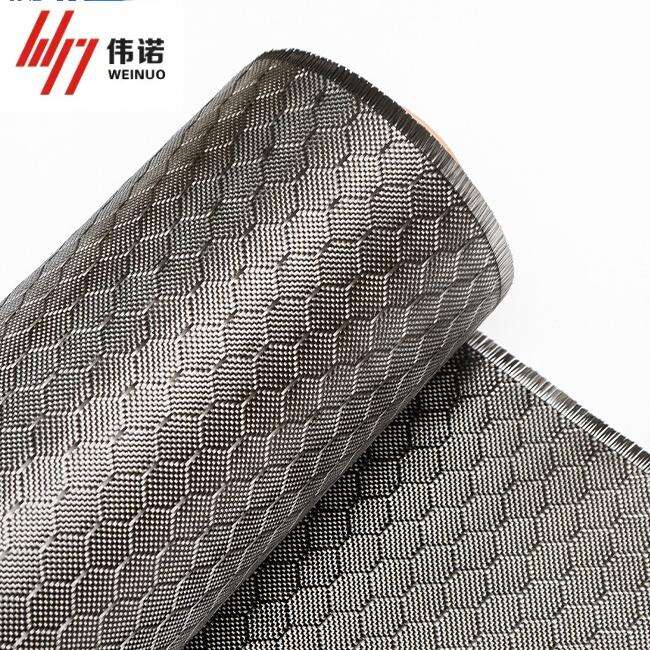
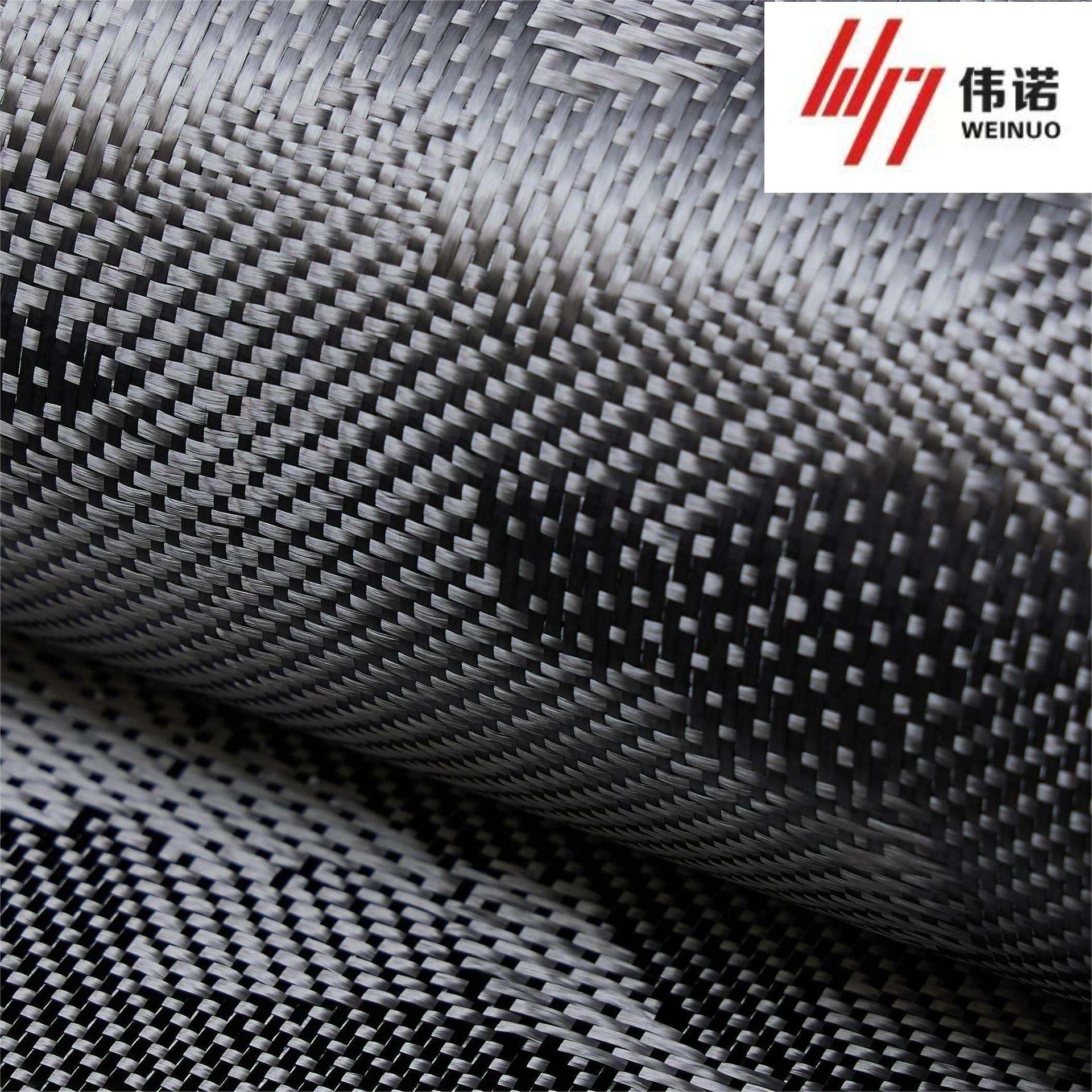
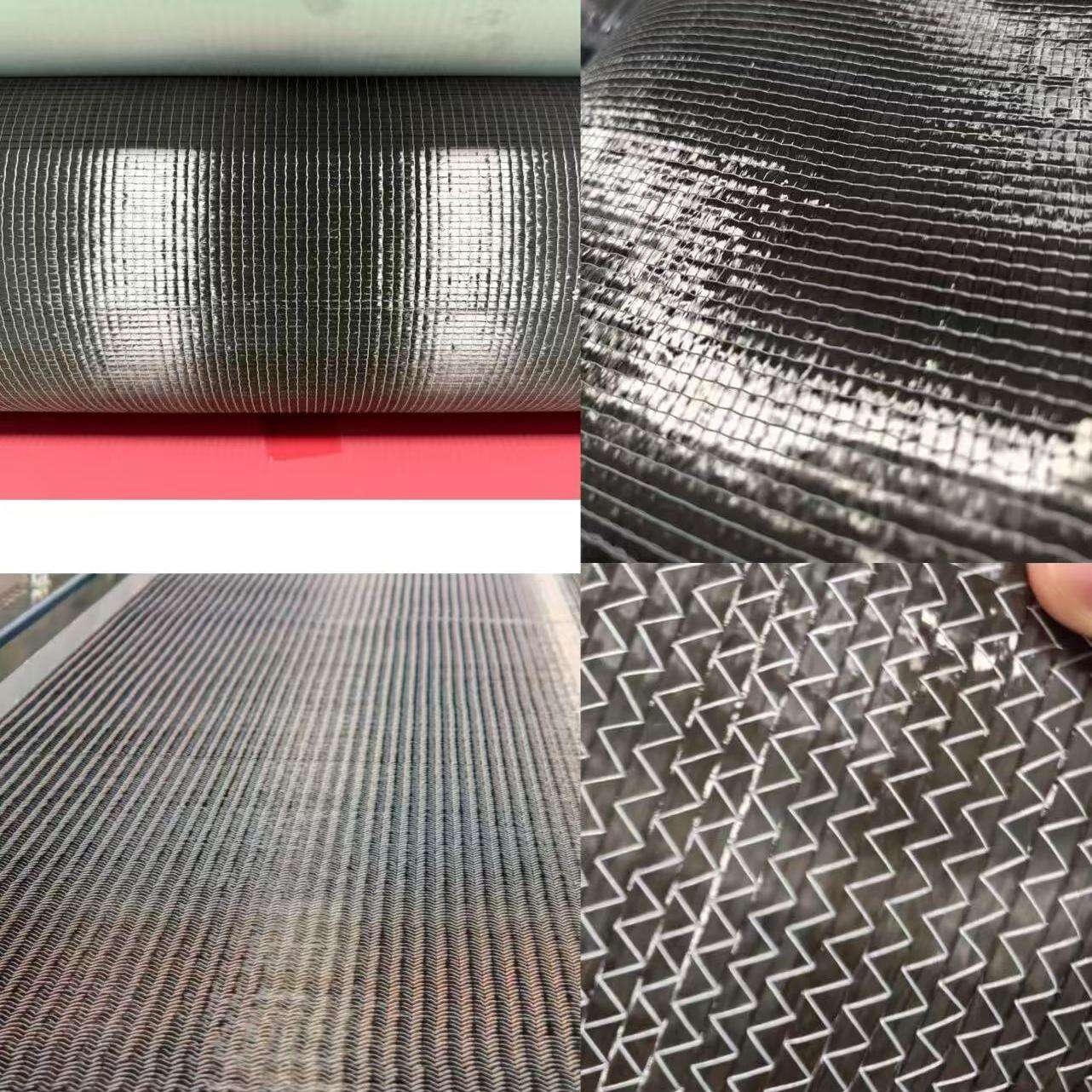
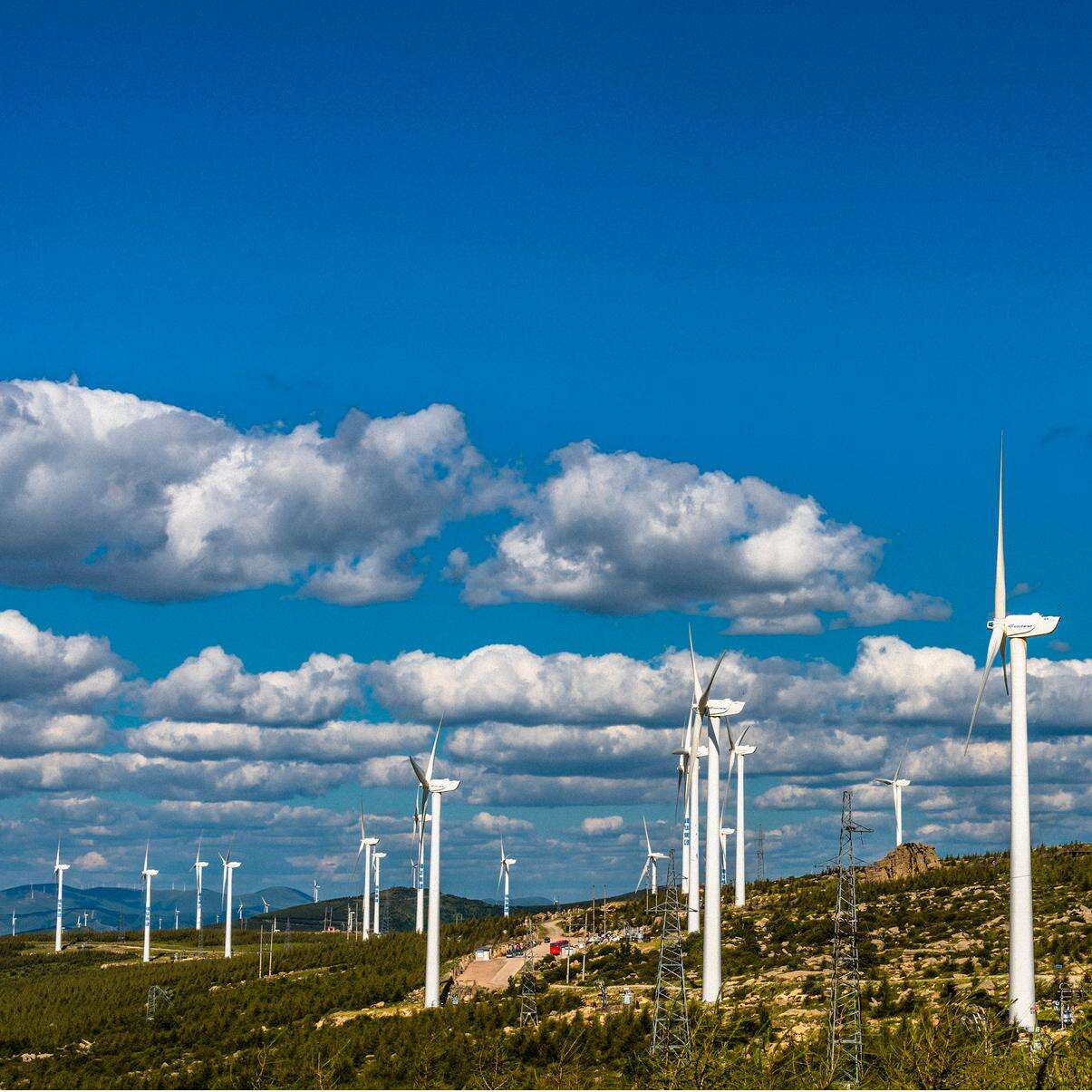
Triaxial carbon fiber fabric represents a sophisticated advancement in composite materials, engineered with fibers oriented in three distinct directions at 0, +60, and -60 degrees. This unique configuration creates a balanced and stable structure that offers superior mechanical properties compared to traditional biaxial fabrics. The material's distinctive architecture enables enhanced load distribution and resistance to deformation across multiple axes, making it particularly valuable in high-performance applications. The fabric's construction methodology involves precise fiber placement and specialized weaving techniques that ensure consistent fiber orientation and optimal material properties. Its inherent structural stability reduces the risk of delamination and provides excellent resistance to both tensile and compressive forces. The material exhibits exceptional fatigue resistance and maintains its structural integrity under repeated stress cycles. In aerospace applications, triaxial carbon fiber fabric delivers an optimal strength-to-weight ratio, crucial for fuel efficiency and performance. The automotive industry utilizes this material in structural components where multi-directional force resistance is essential. Additionally, the renewable energy sector employs triaxial carbon fiber fabric in wind turbine blades, where its ability to withstand complex loading conditions proves invaluable. The material's versatility extends to sporting goods, marine applications, and civil infrastructure, where its durability and performance characteristics offer significant advantages over conventional materials.


New Product Recommendations

The primary advantage of triaxial carbon fiber fabric lies in its superior multi-directional strength distribution, which significantly outperforms traditional composite materials. This unique characteristic enables structures to resist forces from multiple angles simultaneously, reducing the need for additional reinforcement layers and resulting in lighter, more efficient designs. The material's balanced fiber orientation minimizes weak points typically found in conventional fabrics, leading to enhanced structural reliability and extended service life. In manufacturing processes, triaxial carbon fiber fabric offers improved handling and drapability, allowing for more complex shapes and geometries without compromising structural integrity. The material's consistent fiber distribution ensures uniform properties throughout the finished product, reducing variability and improving quality control. Cost efficiency is achieved through reduced material usage, as fewer layers are typically required to achieve desired mechanical properties. The fabric's resistance to fatigue and environmental factors translates to lower maintenance requirements and extended service intervals. In terms of design flexibility, the material enables engineers to optimize structures for specific loading conditions while maintaining minimal weight. The fabric's excellent vibration damping properties contribute to improved performance in dynamic applications. Energy absorption capabilities are enhanced due to the multi-directional fiber arrangement, making it ideal for safety-critical components. The material's thermal stability and dimensional consistency across varying environmental conditions ensure reliable performance in challenging applications. These advantages make triaxial carbon fiber fabric a superior choice for high-performance applications where weight, strength, and reliability are crucial factors.

Latest News

How Does Forged Carbon Fiber Compare to Traditional Composites in Design

25

Sep

How Does Forged Carbon Fiber Compare to Traditional Composites in Design

The Evolution of Advanced Composite Materials in Modern Design The world of composite materials has witnessed a revolutionary transformation with the emergence of forged carbon fiber technology. This innovative material has redefined what's possible ...
View More
Why Manufacturers Prefer Carbon Fiber Fabric for Long-Term Durability

25

Sep

Why Manufacturers Prefer Carbon Fiber Fabric for Long-Term Durability

The Revolutionary Impact of Advanced Composite Materials in Manufacturing In the ever-evolving landscape of modern manufacturing, carbon fiber fabric has emerged as a game-changing material that's reshaping industries from aerospace to automotive. Th...
View More
Why Is Carbon Fiber Fabric Trusted in Aerospace and Automotive Manufacturing

25

Sep

Why Is Carbon Fiber Fabric Trusted in Aerospace and Automotive Manufacturing

The Revolutionary Impact of Advanced Composites in Modern Engineering In the realm of high-performance materials, carbon fiber fabric has emerged as a game-changing innovation that continues to reshape the aerospace and automotive industries. This re...
View More
How Does Carbon Fiber Cloth Improve Mechanical Performance in Industry

25

Sep

How Does Carbon Fiber Cloth Improve Mechanical Performance in Industry

Understanding the Revolutionary Impact of Advanced Composite Materials In the realm of industrial engineering and manufacturing, carbon fiber cloth has emerged as a transformative material that's reshaping how we approach mechanical performance. This...
View More

Get a Free Quote

Our representative will contact you soon.
Email
Name
Company Name
Message
0/1000
Whatsapp Number

triaxial carbon fiber fabric

Enhanced Structural Integrity and Load Distribution

Enhanced Structural Integrity and Load Distribution

The triaxial carbon fiber fabric's unique fiber orientation system creates an interlocking network that fundamentally transforms load distribution capabilities. The 0/+60/-60 degree fiber arrangement ensures optimal force distribution across all directions, significantly reducing stress concentrations that typically lead to material failure. This enhanced structural integrity is particularly evident in applications subject to complex loading patterns, where traditional materials often exhibit limitations. The fabric's ability to maintain consistent performance under varying load conditions stems from its balanced fiber architecture, which prevents the development of preferential weak points. This characteristic is especially valuable in aerospace and automotive applications, where structural predictability and reliability are paramount. The material's inherent resistance to delamination, a common failure mode in composite structures, is achieved through the mechanical interlocking of fibers in multiple directions. This feature extends the service life of components and reduces maintenance requirements, providing long-term cost benefits to end-users.
Advanced Manufacturing Efficiency and Versatility

Advanced Manufacturing Efficiency and Versatility

The manufacturing advantages of triaxial carbon fiber fabric extend beyond its mechanical properties to include significant processing benefits. The material's enhanced drapability and conformability to complex molds reduce production time and improve part quality. This characteristic is particularly beneficial in automated manufacturing processes, where consistent material behavior is essential for maintaining production efficiency. The fabric's unique construction allows for fewer layers in composite structures, reducing material usage and processing time while maintaining required mechanical properties. The reduced layer count also minimizes the risk of manufacturing defects and improves the consistency of finished products. The material's compatibility with various resin systems and processing methods provides manufacturers with flexibility in production techniques, enabling optimization for specific applications. The fabric's stability during handling and processing reduces waste and improves yield rates, contributing to overall manufacturing cost efficiency.
Exceptional Environmental Performance and Durability

Exceptional Environmental Performance and Durability

Triaxial carbon fiber fabric demonstrates superior resistance to environmental factors and long-term durability that sets it apart in the composite materials market. The material's resistance to fatigue, thermal cycling, and chemical exposure ensures consistent performance throughout its service life. This durability is particularly valuable in applications exposed to harsh environmental conditions, such as marine environments or outdoor installations. The fabric's dimensional stability across varying temperature ranges prevents thermal distortion and maintains structural integrity in extreme conditions. Its resistance to UV radiation and moisture absorption contributes to extended service life in outdoor applications. The material's ability to maintain its mechanical properties under repeated loading cycles makes it ideal for dynamic applications where fatigue resistance is critical. These durability characteristics translate to reduced maintenance requirements and lower lifecycle costs, providing significant value to end-users in various industries.

Get a Free Quote

Our representative will contact you soon.
Email
Name
Company Name
Message
0/1000
Whatsapp Number