Multiaxial Carbon Fiber Fabric: Advanced Composite Solution for Superior Structural Performance

  • No.80 Changjiang Mingzhu Road, Houcheng Street, Zhangjiagang City, Jiangsu Province, China
  • +86-15995540423

Mon - Fri: 9:00 - 19:00

multiaxial carbon fiber fabric

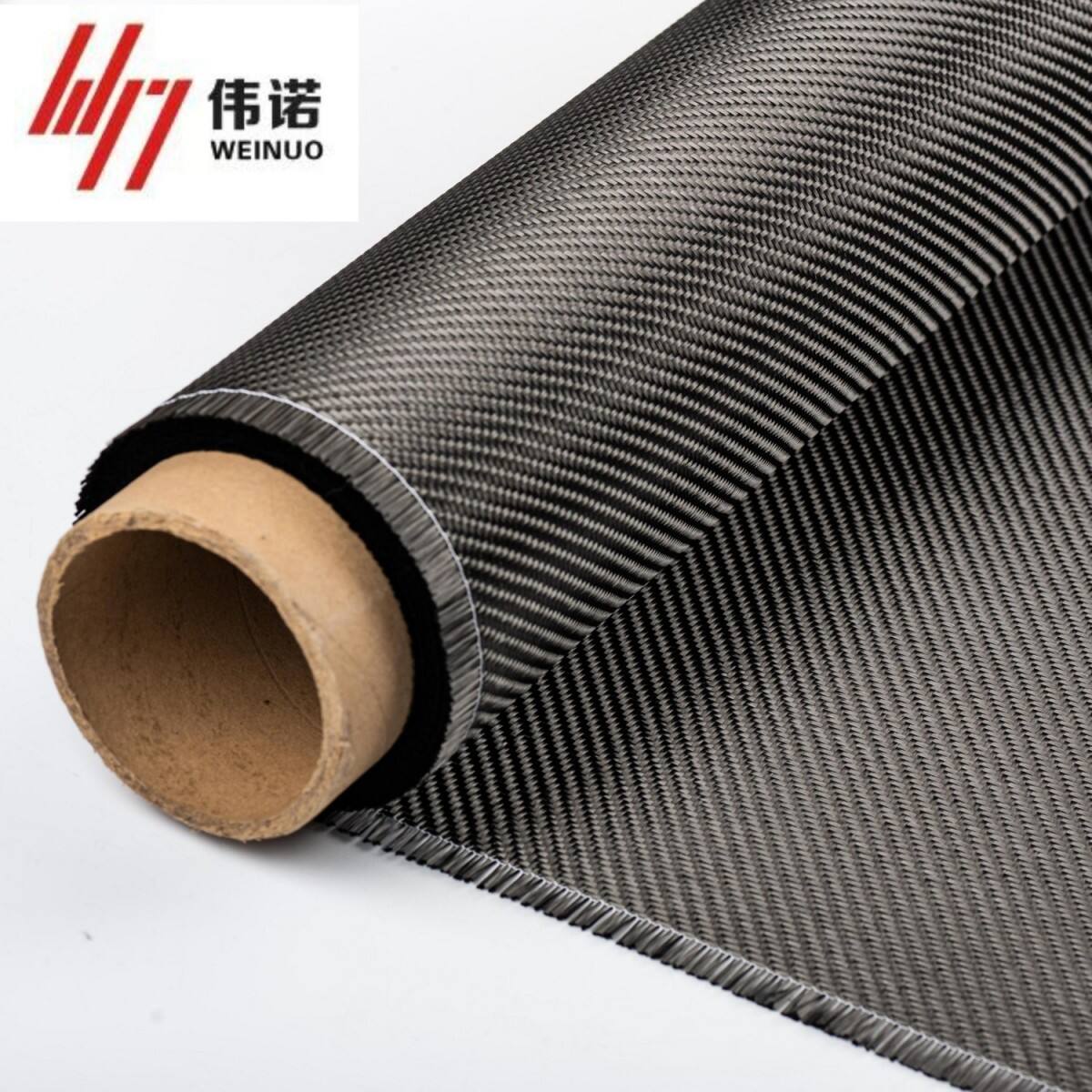
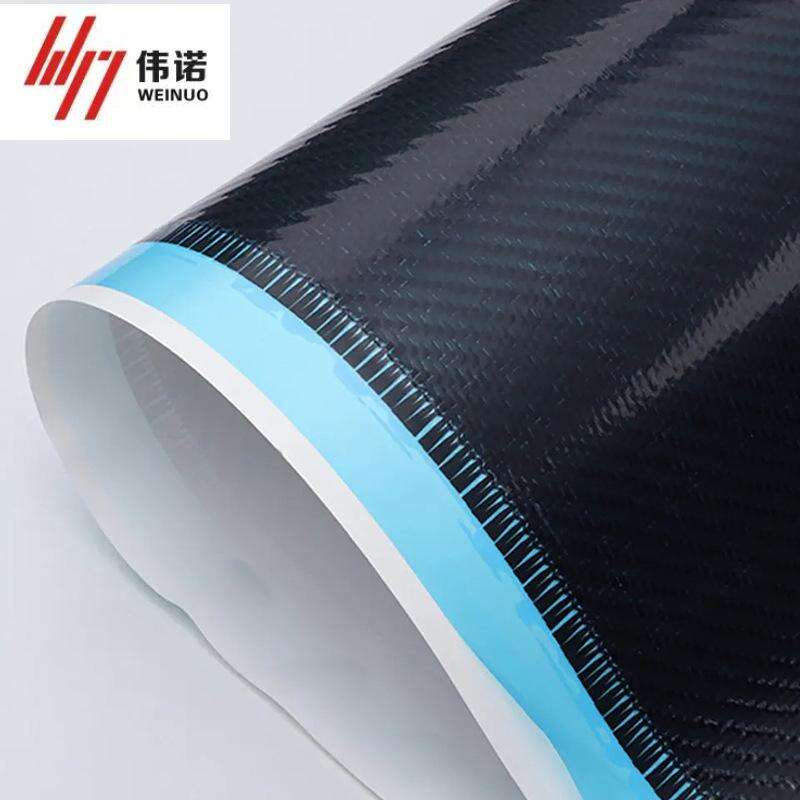
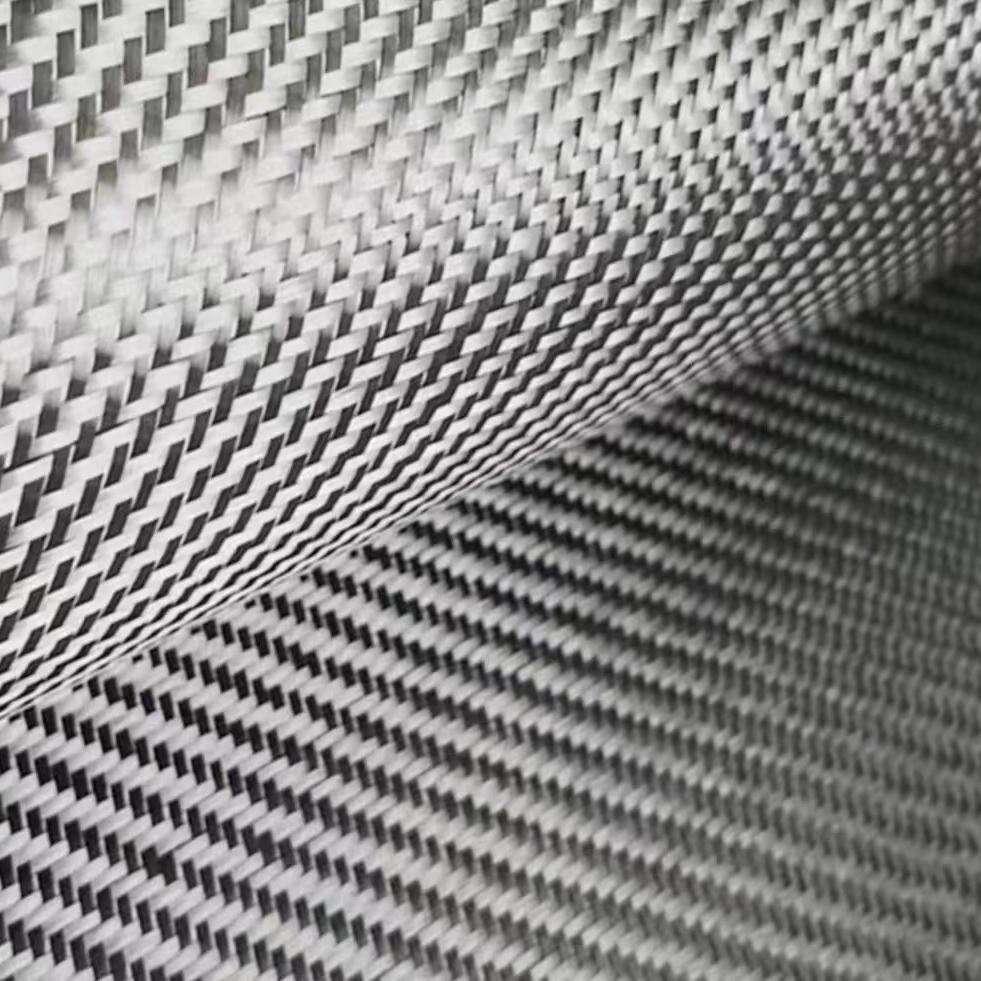
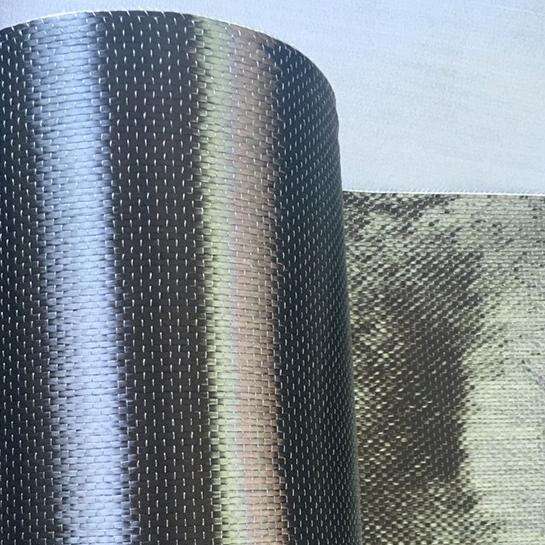
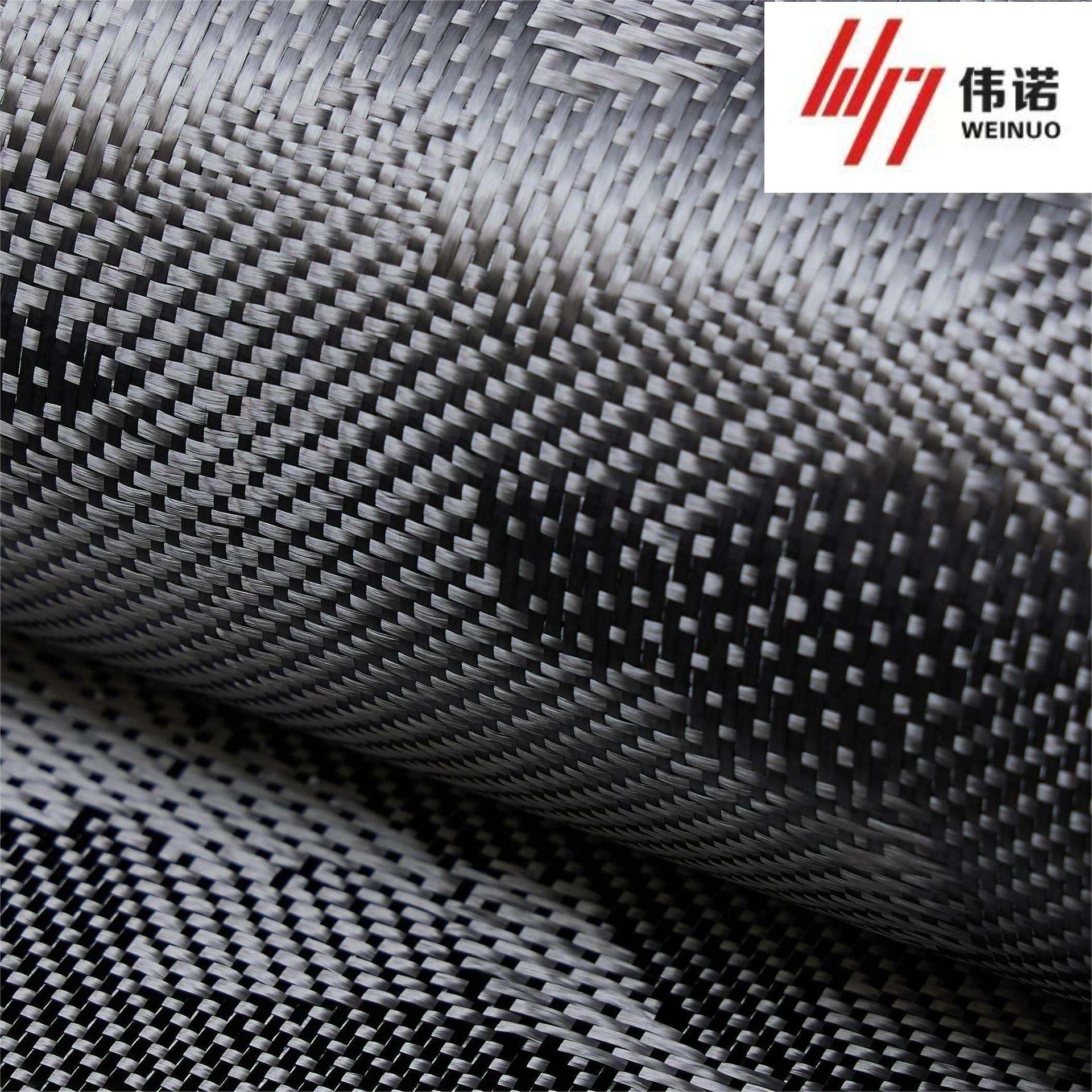
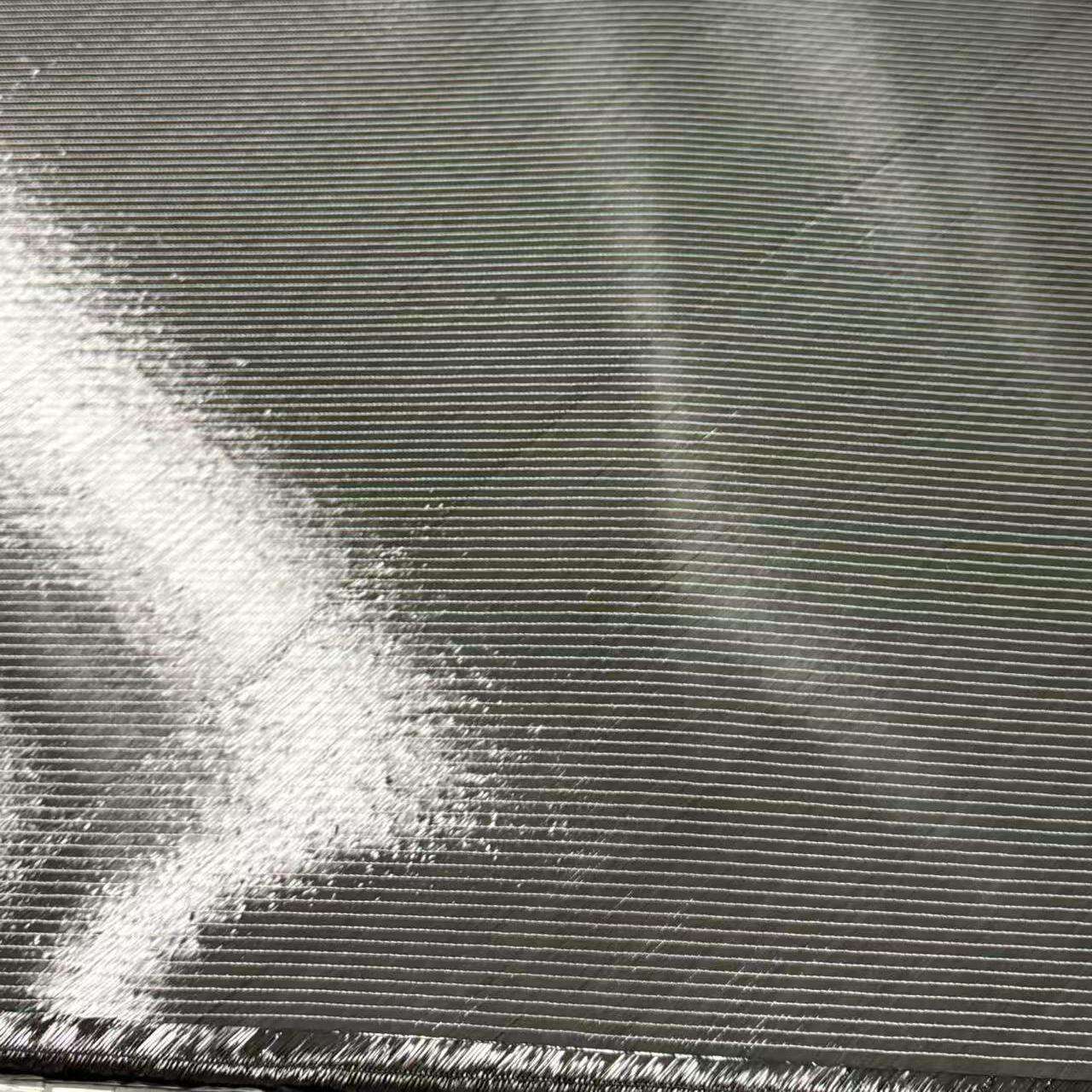
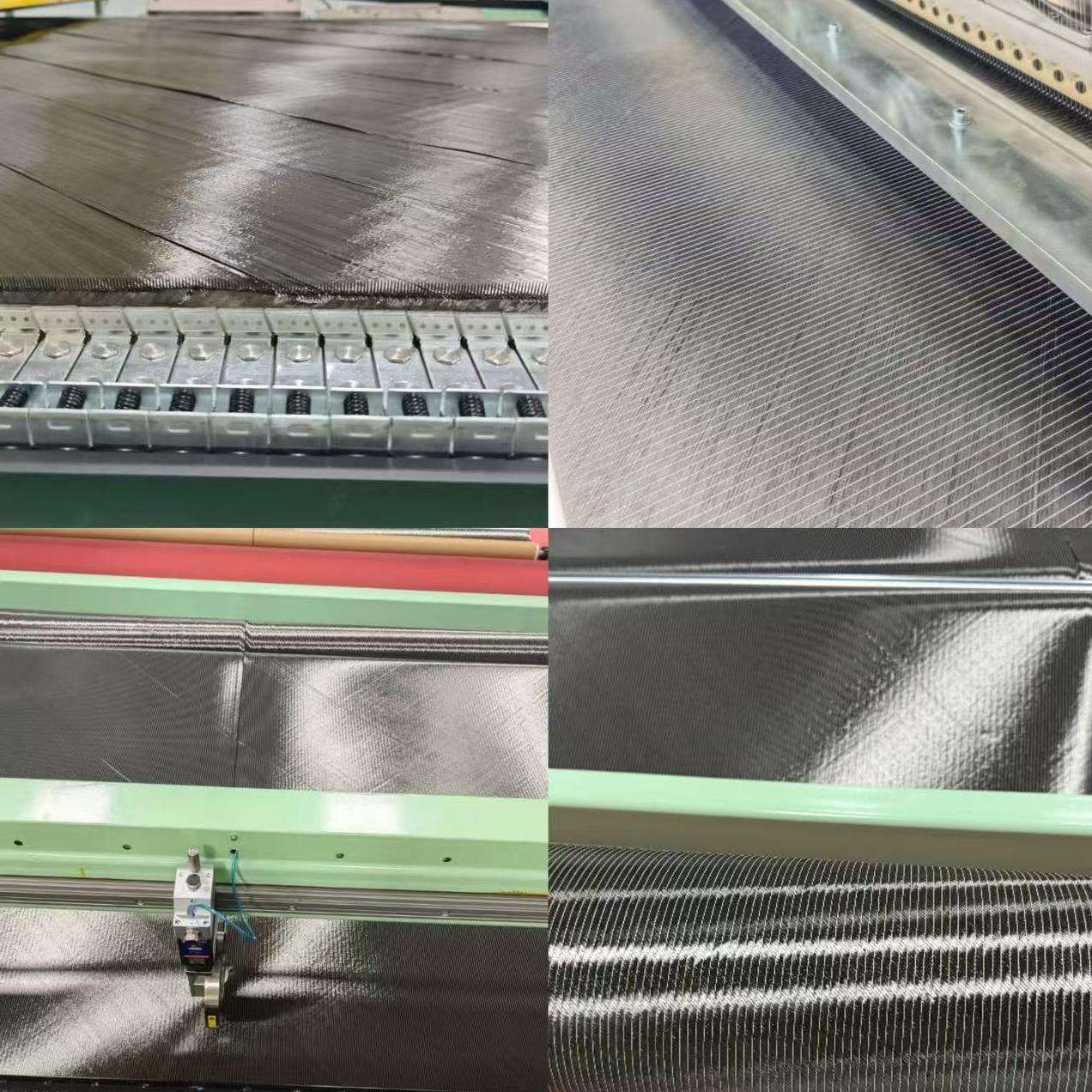
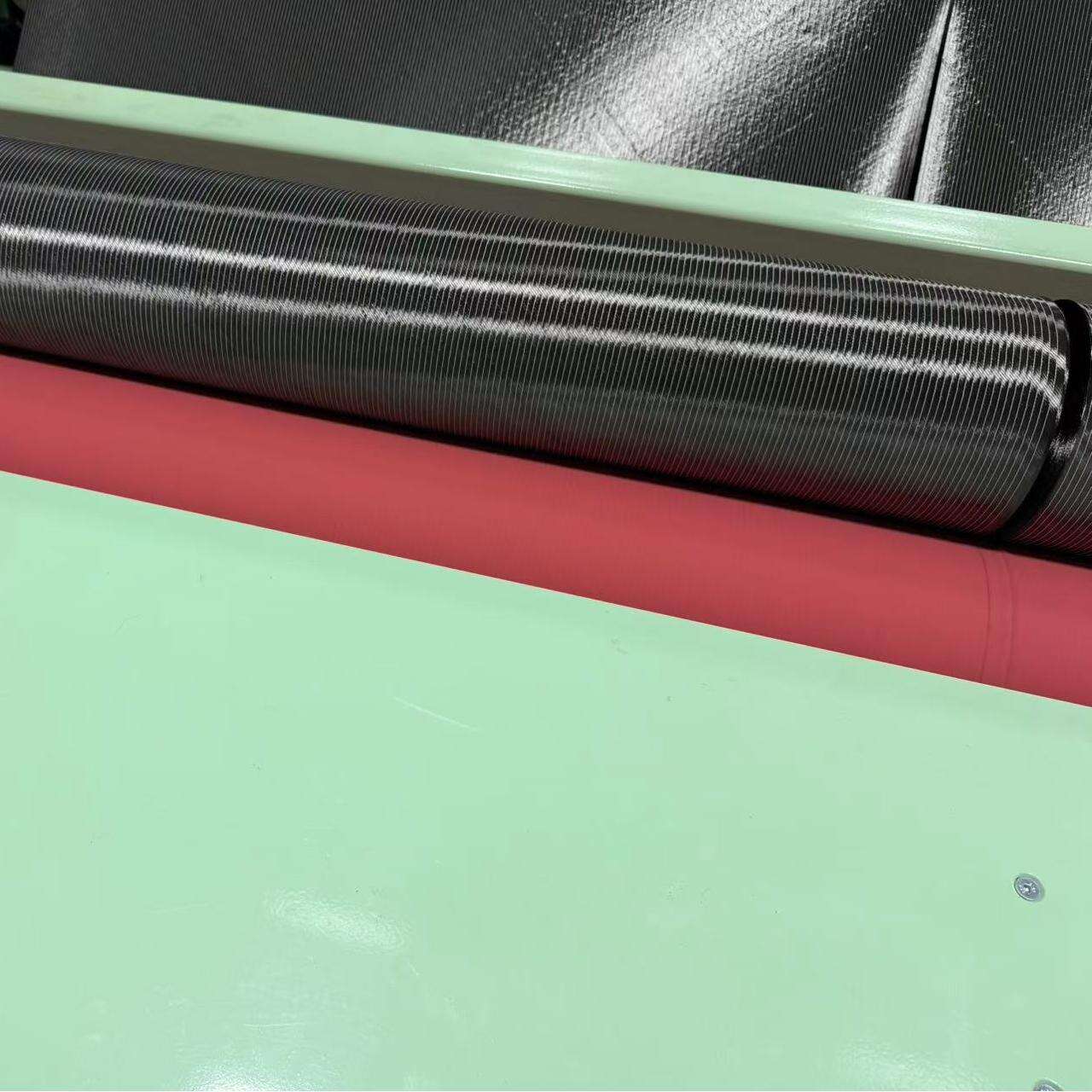
Multiaxial carbon fiber fabric represents a revolutionary advancement in composite material technology, engineered to deliver superior strength and performance across multiple load-bearing directions. This sophisticated material consists of multiple layers of unidirectional carbon fibers, precisely oriented at specific angles and stitched together to create a robust, unified structure. Unlike traditional woven fabrics, multiaxial carbon fiber fabric eliminates fiber crimping, maximizing the material's mechanical properties and ensuring optimal load distribution. The fabric's unique construction allows it to resist forces from various directions, making it particularly valuable in applications requiring high structural integrity. Each layer is strategically positioned to provide resistance against specific directional forces, typically incorporating combinations of 0, 45, 90, and -45 degree orientations. This advanced material excels in applications demanding exceptional strength-to-weight ratios, such as aerospace components, automotive structures, wind turbine blades, and high-performance sporting goods. The fabric's versatility extends to its processing capabilities, being compatible with various resin systems and manufacturing methods, including vacuum infusion, resin transfer molding, and prepreg technology.


New Product Releases

Multiaxial carbon fiber fabric offers numerous compelling advantages that set it apart in the composite materials landscape. First and foremost, its multi-directional fiber orientation provides superior mechanical properties compared to conventional woven fabrics, ensuring enhanced strength and stiffness in multiple directions. This unique construction eliminates fiber crimping, resulting in better fiber alignment and improved load distribution throughout the material. The fabric's layered structure allows for optimized fiber placement, enabling engineers to design components with precise performance characteristics tailored to specific applications. Another significant advantage is the material's excellent handling characteristics during manufacturing processes. The stitched construction maintains fiber alignment during processing, reducing the risk of fiber displacement and ensuring consistent material properties in the final product. The fabric's ability to conform to complex geometries while maintaining structural integrity makes it ideal for creating sophisticated composite parts. Weight reduction is another crucial benefit, as multiaxial fabrics typically require fewer layers to achieve desired mechanical properties compared to traditional materials. This translates to lighter finished products without compromising strength or durability. The material's versatility in processing methods, combined with its superior impact resistance and fatigue properties, makes it an excellent choice for demanding applications across various industries. Additionally, the fabric's consistent quality and predictable performance characteristics help streamline the manufacturing process, potentially reducing production costs and improving final product reliability.

Tips And Tricks

How Does Forged Carbon Fiber Compare to Traditional Composites in Design

25

Sep

How Does Forged Carbon Fiber Compare to Traditional Composites in Design

The Evolution of Advanced Composite Materials in Modern Design The world of composite materials has witnessed a revolutionary transformation with the emergence of forged carbon fiber technology. This innovative material has redefined what's possible ...
View More
What Should Buyers Know About Industrial-Grade Carbon Fiber Fabric

25

Sep

What Should Buyers Know About Industrial-Grade Carbon Fiber Fabric

Understanding the Revolutionary World of Advanced Composite Materials Industrial-grade carbon fiber fabric represents one of the most significant advancements in modern manufacturing and engineering materials. This remarkable composite material has t...
View More
Why Is Carbon Fiber Fabric Trusted in Aerospace and Automotive Manufacturing

25

Sep

Why Is Carbon Fiber Fabric Trusted in Aerospace and Automotive Manufacturing

The Revolutionary Impact of Advanced Composites in Modern Engineering In the realm of high-performance materials, carbon fiber fabric has emerged as a game-changing innovation that continues to reshape the aerospace and automotive industries. This re...
View More
How Does Carbon Fiber Cloth Improve Mechanical Performance in Industry

25

Sep

How Does Carbon Fiber Cloth Improve Mechanical Performance in Industry

Understanding the Revolutionary Impact of Advanced Composite Materials In the realm of industrial engineering and manufacturing, carbon fiber cloth has emerged as a transformative material that's reshaping how we approach mechanical performance. This...
View More

Get a Free Quote

Our representative will contact you soon.
Email
Name
Company Name
Message
0/1000
Whatsapp Number

multiaxial carbon fiber fabric

Superior Structural Performance

Superior Structural Performance

Multiaxial carbon fiber fabric's outstanding structural performance stems from its innovative design approach to fiber orientation and load distribution. The strategic placement of carbon fibers in multiple directions creates a material system capable of handling complex stress states with remarkable efficiency. Each layer contributes to the overall performance by addressing specific load requirements, resulting in a composite structure that excels in both static and dynamic loading conditions. The absence of fiber crimping, typical in traditional woven fabrics, ensures that each fiber can carry its maximum load, leading to improved mechanical properties and enhanced structural efficiency. This optimization of fiber orientation and load-carrying capability translates to superior strength-to-weight ratios, making it possible to create lighter yet stronger components for critical applications.
Manufacturing Versatility

Manufacturing Versatility

The manufacturing versatility of multiaxial carbon fiber fabric represents a significant advancement in composite material processing. The material's engineered construction facilitates compatibility with various manufacturing methods, from traditional hand lay-up to advanced automated processes. The stitched construction maintains fiber alignment during handling and processing, reducing the likelihood of fiber distortion and ensuring consistent material properties in the final product. This stability during manufacturing enables more precise control over the production process, resulting in higher quality finished parts. The fabric's ability to conform to complex molds while maintaining its structural integrity allows for the creation of intricate components without compromising performance characteristics.
Cost-Effective Performance Solution

Cost-Effective Performance Solution

Multiaxial carbon fiber fabric offers a compelling cost-benefit proposition through its optimized material usage and processing efficiency. The fabric's ability to provide superior mechanical properties with fewer layers compared to traditional materials results in significant material savings and reduced labor costs during manufacturing. The consistent quality and predictable performance characteristics help minimize waste and rework, contributing to overall cost efficiency. The material's durability and long-term performance capabilities translate to extended service life and reduced maintenance requirements for finished products, providing excellent value over the entire lifecycle of the component. This combination of efficient material usage, streamlined processing, and long-term reliability makes multiaxial carbon fiber fabric a cost-effective solution for high-performance applications.

Get a Free Quote

Our representative will contact you soon.
Email
Name
Company Name
Message
0/1000
Whatsapp Number