High-Performance Multiaxial Reinforcement Fabric for Advanced Composite Applications

  • No.80 Changjiang Mingzhu Road, Houcheng Street, Zhangjiagang City, Jiangsu Province, China
  • +86-15995540423

Mon - Fri: 9:00 - 19:00

multiaxial reinforcement fabric for composites

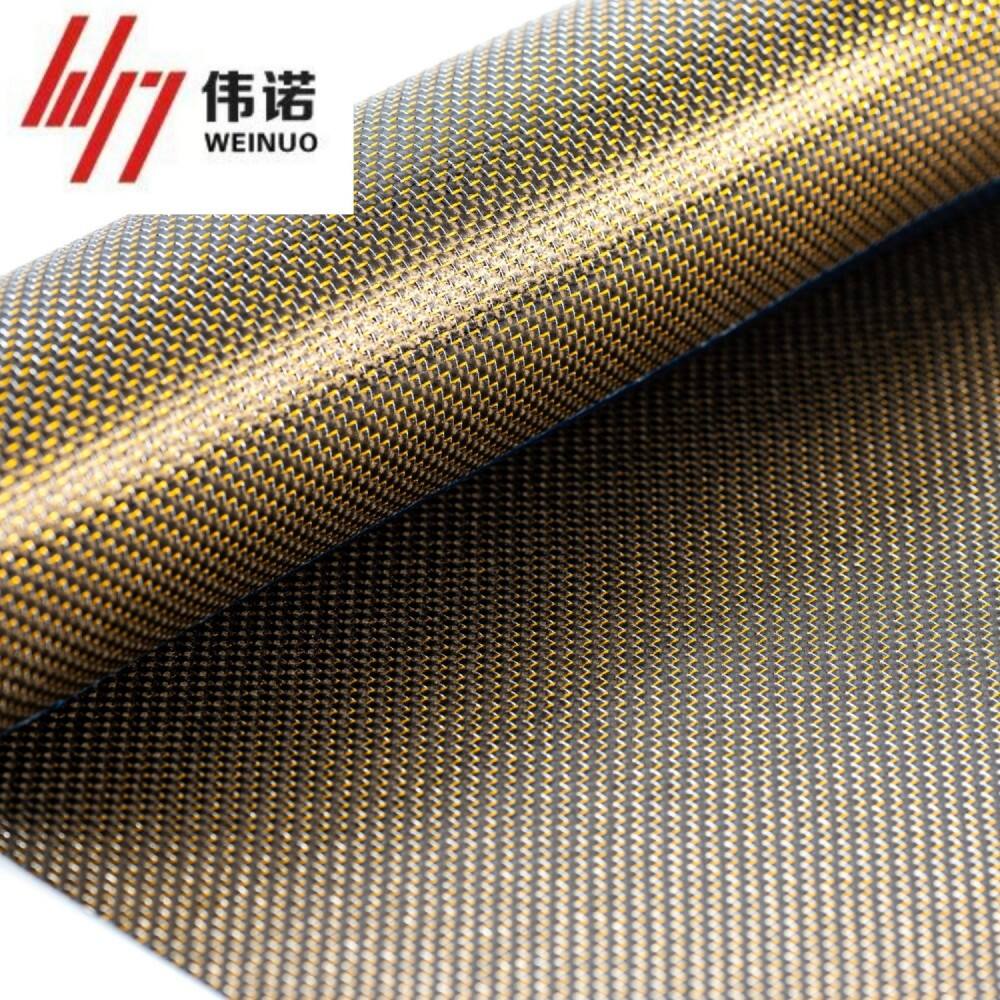
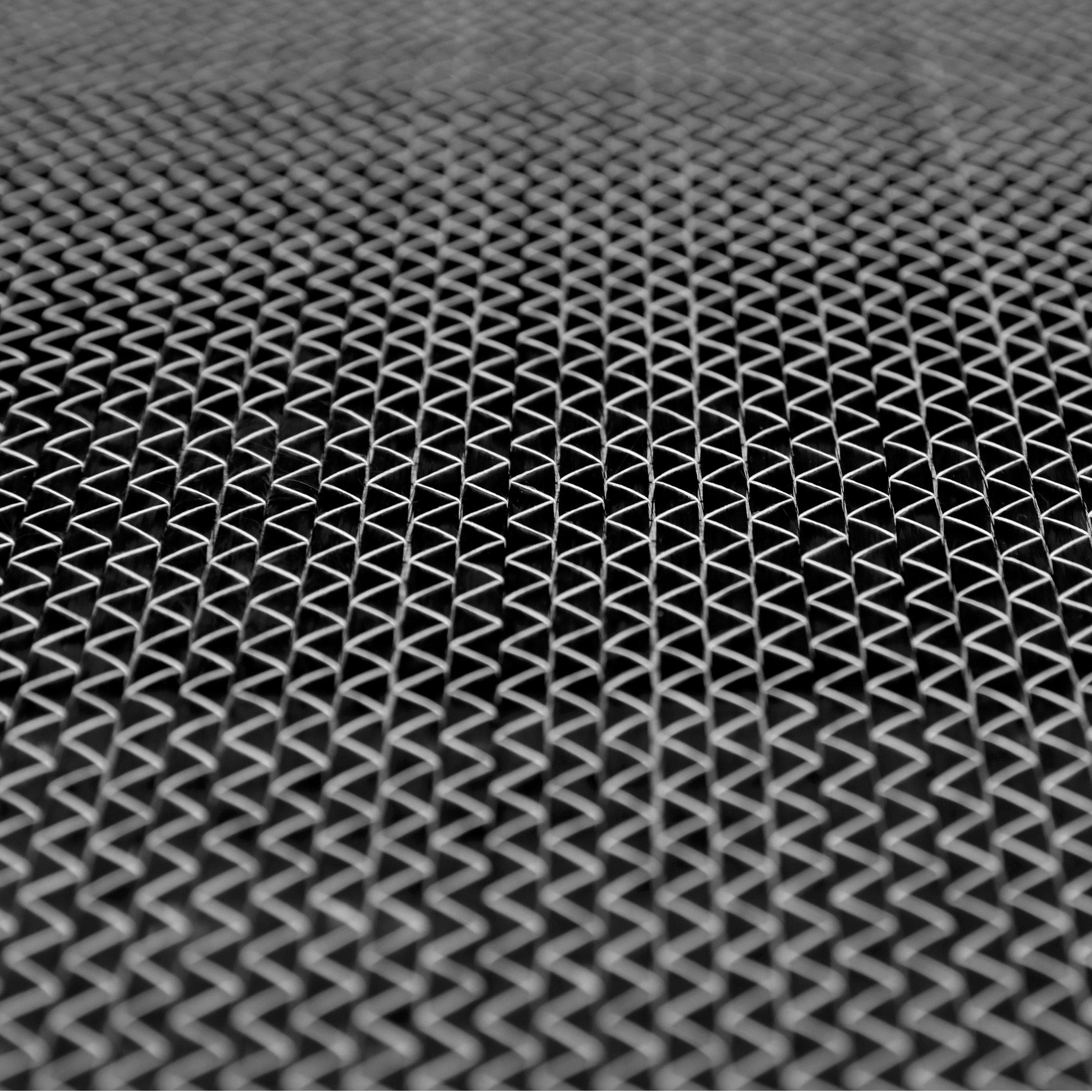
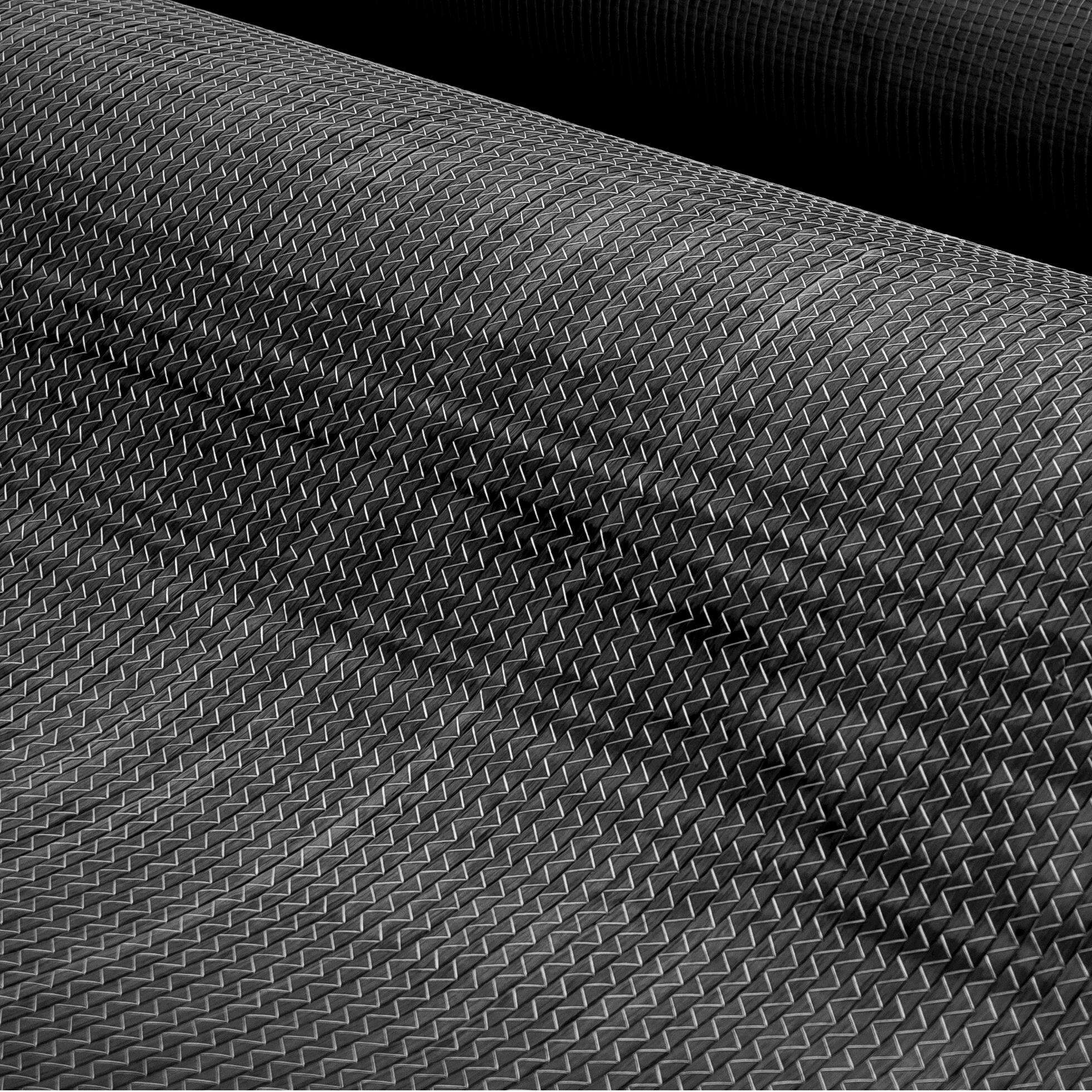
Multiaxial reinforcement fabric represents a sophisticated engineering textile specifically designed for composite material applications. This advanced material consists of multiple layers of fiber reinforcements oriented in different directions, typically 0, 45, 90, and -45 degrees, which are stitched together to create a unified fabric structure. The precise fiber orientation enables optimal distribution of mechanical loads across various directions, significantly enhancing the structural integrity of composite parts. The fabric's architecture allows for excellent draping characteristics, making it ideal for complex geometries while maintaining consistent fiber orientation. In manufacturing, these fabrics facilitate faster layup processes compared to traditional unidirectional materials, reducing production time and labor costs. The material's versatility makes it suitable for various applications, from aerospace components and automotive parts to wind turbine blades and marine structures. The integration of multiple fiber orientations in a single fabric eliminates the need for multiple laying operations, streamlining the manufacturing process while ensuring superior mechanical properties in the final composite structure. The fabric's construction also minimizes fiber distortion during handling and processing, maintaining the intended fiber architecture in the finished component. This technology represents a significant advancement in composite reinforcement, offering manufacturers a reliable solution for creating high-performance, lightweight structures with enhanced mechanical properties.


New Products

Multiaxial reinforcement fabric offers numerous compelling advantages that make it an exceptional choice for composite manufacturing. First and foremost, its multi-directional fiber orientation provides superior mechanical properties in all loading directions, resulting in stronger and more reliable composite parts. This balanced strength distribution eliminates weak points commonly found in traditional unidirectional reinforcements. The fabric's engineered structure significantly reduces production time by combining multiple fiber orientations in a single layer, effectively cutting down the number of layup steps required. This time efficiency translates directly into cost savings through reduced labor hours and increased production capacity. The material exhibits excellent conformability to complex molds while maintaining fiber alignment, ensuring consistent quality in finished parts. Another significant advantage is the improved resin penetration due to the stitched construction, which creates channels for optimal resin flow during the infusion process. This feature helps eliminate dry spots and voids, resulting in higher quality finished products. The fabric's stability during handling reduces the risk of fiber misalignment and distortion, leading to more consistent part quality and reduced waste. From an economic perspective, the use of multiaxial reinforcement fabric can lead to substantial material savings as fewer layers are needed to achieve the desired mechanical properties. The fabric's versatility allows it to be used with various resin systems and manufacturing processes, providing flexibility in production methods. Additionally, the reduced thickness variation and improved surface finish of final parts contribute to better aesthetic qualities and reduced post-processing requirements.

Latest News

How Does Forged Carbon Fiber Compare to Traditional Composites in Design

25

Sep

How Does Forged Carbon Fiber Compare to Traditional Composites in Design

The Evolution of Advanced Composite Materials in Modern Design The world of composite materials has witnessed a revolutionary transformation with the emergence of forged carbon fiber technology. This innovative material has redefined what's possible ...
View More
What Should Buyers Know About Industrial-Grade Carbon Fiber Fabric

25

Sep

What Should Buyers Know About Industrial-Grade Carbon Fiber Fabric

Understanding the Revolutionary World of Advanced Composite Materials Industrial-grade carbon fiber fabric represents one of the most significant advancements in modern manufacturing and engineering materials. This remarkable composite material has t...
View More
Why Manufacturers Prefer Carbon Fiber Fabric for Long-Term Durability

25

Sep

Why Manufacturers Prefer Carbon Fiber Fabric for Long-Term Durability

The Revolutionary Impact of Advanced Composite Materials in Manufacturing In the ever-evolving landscape of modern manufacturing, carbon fiber fabric has emerged as a game-changing material that's reshaping industries from aerospace to automotive. Th...
View More
Why Is Carbon Fiber Fabric Trusted in Aerospace and Automotive Manufacturing

25

Sep

Why Is Carbon Fiber Fabric Trusted in Aerospace and Automotive Manufacturing

The Revolutionary Impact of Advanced Composites in Modern Engineering In the realm of high-performance materials, carbon fiber fabric has emerged as a game-changing innovation that continues to reshape the aerospace and automotive industries. This re...
View More

Get a Free Quote

Our representative will contact you soon.
Email
Name
Company Name
Message
0/1000
Whatsapp Number

multiaxial reinforcement fabric for composites

Enhanced Structural Performance and Load Distribution

Enhanced Structural Performance and Load Distribution

The multiaxial reinforcement fabric's primary strength lies in its ability to provide superior structural performance through optimized load distribution. The engineered arrangement of fibers in multiple directions creates a balanced structure capable of handling complex stress patterns effectively. This multi-directional reinforcement system ensures that loads are distributed evenly across the material, preventing stress concentrations that could lead to premature failure. The fabric's architecture typically incorporates fibers oriented at 0, 45, 90, and -45 degrees, creating a comprehensive network that responds effectively to both tensile and shear forces. This balanced distribution of fibers results in improved impact resistance, better fatigue performance, and enhanced overall durability of the composite structure. The integration of multiple fiber orientations in a single fabric layer also contributes to improved dimensional stability and reduced warping in finished parts.
Manufacturing Efficiency and Process Optimization

Manufacturing Efficiency and Process Optimization

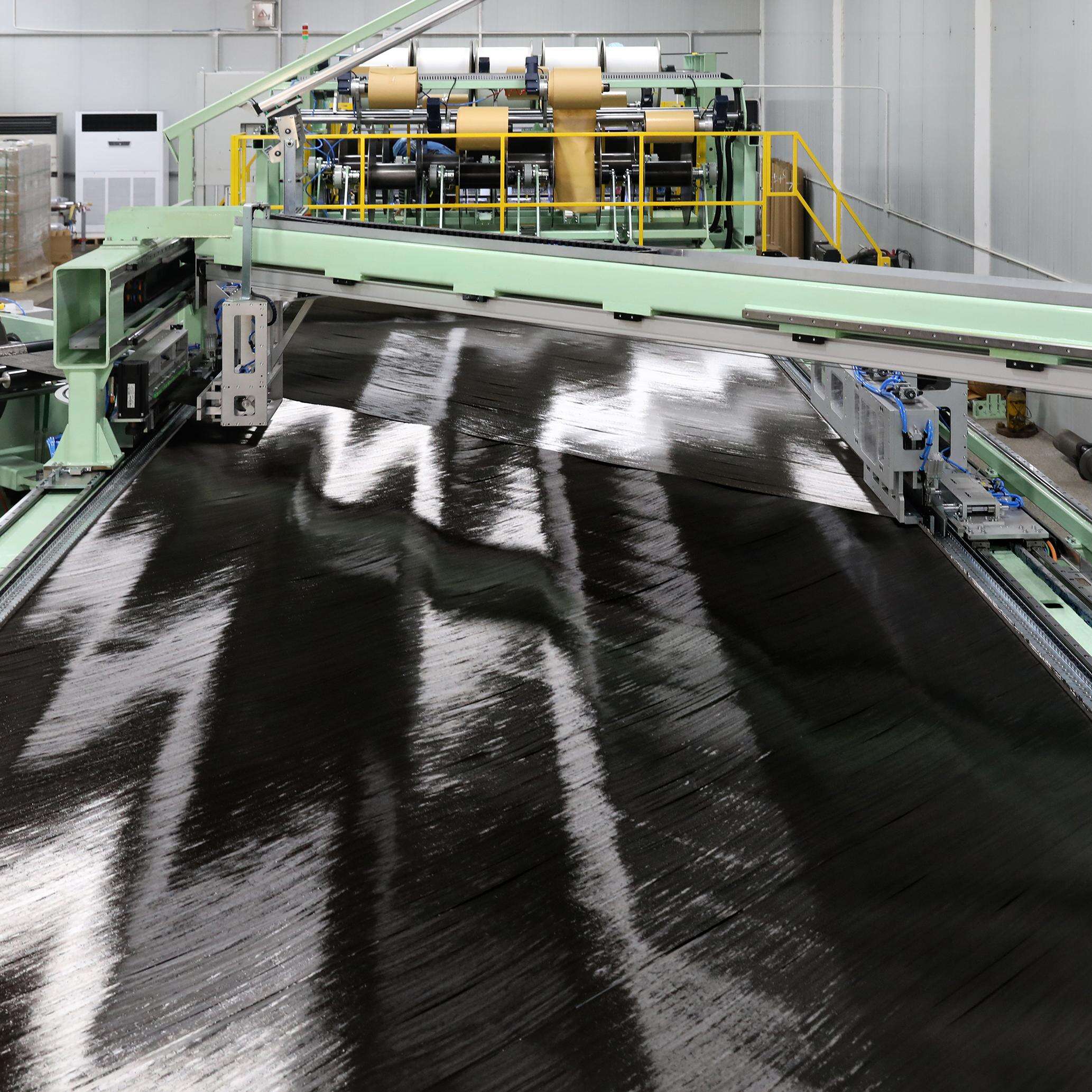
One of the most significant advantages of multiaxial reinforcement fabric is its ability to streamline the manufacturing process significantly. The consolidated structure of multiple fiber orientations in a single layer eliminates the need for time-consuming multiple ply layup operations. This reduction in handling steps not only accelerates production but also minimizes the risk of errors during the layup process. The fabric's engineered construction facilitates better resin flow during infusion processes, reducing cycle times and ensuring complete wet-out of the reinforcement. The material's stability during handling and processing helps maintain consistent fiber orientation, resulting in more predictable and reliable manufacturing outcomes. Additionally, the reduced number of layers needed to achieve desired mechanical properties leads to lower material consumption and storage requirements.
Versatility and Application Flexibility

Versatility and Application Flexibility

The multiaxial reinforcement fabric demonstrates remarkable versatility across various applications and manufacturing processes. Its adaptability to different resin systems, including epoxy, polyester, and vinyl ester, makes it suitable for a wide range of composite manufacturing methods. The fabric's excellent draping characteristics enable it to conform to complex geometries without compromising fiber orientation or structural integrity. This flexibility makes it ideal for applications ranging from aerospace components requiring precise engineering to large-scale industrial products. The material's consistent quality and performance characteristics allow manufacturers to standardize their processes across different product lines, simplifying inventory management and quality control procedures. Furthermore, the fabric's compatibility with automated manufacturing processes supports the industry's movement toward increased automation and efficiency.

Get a Free Quote

Our representative will contact you soon.
Email
Name
Company Name
Message
0/1000
Whatsapp Number