
 EN
EN

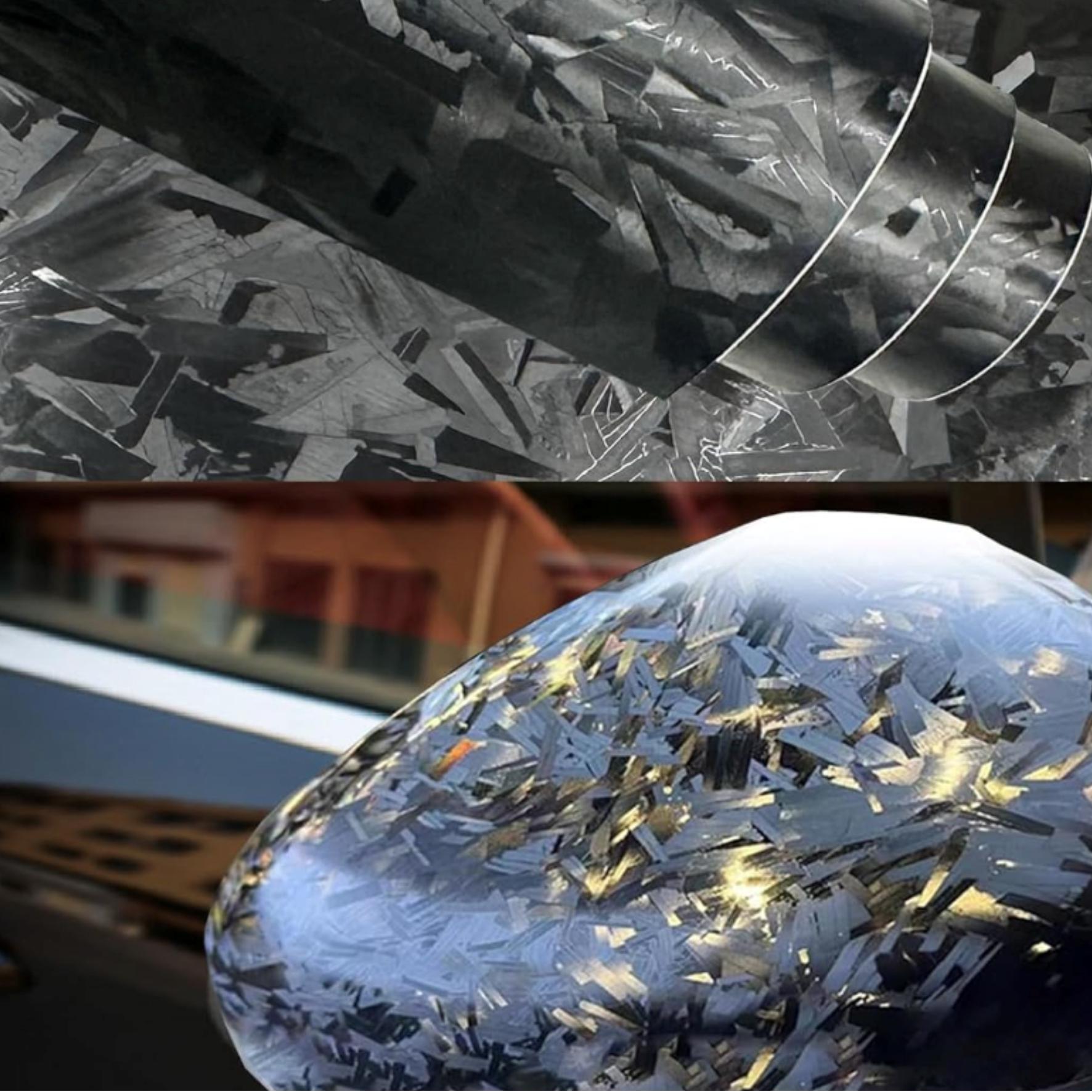
When engineers evaluate materials for high-performance mold construction, prepreg carbon fiber consistently stands out as a premier choice. Unlike wet layup or dry fiber processes, prepreg carbon fiber delivers pre-impregnated resin distribution that directly controls fiber volume fraction, void content, and laminate consistency. These properties are not incidental — they are the foundation of structural integrity in demanding mold applications.
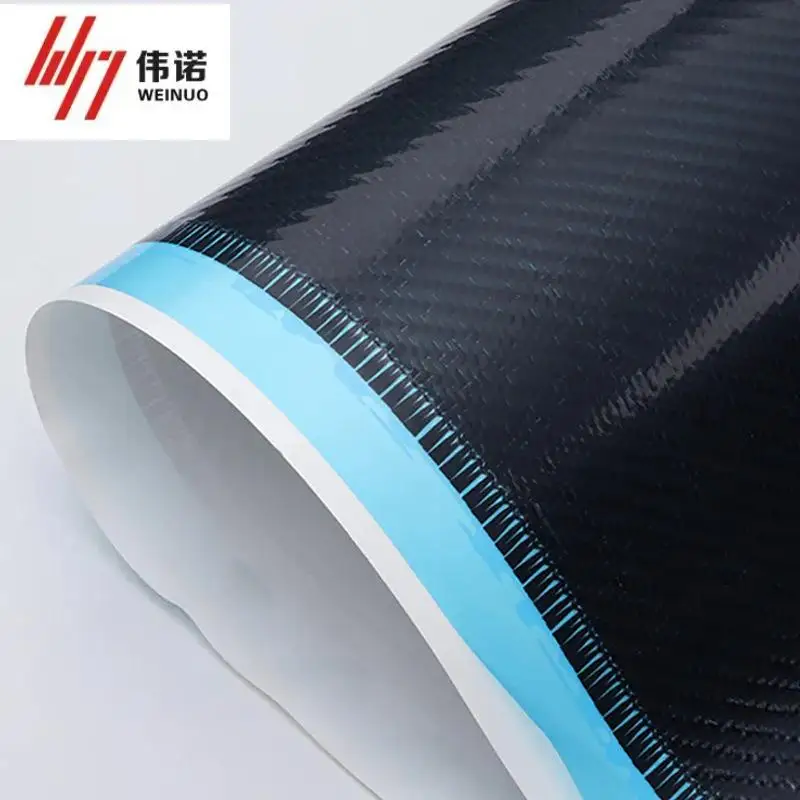
The way prepreg carbon fiber interacts with heat and pressure during consolidation sets it apart from conventional tooling materials. Mold designers who switch to prepreg carbon fiber quickly observe improvements in dimensional accuracy, surface finish, and long-term rigidity. Understanding how prepreg carbon fiber achieves these outcomes requires a closer look at its material science, processing behavior, and performance characteristics under real tooling conditions.
Material Properties That Drive Structural Performance
Fiber Alignment and Resin Control in Prepreg Carbon Fiber
The structural advantage of prepreg carbon fiber begins at the material level. In prepreg carbon fiber, reinforcement fibers are precisely aligned and fully wetted by a controlled quantity of resin before the layup process begins. This pre-impregnation ensures that every ply of prepreg carbon fiber contributes uniformly to the laminate stack, eliminating the dry spots and resin-rich zones that commonly weaken molds made with alternative methods. The consistent fiber-to-resin ratio in prepreg carbon fiber translates directly to predictable mechanical performance across the entire mold surface.
Prepreg carbon fiber also supports precise fiber orientation, which is critical for engineering anisotropic stiffness into a mold. By stacking prepreg carbon fiber plies at specific angles, tooling engineers can direct load-bearing capacity exactly where it is needed. This level of control is difficult to achieve without prepreg carbon fiber, because loose fiber placement during wet layup introduces misalignment that compromises structural consistency. The result of disciplined ply scheduling with prepreg carbon fiber is a mold that resists bending, warping, and localized stress concentrations far more effectively.
High Fiber Volume Fraction and Void Minimization
One of the key reasons prepreg carbon fiber enhances structural integrity is its ability to achieve high fiber volume fractions under controlled curing. When prepreg carbon fiber is processed in a hot press or autoclave, pressure consolidates the plies and expels excess resin, resulting in a dense, void-free laminate. Voids in a mold laminate act as stress concentration points that initiate delamination and cracking under cyclic thermal and mechanical loading. Prepreg carbon fiber minimizes this risk by producing laminates with void content typically below one percent, a standard that wet layup processes struggle to match consistently. This characteristic makes prepreg carbon fiber the preferred material for molds that must withstand repeated production cycles without degradation.
How Prepreg Carbon Fiber Enhances Mold Stiffness and Stability
Thermal Stability During the Molding Cycle
Molds experience significant thermal stress during each production cycle. Prepreg carbon fiber handles these conditions exceptionally well because its low coefficient of thermal expansion keeps dimensional changes minimal even at elevated processing temperatures. When a mold built with prepreg carbon fiber is heated to cure composite parts, the mold itself retains its geometry with far greater precision than metal or glass fiber alternatives. This thermal stability means that parts produced in a prepreg carbon fiber mold maintain tighter tolerances from cycle to cycle. Industries such as aerospace, motorsport, and precision engineering rely on prepreg carbon fiber tooling specifically because dimensional drift over a production run is commercially unacceptable in those sectors.
The resin systems used in prepreg carbon fiber are typically engineered for high glass transition temperatures, which means the cured laminate retains stiffness well into the operating temperature range of the mold. Choosing a fast-cure prepreg carbon fiber formulation also allows toolmakers to reduce cycle times while maintaining the mechanical properties that dimensional stability demands. Whether the application involves epoxy-based prepreg carbon fiber for general tooling or specialty resin systems for extreme-temperature environments, the structural response of the material remains consistent and reliable.
Bending Stiffness and Load Distribution Across the Mold Face
Prepreg carbon fiber provides exceptional bending stiffness relative to its weight, which is a critical property for large mold faces that must remain flat under clamping loads and internal pressure. A mold built from prepreg carbon fiber deflects less under load than an equivalent steel or aluminum tool of the same weight class. This stiffness advantage reduces mold flex, which in turn improves the surface quality and dimensional consistency of the parts being produced. Engineers designing complex curvature molds often choose prepreg carbon fiber because the material conforms accurately during layup and maintains that geometry permanently after cure. The combination of high modulus fibers and a controlled resin matrix in prepreg carbon fiber delivers a mold structure that distributes applied loads efficiently across the full laminate thickness.
Practical Considerations When Using Prepreg Carbon Fiber for Molds
Layup Process and Cure Cycle Management
Working with prepreg carbon fiber for mold construction requires attention to cure cycle parameters, particularly temperature ramp rates and consolidation pressure. Prepreg carbon fiber must be stored at low temperatures to prevent premature resin advancement, and it must be processed within its recommended out-life window to ensure full cure. Toolmakers who follow manufacturer guidelines for prepreg carbon fiber achieve consistently high laminate quality. A well-managed cure cycle for prepreg carbon fiber produces a mold with no internal porosity, complete fiber wet-out, and a fully crosslinked resin matrix that delivers the structural performance the design intended.
Surface Quality and Post-Cure Handling
Prepreg carbon fiber molds typically exhibit excellent as-cured surface quality on the tool face, reducing the need for extensive post-cure finishing. The controlled resin content of prepreg carbon fiber prevents bleed-through and pinholes that often appear in wet layup mold skins. After the initial cure, a post-cure step at elevated temperature further develops the mechanical properties of prepreg carbon fiber, ensuring the resin matrix reaches its maximum glass transition temperature and stiffness. This final stage of processing locks in the dimensional accuracy that makes prepreg carbon fiber molds so valuable in high-repeatability production environments.
FAQ
What makes prepreg carbon fiber better than wet layup for mold construction?
Prepreg carbon fiber offers controlled resin content, precise fiber alignment, and minimal void content compared to wet layup. These qualities give prepreg carbon fiber molds superior stiffness, dimensional stability, and a longer service life under repeated production cycles.
Can prepreg carbon fiber molds be used at high processing temperatures?
Yes. Prepreg carbon fiber formulated with high-temperature resin systems can maintain structural integrity at the elevated cure temperatures required for many composite part processes. Selecting the correct resin grade of prepreg carbon fiber ensures the mold retains its geometry and stiffness throughout the operating temperature range.
How does ply orientation in prepreg carbon fiber affect mold performance?
Ply orientation in prepreg carbon fiber determines where stiffness and load resistance are concentrated in the mold structure. A balanced and symmetric prepreg carbon fiber layup schedule prevents warping after cure and distributes mechanical loads evenly, resulting in a mold that performs consistently across its full surface area.