
 EN
EN

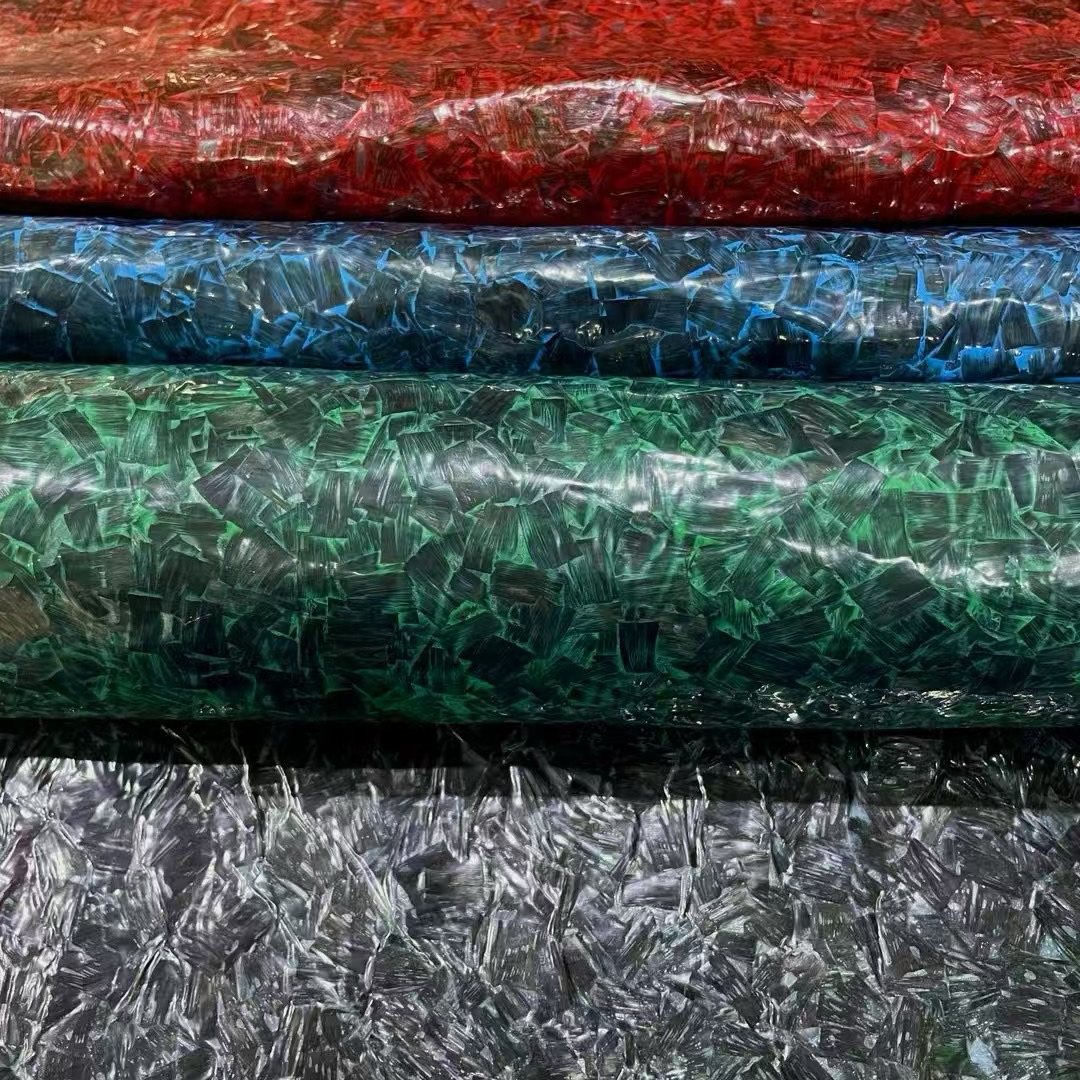
In advanced engineering sectors, material selection is never arbitrary. Every gram of weight, every unit of tensile strength, and every degree of thermal resistance matters. prepreg carbon fiber has become one of the most consistently chosen materials across aerospace, automotive, marine, and high-performance industrial applications. Its rise in professional engineering environments is not accidental — it is the direct result of technical advantages that alternative materials simply cannot match.
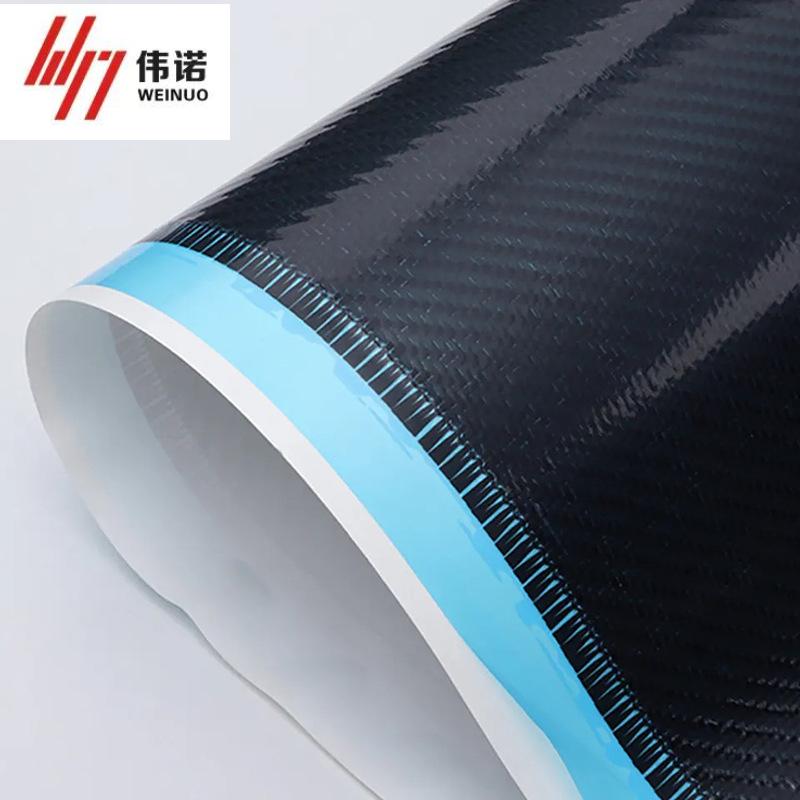
Unlike dry carbon fiber fabric that requires separate resin infusion during manufacturing, prepreg carbon fiber arrives with resin already uniformly distributed throughout the fiber layers. This pre-impregnation step is controlled under factory conditions, ensuring that every sheet of prepreg carbon fiber carries a precisely measured resin content. For engineers who cannot afford inconsistency, prepreg carbon fiber offers something invaluable: predictability at every stage of production.
The Structural Performance Advantage of Prepreg Carbon Fiber
Unmatched Strength-to-Weight Ratio
The primary reason prepreg carbon fiber dominates advanced engineering is its exceptional strength-to-weight ratio. Prepreg carbon fiber components are dramatically lighter than steel or aluminum equivalents while delivering equal or superior load-bearing performance. In aerospace engineering, for example, prepreg carbon fiber is used extensively in fuselage panels, wing structures, and interior framing. Reducing structural weight without compromising strength is a core engineering objective, and prepreg carbon fiber achieves this more effectively than virtually any competing material.
The mechanical performance of prepreg carbon fiber also benefits from fiber orientation control. During layup, engineers position each ply of prepreg carbon fiber at precise angles to optimize load distribution. This directional tunability means prepreg carbon fiber structures can be engineered to resist specific stress patterns, something isotropic metals cannot replicate. The result is a highly efficient structural material that performs exactly where performance is needed most.
Thermal and Chemical Resistance
Prepreg carbon fiber also performs reliably under extreme thermal and chemical conditions. High-temperature prepreg carbon fiber variants, often paired with epoxy or bismaleimide resins, retain their structural integrity at temperatures that would compromise standard polymers. In motorsport and aerospace, components made from prepreg carbon fiber regularly operate near engine heat sources without deformation or degradation. This thermal stability makes prepreg carbon fiber an engineering-grade solution rather than just a lightweight novelty.
Why Process Consistency Makes Prepreg Carbon Fiber Essential
Controlled Resin Distribution and Fiber Volume Fraction
One of the most technically significant advantages of prepreg carbon fiber is its controlled resin-to-fiber ratio. In wet layup processes, resin distribution depends heavily on operator skill and environmental conditions. Prepreg carbon fiber eliminates this variable by fixing the resin content during manufacturing. Engineers working with prepreg carbon fiber receive material with a known fiber volume fraction, which directly controls the density, stiffness, and strength of the finished component.
This consistency is critical for certified aerospace and defense components, where dimensional tolerances and mechanical properties must meet strict standards. Using prepreg carbon fiber, manufacturers can validate performance through material data sheets rather than relying solely on part-by-part destructive testing. Prepreg carbon fiber therefore reduces both production risk and quality assurance cost in high-specification environments.
Autoclave and Out-of-Autoclave Processing
Prepreg carbon fiber is compatible with both autoclave and out-of-autoclave curing methods. Traditional autoclave processing applies elevated pressure and temperature to cure prepreg carbon fiber laminates, producing parts with very low void content and high interlaminar shear strength. This method is standard in primary aerospace structures. However, advanced out-of-autoclave prepreg carbon fiber systems now allow high-quality curing in conventional ovens, making prepreg carbon fiber accessible to a broader range of engineering manufacturers without sacrificing structural reliability.
Out-of-autoclave prepreg carbon fiber has expanded its footprint in automotive, marine, and sports equipment sectors where autoclave access is limited. The ability to process prepreg carbon fiber in multiple curing environments has made it even more versatile, reinforcing its position as the preferred composite input for advanced engineering teams.
Sector-Specific Reasons for Favoring Prepreg Carbon Fiber
Aerospace and Defense Applications
In aerospace and defense, prepreg carbon fiber is not merely preferred — it is often mandated. Structural components must pass rigorous certification processes, and prepreg carbon fiber provides the material traceability and batch consistency that certification bodies require. Every roll of prepreg carbon fiber carries documented resin content, cure specifications, and fiber architecture data. This traceability chain makes prepreg carbon fiber indispensable when component failure is not an option.
Defense applications also rely on prepreg carbon fiber for radar-transparent structures, drone airframes, and lightweight ballistic housings. The electromagnetic properties of prepreg carbon fiber, combined with its mechanical performance, open engineering possibilities that metal structures simply cannot provide. Prepreg carbon fiber supports complex geometry molding, allowing engineers to design aerodynamic shapes that reduce drag while maintaining structural integrity under operational loads.
Motorsport and High-Performance Automotive
Motorsport engineering teams were among the earliest adopters of prepreg carbon fiber, using it for monocoques, body panels, and suspension components. The weight savings from prepreg carbon fiber translate directly into faster lap times and improved fuel efficiency. In Formula-class racing, nearly every structural component is fabricated from prepreg carbon fiber. The consistency of prepreg carbon fiber ensures that each part performs to its designed specification, race after race.
High-performance road car manufacturers have adopted prepreg carbon fiber for similar reasons. Roof panels, door structures, and chassis reinforcements built with prepreg carbon fiber lower the vehicle's center of gravity and improve crash energy management. As production techniques for prepreg carbon fiber mature, its use in premium automotive manufacturing continues to grow.
FAQ
What distinguishes prepreg carbon fiber from dry carbon fiber fabric?
Prepreg carbon fiber has resin pre-impregnated into the fiber layers under controlled factory conditions, delivering a fixed resin-to-fiber ratio. Dry carbon fiber fabric requires resin to be applied separately during manufacturing, which introduces variability in resin distribution and fiber volume fraction.
Does prepreg carbon fiber require specialized equipment to process?
Traditional prepreg carbon fiber processing uses an autoclave for pressure and heat curing. However, modern out-of-autoclave prepreg carbon fiber formulations allow curing in standard ovens, making prepreg carbon fiber more accessible without compromising structural quality for many engineering applications.
Why is prepreg carbon fiber used in aerospace over other composite materials?
Prepreg carbon fiber offers certified material traceability, consistent mechanical performance, and a superior strength-to-weight ratio that meets the strict standards of aerospace engineering. The documented properties of prepreg carbon fiber allow engineers to design and certify structures with high confidence in real-world performance.