High-Performance Carbon Fabric Types: Advanced Materials for Modern Engineering Solutions

  • No.80 Changjiang Mingzhu Road, Houcheng Street, Zhangjiagang City, Jiangsu Province, China
  • +86-15995540423

Mon - Fri: 9:00 - 19:00

carbon fabric types

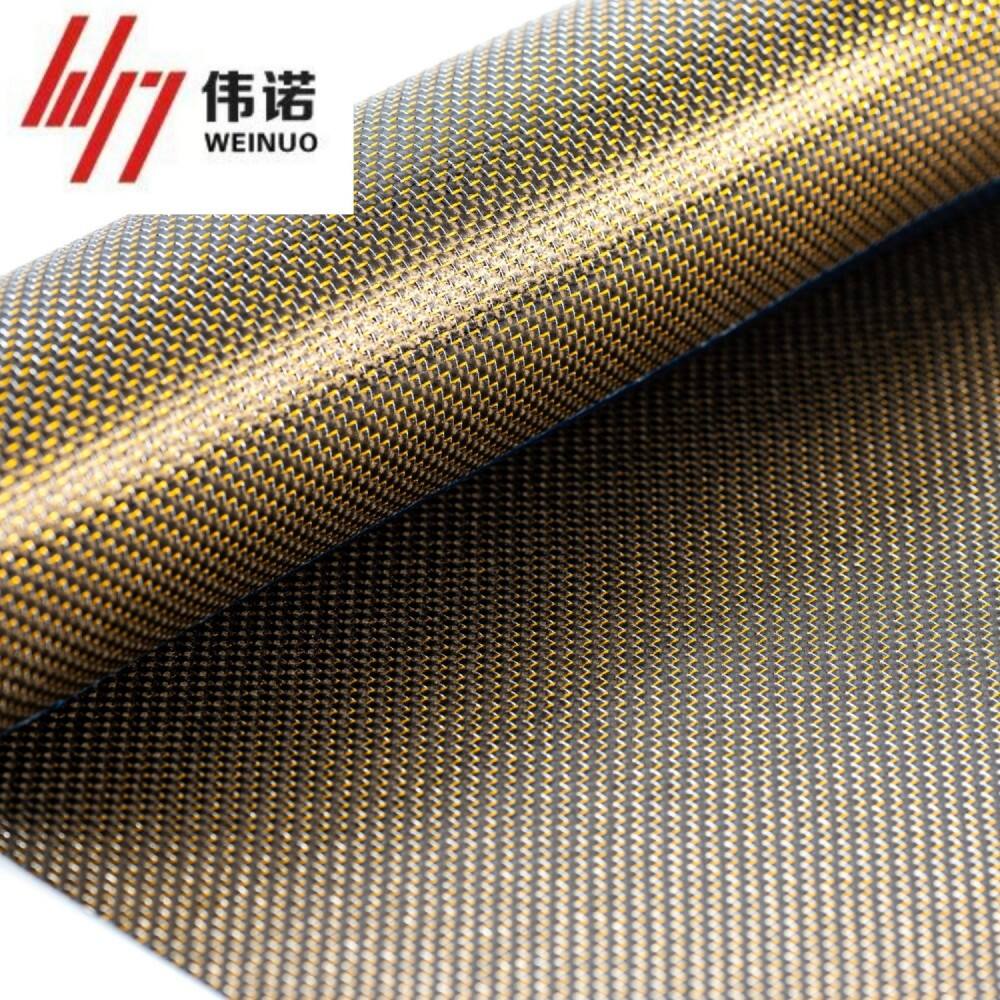
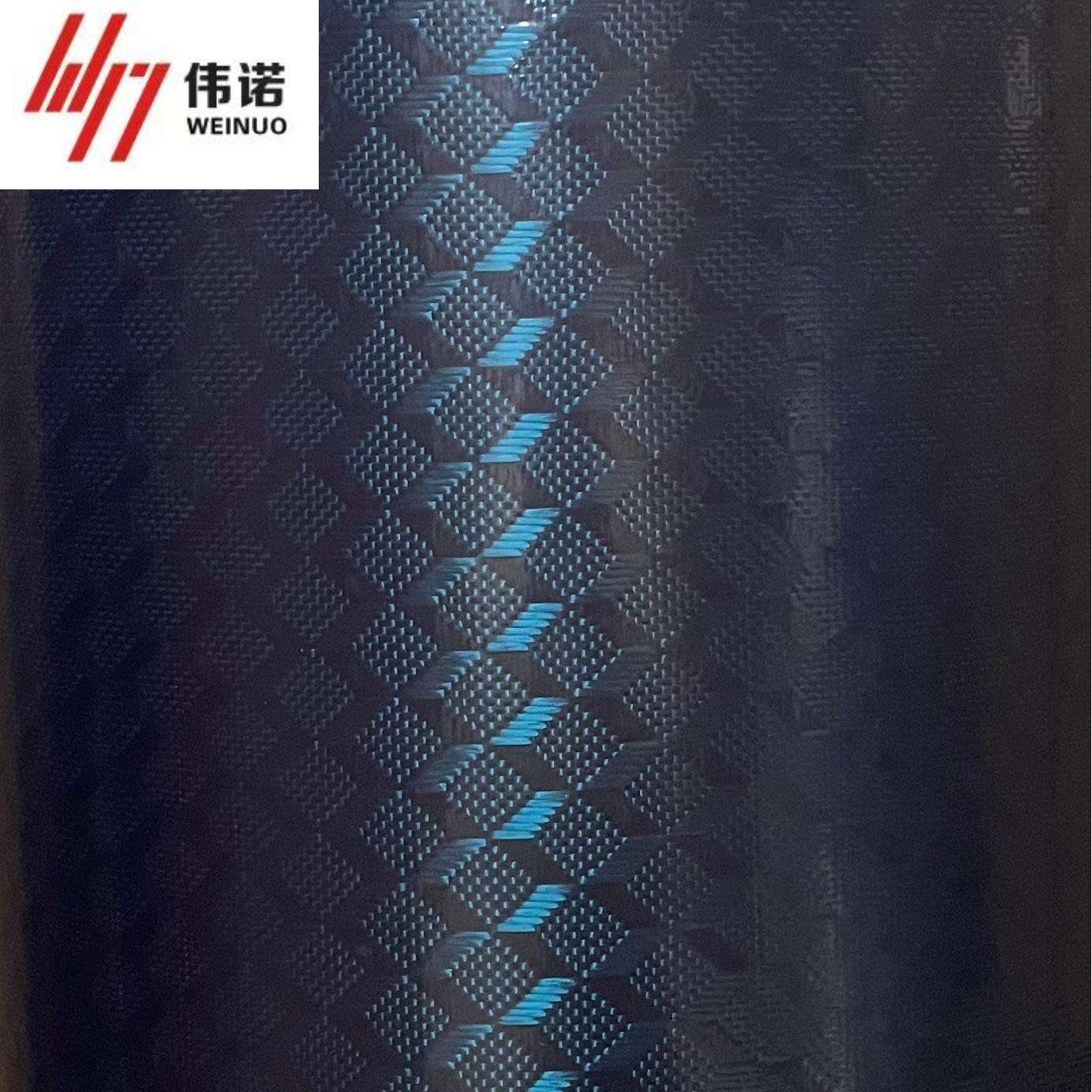
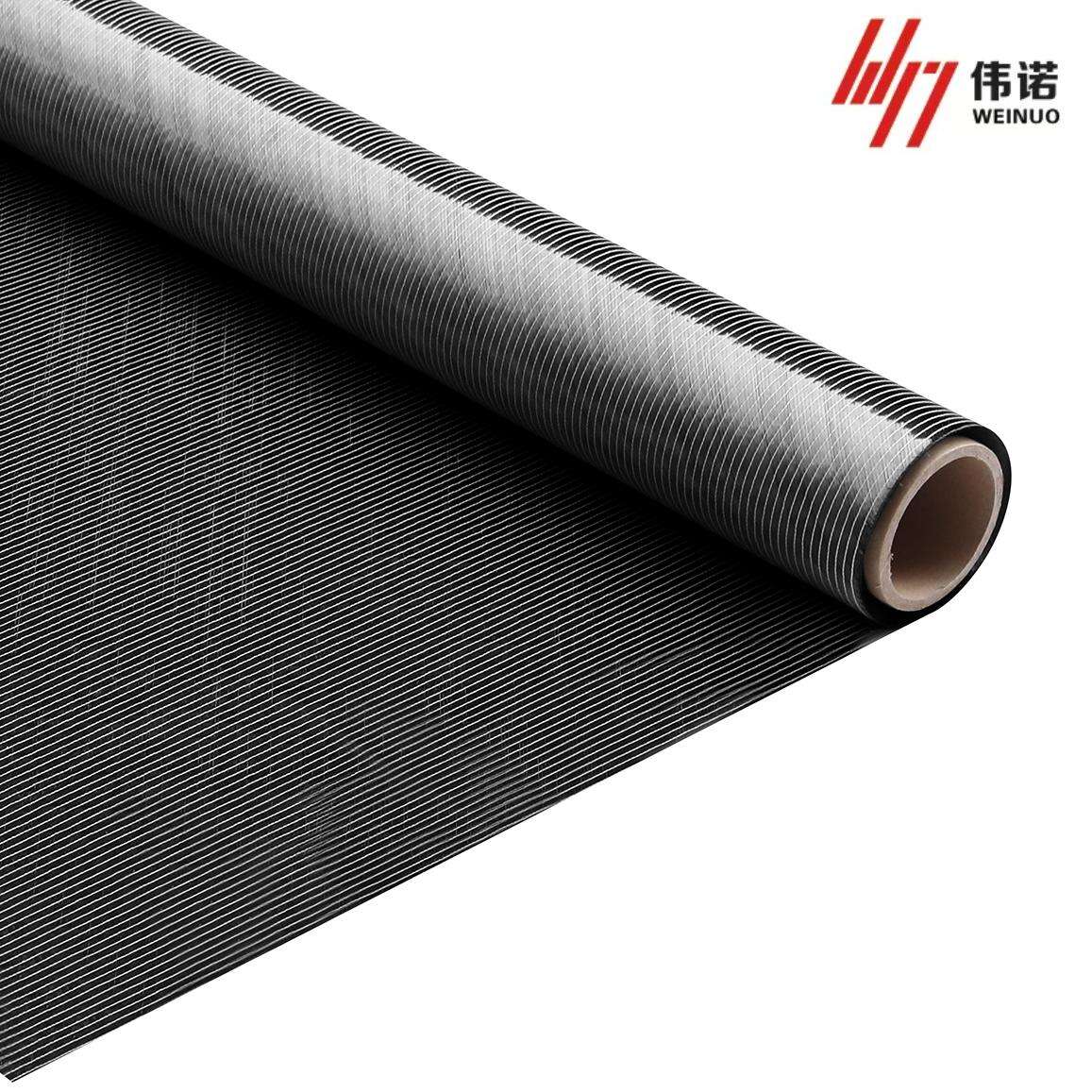
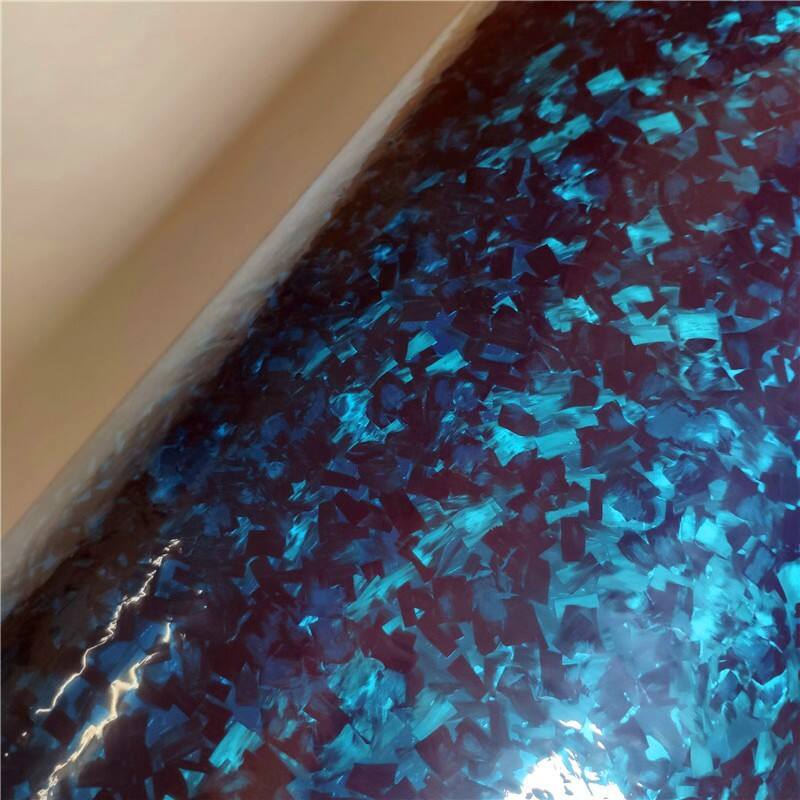
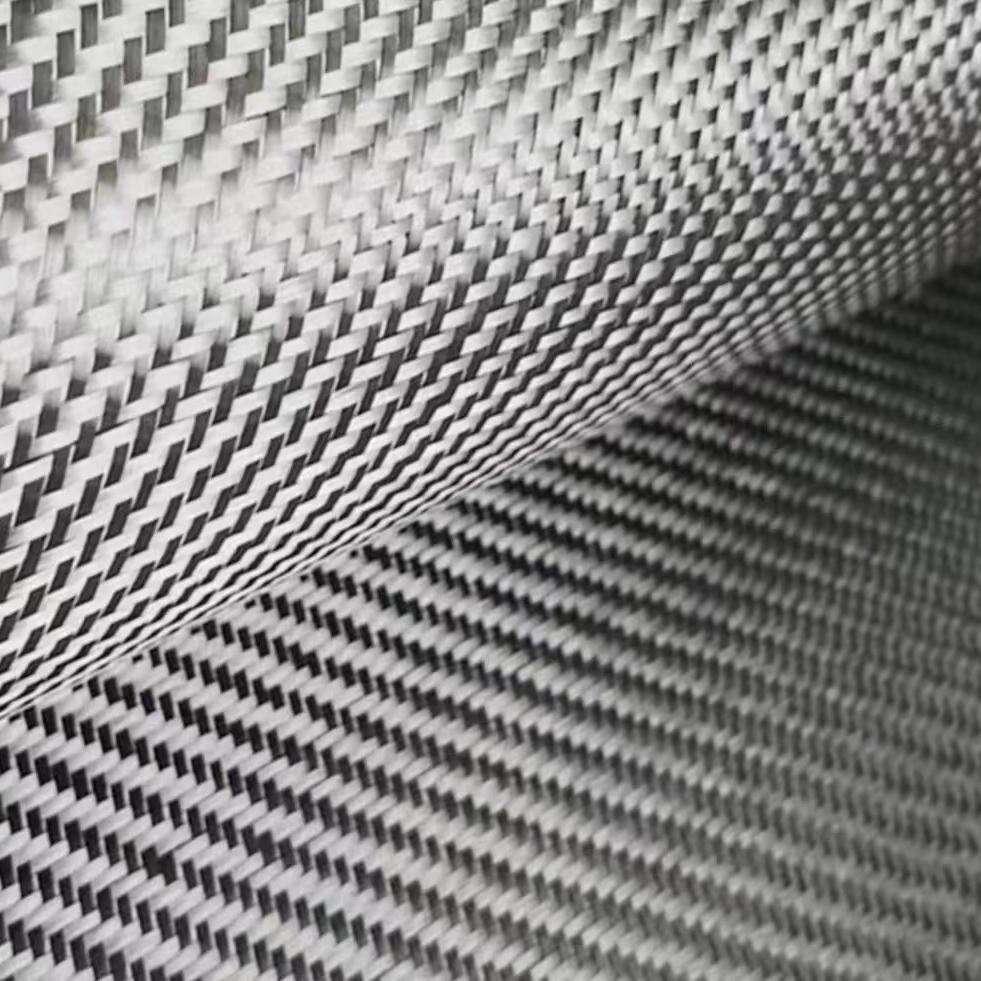
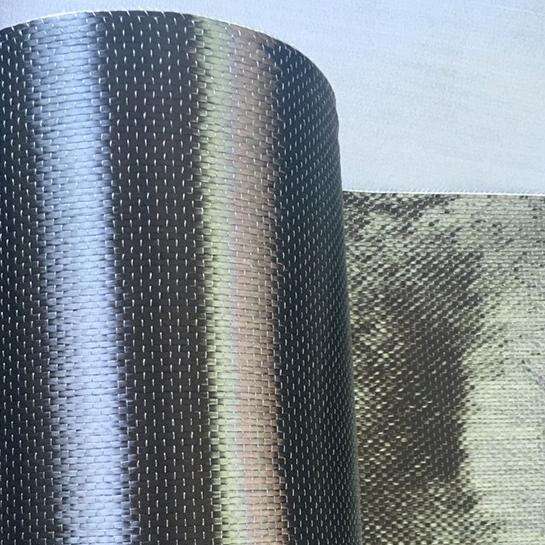
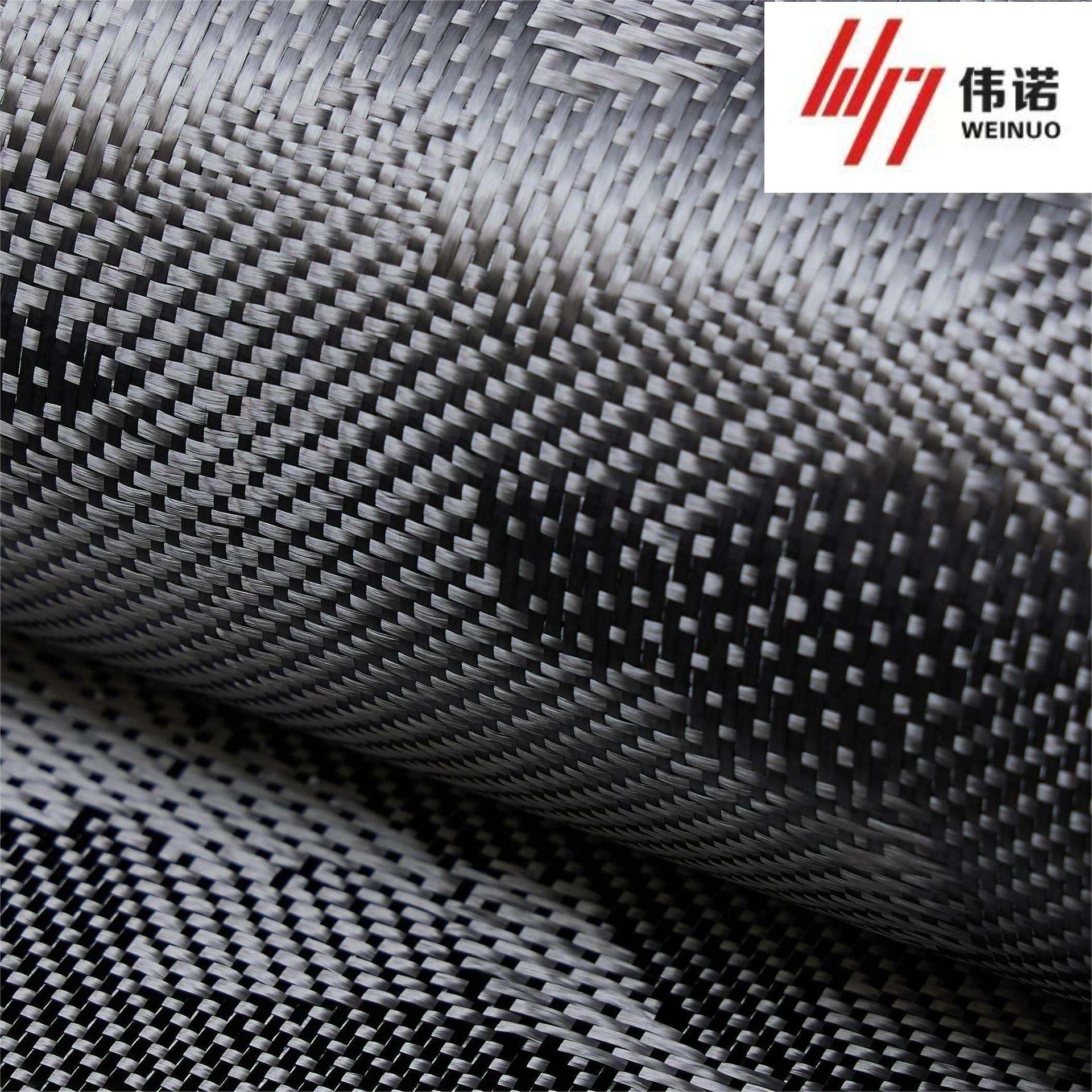
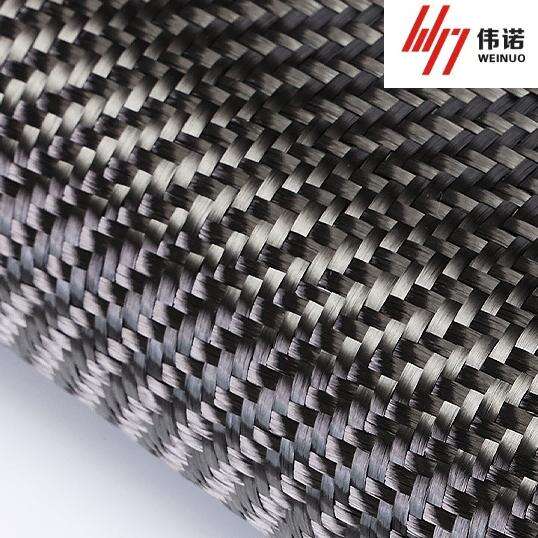
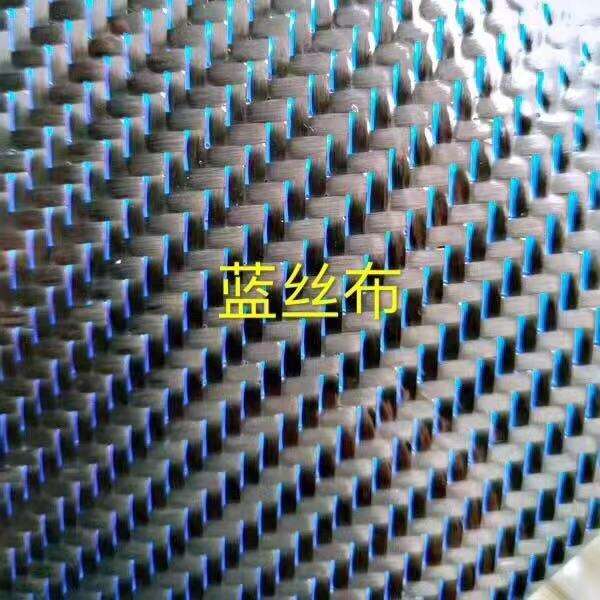
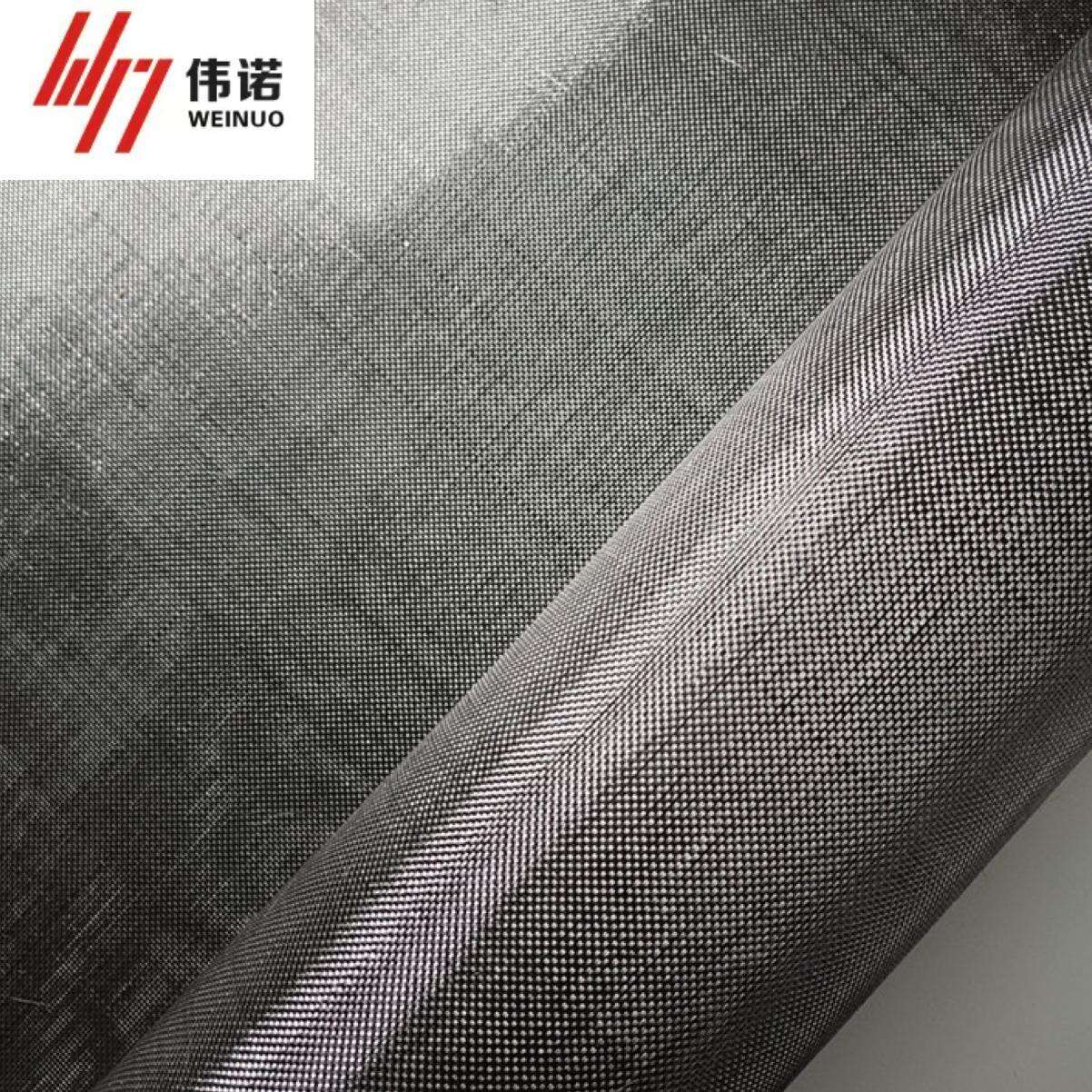
Carbon fabric represents a sophisticated class of technical textiles composed of carbon fibers woven into various patterns and configurations. These materials are engineered to deliver exceptional strength-to-weight ratios, making them invaluable in high-performance applications. The fabric types include plain weave, which offers balanced properties in both directions, twill weave that provides enhanced drapability, and unidirectional configurations that maximize strength in a single orientation. Modern carbon fabrics incorporate advanced fiber technologies, including high-modulus and intermediate-modulus variants, each optimized for specific performance requirements. Their applications span across aerospace, automotive manufacturing, sporting goods, and industrial infrastructure. The fabric's inherent properties include superior tensile strength, excellent fatigue resistance, and remarkable thermal stability. These characteristics are further enhanced through specialized surface treatments and sizing agents that improve handling and matrix compatibility. The manufacturing process involves carefully controlled carbonization of precursor materials, typically polyacrylonitrile (PAN), resulting in fabrics with precisely engineered mechanical properties.


Popular Products

Carbon fabric types offer numerous compelling advantages that make them indispensable in modern engineering applications. Their exceptional strength-to-weight ratio stands out as a primary benefit, allowing designers to create lighter yet stronger structures compared to traditional materials. This characteristic particularly benefits aerospace and automotive industries, where weight reduction directly impacts fuel efficiency and performance. The material's outstanding fatigue resistance ensures long-term reliability under cyclic loading conditions, reducing maintenance requirements and extending service life. Carbon fabrics also demonstrate remarkable chemical resistance, making them suitable for corrosive environments. Their thermal stability allows for consistent performance across a wide temperature range, while their near-zero thermal expansion coefficient ensures dimensional stability in varying conditions. The versatility of carbon fabrics is evident in their ability to be molded into complex shapes while maintaining structural integrity. Their excellent electrical conductivity makes them valuable for electromagnetic shielding applications. The fabrics also offer superior vibration damping properties, enhancing comfort and reducing noise in various applications. Additionally, their compatibility with different resin systems allows for customized composite solutions tailored to specific requirements.

Latest News

How Does Forged Carbon Fiber Compare to Traditional Composites in Design

25

Sep

How Does Forged Carbon Fiber Compare to Traditional Composites in Design

The Evolution of Advanced Composite Materials in Modern Design The world of composite materials has witnessed a revolutionary transformation with the emergence of forged carbon fiber technology. This innovative material has redefined what's possible ...
View More
What Should Buyers Know About Industrial-Grade Carbon Fiber Fabric

25

Sep

What Should Buyers Know About Industrial-Grade Carbon Fiber Fabric

Understanding the Revolutionary World of Advanced Composite Materials Industrial-grade carbon fiber fabric represents one of the most significant advancements in modern manufacturing and engineering materials. This remarkable composite material has t...
View More
Why Is Carbon Fiber Fabric Trusted in Aerospace and Automotive Manufacturing

25

Sep

Why Is Carbon Fiber Fabric Trusted in Aerospace and Automotive Manufacturing

The Revolutionary Impact of Advanced Composites in Modern Engineering In the realm of high-performance materials, carbon fiber fabric has emerged as a game-changing innovation that continues to reshape the aerospace and automotive industries. This re...
View More
How Does Carbon Fiber Cloth Improve Mechanical Performance in Industry

25

Sep

How Does Carbon Fiber Cloth Improve Mechanical Performance in Industry

Understanding the Revolutionary Impact of Advanced Composite Materials In the realm of industrial engineering and manufacturing, carbon fiber cloth has emerged as a transformative material that's reshaping how we approach mechanical performance. This...
View More

Get a Free Quote

Our representative will contact you soon.
Email
Name
Company Name
Message
0/1000
Whatsapp Number

carbon fabric types

Superior Mechanical Performance

Superior Mechanical Performance

Carbon fabric types excel in mechanical performance through their unique fiber architecture and material properties. The carefully engineered weave patterns optimize load distribution, resulting in exceptional tensile strength that surpasses traditional materials by several orders of magnitude. This superior strength is maintained even under extreme conditions, making carbon fabrics ideal for critical structural applications. The fabric's ability to resist deformation under stress ensures dimensional stability in finished products, while its fatigue resistance significantly extends the operational lifespan of components. The material's high modulus of elasticity provides excellent stiffness without adding excessive weight, enabling the creation of rigid structures that maintain their shape under varying loads.
Versatile Processing Capabilities

Versatile Processing Capabilities

The adaptability of carbon fabric types in manufacturing processes sets them apart in the composite industry. These materials can be easily integrated into various production methods, including vacuum infusion, resin transfer molding, and autoclave processing. The fabric's drapability allows it to conform to complex geometries without compromising structural integrity, enabling the creation of intricate shapes and designs. Different weave patterns can be selected to optimize specific properties, such as bidirectional strength or enhanced formability. The fabric's compatibility with various resin systems provides flexibility in achieving desired mechanical properties and processing parameters.
Environmental and Economic Benefits

Environmental and Economic Benefits

Carbon fabric types contribute significantly to sustainable engineering solutions while offering long-term economic advantages. Their lightweight nature reduces fuel consumption in transportation applications, leading to decreased carbon emissions throughout the product lifecycle. The exceptional durability of carbon fabrics results in reduced maintenance requirements and extended service life, lowering the total cost of ownership. Their resistance to environmental factors such as corrosion and UV radiation minimizes degradation and replacement needs. The ability to create optimized structures with less material not only reduces waste but also improves resource efficiency in manufacturing processes.

Get a Free Quote

Our representative will contact you soon.
Email
Name
Company Name
Message
0/1000
Whatsapp Number