Carbon Fiber: Advanced Composite Material for Superior Strength and Performance

  • No.80 Changjiang Mingzhu Road, Houcheng Street, Zhangjiagang City, Jiangsu Province, China
  • +86-15995540423

Mon - Fri: 9:00 - 19:00

carbon fiber

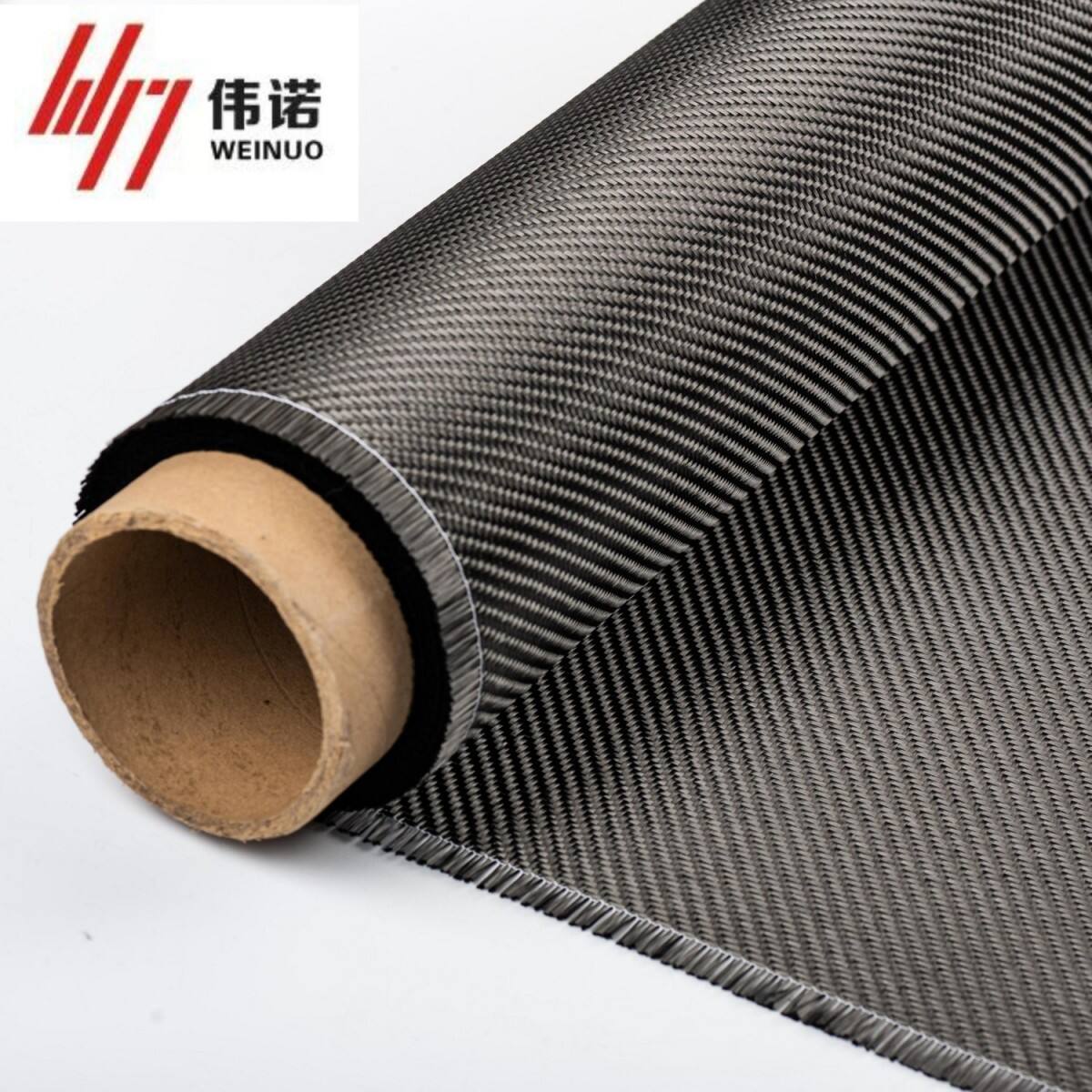
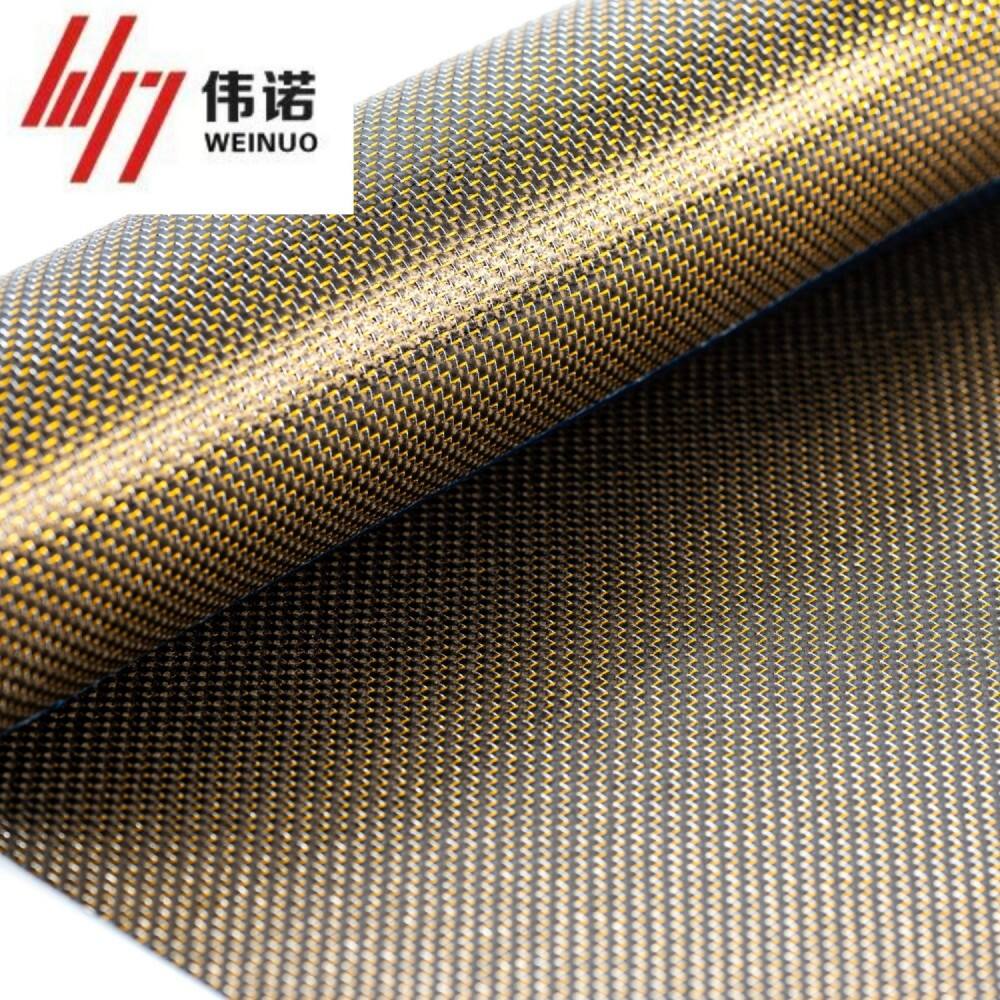
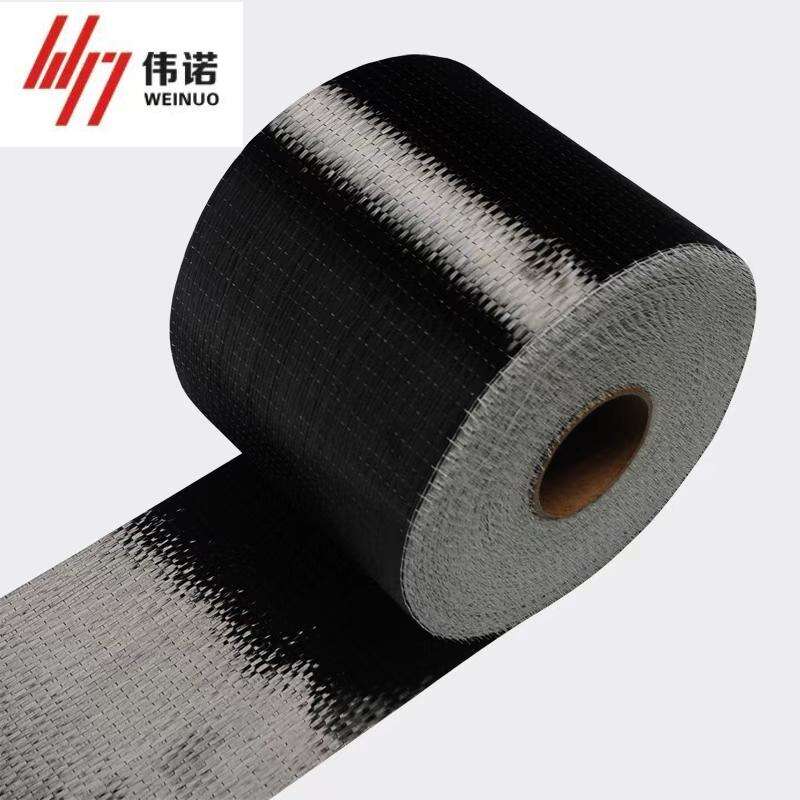
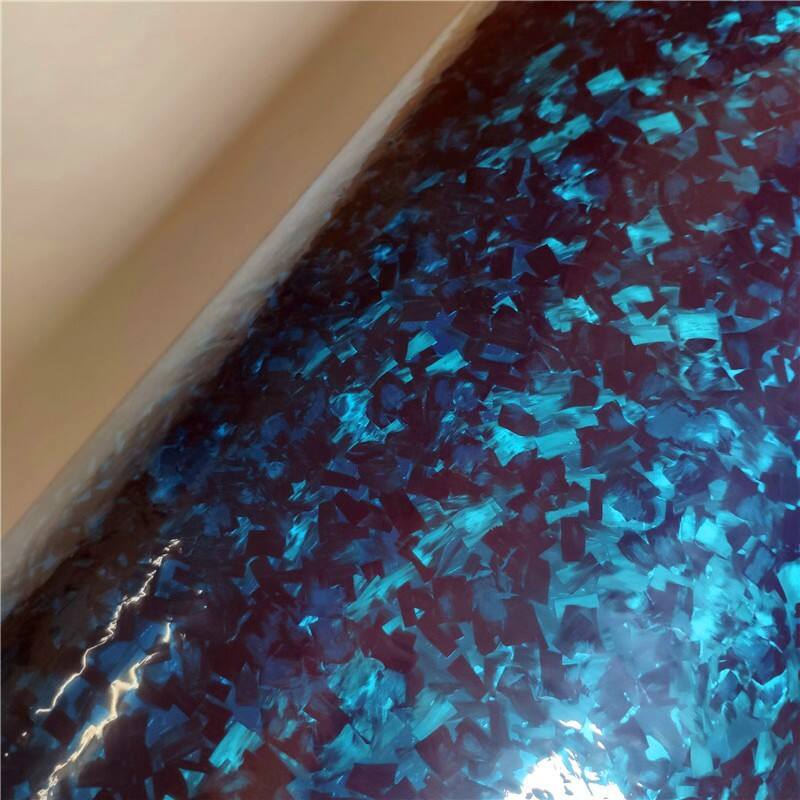
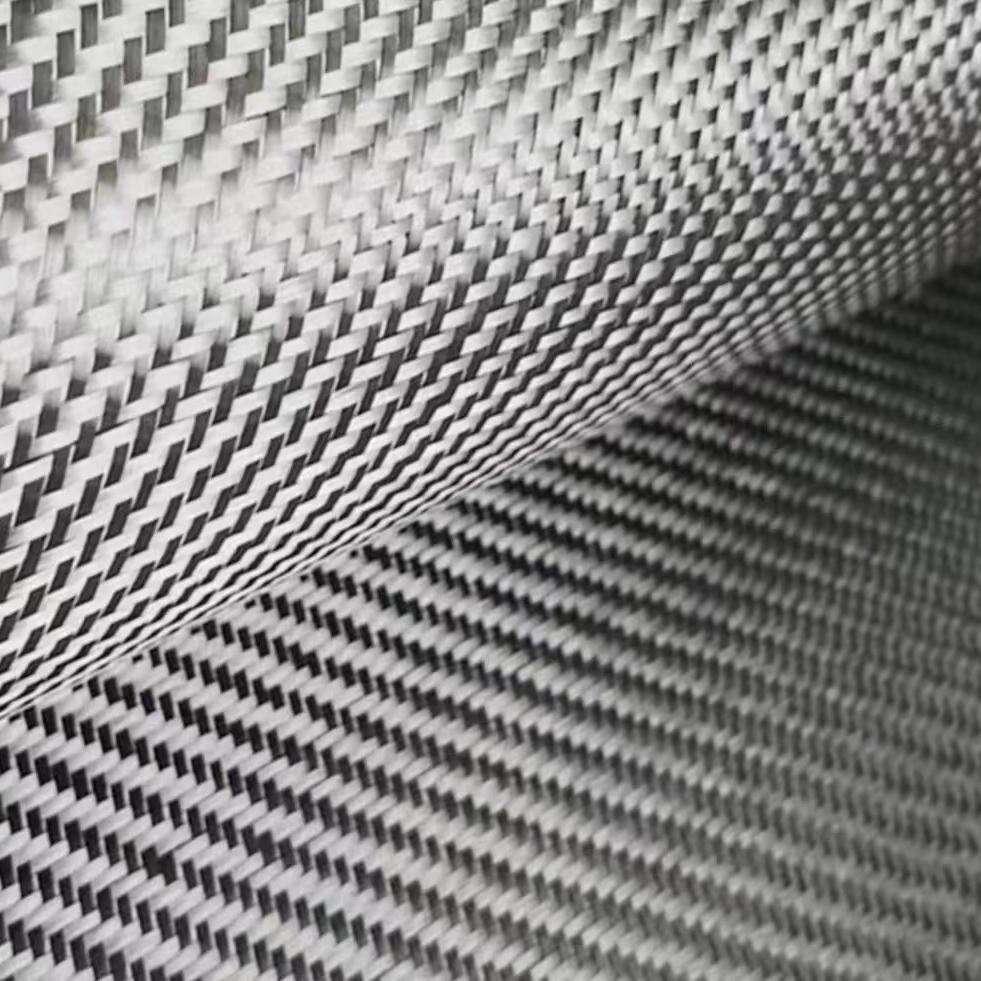
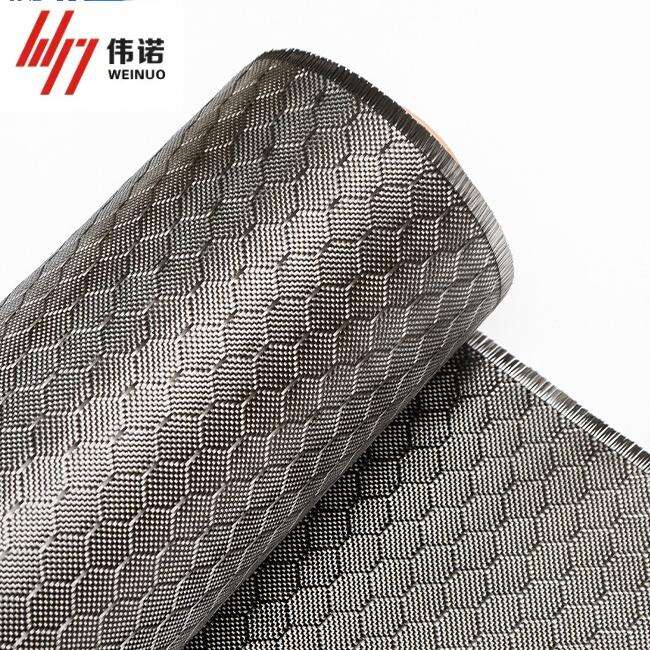
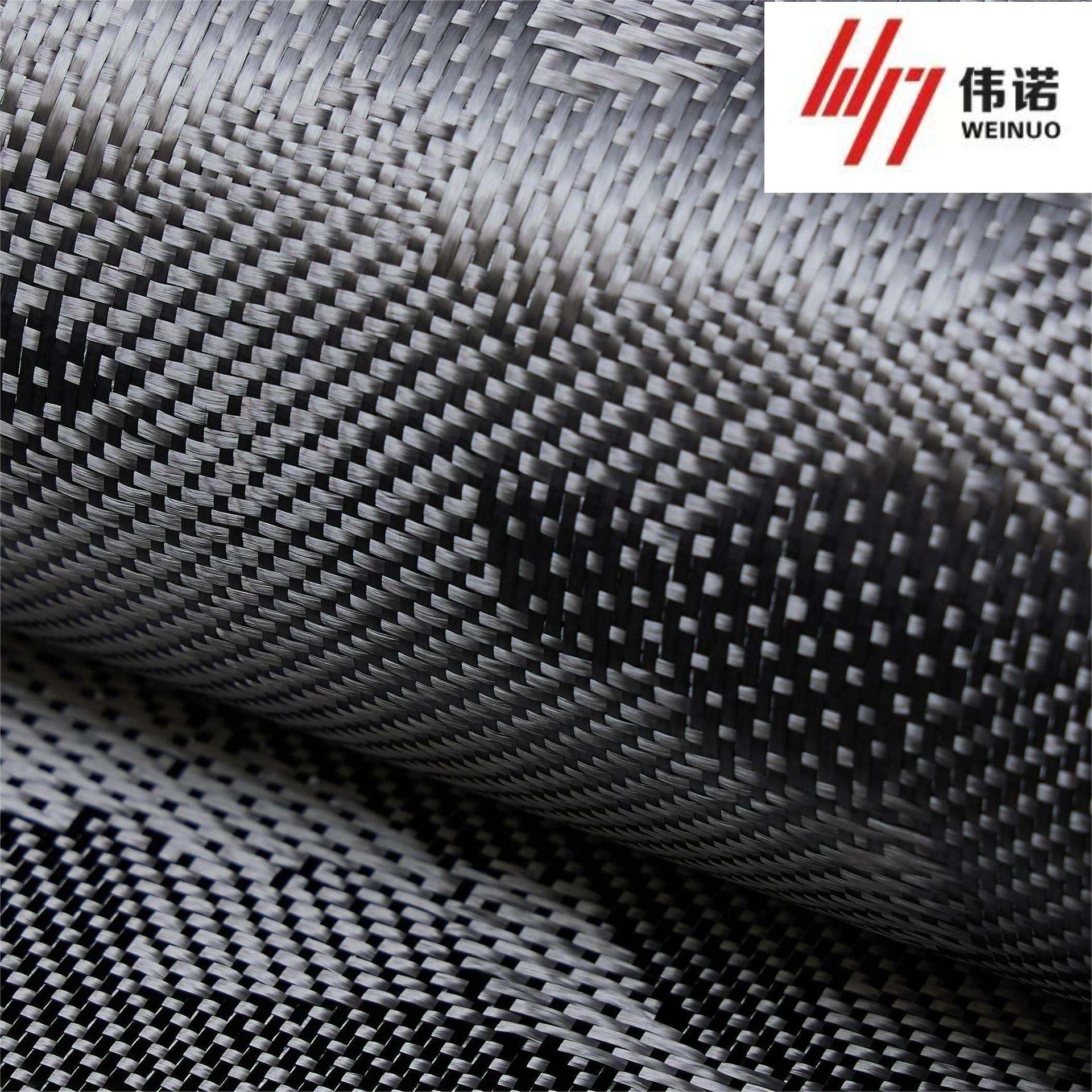
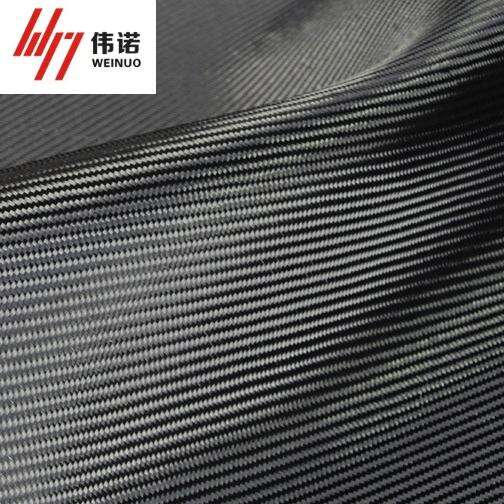
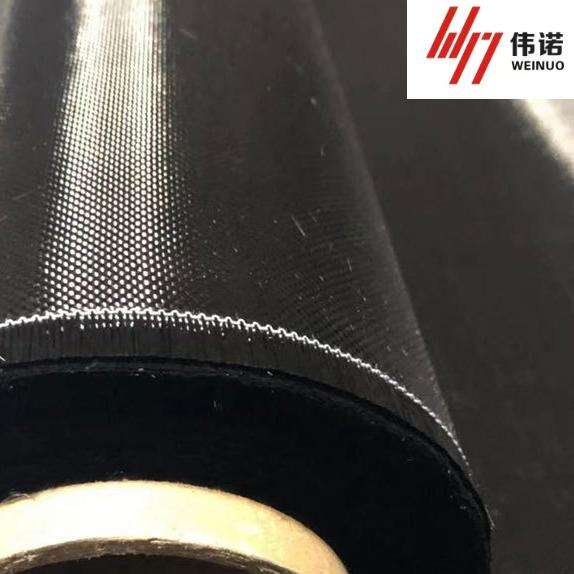
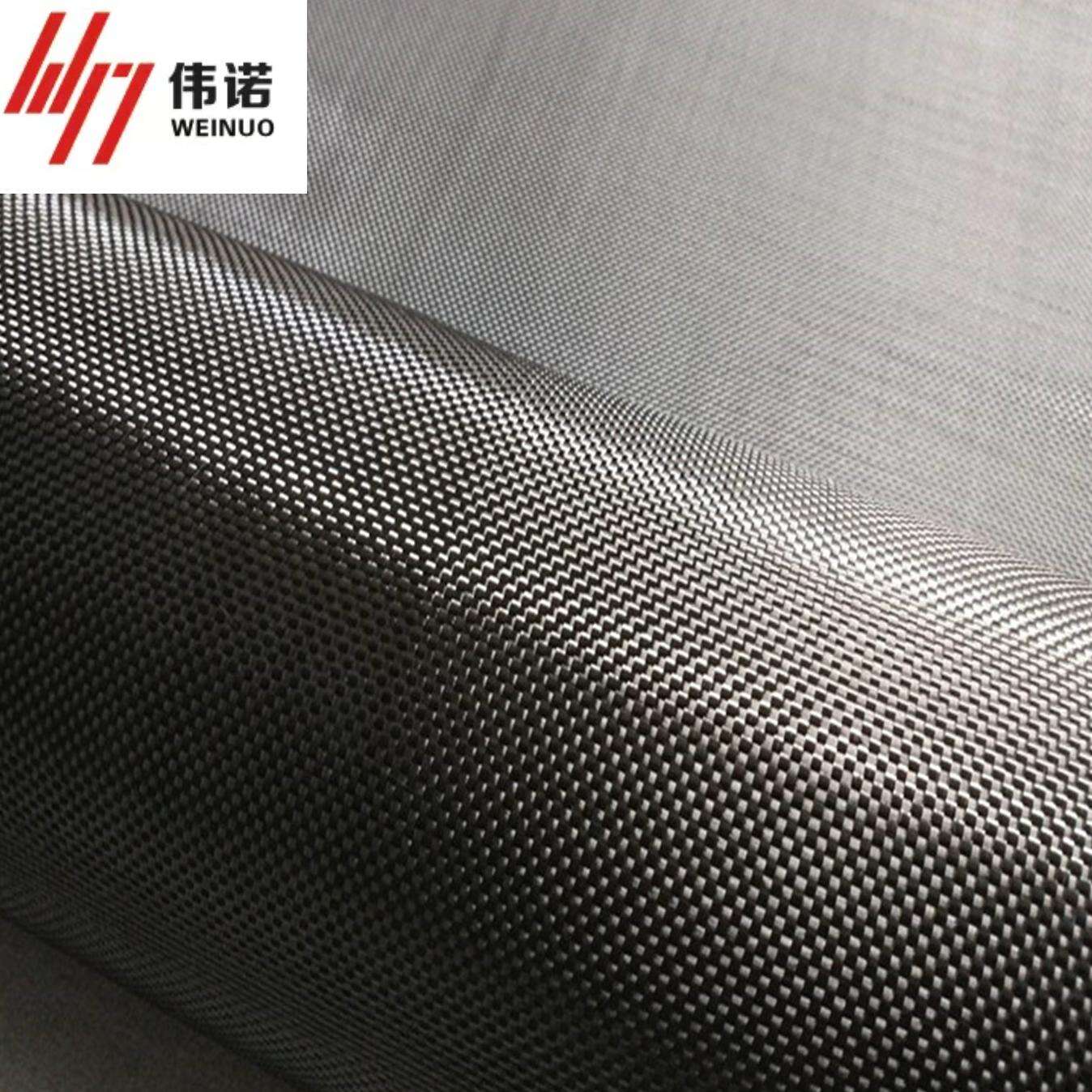
Carbon fiber represents a groundbreaking material in modern manufacturing, characterized by its remarkable strength-to-weight ratio and versatility. This advanced composite material consists of extremely thin fibers about 5-10 micrometers in diameter, primarily composed of carbon atoms bonded together in microscopic crystals. The manufacturing process involves oxidation and thermal treatment of organic precursors, resulting in a material that combines exceptional strength with minimal weight. Carbon fiber's unique properties make it invaluable across various industries, from aerospace and automotive to sporting goods and consumer electronics. Its high tensile strength, low thermal expansion, and excellent chemical resistance have revolutionized product design and engineering capabilities. In high-performance applications, carbon fiber components can replace traditional materials like steel and aluminum, offering superior performance while reducing overall weight by up to 50%. The material's adaptability allows it to be woven into different patterns and combined with various resins to create composite materials tailored to specific applications, from rigid structural components to flexible protective gear.


Popular Products

Carbon fiber offers numerous compelling advantages that make it an exceptional choice for modern applications. First and foremost, its unprecedented strength-to-weight ratio surpasses traditional materials, enabling the creation of lighter yet more durable products. This characteristic is particularly valuable in transportation applications, where weight reduction leads to improved fuel efficiency and performance. The material's exceptional fatigue resistance ensures long-term reliability, significantly outlasting conventional materials in high-stress applications. Carbon fiber's corrosion resistance eliminates the need for protective coatings or treatments, reducing maintenance requirements and extending product lifespan. The material's thermal stability maintains its structural integrity across a wide temperature range, making it ideal for demanding environments. Its dimensional stability ensures precise tolerances in manufacturing, crucial for high-precision components. The aesthetic appeal of carbon fiber, with its distinctive woven pattern and modern appearance, adds value to premium products. The material's versatility in manufacturing processes allows for complex shapes and designs that would be difficult or impossible with traditional materials. Additionally, carbon fiber's vibration damping properties enhance comfort and performance in applications ranging from sporting equipment to aerospace components. Despite its higher initial cost, the long-term benefits of reduced maintenance, extended lifespan, and improved performance often result in a superior return on investment.

Practical Tips

How Does Forged Carbon Fiber Compare to Traditional Composites in Design

25

Sep

How Does Forged Carbon Fiber Compare to Traditional Composites in Design

The Evolution of Advanced Composite Materials in Modern Design The world of composite materials has witnessed a revolutionary transformation with the emergence of forged carbon fiber technology. This innovative material has redefined what's possible ...
View More
What Should Buyers Know About Industrial-Grade Carbon Fiber Fabric

25

Sep

What Should Buyers Know About Industrial-Grade Carbon Fiber Fabric

Understanding the Revolutionary World of Advanced Composite Materials Industrial-grade carbon fiber fabric represents one of the most significant advancements in modern manufacturing and engineering materials. This remarkable composite material has t...
View More
Why Manufacturers Prefer Carbon Fiber Fabric for Long-Term Durability

25

Sep

Why Manufacturers Prefer Carbon Fiber Fabric for Long-Term Durability

The Revolutionary Impact of Advanced Composite Materials in Manufacturing In the ever-evolving landscape of modern manufacturing, carbon fiber fabric has emerged as a game-changing material that's reshaping industries from aerospace to automotive. Th...
View More
How Does Carbon Fiber Cloth Improve Mechanical Performance in Industry

25

Sep

How Does Carbon Fiber Cloth Improve Mechanical Performance in Industry

Understanding the Revolutionary Impact of Advanced Composite Materials In the realm of industrial engineering and manufacturing, carbon fiber cloth has emerged as a transformative material that's reshaping how we approach mechanical performance. This...
View More

Get a Free Quote

Our representative will contact you soon.
Email
Name
Company Name
Message
0/1000
Whatsapp Number

carbon fiber

Unmatched Strength and Lightweight Properties

Unmatched Strength and Lightweight Properties

Carbon fiber's exceptional strength-to-weight ratio sets it apart as a revolutionary material in modern engineering. The material achieves tensile strengths up to ten times greater than steel while maintaining just one-fourth of the weight. This remarkable combination enables designers and engineers to create products that were previously impossible with traditional materials. In aerospace applications, this translates to aircraft components that significantly reduce fuel consumption while maintaining structural integrity. The automotive industry leverages these properties to enhance vehicle performance and efficiency, creating lighter vehicles that maintain or exceed safety standards. The material's high specific strength allows for thinner wall sections and reduced material usage without compromising structural integrity, leading to more efficient design solutions and improved performance across various applications.
Superior Durability and Environmental Resistance

Superior Durability and Environmental Resistance

Carbon fiber exhibits exceptional resistance to environmental factors that typically degrade conventional materials. Its inherent resistance to corrosion, UV radiation, and chemical exposure ensures long-term reliability in challenging environments. The material maintains its structural properties across extreme temperature ranges, from cryogenic conditions to high-heat applications. This durability translates to reduced maintenance requirements and extended service life, making it particularly valuable in infrastructure and marine applications. The material's fatigue resistance surpasses that of traditional metals, maintaining its structural integrity even under repeated stress cycles. This characteristic is crucial in applications such as wind turbine blades, where components must withstand continuous cyclic loading over decades of service.
Versatile Manufacturing and Design Flexibility

Versatile Manufacturing and Design Flexibility

Carbon fiber's manufacturing versatility opens up unprecedented design possibilities across industries. The material can be molded into complex shapes while maintaining its exceptional properties, allowing engineers to optimize designs for specific applications. Different weave patterns and fiber orientations can be selected to enhance specific mechanical properties, such as stiffness in particular directions or impact resistance. The ability to combine carbon fiber with various resin systems creates composites tailored to specific applications, from rigid aerospace components to flexible sports equipment. Modern manufacturing techniques, including automated fiber placement and resin transfer molding, enable efficient production of consistent, high-quality components. This manufacturing flexibility, combined with the material's excellent surface finish capabilities, makes carbon fiber ideal for both functional and aesthetic applications.

Get a Free Quote

Our representative will contact you soon.
Email
Name
Company Name
Message
0/1000
Whatsapp Number