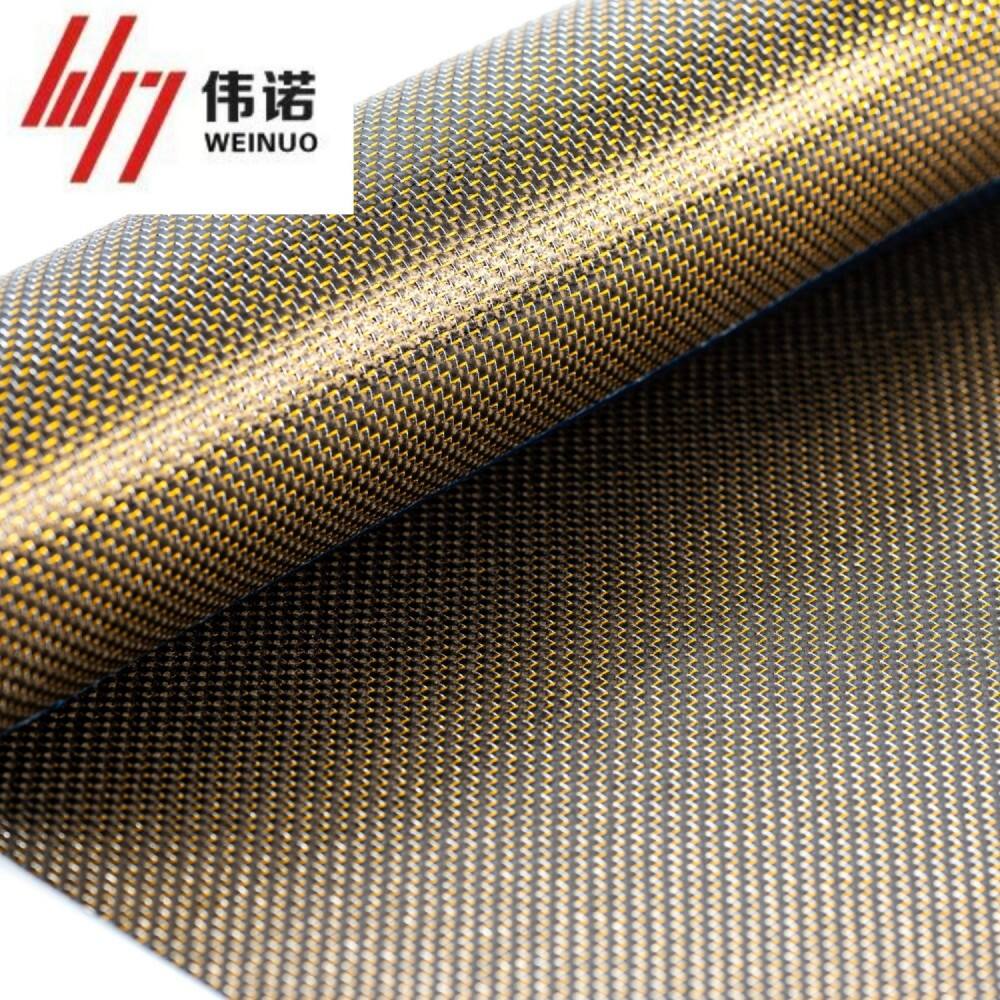
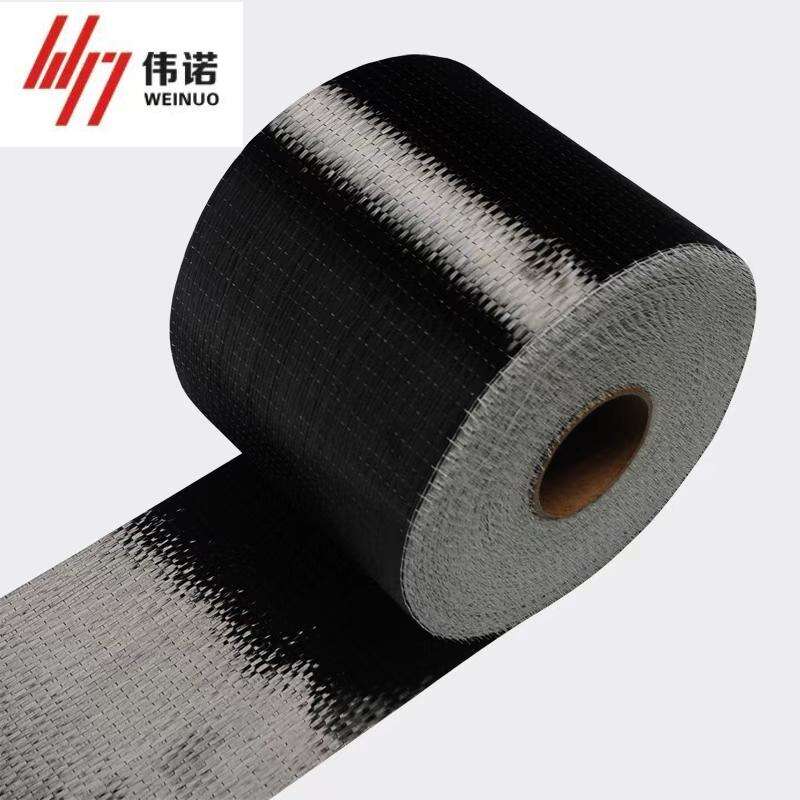
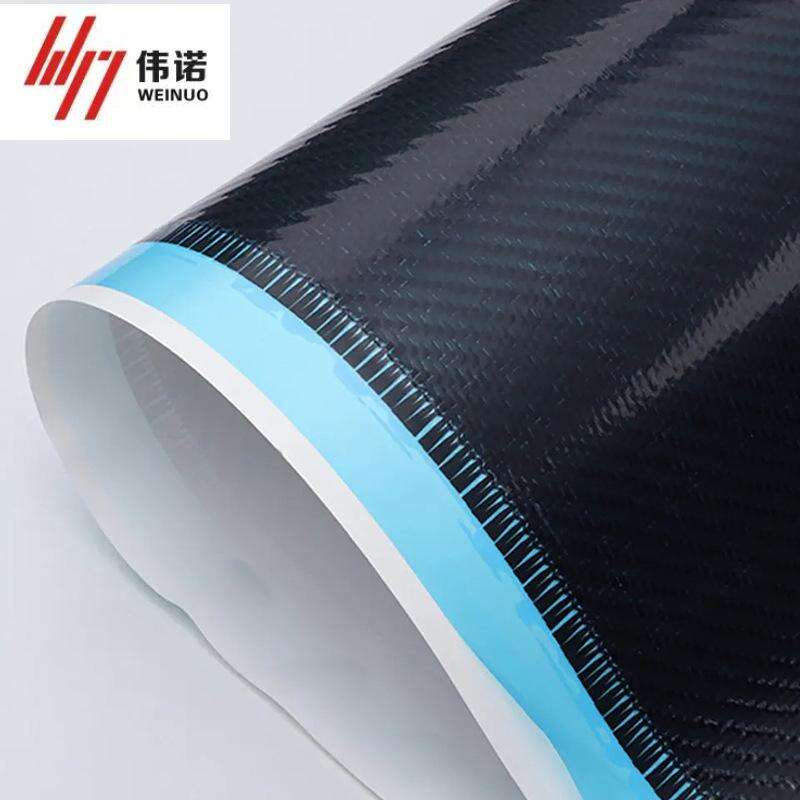
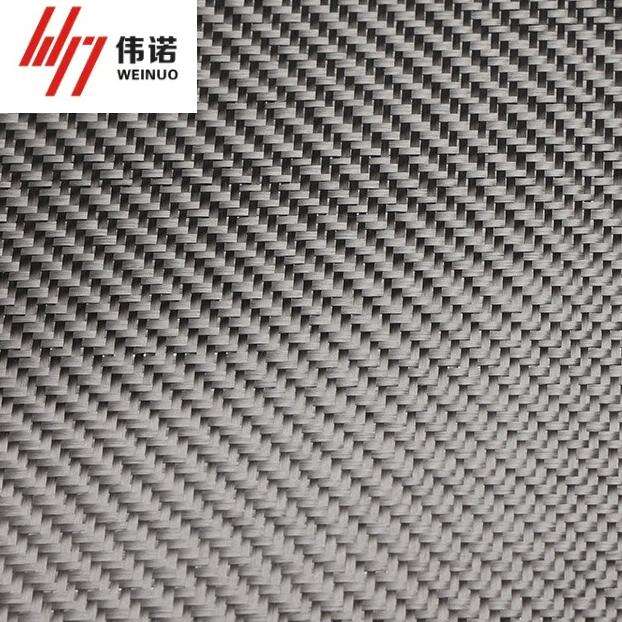
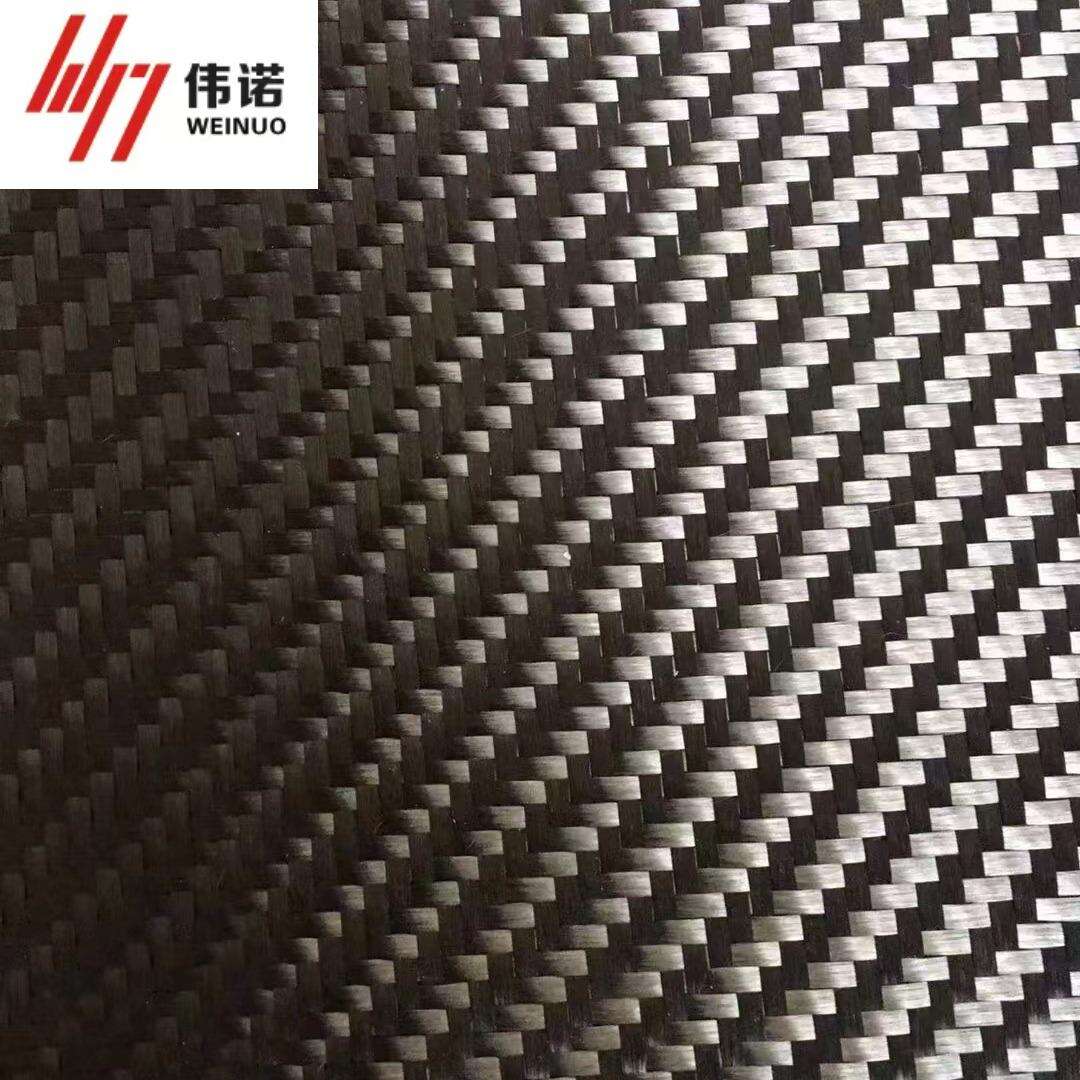
carbon fibre
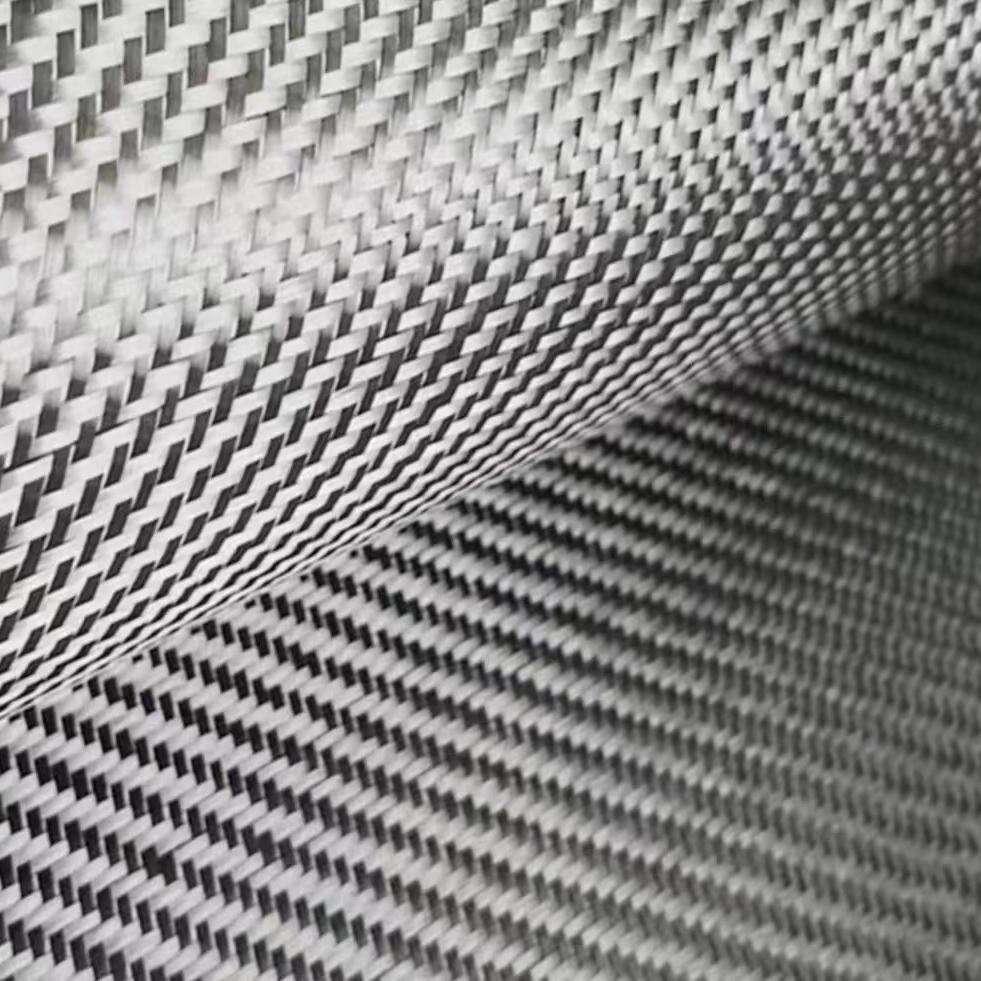
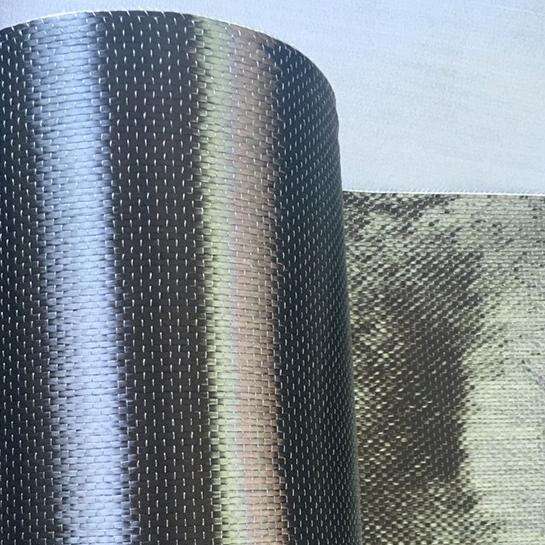
Carbon fibre represents a groundbreaking material technology that has revolutionized multiple industries through its exceptional strength-to-weight ratio. This advanced material consists of extremely thin fibers, about 5-10 micrometers in diameter, composed primarily of carbon atoms. These atoms are bonded together in microscopic crystals, aligned parallel to the long axis of the fiber, giving the material its remarkable strength. When combined with epoxy resin and molded, carbon fibre creates a composite material that offers unprecedented durability while remaining incredibly lightweight. The material's versatility extends across various sectors, from aerospace and automotive industries to sporting goods and consumer electronics. In aerospace applications, carbon fibre components significantly reduce aircraft weight, leading to improved fuel efficiency and performance. The automotive industry utilizes carbon fibre in high-performance vehicles to enhance speed and handling while maintaining structural integrity. Additionally, the material's application in sporting equipment, such as tennis rackets, golf clubs, and bicycle frames, has transformed athletic performance by providing superior strength and control with minimal weight. The manufacturing process involves carefully controlled oxidation and carbonization of precursor materials, typically polyacrylonitrile, resulting in a material that exhibits excellent fatigue resistance and thermal expansion properties.

 EN
EN