Carbon Kevlar Fabric Types: Advanced Composite Materials for Superior Performance and Protection

  • No.80 Changjiang Mingzhu Road, Houcheng Street, Zhangjiagang City, Jiangsu Province, China
  • +86-15995540423

Mon - Fri: 9:00 - 19:00

carbon kevlar fabric types

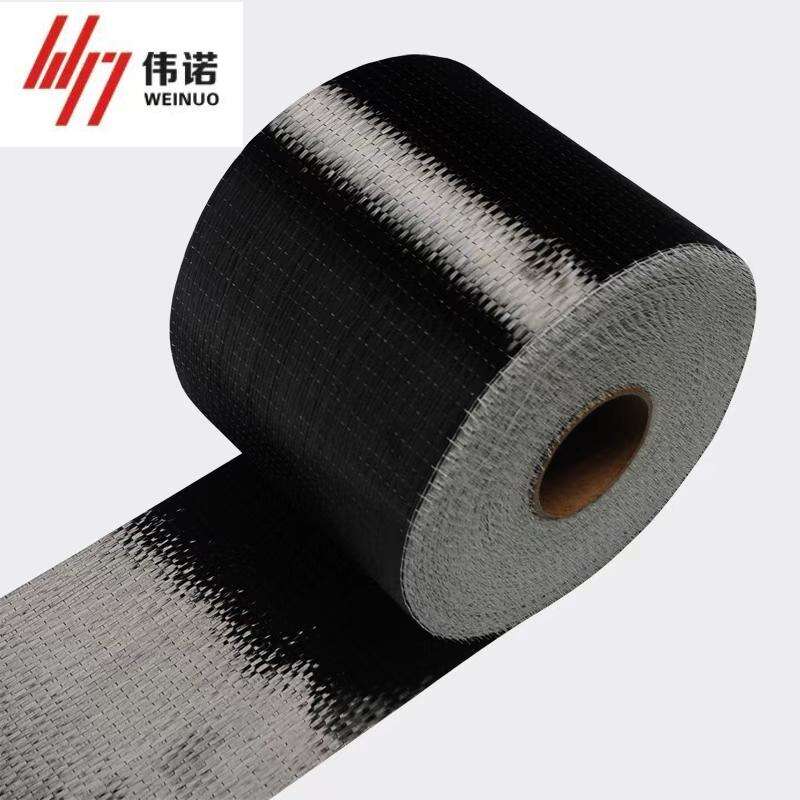
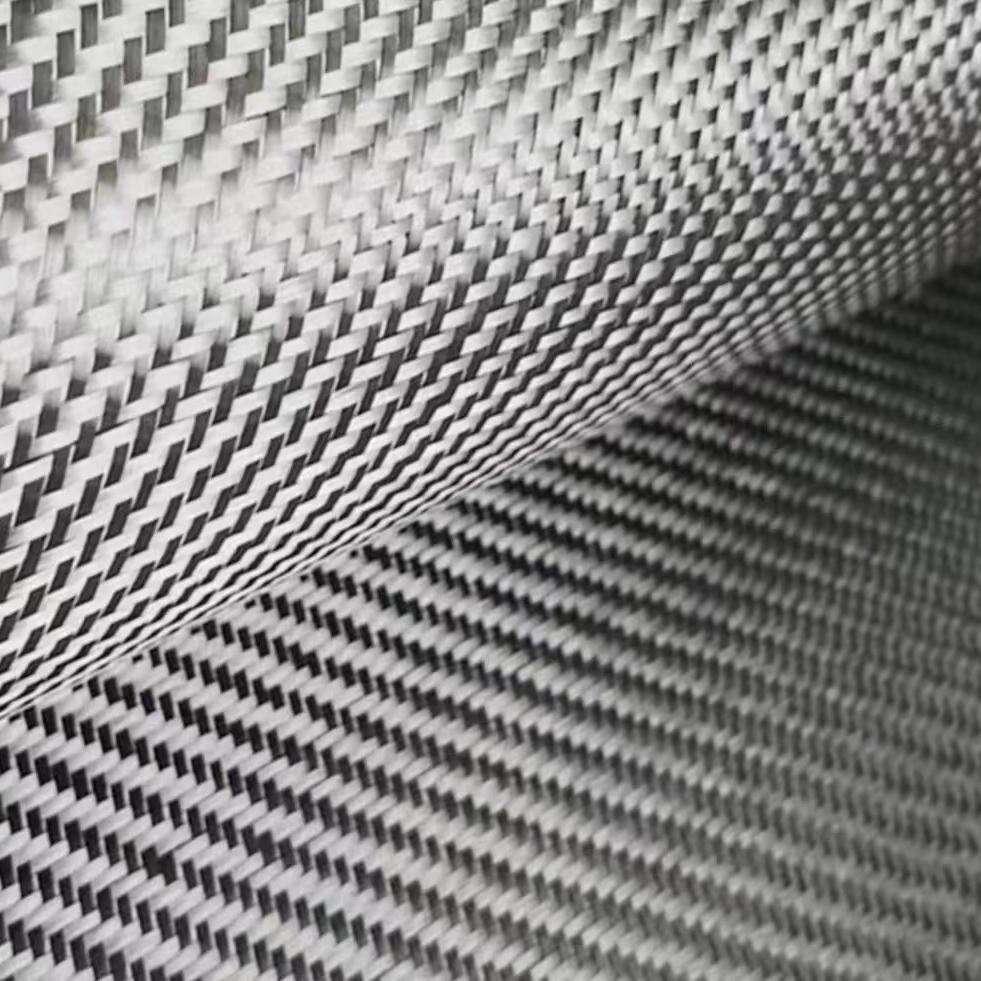
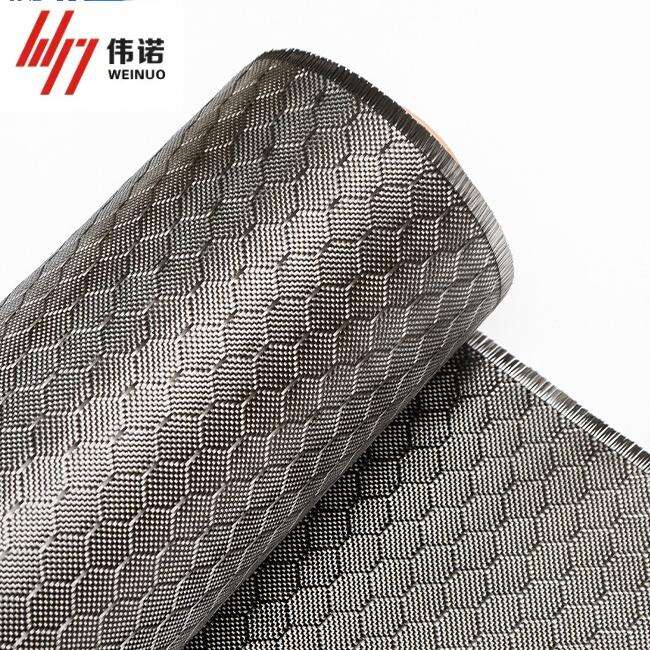
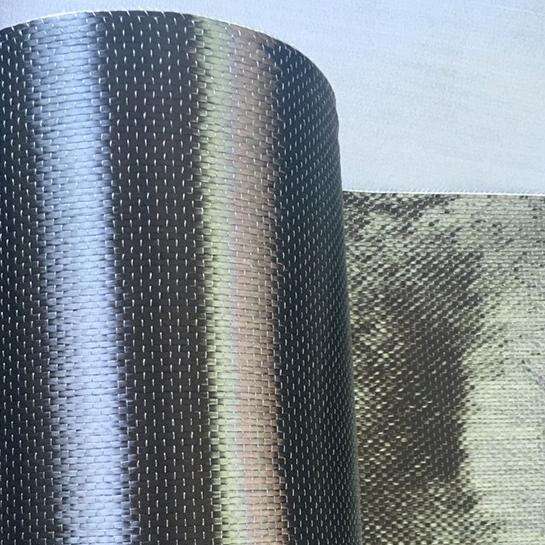
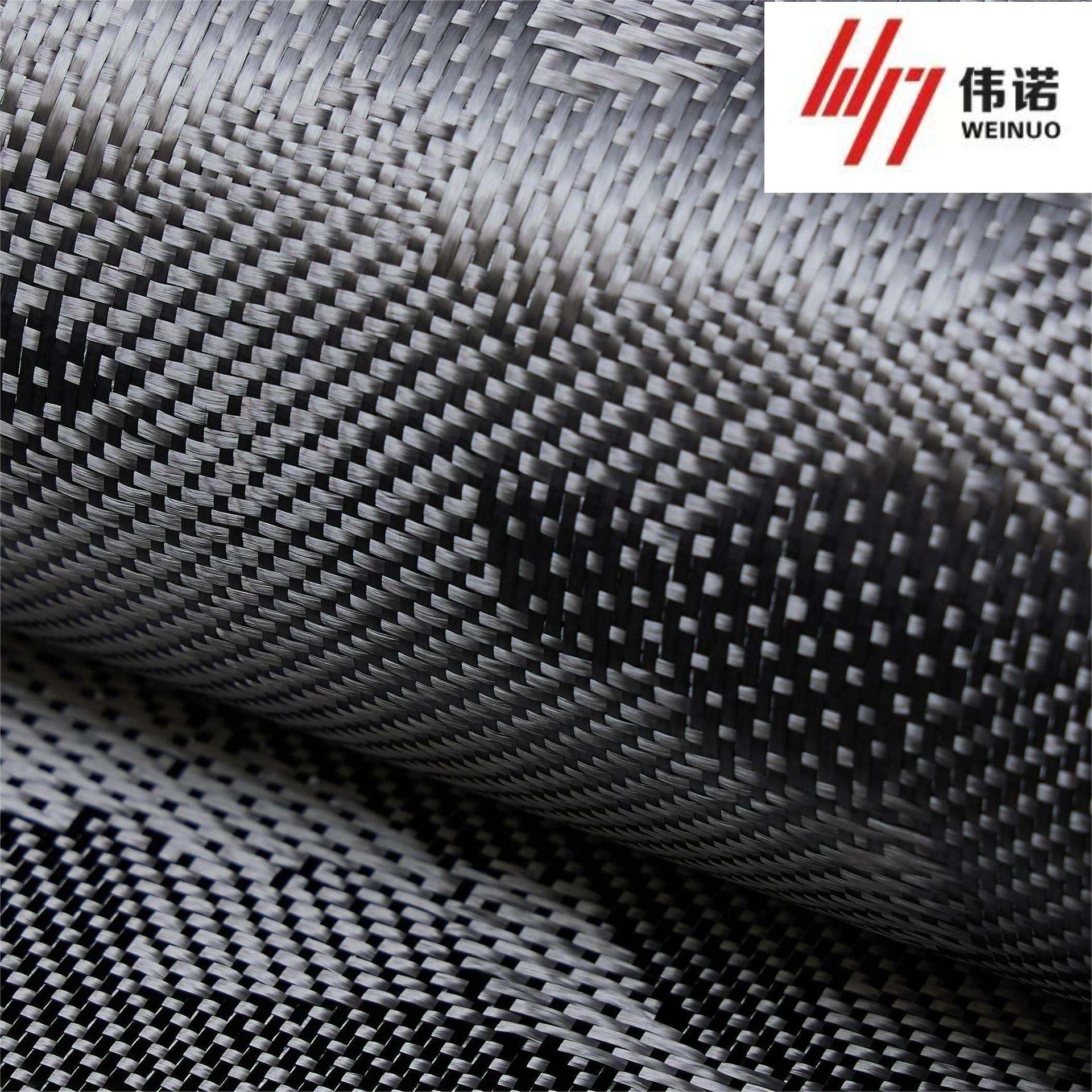
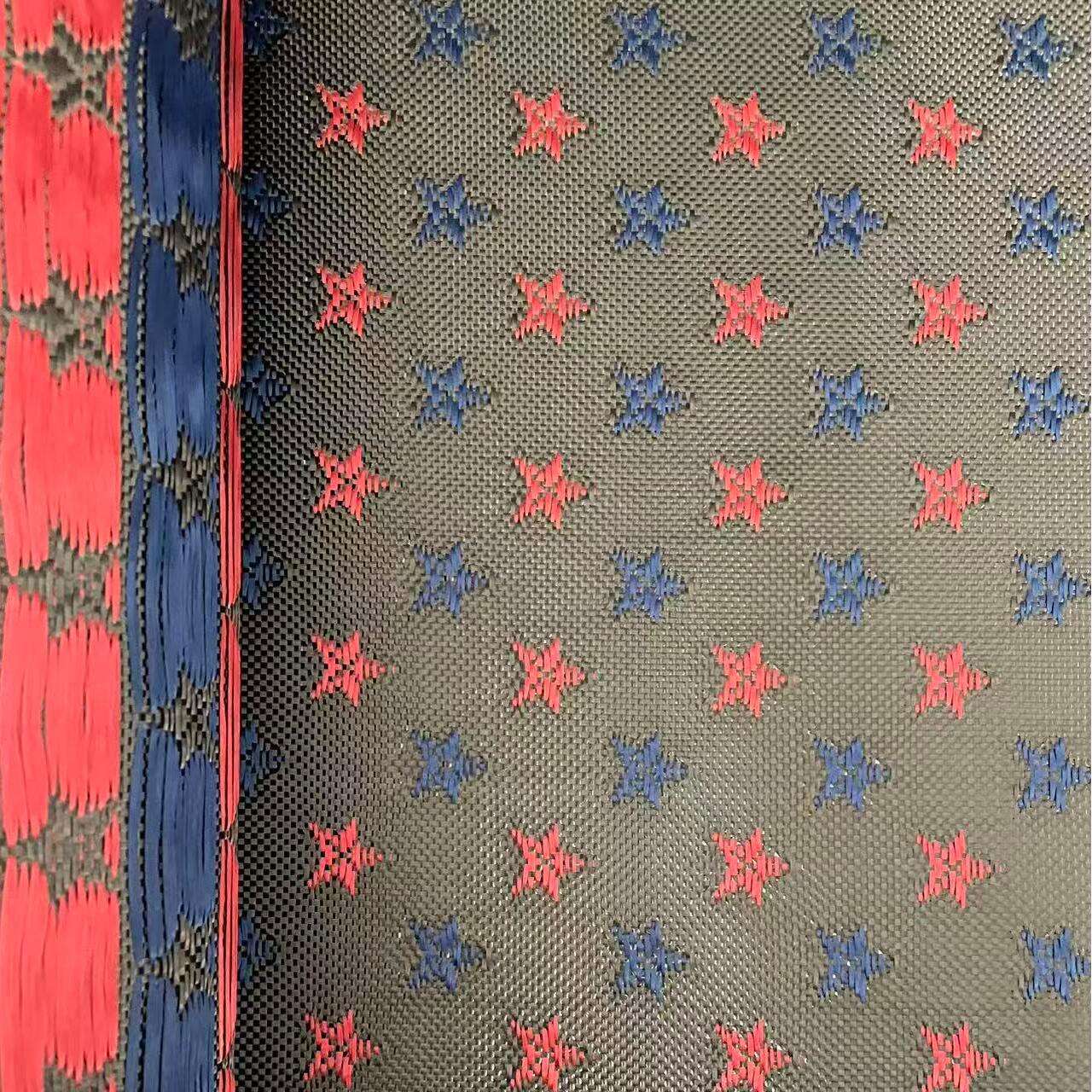
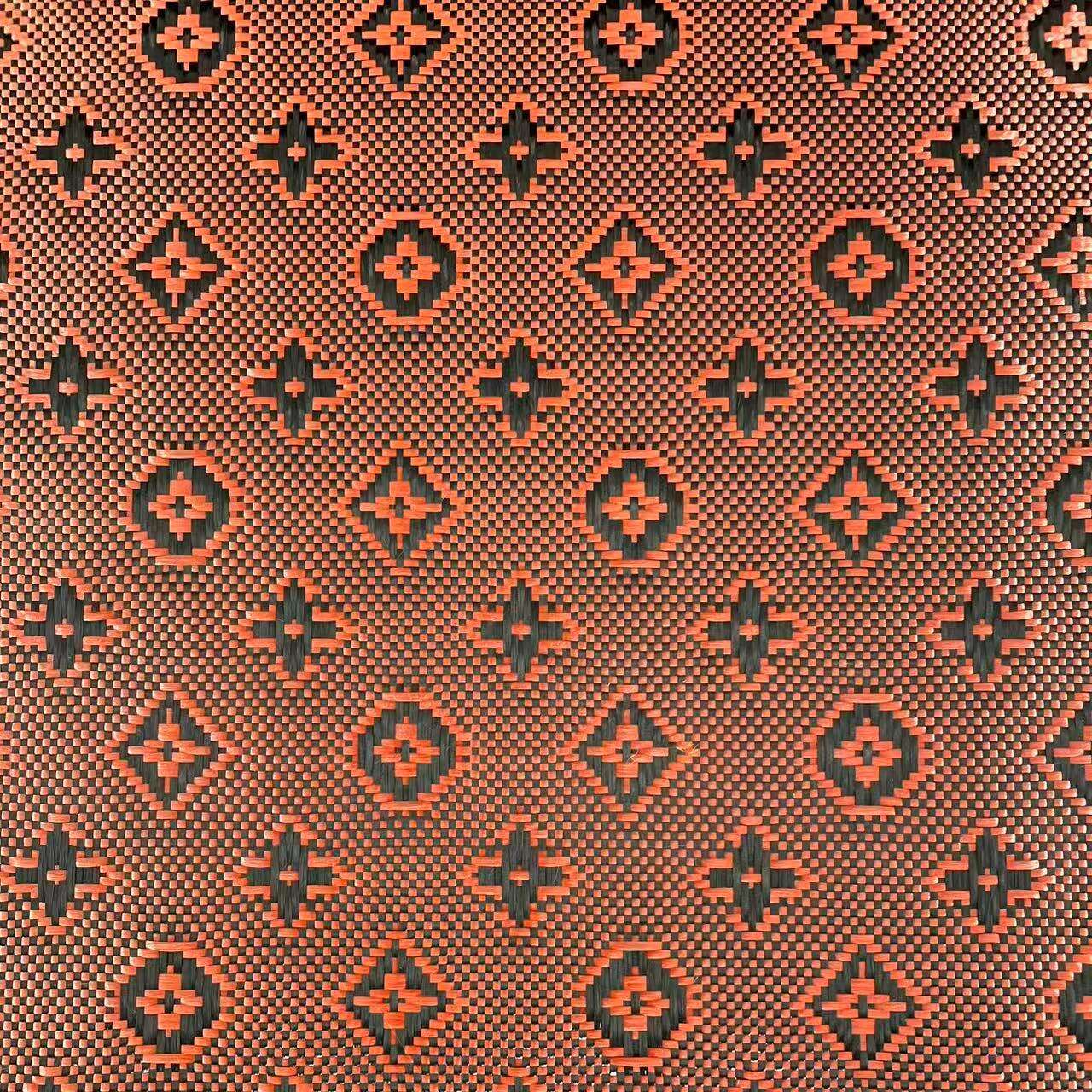
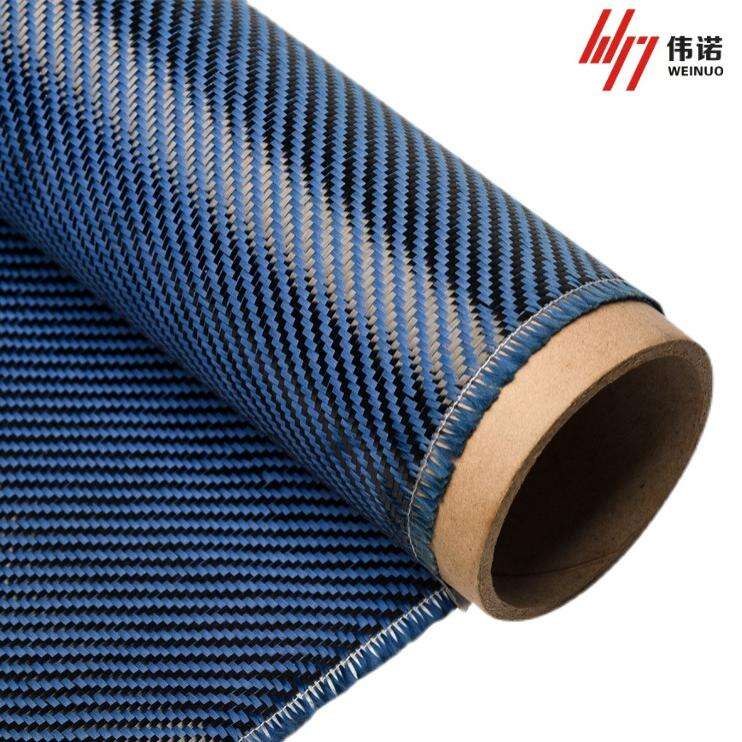
Carbon kevlar fabric types represent a remarkable advancement in composite materials, combining the exceptional strength of carbon fiber with the durability of kevlar. These hybrid fabrics feature an intricate weave of carbon and kevlar fibers, creating a material that offers superior strength-to-weight ratio and impact resistance. The fabric types vary in weave patterns, including plain weave, twill weave, and satin weave, each optimized for specific applications. Carbon kevlar fabrics exhibit excellent tensile strength, typically ranging from 3000 to 4000 MPa, while maintaining remarkable flexibility. The integration of kevlar fibers enhances the material's resistance to abrasion and impact, making it ideal for high-stress applications. These fabrics are available in different weights, usually from 160g/m² to 400g/m², allowing for customization based on specific requirements. The manufacturing process involves precise fiber orientation and specialized weaving techniques to ensure optimal performance characteristics. Common applications include aerospace components, automotive parts, protective gear, and high-performance sporting equipment. The fabric's distinctive yellow and black appearance, attributed to the natural colors of kevlar and carbon fibers, has become synonymous with advanced material technology.


New Products

Carbon kevlar fabric types offer numerous compelling advantages that make them invaluable across various industries. First and foremost, these materials provide an exceptional strength-to-weight ratio, delivering robust structural support while maintaining minimal mass. This characteristic makes them particularly attractive for applications where weight reduction is crucial. The combination of carbon and kevlar creates a synergistic effect, where the high tensile strength of carbon fiber complements the superior impact resistance of kevlar. This results in a material that excels in both static and dynamic loading conditions. The fabrics demonstrate remarkable resistance to environmental factors, including UV radiation and chemical exposure, ensuring long-term durability. Their thermal stability allows them to maintain structural integrity across a wide temperature range, from extreme cold to high heat conditions. The versatility of carbon kevlar fabrics extends to their manufacturing flexibility, as they can be molded and shaped into complex geometries while maintaining their protective properties. These materials also exhibit excellent fatigue resistance, making them ideal for applications involving repeated stress cycles. The natural vibration dampening properties help reduce noise and improve comfort in various applications. Additionally, the fabrics feature superior tear resistance and can withstand significant abuse without compromising their structural integrity. The combination of these properties makes carbon kevlar fabrics a cost-effective solution for long-term applications, despite their initial higher investment cost.

Practical Tips

What Should Buyers Know About Industrial-Grade Carbon Fiber Fabric

25

Sep

What Should Buyers Know About Industrial-Grade Carbon Fiber Fabric

Understanding the Revolutionary World of Advanced Composite Materials Industrial-grade carbon fiber fabric represents one of the most significant advancements in modern manufacturing and engineering materials. This remarkable composite material has t...
View More
Why Manufacturers Prefer Carbon Fiber Fabric for Long-Term Durability

25

Sep

Why Manufacturers Prefer Carbon Fiber Fabric for Long-Term Durability

The Revolutionary Impact of Advanced Composite Materials in Manufacturing In the ever-evolving landscape of modern manufacturing, carbon fiber fabric has emerged as a game-changing material that's reshaping industries from aerospace to automotive. Th...
View More
Why Is Carbon Fiber Fabric Trusted in Aerospace and Automotive Manufacturing

25

Sep

Why Is Carbon Fiber Fabric Trusted in Aerospace and Automotive Manufacturing

The Revolutionary Impact of Advanced Composites in Modern Engineering In the realm of high-performance materials, carbon fiber fabric has emerged as a game-changing innovation that continues to reshape the aerospace and automotive industries. This re...
View More
How Does Carbon Fiber Cloth Improve Mechanical Performance in Industry

25

Sep

How Does Carbon Fiber Cloth Improve Mechanical Performance in Industry

Understanding the Revolutionary Impact of Advanced Composite Materials In the realm of industrial engineering and manufacturing, carbon fiber cloth has emerged as a transformative material that's reshaping how we approach mechanical performance. This...
View More

Get a Free Quote

Our representative will contact you soon.
Email
Name
Company Name
Message
0/1000
Whatsapp Number

carbon kevlar fabric types

Superior Impact Resistance and Damage Tolerance

Superior Impact Resistance and Damage Tolerance

The exceptional impact resistance of carbon kevlar fabric types sets them apart in the composite materials industry. The unique combination of carbon and kevlar fibers creates a material system that effectively absorbs and disperses impact energy, preventing catastrophic failure. When subjected to sudden forces, the kevlar fibers provide excellent energy absorption through their high elongation properties, while the carbon fibers maintain structural rigidity. This dual-action mechanism significantly enhances the material's damage tolerance, allowing it to withstand severe impacts without compromising its structural integrity. The fabric's ability to resist penetration and maintain its protective properties even after multiple impacts makes it particularly valuable in safety-critical applications. This characteristic is especially important in automotive safety components, protective gear, and aerospace applications where impact resistance is paramount.
Exceptional Strength-to-Weight Performance

Exceptional Strength-to-Weight Performance

Carbon kevlar fabric types achieve an outstanding balance between strength and weight, offering performance capabilities that surpass traditional materials. The integration of lightweight carbon fibers with tough kevlar creates a composite that delivers maximum strength while minimizing mass. This optimal weight-to-strength ratio enables designers to achieve significant weight reductions without compromising structural integrity. The fabric's high specific strength allows for the creation of lighter, more efficient structures that maintain or exceed the performance of heavier alternatives. This characteristic proves particularly valuable in applications where weight savings directly translate to improved efficiency, such as in aerospace components, racing vehicles, and high-performance sporting equipment. The material's ability to provide robust structural support while maintaining minimal weight contributes to improved fuel efficiency and enhanced performance in mobile applications.
Versatile Processing and Application Flexibility

Versatile Processing and Application Flexibility

The adaptability of carbon kevlar fabric types in manufacturing processes provides exceptional flexibility in product design and application. These materials can be processed using various techniques, including vacuum infusion, compression molding, and hand lay-up methods, allowing for versatile manufacturing approaches. The fabric's drapability enables it to conform to complex geometries while maintaining uniform properties throughout the structure. This processing flexibility, combined with the material's inherent characteristics, allows designers to optimize components for specific performance requirements. The fabric can be integrated with different resin systems and can be combined with other materials to create hybrid composites with tailored properties. This versatility extends to the finish and appearance options, allowing for both functional and aesthetic customization. The material's adaptability makes it suitable for applications ranging from small, intricate components to large structural elements, providing engineers with extensive design freedom.

Get a Free Quote

Our representative will contact you soon.
Email
Name
Company Name
Message
0/1000
Whatsapp Number