
 EN
EN

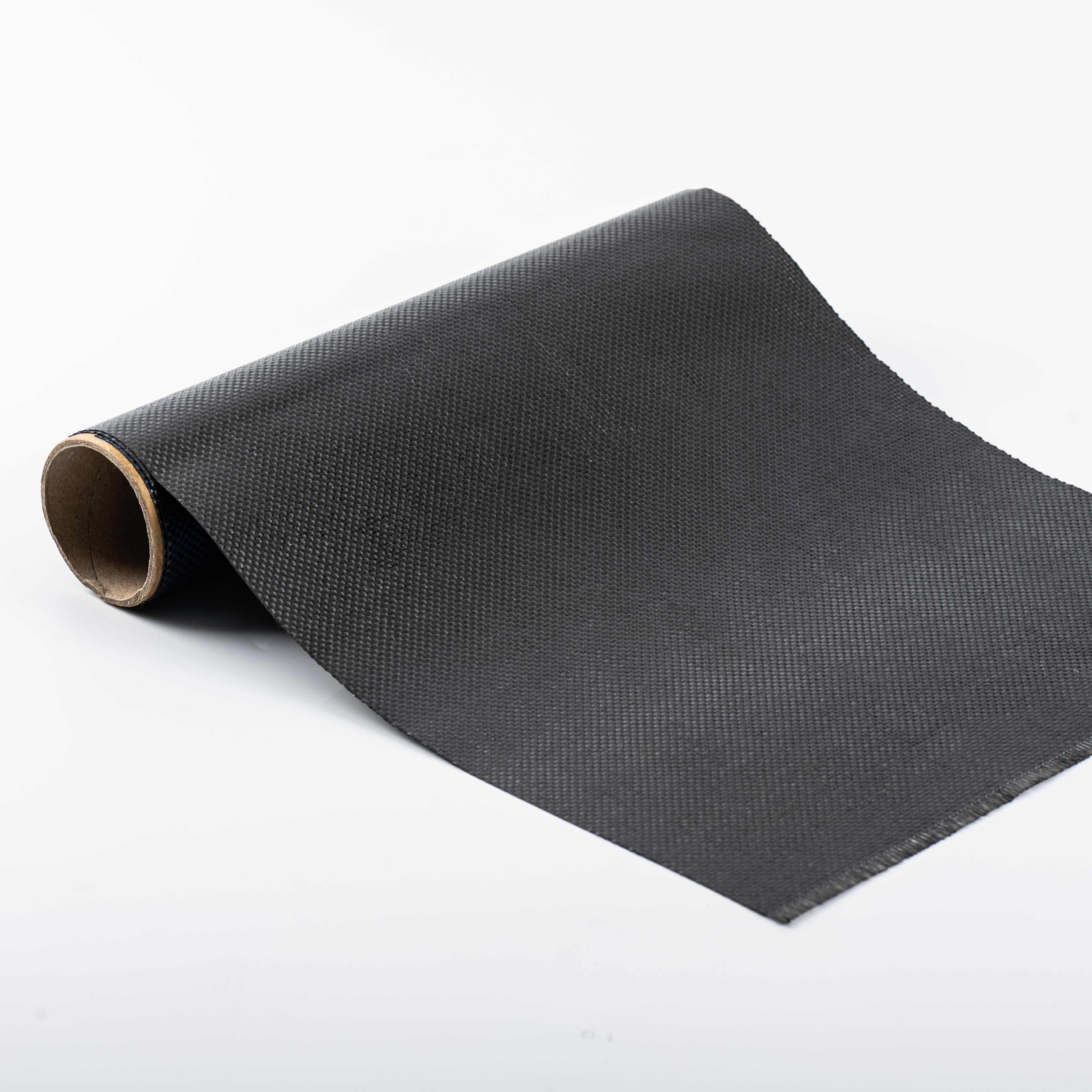
When engineers and manufacturers specify advanced composite materials for structural applications, the performance of carbon fiber prepreg is rarely determined by a single variable. Instead, it emerges from a complex interaction of resin chemistry, fiber architecture, processing conditions, and environmental history. Understanding which factors drive or limit performance is essential for anyone selecting, processing, or qualifying carbon fiber prepreg for demanding applications in aerospace, automotive, marine, or industrial sectors. The difference between a component that meets specification and one that falls short often traces back to decisions made long before the material ever enters a mold or autoclave.
This article systematically examines the key factors that affect the mechanical, thermal, and structural performance of carbon fiber prepreg. Whether you are a design engineer evaluating material options, a process engineer troubleshooting cure cycles, or a procurement specialist assessing quality standards, the insights here will help you make more informed decisions. From fiber selection and resin formulation to storage conditions and cure parameters, every stage of the material's lifecycle plays a measurable role in determining final part quality and long-term performance reliability.
The Role of Carbon Fiber Grade and Architecture
Fiber Tensile Modulus and Strength Classification
The carbon fiber reinforcement itself is the primary load-bearing element in any carbon fiber prepreg system. Fibers are classified by their tensile modulus — standard modulus (SM), intermediate modulus (IM), high modulus (HM), and ultra-high modulus (UHM) — and each category delivers distinctly different stiffness and strength profiles in the cured composite. Standard modulus fibers offer a favorable balance of tensile strength and strain-to-failure, making them widely used in general structural applications. Intermediate modulus grades provide enhanced stiffness without sacrificing too much elongation, which is why they dominate aerospace primary structures.
High and ultra-high modulus fibers push stiffness to its practical limit but become progressively more brittle, which reduces damage tolerance and interlaminar shear strength. When specifying carbon fiber prepreg for a given application, selecting the correct fiber grade is not simply about maximizing one property — it involves balancing stiffness, toughness, fatigue resistance, and cost. The fiber's surface treatment and sizing also affect how well it bonds to the resin matrix, which ultimately controls interlaminar performance.
Fiber Tow Count and Fabric Architecture
Beyond fiber grade, the tow count — the number of individual filaments per bundle — significantly influences both the drapeability and the surface finish of the cured laminate. Low tow counts such as 1K and 3K produce a fine, uniform surface texture and are favored for visible cosmetic parts and thin-section structures. Higher tow counts like 12K and 24K offer faster deposition rates and are economical for thick structural applications but may show more surface waviness.
The weave pattern or fiber orientation also shapes directional properties in the finished part. Unidirectional carbon fiber prepreg maximizes properties along the fiber axis and is ideal where load paths are well-defined and predictable. Woven fabrics — plain weave, twill, satin — distribute properties more evenly in two dimensions and improve resistance to delamination by mechanically interlocking fibers. Multiaxial non-crimp fabrics (NCF) offer the stiffness advantage of unidirectional layups while enabling faster ply placement. Each architectural choice imprints itself on the performance profile of the final component.
Resin Matrix Formulation and Its Influence
Thermoset Resin Chemistry
The resin matrix in carbon fiber prepreg performs multiple critical functions: it transfers load between fibers, protects them from environmental degradation, and determines the composite's thermal and chemical resistance. Epoxy resins dominate the market due to their excellent adhesion to carbon fiber surfaces, low cure shrinkage, and tunable mechanical properties. The specific epoxy formulation — including the base resin, hardener chemistry, and any toughening agents — has a profound effect on glass transition temperature (Tg), hot-wet performance, and interlaminar fracture toughness.
Bismaleimide (BMI) and cyanate ester resins are used where higher service temperatures are required beyond the capability of standard epoxies. Polyimide systems push the upper thermal boundary further still but introduce challenges in processing and cost. Each resin type imposes its own processing window on the carbon fiber prepreg, including required cure temperature, pressure, and post-cure schedule. Selecting the wrong resin system for the intended service environment is one of the most consequential mistakes in composite design, because it is essentially irreversible once the part is manufactured.
Resin Content and Fiber Volume Fraction
Resin content — the ratio of resin to total material by weight — is a tightly controlled parameter in quality carbon fiber prepreg manufacturing. Typical values range from about 30% to 42% by weight for structural grades, though specialty systems may fall outside this range. Too little resin leads to dry fiber areas, poor interlaminar cohesion, and voids; too much resin reduces the fiber volume fraction and causes a disproportionate drop in stiffness and strength. The target fiber volume fraction in the cured laminate for structural aerospace applications is typically 55–65%.
Uniformity of resin distribution across the carbon fiber prepreg roll is equally important. Localized resin-rich or resin-starved zones create internal stress concentrations that initiate microcracking under fatigue loading. High-quality prepreg manufacturers use precision hot-melt or solvent-based impregnation processes and conduct rigorous areal weight and resin content testing to ensure consistency. When evaluating a carbon fiber prepreg supplier, resin content uniformity data across both the machine direction and the transverse direction is a meaningful indicator of manufacturing process control.
Processing Conditions and Cure Cycle Parameters
Temperature and Pressure During Cure
The cure cycle applied to carbon fiber prepreg has a direct and sometimes dramatic effect on the void content, degree of cure, and residual stress state of the finished laminate. Autoclave processing remains the gold standard for demanding structural applications because it combines precise temperature control with elevated consolidation pressure — typically 3 to 7 bar — which effectively suppresses void formation by collapsing entrapped air and volatiles before the resin gels. Out-of-autoclave (OOA) carbon fiber prepreg systems are formulated specifically to achieve comparable void levels using only vacuum bag pressure, making them attractive for large structures or cost-sensitive programs.
The ramp rate to cure temperature, the dwell time at intermediate hold temperatures, and the duration of the final cure dwell all interact to determine the final degree of cure and the development of the resin's crosslinked network. An undercured laminate will exhibit reduced Tg, lower hot-wet strength, and potential creep under sustained load. An excessively rapid cure can generate exothermic heat spikes in thick laminates that degrade the resin and introduce porosity. Developing and validating a robust cure cycle is therefore inseparable from qualifying a carbon fiber prepreg material for a specific application.
Layup Quality and Ply Consolidation
Even a chemically excellent carbon fiber prepreg will underperform if ply placement is executed poorly. Fiber misalignment — even a deviation of just 2 to 3 degrees from the intended angle — can reduce laminate stiffness and strength by a measurable percentage, particularly in unidirectional systems. Wrinkles and ply bridging in curved regions trap air, reduce local fiber volume fraction, and create stress concentrations that function as crack initiation sites under cyclic loading.
The tacky surface of carbon fiber prepreg is designed to hold plies in position during layup but must be managed carefully. Excess tack, which can increase as prepreg ages or if stored incorrectly, makes it harder to reposition plies and can trap air between layers. Insufficient tack allows plies to shift during bagging and debulking operations. Regular debulking — applying vacuum to compact accumulated plies — is a best practice that removes interply air and improves the fidelity of complex contoured layups. Automated fiber placement (AFP) and automated tape laying (ATL) technologies improve placement accuracy and repeatability significantly compared to manual methods.
Storage, Shelf Life, and Out-Time Management
Frozen Storage Requirements and Shelf Life
Carbon fiber prepreg is a chemically reactive material. The resin system begins to advance — meaning the crosslinking reaction slowly progresses — from the moment it is manufactured, even at ambient temperatures. Frozen storage at typically -18°C or below dramatically slows this advancement and extends the usable shelf life, which for most epoxy-based systems ranges from 12 to 24 months when stored correctly. Once the shelf life is exceeded, the resin's viscosity has increased to the point where it can no longer flow adequately to wet fibers, consolidate interlaminar interfaces, or fill complex tool geometries.
Proper cold-chain management throughout shipping, receiving, and warehouse storage is therefore a performance-critical quality requirement, not merely a logistical preference. Temperature excursions during transport can consume months of shelf life in a matter of hours, particularly for low-temperature-cure systems. Any credible carbon fiber prepreg supplier should provide temperature logging data with each shipment, and incoming quality inspection should include verification of storage history alongside physical property testing.
Out-Time Accumulation and Its Effect on Processability
Out-time refers to the cumulative time a carbon fiber prepreg roll spends at room temperature outside frozen storage, including all layup, inspection, and staging operations. Most specifications define a maximum out-time — typically 10 to 30 days depending on the resin system — beyond which the material should not be used for structural applications. As out-time accumulates, tack decreases, drapeability is reduced, and the resin's flow behavior during cure becomes less predictable.
Manufacturers must track out-time rigorously across multiple thaw cycles if the same roll is taken in and out of storage. The cumulative nature of out-time degradation means that even short, repeated ambient exposures add up. Some advanced carbon fiber prepreg systems incorporate out-time indicators or use resin chemistry designed for extended out-life to accommodate the practical demands of large-scale manual layup operations. Understanding out-time limits and designing work flow accordingly is a fundamental aspect of process control in any composite fabrication facility working with carbon fiber prepreg.
Environmental and Service Condition Effects
Moisture Absorption and Hot-Wet Performance
Carbon fiber itself absorbs essentially no moisture, but the resin matrix in cured carbon fiber prepreg laminates can absorb water over time when exposed to humid environments. Moisture uptake plasticizes the resin, lowers the effective glass transition temperature, and reduces matrix-dominated properties such as compression strength, interlaminar shear strength, and bearing strength. The magnitude of this effect depends heavily on resin chemistry — some toughened epoxy systems absorb significantly more moisture than standard aerospace grades.
Structural allowables for carbon fiber prepreg laminates in aerospace applications are typically defined at the hot-wet condition, meaning after moisture equilibrium at the maximum service temperature, because this represents the worst-case knock-down for matrix-dependent properties. Designers must account for this moisture knock-down factor early in the design process to avoid undersizing structural members. Protective coatings, paints, or barrier films can slow moisture ingress but rarely eliminate it entirely over a component's service life.
Thermal Cycling and Fatigue Resistance
In applications where carbon fiber prepreg laminates experience repeated thermal cycling — as in space structures transitioning between sunlit and shadowed orbits, or automotive components cycling between cold start and operating temperature — the mismatch in thermal expansion coefficients between the carbon fiber and the resin generates internal stresses. These stresses can initiate microcracking in the matrix, which while not immediately catastrophic, progressively reduces the laminate's stiffness, increases moisture absorption pathways, and may eventually lead to delamination under combined thermal and mechanical loading.
The fatigue behavior of carbon fiber prepreg composites under mechanical cyclic loading is generally superior to metals on a specific strength basis, but the failure modes are complex and less predictable than fatigue crack propagation in homogeneous materials. Damage tolerant design approaches, combined with robust non-destructive evaluation (NDE) programs, are necessary to manage fatigue risk in safety-critical structures. The choice of carbon fiber prepreg system — particularly the toughness and strain-to-failure of the resin — has a decisive influence on damage propagation rate and residual strength after impact or fatigue cycling.
FAQ
What is the most critical factor affecting the mechanical performance of carbon fiber prepreg laminates?
No single factor dominates in isolation, but fiber volume fraction and void content are among the most impactful variables because they directly set the upper boundary of achievable stiffness and strength. A well-chosen carbon fiber prepreg with the correct fiber grade and resin system can be significantly compromised by a cure cycle that generates excessive voids or by layup practices that introduce misalignment or wrinkles. Performance is the product of the entire system working correctly together.
How does out-of-date carbon fiber prepreg affect the finished composite part?
Using carbon fiber prepreg that has exceeded its shelf life or accumulated too much out-time typically results in higher void content, reduced interlaminar shear strength, and inconsistent resin distribution in the cured laminate. The resin no longer flows adequately to consolidate the fiber bed under cure pressure. In severe cases, dry spots and delaminations may be visible after cure. For structural or safety-critical applications, expired carbon fiber prepreg should not be used, and material traceability systems should prevent its inadvertent use.
Does the cure method — autoclave versus out-of-autoclave — significantly change the performance of carbon fiber prepreg?
The cure method does affect achievable void content and consolidation quality, particularly for thick laminates or complex geometries. Autoclave processing with elevated pressure consistently produces lower void contents and slightly higher fiber volume fractions than vacuum-bag-only OOA processing using standard carbon fiber prepreg. However, OOA-specific carbon fiber prepreg formulations are engineered with resin flow and air evacuation mechanisms that allow them to approach autoclave quality when processed correctly. The performance gap between the two methods has narrowed considerably with modern OOA prepreg technology.
How should carbon fiber prepreg be evaluated when comparing materials from different sources?
A meaningful comparison of carbon fiber prepreg from different sources should include fiber grade certification, resin content and areal weight uniformity data, cured laminate mechanical property data at both ambient and hot-wet conditions, Tg values, shelf life and out-life specifications, and cure cycle requirements. Processing the materials under identical, controlled conditions before comparing mechanical test results is essential. Sourcing from suppliers who provide comprehensive material qualification data, such as those offering products through verified channels like carbon fiber prepreg specifications with full traceability, gives procurement teams the data needed to make defensible decisions.
Table of Contents
- The Role of Carbon Fiber Grade and Architecture
- Resin Matrix Formulation and Its Influence
- Processing Conditions and Cure Cycle Parameters
- Storage, Shelf Life, and Out-Time Management
- Environmental and Service Condition Effects
-
FAQ
- What is the most critical factor affecting the mechanical performance of carbon fiber prepreg laminates?
- How does out-of-date carbon fiber prepreg affect the finished composite part?
- Does the cure method — autoclave versus out-of-autoclave — significantly change the performance of carbon fiber prepreg?
- How should carbon fiber prepreg be evaluated when comparing materials from different sources?