High-Performance Twill Carbon Fiber Fabric: Advanced Composite Material for Superior Structural Applications

  • No.80 Changjiang Mingzhu Road, Houcheng Street, Zhangjiagang City, Jiangsu Province, China
  • +86-15995540423

Mon - Fri: 9:00 - 19:00

twill carbon fiber fabric

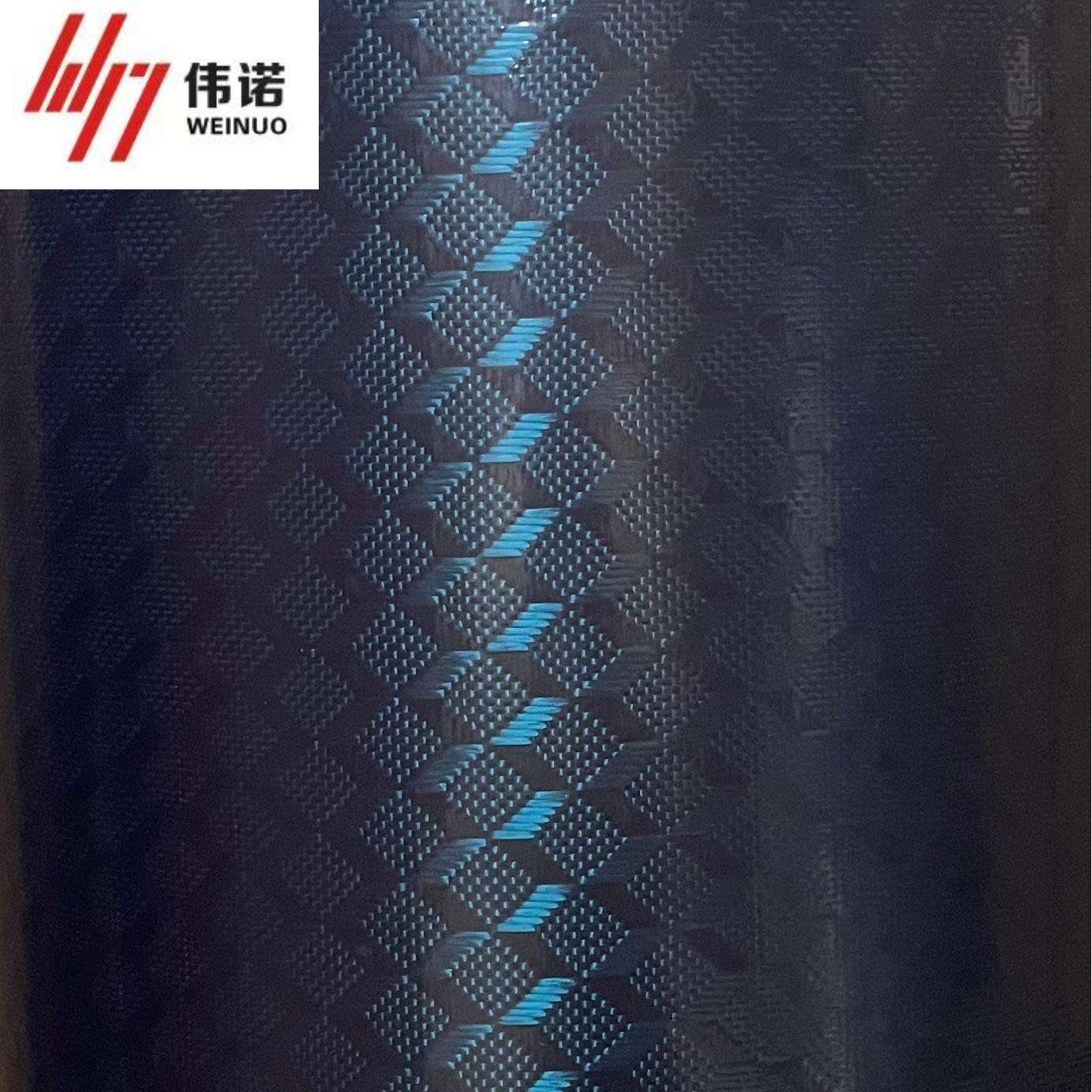
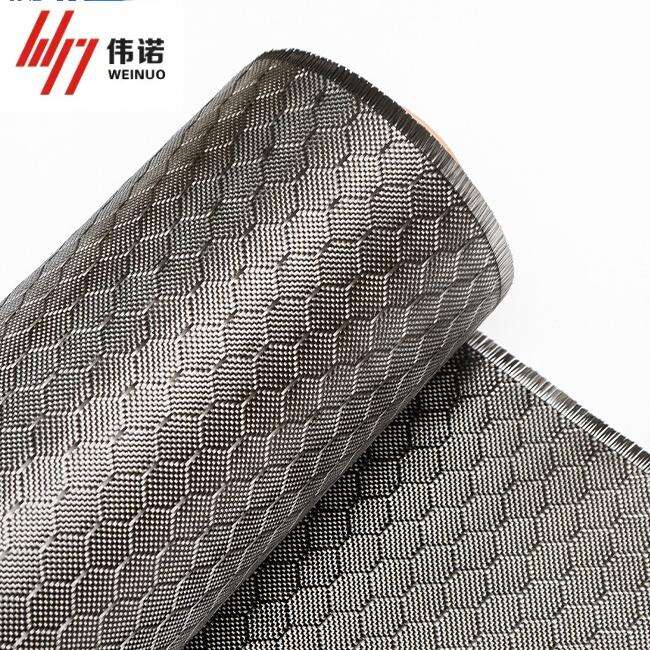
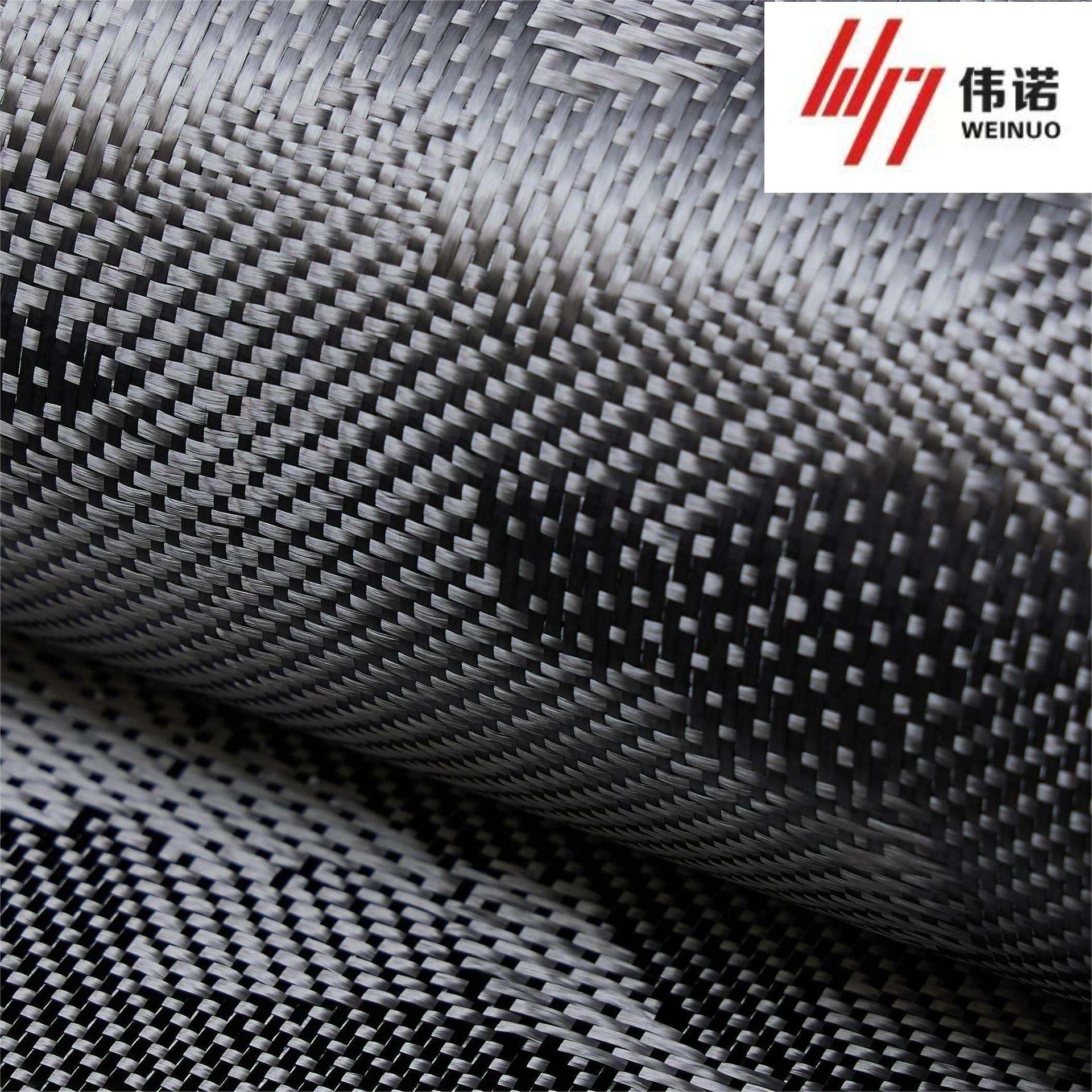
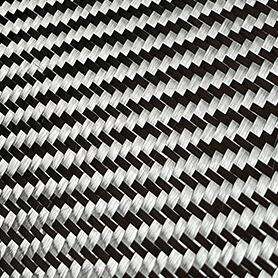
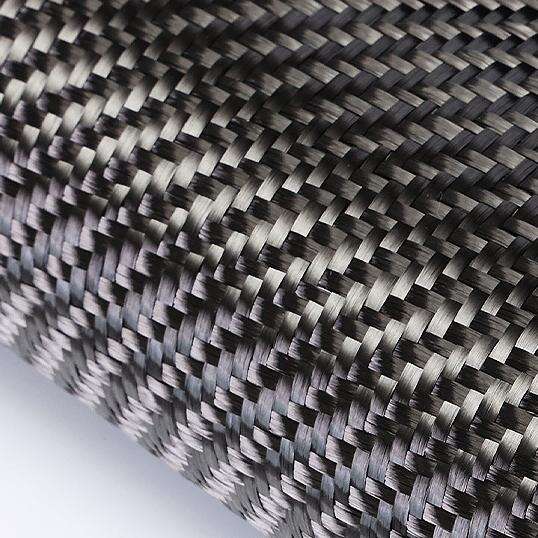
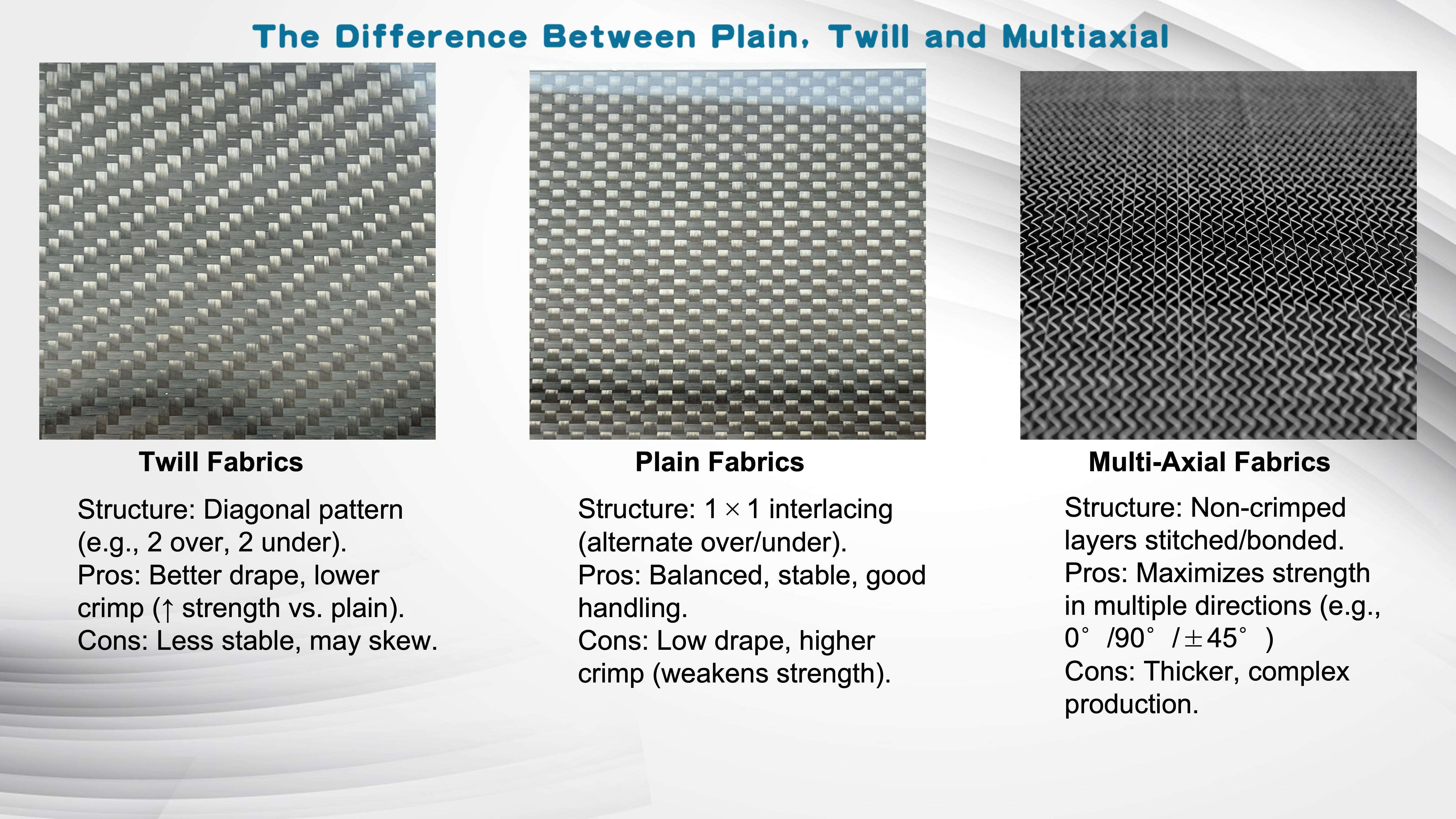
Twill carbon fiber fabric represents a sophisticated composite material characterized by its distinctive weave pattern, where carbon fibers are interlaced in a diagonal pattern creating a surface with a characteristic 2x2 or 4x4 weave. This advanced material combines exceptional strength with remarkable flexibility, making it a premier choice for high-performance applications. The fabric's unique weave pattern distributes stress more evenly across the material, providing superior draping qualities compared to plain weave alternatives. The material exhibits outstanding mechanical properties, including high tensile strength, excellent fatigue resistance, and exceptional dimensional stability. When combined with appropriate resin systems, twill carbon fiber fabric forms a robust composite structure that maintains its integrity under demanding conditions. The material's versatility extends across various industries, from aerospace and automotive applications to sporting goods and architectural elements. Its aesthetic appeal, characterized by a distinctive diagonal pattern, makes it particularly popular in visible applications where both performance and appearance matter. The fabric's relatively low weight-to-strength ratio, combined with its resistance to environmental factors and thermal stability, positions it as an ideal material for applications requiring high performance and reliability. Modern manufacturing techniques have made twill carbon fiber fabric increasingly accessible while maintaining its premium quality and performance characteristics.


Popular Products

Twill carbon fiber fabric offers numerous practical advantages that make it an exceptional choice for various applications. First and foremost, its superior strength-to-weight ratio sets it apart from traditional materials, enabling the creation of lightweight yet incredibly durable structures. The fabric's distinctive weave pattern provides enhanced flexibility and improved draping characteristics, making it easier to work with during manufacturing processes, particularly when dealing with complex shapes and contours. The material demonstrates exceptional resistance to fatigue and wear, ensuring long-term reliability in demanding applications. Its inherent thermal stability allows it to maintain its structural integrity across a wide range of temperatures, making it suitable for both extreme hot and cold environments. The fabric's resistance to environmental factors, including UV radiation and chemical exposure, contributes to its longevity and reduced maintenance requirements. From a manufacturing perspective, the twill weave pattern helps minimize visible imperfections and provides better surface finish compared to plain weave alternatives. The material's excellent vibration damping properties make it ideal for applications where reducing noise and vibration is crucial. Additionally, the aesthetic appeal of the diagonal weave pattern adds value to visible applications, eliminating the need for additional decorative finishes. The fabric's consistency in quality and performance provides manufacturers with reliable material properties for precise engineering calculations and predictable outcomes in final products.

Latest News

How Does Forged Carbon Fiber Compare to Traditional Composites in Design

25

Sep

How Does Forged Carbon Fiber Compare to Traditional Composites in Design

The Evolution of Advanced Composite Materials in Modern Design The world of composite materials has witnessed a revolutionary transformation with the emergence of forged carbon fiber technology. This innovative material has redefined what's possible ...
View More
Why Manufacturers Prefer Carbon Fiber Fabric for Long-Term Durability

25

Sep

Why Manufacturers Prefer Carbon Fiber Fabric for Long-Term Durability

The Revolutionary Impact of Advanced Composite Materials in Manufacturing In the ever-evolving landscape of modern manufacturing, carbon fiber fabric has emerged as a game-changing material that's reshaping industries from aerospace to automotive. Th...
View More
Why Is Carbon Fiber Fabric Trusted in Aerospace and Automotive Manufacturing

25

Sep

Why Is Carbon Fiber Fabric Trusted in Aerospace and Automotive Manufacturing

The Revolutionary Impact of Advanced Composites in Modern Engineering In the realm of high-performance materials, carbon fiber fabric has emerged as a game-changing innovation that continues to reshape the aerospace and automotive industries. This re...
View More
How Does Carbon Fiber Cloth Improve Mechanical Performance in Industry

25

Sep

How Does Carbon Fiber Cloth Improve Mechanical Performance in Industry

Understanding the Revolutionary Impact of Advanced Composite Materials In the realm of industrial engineering and manufacturing, carbon fiber cloth has emerged as a transformative material that's reshaping how we approach mechanical performance. This...
View More

Get a Free Quote

Our representative will contact you soon.
Email
Name
Company Name
Message
0/1000
Whatsapp Number

twill carbon fiber fabric

Superior Structural Performance

Superior Structural Performance

Twill carbon fiber fabric excels in structural applications due to its exceptional mechanical properties and unique weave configuration. The 2x2 or 4x4 twill pattern creates a balanced distribution of fiber orientation, resulting in superior load-handling capabilities in multiple directions. This characteristic makes it particularly effective in applications requiring high strength and stiffness while maintaining relatively low weight. The fabric's ability to distribute stress evenly across its surface prevents localized weak points and enhances overall structural integrity. The material's high tensile strength, typically ranging from 3,000 to 7,000 MPa, combined with its low density, enables the creation of structures that are significantly lighter than traditional materials while maintaining equivalent or superior strength. This structural efficiency translates into improved performance, reduced material usage, and enhanced energy efficiency in final applications.
Enhanced Processing Flexibility

Enhanced Processing Flexibility

The twill weave pattern of carbon fiber fabric provides superior handling characteristics during manufacturing processes. The fabric's improved draping qualities allow it to conform more readily to complex molds and shapes without creating wrinkles or voids, which is crucial for maintaining structural integrity in finished parts. This enhanced conformability reduces manufacturing defects and improves the overall quality of finished components. The material's compatibility with various resin systems offers flexibility in processing methods, including vacuum infusion, hand lay-up, and automated manufacturing processes. The fabric's stable structure maintains fiber alignment during handling and processing, ensuring consistent properties in the final composite. The material's predictable behavior during cure cycles and its ability to achieve high fiber volume fractions contribute to optimal mechanical properties in the finished product.
Environmental Durability

Environmental Durability

Twill carbon fiber fabric demonstrates exceptional resistance to environmental factors, making it ideal for applications exposed to challenging conditions. The material's inherent resistance to UV radiation, chemical exposure, and temperature fluctuations ensures long-term performance reliability. Its dimensional stability across varying environmental conditions prevents warping or distortion, maintaining the integrity of structural components. The fabric's low moisture absorption characteristics minimize the risk of property degradation due to water exposure, while its excellent fatigue resistance ensures sustained performance under cyclic loading conditions. The material's ability to maintain its mechanical properties in extreme temperatures, typically ranging from -50°C to 150°C, makes it suitable for diverse applications across different climates and operating conditions. These durability characteristics contribute to reduced maintenance requirements and extended service life of components manufactured using twill carbon fiber fabric.

Get a Free Quote

Our representative will contact you soon.
Email
Name
Company Name
Message
0/1000
Whatsapp Number