Unidirectional Carbon Fiber Fabric: Advanced Composite Material for Maximum Strength and Performance

  • No.80 Changjiang Mingzhu Road, Houcheng Street, Zhangjiagang City, Jiangsu Province, China
  • +86-15995540423

Mon - Fri: 9:00 - 19:00

unidirectional carbon fiber fabric

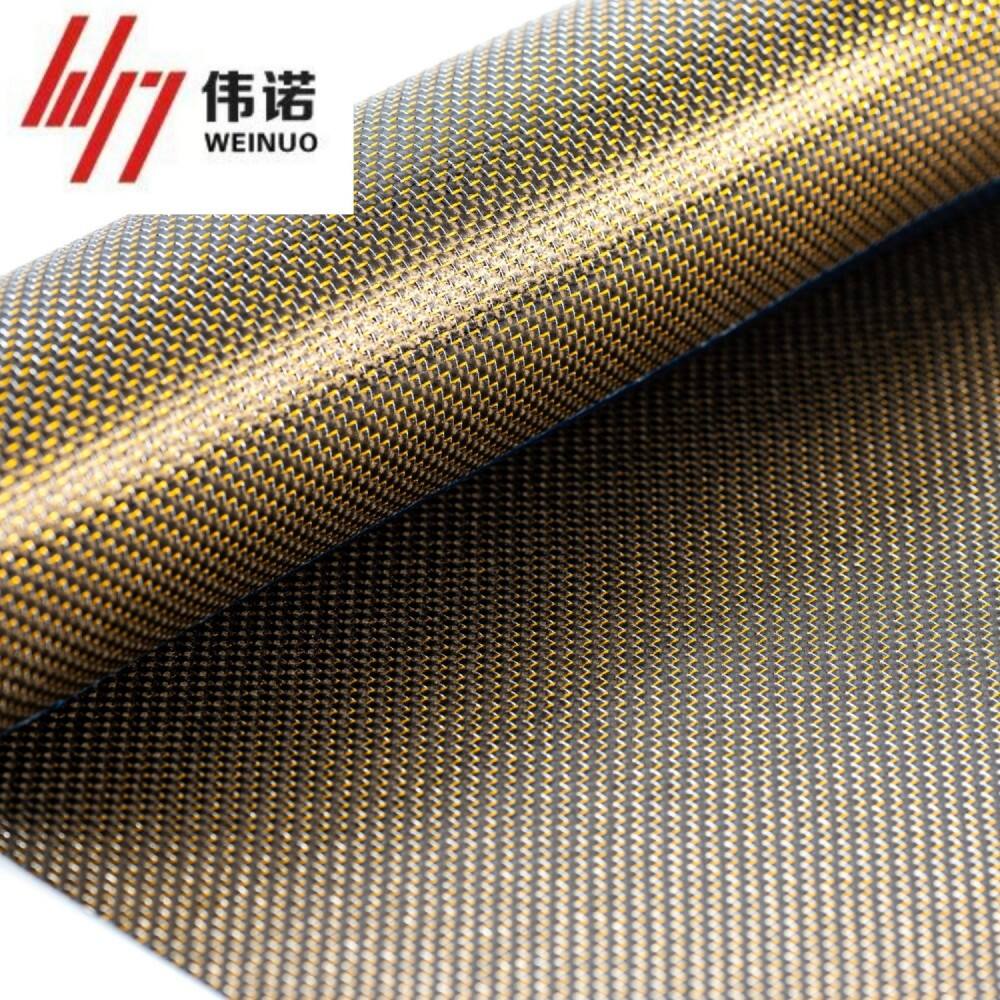
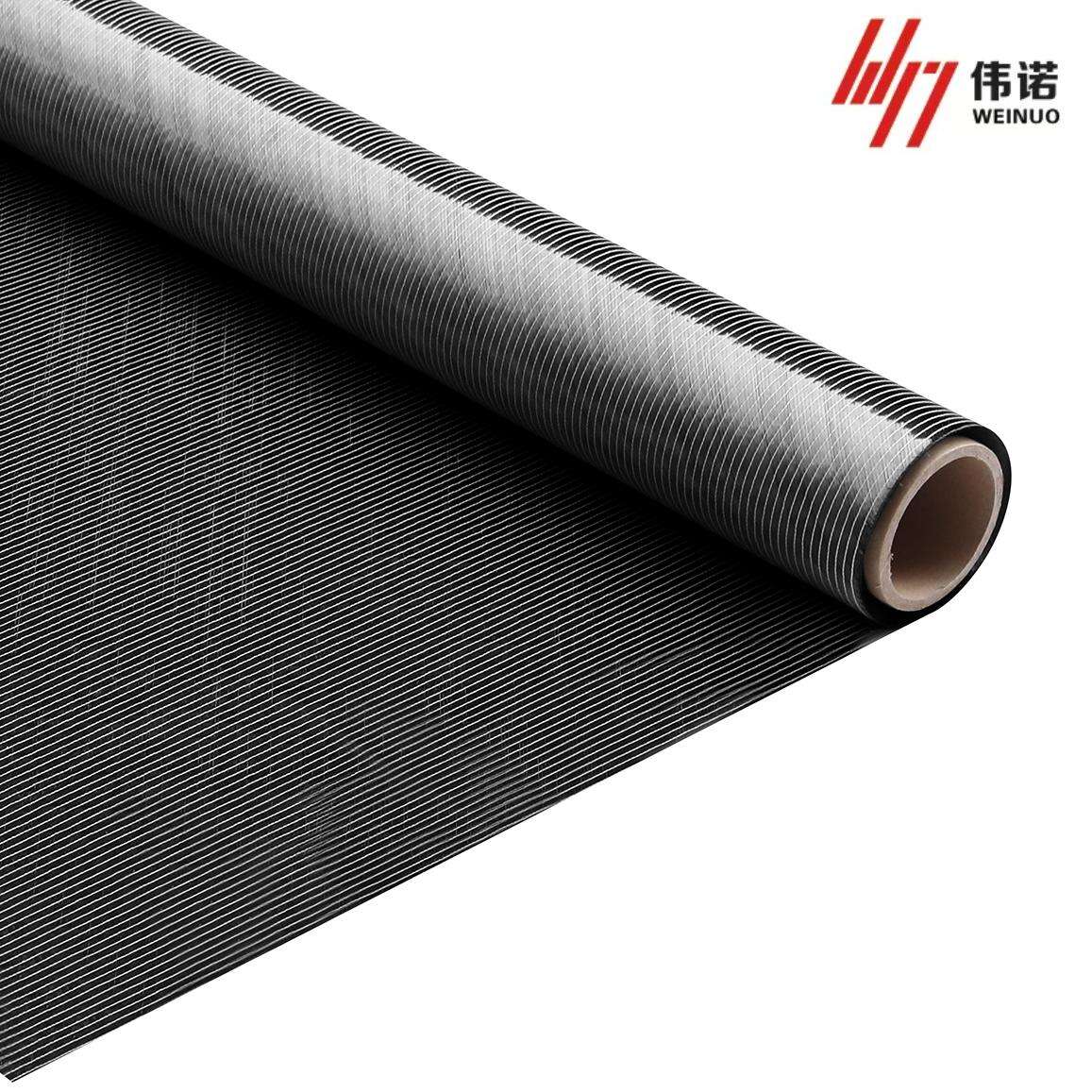
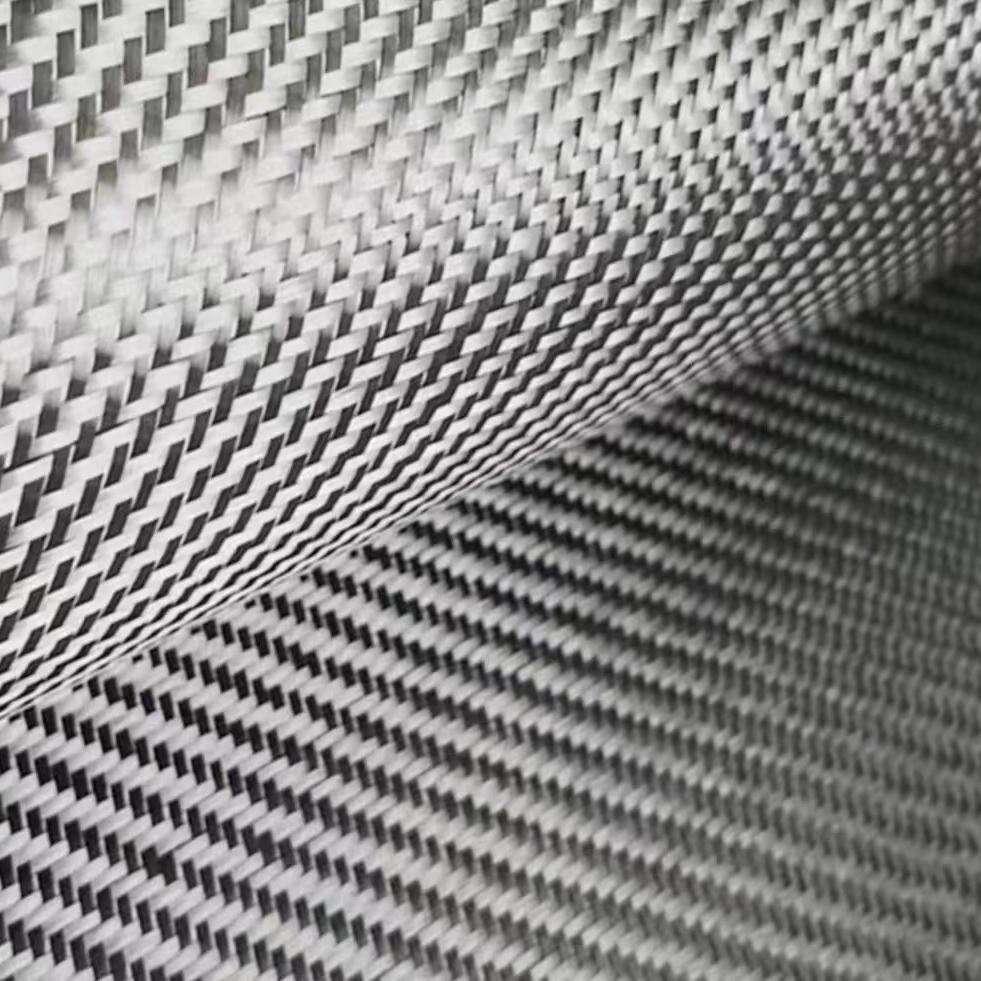
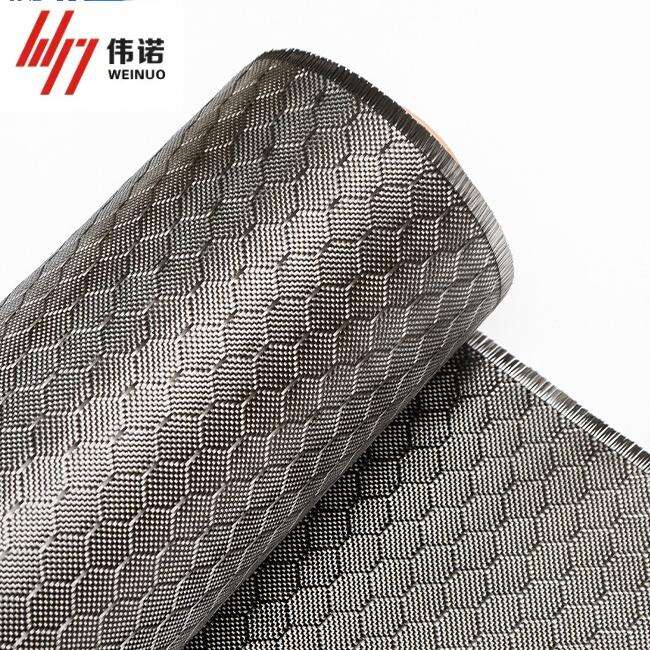
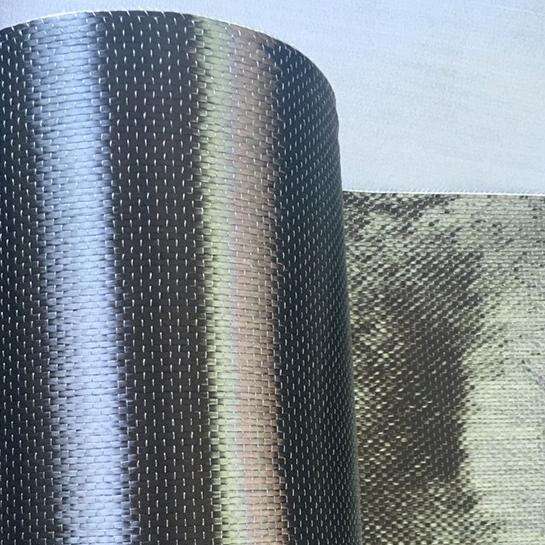
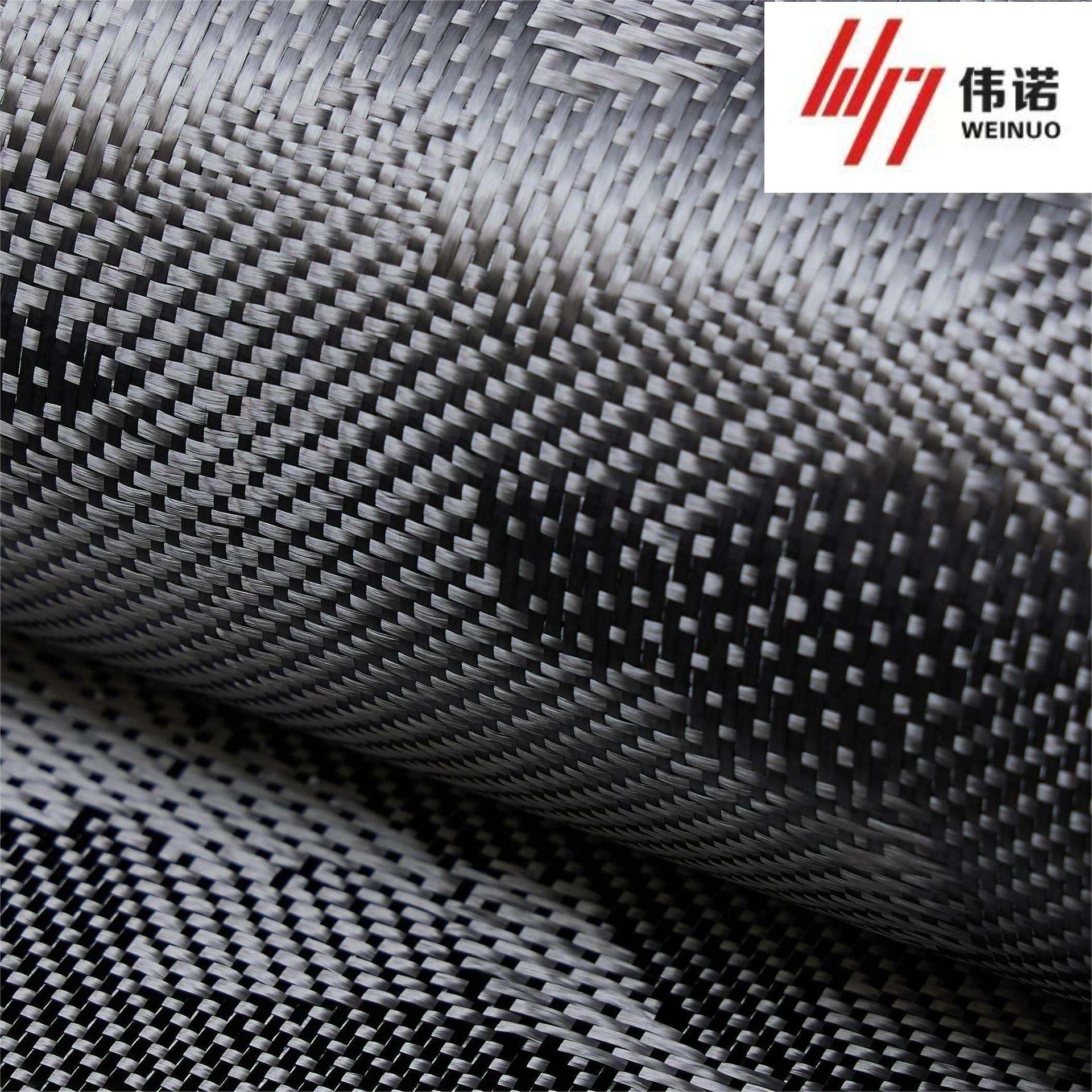
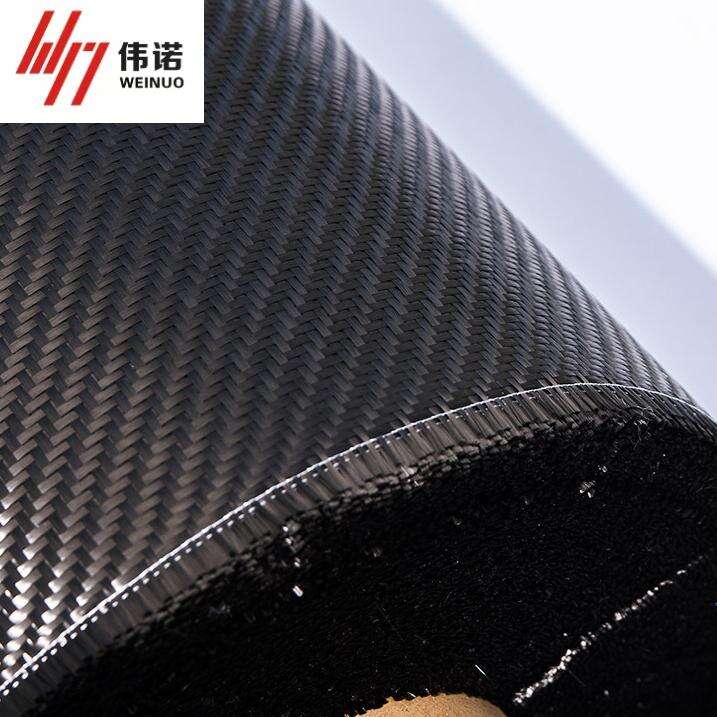
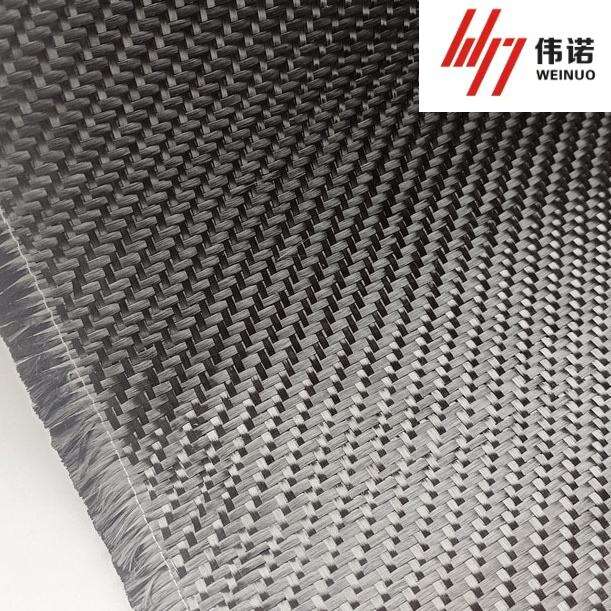
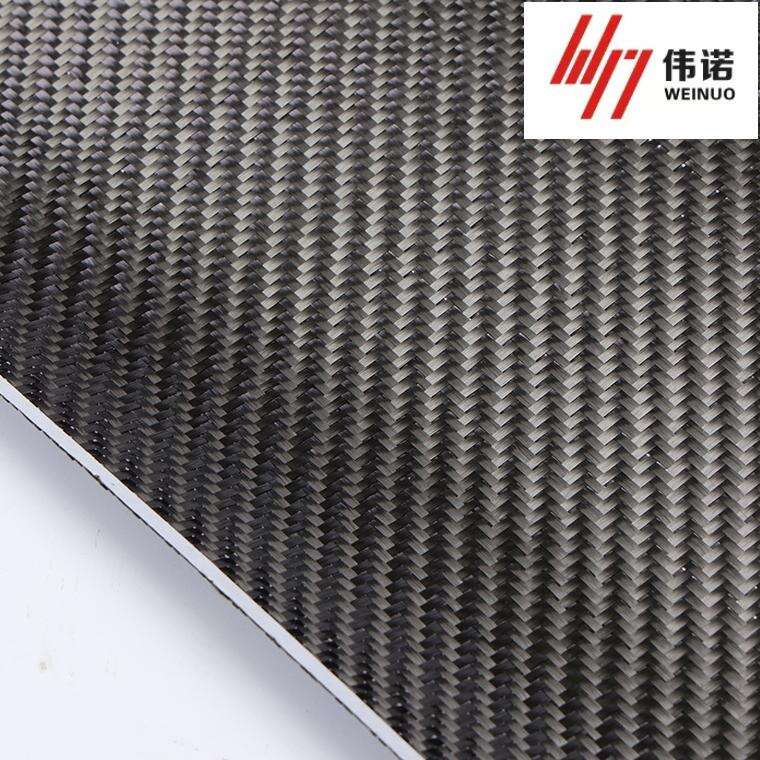
Unidirectional carbon fiber fabric represents a specialized composite material engineered with carbon fibers aligned in a single direction, maximizing strength and performance along the fiber orientation. This innovative material consists of parallel carbon fiber tows held together by a minimal amount of cross-stitching or a light binding agent. Unlike traditional woven carbon fiber fabrics, unidirectional construction allows for optimal fiber alignment, resulting in superior strength-to-weight ratios in the primary load-bearing direction. The material's unique structure enables engineers and manufacturers to precisely control reinforcement placement, making it particularly valuable in applications requiring specific directional strength. The fabric's composition typically features 95% or more of the carbon fibers oriented in the primary direction, with only minimal transverse fibers for handling stability. This structural arrangement makes it ideal for applications where loads are predominantly applied in one direction, such as in aerospace components, high-performance sporting goods, and structural reinforcement projects. The material's versatility is enhanced by its compatibility with various resin systems, allowing it to be effectively incorporated into both thermoset and thermoplastic composite solutions.


Popular Products

Unidirectional carbon fiber fabric offers numerous compelling advantages that make it a superior choice for demanding applications. First and foremost, its aligned fiber structure provides maximum strength in the primary load direction, delivering up to 40% higher tensile strength compared to traditional woven carbon fiber fabrics. This optimization of fiber orientation results in exceptional mechanical properties while maintaining minimal weight, making it particularly valuable in weight-critical applications. The material's structural efficiency allows engineers to achieve superior performance with less material, leading to cost savings in both material usage and processing. Another significant advantage is its exceptional fatigue resistance, maintaining structural integrity even under repeated loading cycles. The fabric's versatility in application methods, including wet layup, prepreg, and vacuum infusion processes, provides manufacturers with flexibility in production techniques. Its ability to conform to complex geometries while maintaining fiber alignment enables the creation of sophisticated composite structures. The material's excellent thermal stability and low thermal expansion characteristics make it ideal for applications requiring dimensional stability across varying temperature ranges. Additionally, the predictable nature of unidirectional reinforcement simplifies design calculations and structural analysis, allowing for more precise engineering solutions. The fabric's consistency in fiber placement also results in improved quality control and reproducibility in manufacturing processes, ensuring reliable performance across production runs.

Latest News

What Should Buyers Know About Industrial-Grade Carbon Fiber Fabric

25

Sep

What Should Buyers Know About Industrial-Grade Carbon Fiber Fabric

Understanding the Revolutionary World of Advanced Composite Materials Industrial-grade carbon fiber fabric represents one of the most significant advancements in modern manufacturing and engineering materials. This remarkable composite material has t...
View More
Why Manufacturers Prefer Carbon Fiber Fabric for Long-Term Durability

25

Sep

Why Manufacturers Prefer Carbon Fiber Fabric for Long-Term Durability

The Revolutionary Impact of Advanced Composite Materials in Manufacturing In the ever-evolving landscape of modern manufacturing, carbon fiber fabric has emerged as a game-changing material that's reshaping industries from aerospace to automotive. Th...
View More
Why Is Carbon Fiber Fabric Trusted in Aerospace and Automotive Manufacturing

25

Sep

Why Is Carbon Fiber Fabric Trusted in Aerospace and Automotive Manufacturing

The Revolutionary Impact of Advanced Composites in Modern Engineering In the realm of high-performance materials, carbon fiber fabric has emerged as a game-changing innovation that continues to reshape the aerospace and automotive industries. This re...
View More
How Does Carbon Fiber Cloth Improve Mechanical Performance in Industry

25

Sep

How Does Carbon Fiber Cloth Improve Mechanical Performance in Industry

Understanding the Revolutionary Impact of Advanced Composite Materials In the realm of industrial engineering and manufacturing, carbon fiber cloth has emerged as a transformative material that's reshaping how we approach mechanical performance. This...
View More

Get a Free Quote

Our representative will contact you soon.
Email
Name
Company Name
Message
0/1000
Whatsapp Number

unidirectional carbon fiber fabric

Superior Directional Strength and Design Flexibility

Superior Directional Strength and Design Flexibility

The unidirectional carbon fiber fabric's primary strength lies in its ability to provide maximum mechanical properties in the direction of fiber alignment. This characteristic allows engineers to optimize material placement according to specific load paths, resulting in structures that are both lighter and stronger than those made with conventional materials. The fabric's design flexibility enables the creation of layup schedules that precisely match application requirements, with fibers oriented at different angles to address complex loading conditions. This tailored approach to structural design results in more efficient use of material and superior performance characteristics. The ability to precisely control fiber orientation also facilitates the development of components with varying properties in different regions, allowing for localized reinforcement where needed most.
Enhanced Manufacturing Efficiency and Cost-effectiveness

Enhanced Manufacturing Efficiency and Cost-effectiveness

Unidirectional carbon fiber fabric significantly streamlines the manufacturing process through its consistent fiber alignment and excellent handling characteristics. The material's uniform structure facilitates automated layup processes, reducing production time and labor costs. Its compatibility with various manufacturing methods, from hand layup to automated fiber placement, provides flexibility in production scaling. The fabric's efficient use of fibers, with minimal waste in cross-weaving, translates to better material utilization and lower overall costs. Additionally, the predictable nature of unidirectional reinforcement simplifies quality control procedures and reduces the likelihood of manufacturing defects.
Exceptional Performance in Dynamic Applications

Exceptional Performance in Dynamic Applications

The unidirectional carbon fiber fabric excels in applications requiring high performance under dynamic loading conditions. Its aligned fiber structure provides superior fatigue resistance, maintaining structural integrity even after repeated stress cycles. This characteristic is particularly valuable in aerospace, automotive, and sporting goods applications where consistent performance is crucial. The material's excellent vibration damping properties help reduce mechanical resonance, improving both performance and durability. Furthermore, its low thermal expansion coefficient ensures dimensional stability across varying temperature ranges, making it ideal for precision applications where maintaining exact dimensions is critical.

Get a Free Quote

Our representative will contact you soon.
Email
Name
Company Name
Message
0/1000
Whatsapp Number