Zaman Kelebihan Kapasitas
Di satu sisi, harga serat karbon serba guna telah turun di bawah garis biaya; di sisi lain, terjadi kekurangan serat karbon kelas atas untuk sektor dirgantara. Dengan perusahaan kecil dan menengah terjebak di tengah-tengah, ke mana arah solusi yang tepat?
‘Emas hitam’ tidak lagi bersinar seterang dulu.
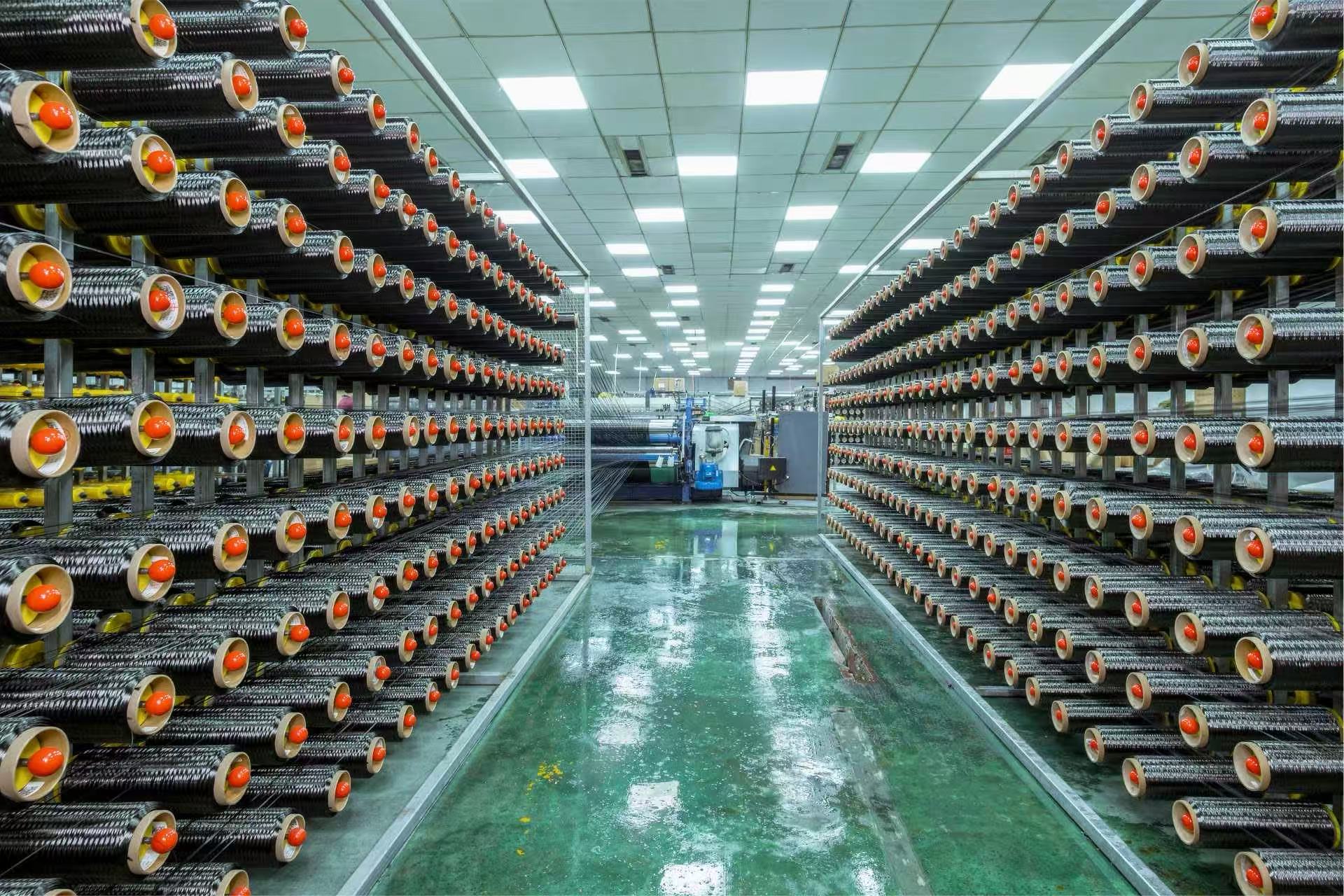
Pada 2025, kapasitas produksi serat karbon operasional Tiongkok mencapai sekitar 171.000 ton metrik, atau 52,5 persen dari total kapasitas global, sehingga tetap mempertahankan posisinya sebagai produsen terbesar dunia. Namun, realitas di balik angka-angka ini adalah adanya kelebihan kapasitas yang parah untuk serat karbon serba guna tipe T300 dan T400, dengan persaingan ketat akibat keseragaman produk serta margin laba yang tipis bagi perusahaan.
Pada 2024, perusahaan-perusahaan terkemuka di sektor ini melaporkan kerugian untuk pertama kalinya, sementara beberapa produsen mapan mengalami penurunan kinerja untuk pertama kalinya setelah bertahun-tahun pertumbuhan berkelanjutan. Banyak perusahaan kecil dan menengah terjebak dalam perang harga, sehingga tekanan operasional semakin memburuk.
Sebagai kontras tajam, harga satuan serat karbon di sektor dirgantara mencapai sekitar USD80 per kilogram, sedangkan di sektor tenaga angin hanya USD12 per kilogram. Pasar segmen tinggi menawarkan laba besar, tetapi hambatan masuknya sangat tinggi.
Justru kontradiksi struktural inilah yang membuka peluang bagi perusahaan kecil dan menengah untuk menerobos.
Melampaui peran sebagai ‘pembawa serat’ guna memperluas cakupan ke penggunaan -berbasis solusi
Segmen paling menguntungkan dalam rantai industri serat karbon bukanlah produksi serat mentah atau karbonisasi, melainkan desain material komposit, proses pencetakan, dan pengembangan skenario penerapan.
Usaha kecil dan menengah (UKM) berukuran kecil dan memiliki modal terbatas; jika mereka hanya fokus pada produksi serat mentah, mereka tidak memiliki peluang bersaing dengan skala ekonomi yang dinikmati oleh raksasa industri. Jalan ke depan terletak pada ‘bergerak ke hilir’—mendekati skenario pengguna akhir dan mengembangkan solusi penerapan.
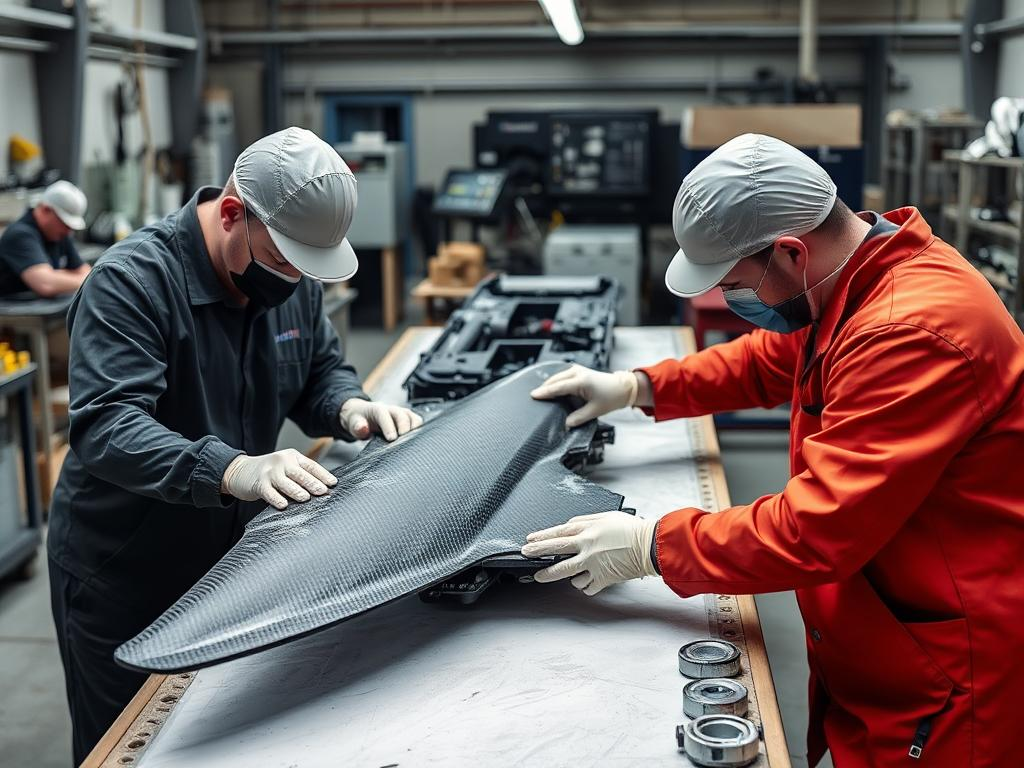
Sebuah perusahaan komposit kecil di Tiongkok selatan telah secara mandiri mengembangkan peralatan pengeringan suhu tinggi dan pencetakan untuk memproses serat karbon menjadi baling-baling drone. Dibandingkan proses konvensional, ini memangkas jumlah langkah produksi menjadi separuhnya dan mengurangi kebutuhan tenaga kerja sebesar 60 persen; 60 persen dari produk produknya diekspor ke luar negeri, dengan penjualan tahunan melebihi 10 juta yuan.
Perusahaan lain, yang telah berkembang dari pengolahan logam ke sektor komposit serat karbon, mengkhususkan diri dalam ringan kendaraan bermotor. Perusahaan ini memasok komponen serat karbon ke beberapa merek kendaraan off-road dan kendaraan komersial, dengan volume pasokan tahunan melebihi 400.000 unit serta pertumbuhan pendapatan lebih dari 40 persen.
Logika intinya adalah begini: alih-alih menjual bahan baku, lebih baik menjual komponen. Ketika Anda menjadi pemasok bagi produsen peralatan asli (OEM) di hilir, baik daya tawar maupun loyalitas pelanggan Anda akan meningkat secara signifikan.
Berfokus pada pasar ceruk: menjadi ikan besar di kolam kecil
Jangan berusaha bersaing langsung dengan raksasa di pasar umum seperti tenaga angin serta olahraga dan rekreasi. Usaha kecil dan menengah harus mencari pasar ceruk baru yang diabaikan atau tidak dapat dimasuki oleh raksasa tersebut.
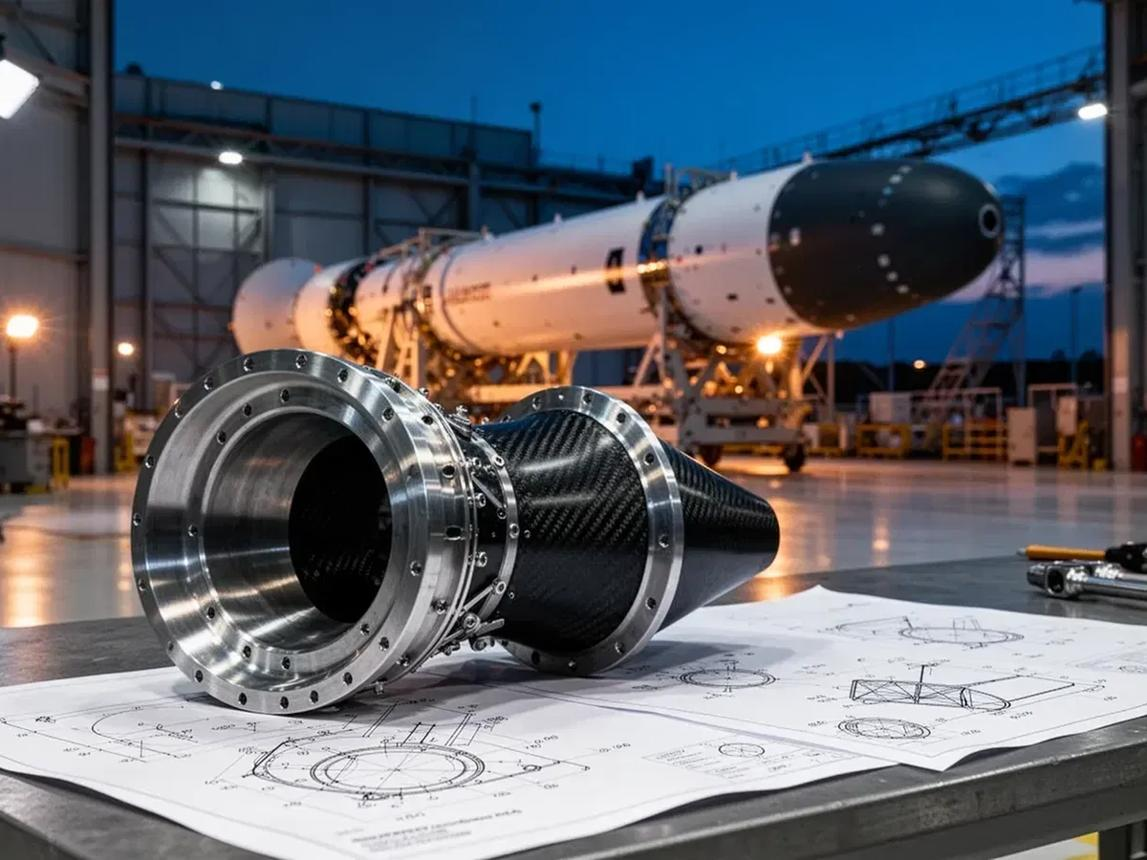
Satu UKM yang awalnya memproduksi tabung gas tekanan tinggi untuk penggunaan domestik menghadapi batas pertumbuhan di industri tersebut dan secara tegas beralih ke sektor ruang angkasa komersial. Dengan memanfaatkan keahlian yang sudah dimilikinya dalam teknologi pembuatan tabung berbahan komposit berlapis serat, perusahaan ini berhasil masuk ke rantai pasokan aerospace, memproduksi tabung gas berbahan karbon-fiber ultra-ringan serta tangki bahan bakar roket. Saat ini, pendapatan dari produk aerospace menyumbang lebih dari sepertiga dari total pendapatan perusahaan, dengan nilai output tahunan mendekati 100 juta yuan dan pesanan telah dipesan hingga dua tahun ke depan.
Sebuah produsen peralatan memancing di wilayah Timur Laut telah memperluas proses produksi tiang pancing berbahan karbon-fiber-nya ke tiang ski dan stik hoki, bahkan berhasil memperoleh pesanan baru untuk komponen struktural robot humanoid, sehingga melipatduakan pendapatannya dari tahun ke tahun.
‘Spesialisasi, Penyempurnaan, Keunikan, dan Inovasi’ bukan sekadar slogan, melainkan strategi untuk membangun pijakan di wilayah tak terjelajahi yang berada di luar jangkauan pandangan para raksasa industri.
Mengadopsi kluster industri untuk memanfaatkan momentum pihak lain
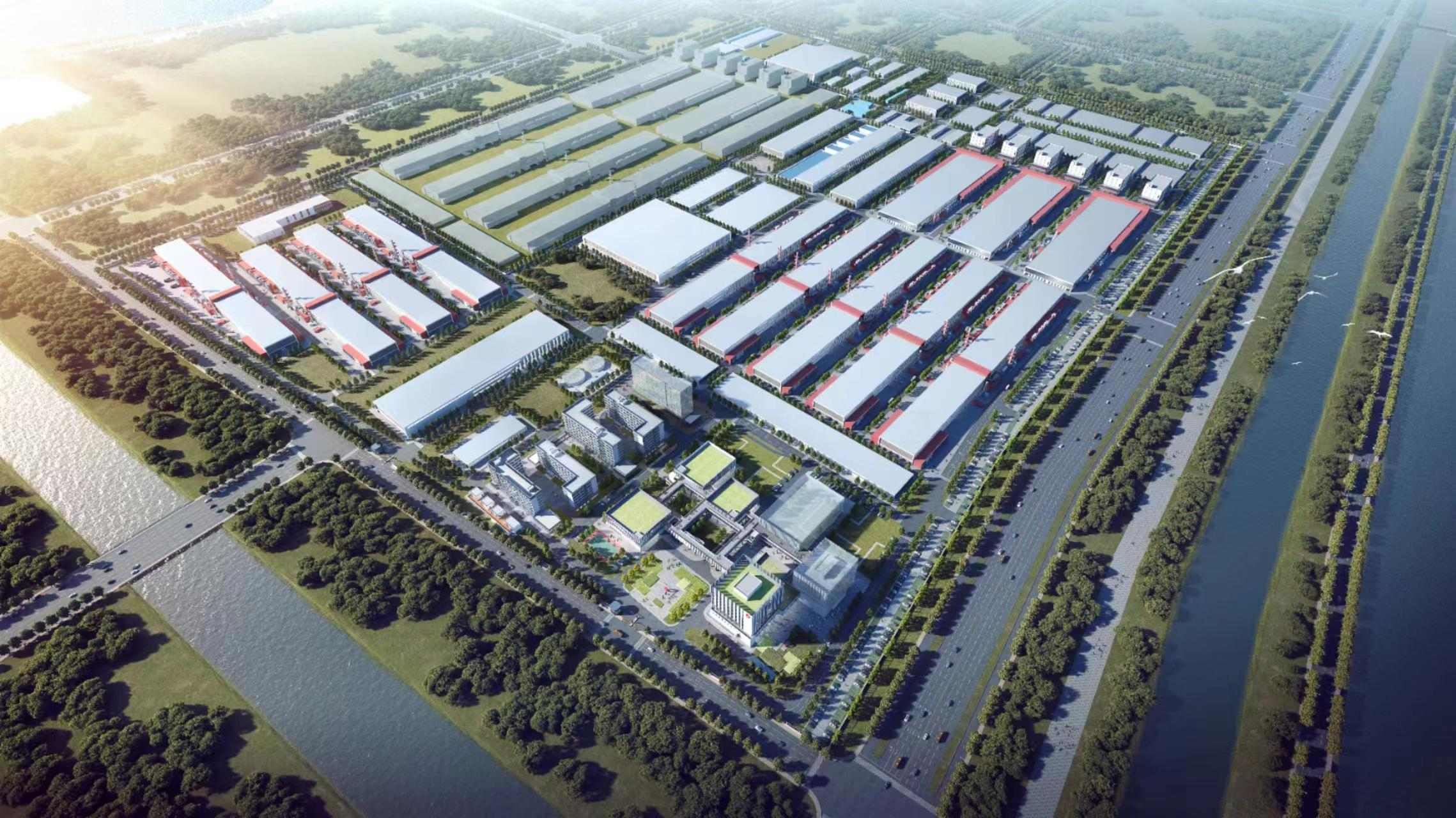
Era bertindak sendiri telah berakhir. Industri serat karbon sedang mengembangkan rantai nilai lengkap yang mencakup ‘pembuatan peralatan, produksi prekursor, persiapan serat, bahan komposit, dan penerapan’; integrasi ke dalam kluster industri merupakan cara efektif bagi perusahaan kecil dan menengah untuk menekan biaya rantai pasok serta meningkatkan kecepatan respons.
Setelah sebuah perusahaan bahan baru dari wilayah pesisir timur mendirikan operasi di sebuah taman industri serat karbon, perusahaan tersebut menemukan bahwa mereka dapat ‘memperoleh semua bahan pelengkap tanpa meninggalkan taman tersebut’—akses pasar untuk resin khusus dan prepreg juga dapat diatur sepenuhnya di dalam taman tersebut. Integrasi mendalam dan sinergi dalam rantai industri ini memungkinkan mereka mencapai volume pesanan tahunan senilai hampir 50 juta yuan.
Gugus industri serat karbon telah terbentuk di sejumlah tempat, seperti Changzhou di Jiangsu, Weihai di Shandong, dan Keqiao di Zhejiang, dengan pemerintah daerah memberikan dukungan melalui dana industri dan kebijakan yang ditargetkan. Dengan secara proaktif berintegrasi ke dalam ekosistem-ekosistem ini, UMKM tidak hanya memperoleh pesanan, tetapi juga kolaborasi teknologi serta dukungan tenaga ahli.
Mencari keuntungan melalui ‘penempatan posisi di segmen pasar premium’, bahkan jika itu berarti hanya melangkah maju sedikit saja
Konsensus di dalam industri adalah bahwa terdapat kelebihan pasokan di segmen bawah dan kekurangan pasokan di segmen atas. Mengenai serat karbon berkinerja tinggi kelas T700 dan di atasnya, sangat sedikit perusahaan domestik yang mampu memproduksi secara massal dengan stabilitas tinggi, sehingga harga tetap berada pada level relatif tinggi.
Meskipun perusahaan kecil dan menengah jelas tidak memiliki kapasitas untuk langsung mengembangkan serat karbon kelas T800, mereka dapat menciptakan ceruk pasar dengan mengkhususkan diri pada parameter teknis tertentu.
Sebagai contoh, beberapa perusahaan mengkhususkan diri dalam kain serat karbon bermodulus tinggi yang dirancang khusus untuk peralatan memancing kelas atas, dengan sifat mekanis dan fisik 15 hingga 20 kali lebih unggul dibanding baja. Contoh lain adalah perusahaan yang berfokus pada komposit termoplastik—dibandingkan bahan termoseting, serat karbon termoplastik dapat didaur ulang dan merupakan tren masa depan, namun hanya sedikit perusahaan domestik yang mampu memproduksinya. Membangun hambatan teknis di pasar 'ekor panjang' juga dapat membantu menghindari perang harga.
Industri serat karbon saat ini sedang mengalami masa transisi, dari sekadar ‘mampu memproduksi’ menjadi ‘memproduksi dengan baik’. Konsolidasi kapasitas produksi untuk produk umum tak terelakkan, namun bagi perusahaan kecil dan menengah, ada tiga cara bertahan di tengah krisis ini: memperluas ke aplikasi hilir, mengkhususkan diri pada segmen ceruk, serta berkoordinasi dengan klaster industri.
Tidak perlu terlalu merendahkan diri. Seperti dikatakan seorang pakar industri: ‘Mereka yang bergerak di sektor manufaktur harus memiliki semangat tak kenal menyerah layaknya seorang petarung dan tetap selaras dengan perkembangan industri.’
Nilai ‘emas hitam’ pada akhirnya akan terwujud melalui kerja keras.
Hak Cipta © 2026 Zhangjiagang Weinuo Composites Co., Ltd. Semua hak dilindungi
 EN
EN